Don't visit cemeteries only on November 1: they're heritage
For one long weekend a year, cemeteries fill with flowers and buses. The rest of the year, they're some of the most honest heritage sites a traveler can enter, if you know how to behave.
AI-generated image
Why do we treat a cemetery as a place to visit only when the calendar tells us to? On November 1, entire cities move toward their graveyards. Once the long weekend ends, most of us forget them again. We think that's a missed opportunity, and a slightly odd one.
The holiday rush shows how alive these places are
The scale of the tradition is striking. In Madrid, ABC reports that the city holds more than 5 million buried people and that, by earlier estimates, over half a million visitors passed through its cemeteries around this holiday. Barcelona has set up extra bus lines and a shuttle from Plaza de España to Montjuïc. In Jaén, the city council has lent ladders so families can reach the higher niches.
That is logistics for a living tradition, not a museum. Families clean tombs, renew flowers and candles. It is also a tradition in flux: a survey commissioned by Mémora and run by Ipsos last year among 500 people, cited by Hispanidad, found 48% of respondents mark the day by visiting the cemetery, and 70% describe it as a cultural custom rather than a religious one.
A cemetery tells you what a city is proud of, and what it hides
Here is our argument, and it is an opinion: few places read a community as candidly as its graveyard. Who got a monument, who got a niche in a wall, which families paid for sculpture. A cathedral shows what power wanted to be remembered for. A cemetery shows what ordinary people and the powerful alike did with grief.
We are not alone in thinking so. Spanish outlets such as El País are publishing guides to funerary destinations to visit beyond All Saints' Day. Idealista's roundup of monumental cemeteries notes that several belong to the European Cemeteries Route, a cultural itinerary that promotes the continent's funerary heritage. We will not rank individual sites here. The point is the category: it is heritage, and we think it is underused.
The traditions around the dead are heritage too, and they are wonderfully local. The Canary Islands gather families around the table for the Finaos; chestnuts are roasted in Galicia, the Basque Country and Catalonia; and in Begíjar, in Jaén, neighbors fill door locks with porridge, an old way of scaring off evil spirits, as El Mundo explains. You will not find that in a standard itinerary.
Go on a quiet weekday, and behave like a guest
The best time to visit is probably not this weekend. On the holiday, the cemetery belongs to the families, and a camera pointed at someone leaving flowers is intrusive. We think a traveler has a stronger, more respectful experience on an ordinary weekday, when the place is calm and the stones can be read.
Some simple rules, which are common sense rather than documented regulations:
- Check opening hours locally; they vary by city and season (Madrid's general autumn-winter hours, for example, are 8:00 to 18:30).
- Keep your voice low and do not photograph mourners.
- Do not step on or touch graves, and keep to the paths.
- Treat the visit as a visit to someone's home, because for many people it is.
Make the cemetery a first stop, not a last one
Make a cemetery part of your next trip, not as a macabre novelty but as the quickest honest introduction to a place. If you are in Spain this week, observe the tradition from a respectful distance. Then come back on a quiet day, with time, and read the stones. The dead are not going anywhere, and the stories they carry are better heard when nobody is rushing.
No topics yet: start the first one.
More stories
Kruger at 100: visit now, but only if the crowds are managed
A century of conservation is a great reason to go on safari, but the centenary will only be worth celebrating if Kruger uses the buzz to protect the bush, not just to sell packages.
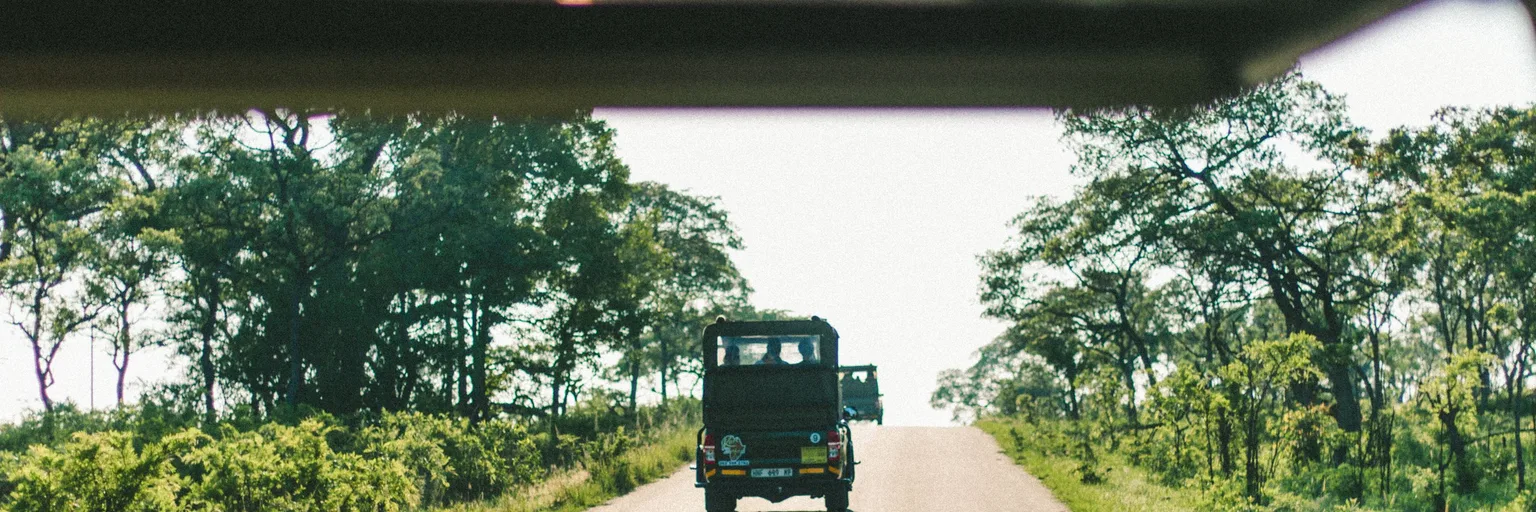
Parks Canada's warden cuts could leave visitors on their own
Closing at least 13 warden detachments cuts costs, but it thins the enforcement and safety backbone of remote parks. Travelers should know what remains.

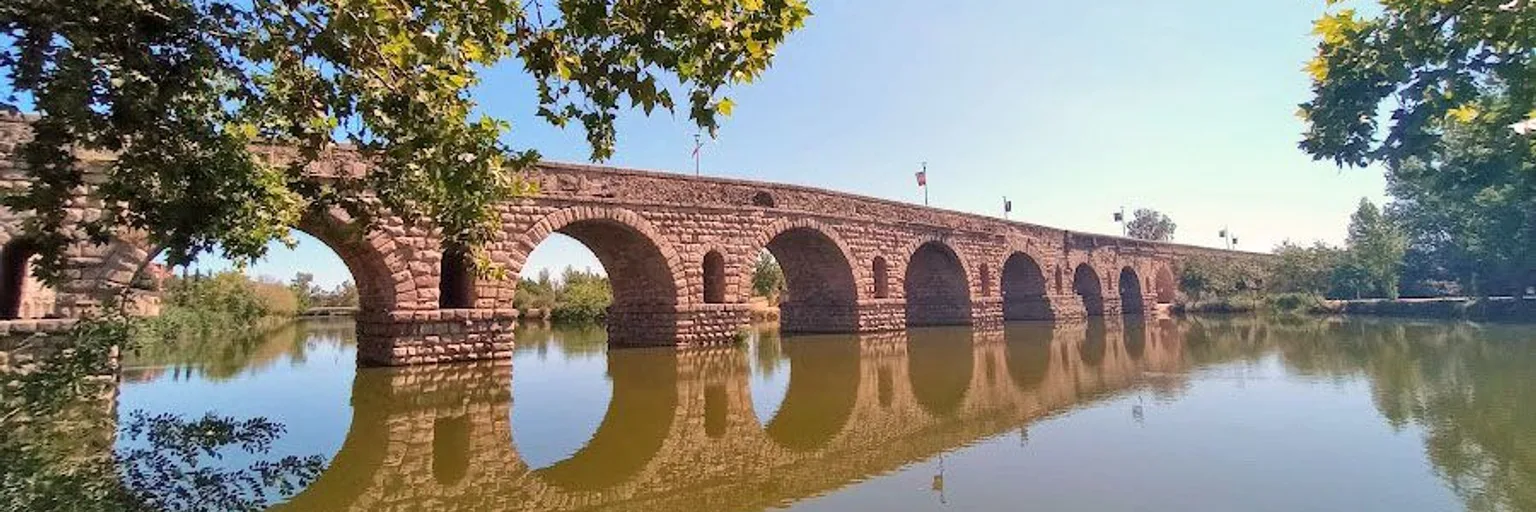
Mérida's Roman bridge is proof Extremadura deserves more than a photo stop
At 790 meters and 60 arches, Mérida's Roman bridge is the kind of monument that makes Extremadura a rival to Spain's famous hubs. Give it days, not minutes.
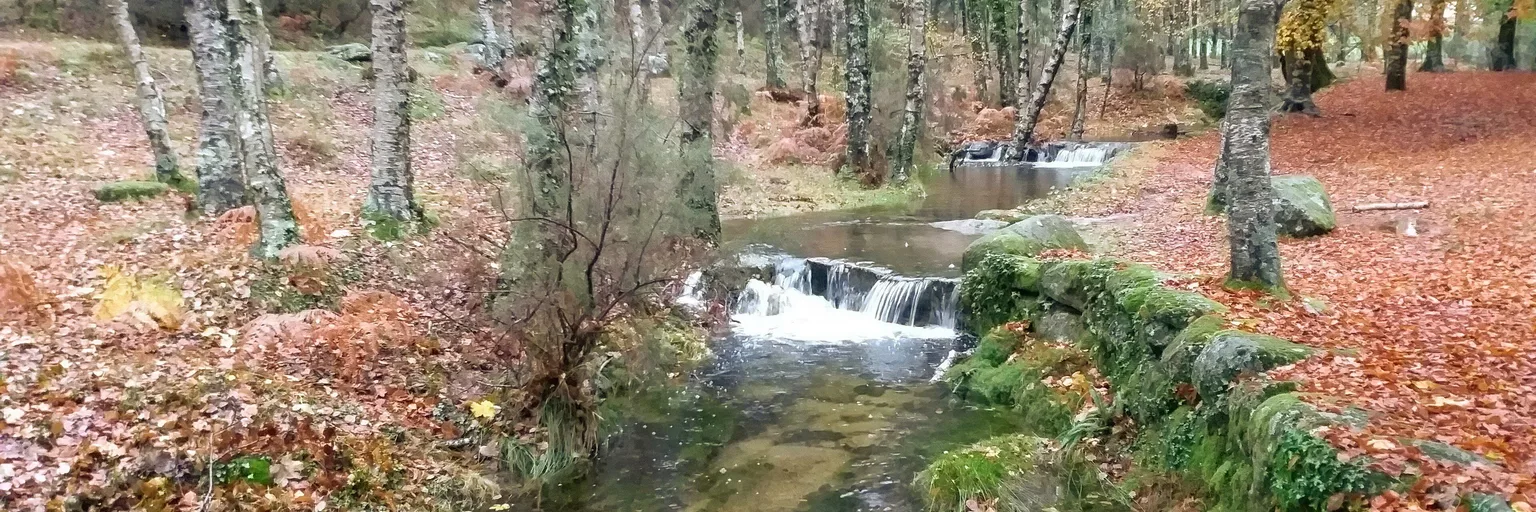
Peneda-Gerês needs rangers and limits, not just a new program
Portugal has approved a special program for its only national park. It will be good news only if it caps visitor pressure and pays for people on the ground, not just promotion.