Parks Canada's warden cuts could leave visitors on their own
Closing at least 13 warden detachments cuts costs, but it thins the enforcement and safety backbone of remote parks. Travelers should know what remains.
AI-generated image
Who do you call when the trail is a day from the road and the only person with a radio and legal authority is a long drive away? It is a question travelers rarely ask about Canada's national parks. It is about to matter a lot more.
CBC News reports that Parks Canada is closing at least 13 warden detachments and moving to a regional law-enforcement service. Closures are planned in British Columbia, Alberta, Ontario, New Brunswick, Nova Scotia, Yukon and the Northwest Territories, including Kluane, Kejimkujik, Elk Island, Point Pelee and Nahanni. At least a dozen positions will go, and Banff and Jasper reportedly lose one warden each. The new model has 85 wardens spread across western, central, eastern and northern Canada, and the Rockies. All of this sits inside $145 million in cuts over three years.
Parks Canada says it is "modernizing its law enforcement model by redistributing capacity to focus on areas of highest priority and risk." That is a reasonable-sounding sentence. We think it deserves scrutiny.
"Regional" is a polite word for "farther away"
CBC's own explanation is blunt: when a detachment closes, there is no on-the-ground law enforcement there, and the system relies on regional wardens traveling in. Mike Henderson, who worked as a warden in the Rockies for more than 30 years, says a call on the Icefields Parkway could take more than half a shift to answer and clear. His assessment of the plan is that "you still don't have enough staff."
Our reading: a consolidated model can look efficient on an org chart and still fail on a map. These parks are enormous. The agency administers more than 450,000 square kilometres of land and water. A warden covering a region is a warden who is, by definition, not at the trailhead you picked. For most visitors on a sunny day, nothing changes. The cuts matter on the bad day, and for a safety service the bad day is the entire job.
The people being stretched are also the people being left alone
The union's sharpest point is not about tourists but about staff. Much warden work is solo, in remote country, and PSAC says it is hearing that some may be without backup. Henderson put it plainly: "You just get burned out." The union also says these are occupational health and safety concerns, "not just financial savings."
This is the part we find hardest to wave away. A lone officer with no nearby backup is, in our view, a thinner safety net for everyone, not only for the officer. Burnout drives experienced people out, and experience is the one thing you cannot rush-train.
The 2023 evaluation CBC cites makes the timing look worse. It found resources "have not kept pace with the increasing needs of the program," at roughly 100 wardens in 2022 and a program budget of about $10 million. So the service was already stretched before this round. A reasonable observer could ask whether "redistribution" is just a gentler word for fewer.
What travelers should do now
First, don't cancel Canada. The parks remain spectacular, and Parks Canada says the warden service "will continue to provide services across all locations." We have no documentation of changed response times, so we won't invent any. But in the coverage we have seen, the agency has not spelled out how fast backup will arrive, and that is the gap.
Second, plan as if help is slow. That is common sense in any wilderness, but it is now more literally true. Tell someone your route, carry what you need for a delay, and check conditions with park staff before you head into the backcountry.
Third, ask the questions the union is asking: what happens to response times, to travel distances, to backup? Visitors are a constituency here. CBC also reported that Parks Canada quietly axed a search and rescue dog program dating back to the early 1970s, and the Ottawa Citizen notes that a public service union called the timing of the job cuts "odd" as the federal government prepares to renew a free summer park pass meant to boost domestic travel. Tourism numbers are a political argument. Use them.
Our verdict: the savings are real and the risk is mostly invisible until it isn't. Canada's parks sell wild places made accessible by a safety net few visitors see. Cut that net and the wildness stops being a feature. Go, prepare more carefully than before, and make noise about the service you expect in return.
No topics yet: start the first one.
More stories
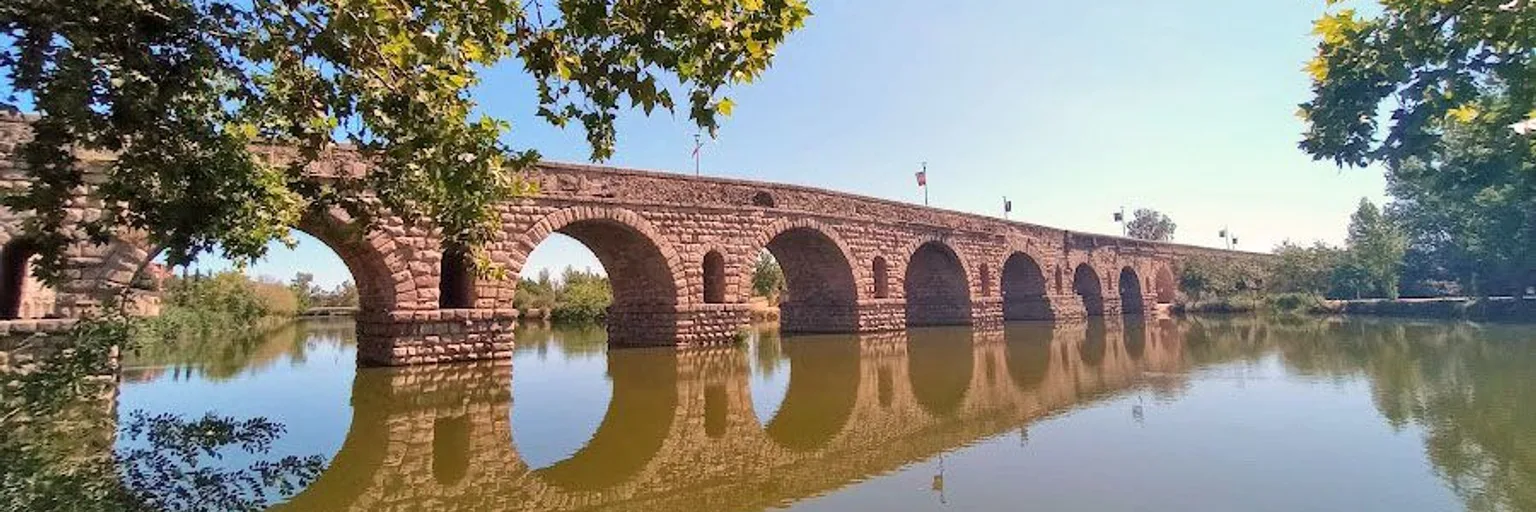
Mérida's Roman bridge is proof Extremadura deserves more than a photo stop
At 790 meters and 60 arches, Mérida's Roman bridge is the kind of monument that makes Extremadura a rival to Spain's famous hubs. Give it days, not minutes.
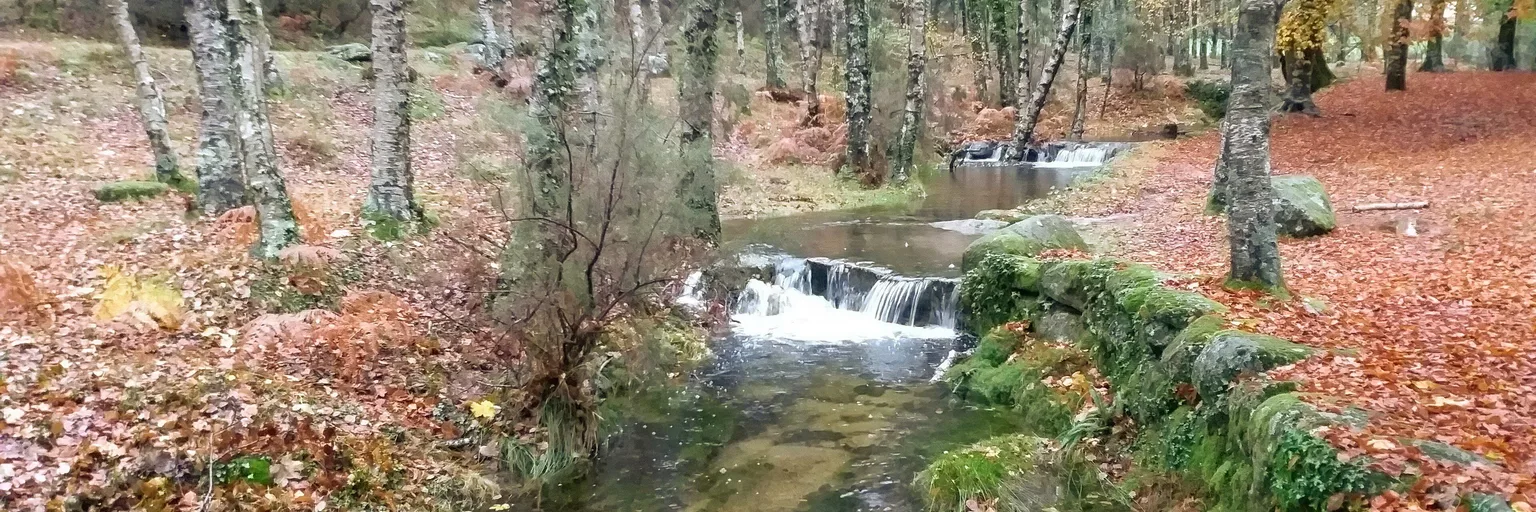
Peneda-Gerês needs rangers and limits, not just a new program
Portugal has approved a special program for its only national park. It will be good news only if it caps visitor pressure and pays for people on the ground, not just promotion.
Bamboo beats concrete: why resilient islands deserve your trip
A Philippine island is fighting floods with bamboo and oyster shells, not cement. Travelers who care about coasts should learn to tell real adaptation from decoration.

Reggio Calabria's free ruins shouldn't be a two-day favor
Free archaeological openings on October 31 and November 1 are a lovely nudge, but a city with this much history shouldn't need a holiday weekend to be noticed.