Kruger at 100: visit now, but only if the crowds are managed
A century of conservation is a great reason to go on safari, but the centenary will only be worth celebrating if Kruger uses the buzz to protect the bush, not just to sell packages.
Photo: AnnaKate Auten annakatecreates / Wikimedia Commons (CC0)
Is a safari still the best thrill travel has to offer, or have we made it a convoy of trucks chasing the same lion? Kruger National Park turns 100 this year, and the answer depends less on the animals than on how the park, and we as visitors, behave in its anniversary year.
The facts are simple. According to the Lowvelder, Kruger was officially established as a national park on May 31, 1926. SANParks has built a dedicated centenary site promising year-long events and conservation initiatives. A safari operator's page puts annual visitors at nearly 2 million, and a travel writer's report for the Lithgow Mercury notes the steady procession of safari trucks that locals in the towns along the way have long been used to.
The thrill is real, and the scale is the point
Kruger covers 19,623 square kilometers, according to the account published by the Lithgow Mercury. That is the number that matters. Few experiences compete with sitting still at sunset near a lake with hippos while a guide explains the small things you would have missed. The same report describes sleeping in an unfenced camp, hearing the bush's night noises and being escorted by an armed guard. That is not a theme park. It is an encounter with something that does not care about your itinerary.
We think this is why a safari still beats most travel thrills: it is unscripted. You cannot book a leopard. You can only book time, a good guide and patience, and the payoff is emotional in a way a viewpoint or a museum queue rarely is.
A centenary is an invitation to crowd, and that is the risk
Here is our worry. Anniversaries produce packages, group departures and a rush of first-time visitors who all want the Big Five in one morning. The same report says the guide is in constant communication with others in the park to plot routes to the latest sightings, so you are "always chasing one lead or another". That is efficient for the visitor, but we suspect it is a recipe for sightings turning into traffic jams. The documentation does not give us data on congestion or sighting density, so this is our reading, not a measured fact. But the pattern is familiar from other famous parks.
The better version of the centenary would use the spotlight to do the unglamorous things: cap vehicles at hotspots, push visitors toward quieter areas and times, and show where centenary money actually goes. SANParks promises conservation initiatives and community impact; we would like to see those turned into published, checkable commitments. A plaque is nice. A ledger is better.
Go slow, and go with guides who care
Choose operators and camps that put guides and conservation first, and accept that some drives will be quiet. The writer in the Lithgow Mercury piece notes guides are devoted conservationists who stop for small animals and context. That is the kind of safari we would pay for. Spend nights in different types of camps, from fenced lodges to rougher unfenced ones, and add the Panorama Route in Mpumalanga for variety: the writer singles out God's Window, at 1,000 meters above sea level, as a highlight whose views rival the wildlife.
Check current fees and gate times on official channels before you book; the pages we have are undated and we will not quote prices from them. And talk to a doctor about malaria medication and vaccinations well in advance, as the writer advises.
Our verdict
Go. Kruger at 100 is a worthy pilgrimage and a safari remains one of the best thrills there is. But be a demanding visitor: ask your operator how they limit pressure on sightings, prefer slower itineraries over checklist hunting, and treat the centenary as a test. If the park leaves 2026 with fewer bottlenecks and visible funding for its rangers and communities, it deserves its party. If it only leaves behind a pile of commemorative brochures, the animals will have had the last laugh.
No topics yet: start the first one.
More stories
Parks Canada's warden cuts could leave visitors on their own
Closing at least 13 warden detachments cuts costs, but it thins the enforcement and safety backbone of remote parks. Travelers should know what remains.

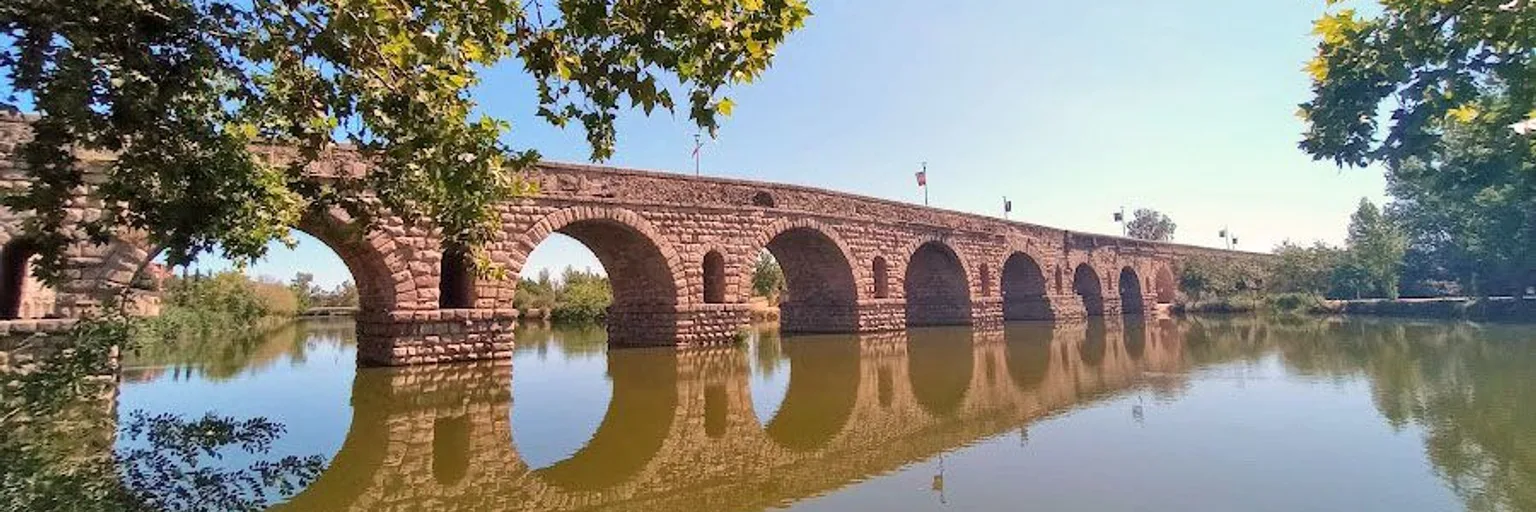
Mérida's Roman bridge is proof Extremadura deserves more than a photo stop
At 790 meters and 60 arches, Mérida's Roman bridge is the kind of monument that makes Extremadura a rival to Spain's famous hubs. Give it days, not minutes.
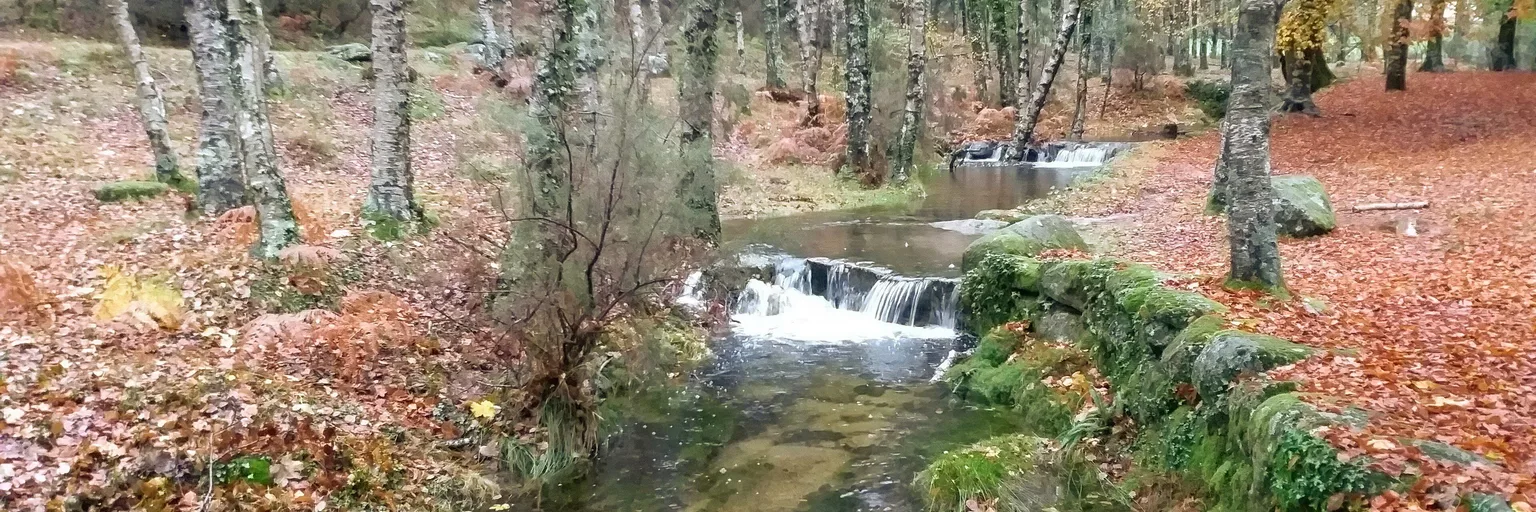
Peneda-Gerês needs rangers and limits, not just a new program
Portugal has approved a special program for its only national park. It will be good news only if it caps visitor pressure and pays for people on the ground, not just promotion.
Bamboo beats concrete: why resilient islands deserve your trip
A Philippine island is fighting floods with bamboo and oyster shells, not cement. Travelers who care about coasts should learn to tell real adaptation from decoration.