Chiricahua's new national park status needs funding, not fanfare
Arizona's 64th national park changes a name, not a landscape. Whether it becomes a gift or a traffic jam depends on what happens before the visitors arrive.
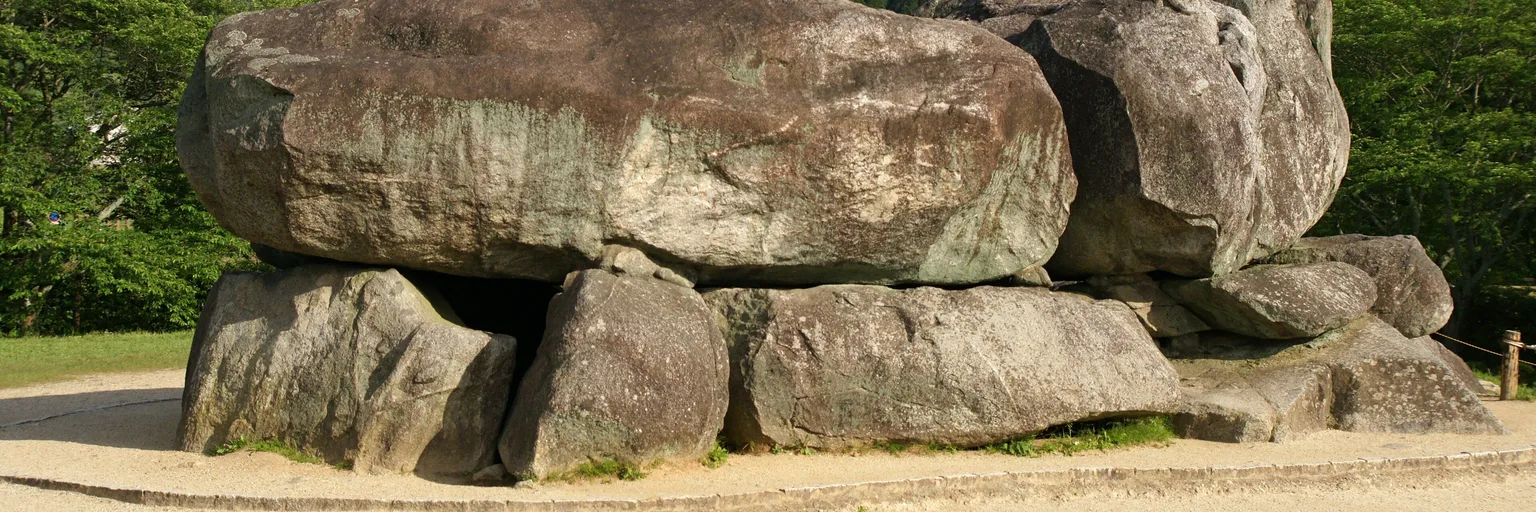
Photo: dconvertini / Wikimedia Commons (CC BY-SA 2.0)
What does a new name do to a place that hasn't changed by a single boulder? Quite a lot, as it turns out. A "National Park" label works like a billboard, and billboards bring traffic.
Chiricahua, in southeastern Arizona, became the 64th US national park on October 20, when Donald Trump signed the law converting the former national monument. As Le Figaro reports, it is Arizona's fourth, after the Grand Canyon, Petrified Forest and Saguaro. The site was already protected, and had been since 1924. Its boundaries and protections stay the same, and the law provides no dedicated funding.
The landscape is the real headline
Forget the number 64. The reason to go is the "Wonderland of Rocks": nearly 49 km² of rhyolite columns and balanced blocks, left by a volcanic eruption some 27 million years ago and carved by erosion since. The National Park Service describes towering rhyolite pinnacles and balanced rocks shaped by volcanic forces. To us, it looks like a stone forest that someone forgot to finish.
It is also an easy place to love. A 13-kilometer paved scenic drive climbs through oak, cypress and pine to the Massai Point viewpoint, with a 360-degree view. For walkers there are about 27 kilometers of trails, and there is a campground at Bonita Canyon, by reservation, under dark skies. In our view, this is the kind of park that suits people who think they don't have the time or fitness for a big national park trip. That is its charm, and it may also be what makes it vulnerable.
A status without a budget is a promise on credit
Here is our concern. According to the National Park Service figures cited by Le Figaro, Chiricahua recorded 70,406 visits in 2025. That is a quiet park. No numerical forecast of increased attendance has been given, and the agency says it will monitor parking, camping and the Massai Point and Echo Canyon areas.
Monitoring is sensible, but it is not a plan. The stated ambition is tourism: put a lesser-known corner of the American West on the map and support the local economy. That is a legitimate goal. But a surge, if it comes, would test exactly the places the agency says it will watch: the parking, the campground and the viewpoint at the end of the scenic drive. Food is not even available inside the park. Dining options are outside it, for example in Willcox, about 60 kilometers away.
We think the likely failure is not dramatic. It is a slow slide: full lots by mid-morning, tired staff, trail erosion, and visitors who leave disappointed. Yosemite, which a video linked from Le Figaro's article describes as overwhelmed by crowds and queues, shows where that road can lead. Chiricahua is nowhere near that, and the smart move is to act while it isn't.
What Arizona and Washington should do now
If the label is to be celebrated, it should come with homework. In our opinion, three things matter most. First, rangers: more staff on the ground at Massai Point and Echo Canyon, where pressure will probably show first. Second, access: clear parking management and a reservation approach for the busiest times, designed before the problem rather than after it. Third, local services: help for Willcox and nearby businesses so that visitors have somewhere to eat and sleep, and the economic promise actually reaches the community. None of this is guaranteed by the law as reported, so it falls to the agency and the state to decide.
Our verdict
Go, but go thoughtfully. Treat Chiricahua as an invitation to slow down, not a checklist item to tick off as number 64. Reserve the campground, bring your own food and water, arrive early or stay late for the light on the rocks, and stay on the trails. The park is at its best now, before the crowds, and the best way to keep it that way is for the people in charge to fund the welcome before the guests arrive.
No topics yet: start the first one.
More stories
UNESCO's 25 new sites are not a checklist: pick the ones built for visitors
A fresh World Heritage batch tempts us to chase every new badge. We think the smarter trip goes to sites that already know how to host visitors, and waits on the rest.
Cuenca at 30: the best way to celebrate is to stay the night
Cuenca's UNESCO anniversary is a nudge to swap the rushed day trip from Madrid for a slower overnight stay, and to treat the old town as a place, not a backdrop.
Limone sul Garda should win Borgo dei Borghi, then ask you to visit in winter
A TV beauty title can feed the summer crush or fix it. Limone sul Garda has the climate and the heritage to use it as an invitation to come off-season.
Don't visit cemeteries only on November 1: they're heritage
For one long weekend a year, cemeteries fill with flowers and buses. The rest of the year, they're some of the most honest heritage sites a traveler can enter, if you know how to behave.