Hampi's UNESCO Review Should Make Visitors Want Limits
A UNESCO-ICOMOS mission is reviewing Hampi's conservation, tourism infrastructure and master plans. Travelers who love ruins should cheer for caps, not just easier access.
Photo: Ms Sarah Welch / Wikimedia Commons (CC0)
Do you really want Hampi to be easy? It's a fair question for anyone who has put the ruined capital of Vijayanagar on a wish list. The easier a fragile place becomes, the faster it stops being the place you wanted to see.
The news is simple. As The Times of India reports, a UNESCO-ICOMOS mission is inspecting the Hampi World Heritage site until October 27. It is reviewing conservation, tourism infrastructure and master plans.
That list is the story. The mission isn't only looking at stones. It is also looking at tourism infrastructure and the plans that govern the site, and we read that as a question about whether the systems around the stones are doing their job. We think this is the most useful kind of review a popular destination can get.
Hampi has been here before, and the lesson was about infrastructure
The documentation gives us a sobering precedent. According to an ICOMOS heritage-at-risk report, the World Heritage Committee declared Hampi a World Heritage in Danger site in 1999. The trigger was two large two-way bridges for vehicular traffic and a second footbridge within the protected areas. The Committee said they dominated the natural environment and rural setting and threatened the site's integrity.
The Committee was told the construction had been halted, yet the same report notes that a UNESCO team visiting in February 2000 found work going on "in full swing". Later, a Karnataka taskforce recommended relocating the bridges, and the report says about 150 encroachments were removed near several temples.
We read this as a warning about what "improving access" can mean. The threat to Hampi has historically been convenience built too big, too close and too fast. A review that puts tourism infrastructure on the same agenda as conservation is, in our view, the right instinct.
Firm limits are a gift to the visitor
The site is huge. The same report puts the remains across roughly 25 km² and counts fifty-six protected monuments, with palaces, temples, pavilions and bazaars spread among modern villages. Hampi isn't a single gate and a single queue. Its appeal is wandering, and wandering needs space.
That is why we'd argue travelers should want strict limits. Caps, zoning, controlled vehicle access and well-sited facilities may sound like restrictions. In practice they are what keep a landscape of temples and boulders from turning into a car park with ruins. We can't say what the mission will recommend, and the documentation doesn't say. But we'd be wary of anyone who treats limits on visitors as an obstacle to tourism instead of its insurance policy.
There is a wider context. ICOMOS notes that 86% of World Heritage properties across 147 States Parties have experienced management issues and are supported through Reactive Monitoring. The documentation doesn't say whether Hampi's mission falls under that process, but the broader picture is clear: management problems at heritage sites are the norm, not an exotic punishment. In our view, a review like this is a sign the site is being watched.
What visitors should actually do
First, treat the review as a reason to be interested, not alarmed. Missions like this are about plans, and we think master plans only protect a site if they are enforced.
Second, accept friction. If rules on vehicles, routes or numbers tighten, that is probably the price of the quiet you came for. We wouldn't plan a trip around hoping for looser rules.
Third, check current conditions before you go. The documentation doesn't give us visiting rules, schedules or fees, so we won't guess at them. Local authorities and the official heritage channels are where those details belong.
Our verdict: Hampi doesn't need to become easier to consume. It needs to stay possible to understand. If the mission pushes the site toward firmer limits and tighter master plans, visitors lose a little convenience and gain a ruined capital that is still worth the journey. That's a good trade, and one we should be willing to make.
No topics yet: start the first one.
More stories
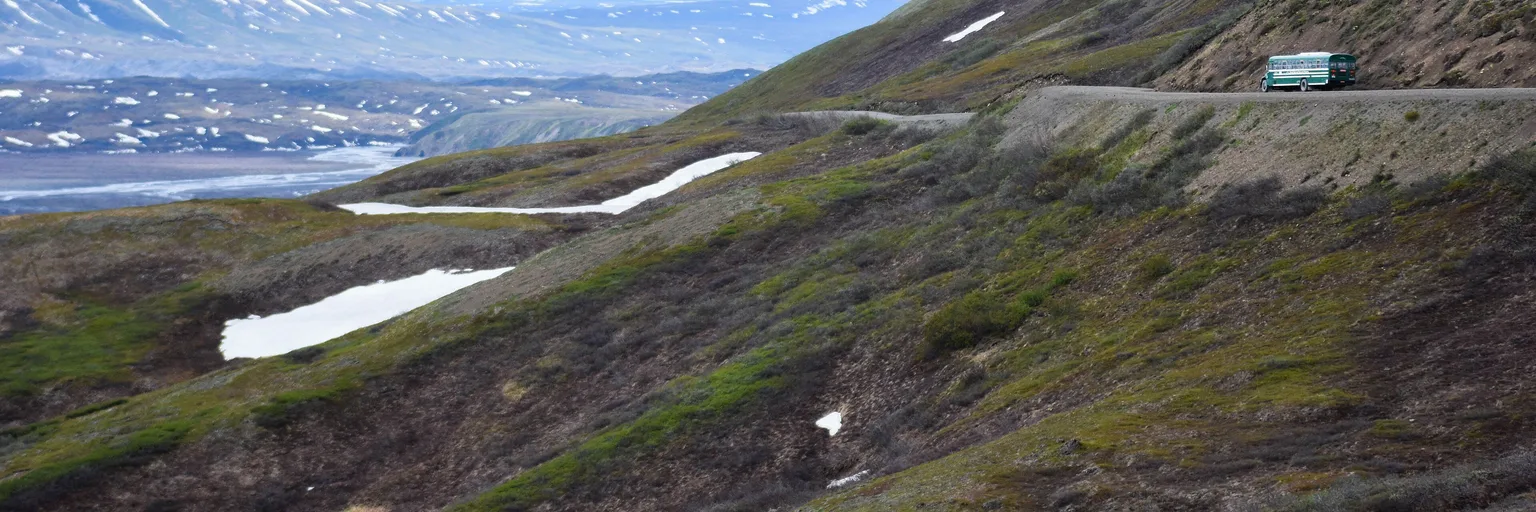
Denali's 160-vehicle cap isn't new, and that's why it works
The rule taking effect November 16 mostly writes down a limit Denali has lived with for years. The real risk for 2027 is a scramble for seats, not too many cars.
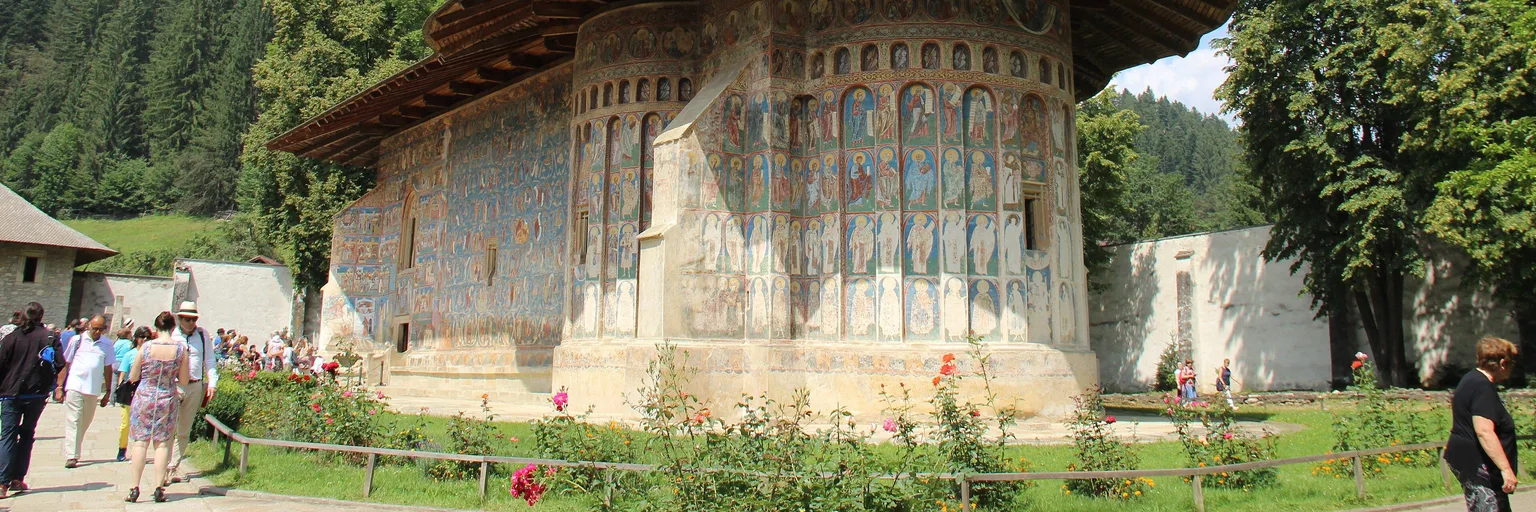
Bucovina is Time Out's most underrated place. Let's keep it that way
Topping a list of underrated destinations is a blessing and a curse. Bucovina deserves the crown, but the best way to honor it is to arrive slowly and spend locally.
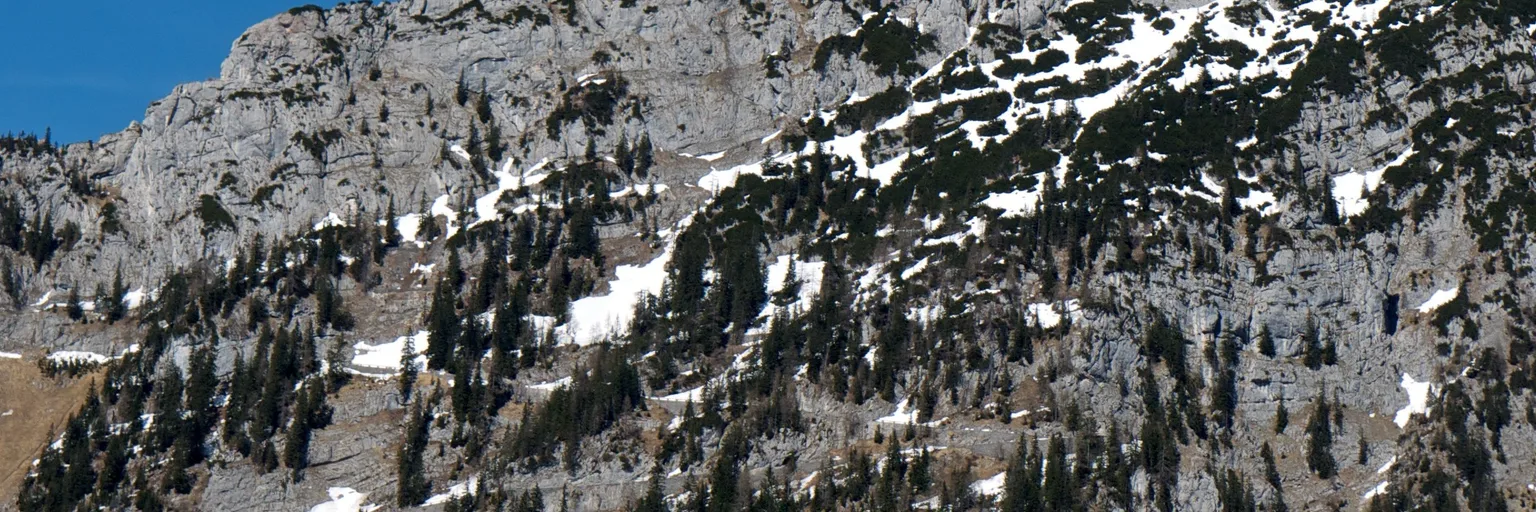
The Eagle's Nest fire is a warning for dark-heritage travel
A blaze at the Kehlsteinhaus shows how fragile and contested dark-heritage sites are. Go for the history, not the shock, and demand that Berchtesgaden is clear about it.
Maya Ka'an's NatGeo nod is a test for community tourism, not a trophy
National Geographic's 2027 listing could make Maya Ka'an the Mexican Caribbean's best alternative to resort sprawl, but only if the communities keep control of the story and the money.