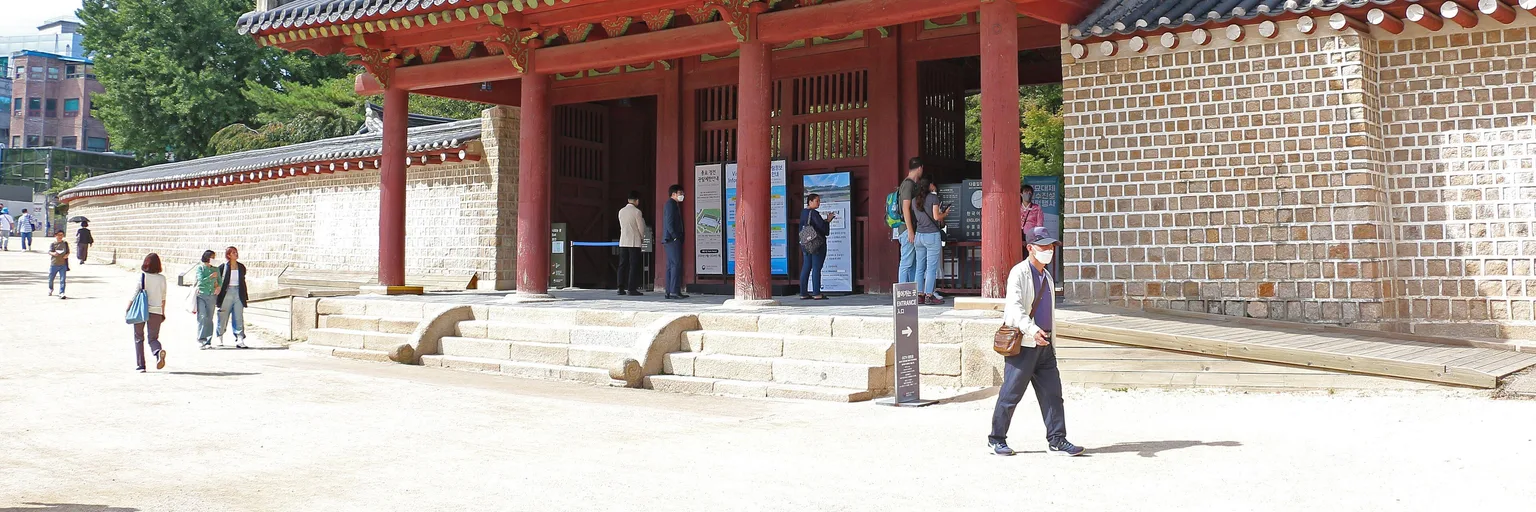
The Eagle's Nest fire is a warning for dark-heritage travel
A blaze at the Kehlsteinhaus shows how fragile and contested dark-heritage sites are. Go for the history, not the shock, and demand that Berchtesgaden is clear about it.
Photo: Sixlocal / Wikimedia Commons (CC BY-SA 3.0)
What do we actually want from a mountaintop that Nazi leaders once used for parties? A postcard view, a thrill, or a lesson? The fire that tore through the Kehlsteinhaus, known in the US as the Eagle's Nest, forces the question on everyone who has ever put it on a Bavaria itinerary.
The facts are still moving. According to BGLand24, the alarm came on the evening of Friday, October 23, and firefighters found a building in full blaze at 1,834 meters. Around 200 emergency workers were still on the scene on Saturday morning, and police believe nobody was hurt. A suspect was provisionally arrested near the site. Whether that person is responsible is still under investigation, and we shouldn't treat it as settled. The same report says the site was due to stay open until November 8, so the season has ended abruptly.
Dark heritage is fragile precisely because it is contested
Most monuments are protected by consensus. This one never had it. The building survived the war: the site's own history page says Allied bombs missed it and it was never blown up, so it remains largely in its original form. That survival is, in our view, the main reason people visit, and also the reason it attracts strong feelings. The history page reproduces an excerpt from Florian Beierl's book on the Kehlstein that makes a similar point. It says postwar legends and the house's use as a motif in popular US war films have given it a prominence it may not deserve, but which can still provoke.
We would not guess at a motive here, because none has been established. But we can say that a place like this is always exposed. It is loved by some for the wrong reasons and resented by others for understandable ones. Nobody should be surprised that it is vulnerable, and nobody should pretend that rebuilding or not rebuilding is a neutral decision.
The view is not the point, and the operators know it
The place is easy to sell as a scenic outing, and that is its risk. Busplaner describes the 1938 elevator cabin, still original, with Venetian mirrors, polished brass and green leather, and presents the journey up as an experience in its own right. All true, and all dangerously close to glamor. The history page offers the counterweight. The Beierl excerpt it carries describes the house as part of an idyllic backdrop that disguised the horror of those years, and says that today it offers a chance for remembrance and education. The page itself also corrects a popular myth: the house was not a gift for Hitler's 50th birthday in 1939, and he visited extremely rarely.
That correction is the best argument for visiting with your head switched on. According to the same excerpt, no decision of Hitler's was taken on the Kehlstein. The house stands for the regime's delusion and for the Obersalzberg below, where plans for war and mass murder were forged. If you only go up for the terrace, you have missed the real story, which sits lower down. Busplaner points to the Dokumentation Obersalzberg and its permanent exhibition "Idyll und Verbrechen" for readers who want more depth. In our view that is the stop you should not skip, and it is arguably the more important one.
What Berchtesgaden owes visitors now
It is too early to say what will happen next, and any prediction would be speculation. Still, we think the local authorities face a choice they can't dodge. Whatever is decided about repairs, the message should stay plain. This is a historical site with a critical exhibition, run since 1960 by the Zweckverband Bergerlebnis Berchtesgaden and privately leased as a mountain restaurant. Our recommendation is that any reopening put the interpretation first and the menu second, and say openly what was lost, what was saved and why the place exists.
Visitors have a job too. The fire is a reminder that this isn't a theme park and cannot be treated as a backdrop for jokes or posed selfies. Tourists should wait for official word before planning a trip, since the building's condition and reopening plans are unknown. When it does open again, book transport as advised, spend more time at the documentation center than on the terrace, and leave knowing something you didn't know on the way up.
Our verdict: go to understand, not to be shocked, and expect Berchtesgaden to make that easy. A place that survived the war only to burn in peacetime deserves visitors who take its story seriously.
No topics yet: start the first one.
More stories
Maya Ka'an's NatGeo nod is a test for community tourism, not a trophy
National Geographic's 2027 listing could make Maya Ka'an the Mexican Caribbean's best alternative to resort sprawl, but only if the communities keep control of the story and the money.

Vietnam's Aussie boom proves it's mainstream. Now it must stay distinctive
Australians are choosing Vietnam faster than any other major destination. That's a sign of maturity, and the real challenge is keeping its character while the crowds arrive.
Machu Picchu's dip is a chance, not a crisis, if Peru spreads visitors wisely
Fewer people at Machu Picchu is the best chance Peru has had in years to spread tourism across the country, provided it doesn't just rebuild the same crowds elsewhere.
Seoul should choose Jongmyo: a height cap shows how fragile a UNESCO view is
A 145-meter cap 180 meters from Jongmyo's gate shows that World Heritage status depends on a city's will to guard its sightlines. Travelers should notice, and Seoul should choose the shrine.