UNESCO Sites: Can We Love Them Without Destroying Them?
The immense draw of UNESCO World Heritage Sites, a magnet for global tourism, presents a paradox: their popularity clashes with the urgent need for long-term preservation, demanding creative strategies for sustainable engagement.
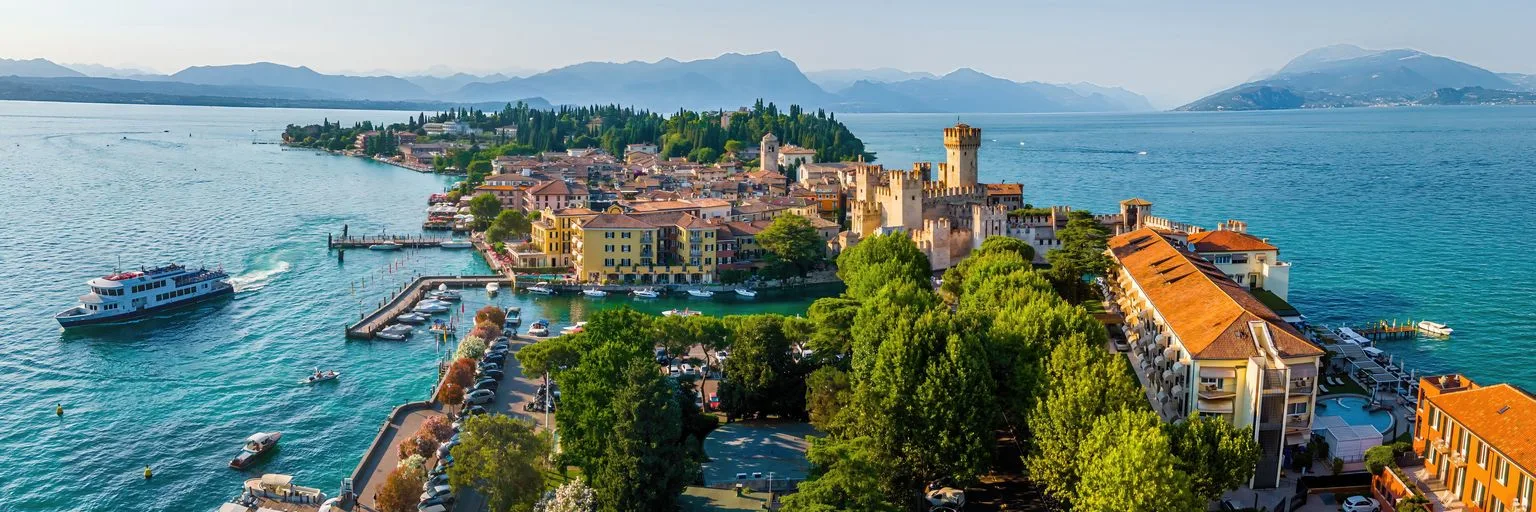
AI-generated image
Are we loving our planet's most precious places to death? The question looms large over UNESCO World Heritage Sites, which, by their very designation, invite global admiration and travel. While the prestigious UNESCO label undeniably boosts tourism and local economies, it also creates an inherent tension between welcoming visitors and safeguarding the integrity of these irreplaceable cultural and natural treasures.
The world's attention is constantly drawn to these sites, including those facing challenges in conflict zones like Syria, where ancient sites like Palmyra have suffered significant damage [7]. Yet, this spotlight also illuminates the increasing pressures they face, demanding a nuanced approach to how we manage and experience them.
The Double-Edged Sword of Popularity
The economic boost that comes with UNESCO recognition is significant. Research indicates that each additional UNESCO site can lead to a 0.22% rise in tourist numbers in the EU-27 nations [6], generating substantial economic benefits for local communities. This influx of visitors can provide crucial funding for conservation, creating what appears to be a positive cycle. It is evident that the designation often boosts tourism, drawing visitors from around the globe and generating significant economic benefits for local communities [7]. The continuous addition of new sites by UNESCO, such as the 25 sites recognized recently for their Outstanding Universal Value [11], speaks to the perceived value of such recognition.
However, this popularity isn't without its costs. Overtourism has become a primary challenge for sites in regions like Latin America and the Caribbean [7]. Venice, a World Heritage Site since 1987, is a stark example, battling both natural processes and human-induced factors that threaten its structural and cultural heritage [7]. It's a sobering reminder that unchecked access can undermine the very qualities that make a site worth visiting.
Safeguarding Heritage in a Shifting Landscape
Beyond the sheer volume of visitors, UNESCO World Heritage Sites contend with a litany of threats, many intensified by human activity and a changing climate. Climate change, with its rising temperatures, sea levels, and extreme weather, directly impacts numerous sites, particularly natural ones like the Great Barrier Reef, which has lost approximately half its coral cover since 1995 due to bleaching events [7]. The Galápagos Islands also face significant challenges from invasive species, overfishing, and ocean acidification, threatening their unique ecosystems [7].
Human development and urbanization pose the greatest risks to historical sites in Asia, while armed conflict and a lack of local resources plague the Middle East and North Africa [7]. UNESCO's commitment to reconstruction and recovery in post-conflict and post-disaster areas is critical, as the organization has launched initiatives for sites heavily damaged by conflict or disaster [13], ensuring they can continue to tell their stories for future generations.
Towards a Future of Sustainable Engagement
Recognizing these immense challenges, the path forward must prioritize sustainable tourism—a model that seeks to generate tourist value based on heritage while supporting sustainable development [1]. This isn't merely about limiting numbers, but about enriching the visitor experience, fostering local economies, and empowering communities to be custodians of their heritage.
While specific innovative projects for sustainable engagement vary by site, the core principle is that tourism can play a positive role in securing the future of many World Heritage sites in a changing climate [2]. This suggests a shift towards thoughtful integration of visitor experiences that support conservation and local development. This approach fosters deeper appreciation rather than just superficial visits. Community-led initiatives for restoration are crucial, underscoring the importance of ensuring that local stakeholders are central to preservation efforts.
In our view, the future of UNESCO World Heritage Sites lies not in closing them off, but in intelligently managing access and experience. It demands investment in local infrastructure, strict adherence to conservation principles, and creative programs that allow visitors to connect with these sites in a way that respects their outstanding universal value. The collective responsibility of travelers, local communities, and international bodies like UNESCO is paramount to ensure that these irreplaceable treasures endure, offering inspiration and education for centuries to come.
No topics yet: start the first one.
More stories
Vietnam's Tourism Triumphs: Experience Over Expediency
As Chinese visitor numbers stabilize, Vietnam is shrewdly pivoting towards high-quality, immersive experiences and robust infrastructure to secure its place as a top-tier Southeast Asian destination.
China's Grand Canyon Bridge: A Blueprint for Redefining Travel
New infrastructure projects are turning China's most remote regions into compelling tourist destinations, offering unique experiences while also presenting a critical test for sustainable development.

San Miguel de Allende: The Blueprint for Modern Travel
San Miguel de Allende's repeated global recognition proves that a deep embrace of cultural heritage and authentic experiences is what truly resonates with today's discerning travelers, offering a model for other destinations.
Lake Garda's Crowded Views: How Overtourism Threatens Its Soul
While Lake Garda's stunning vistas remain a draw, a boom in visitor numbers and ambitious new projects are fueling an urgent debate over environmental protection and the future of local life.