Lake Garda's Crowded Views: How Overtourism Threatens Its Soul
While Lake Garda's stunning vistas remain a draw, a boom in visitor numbers and ambitious new projects are fueling an urgent debate over environmental protection and the future of local life.
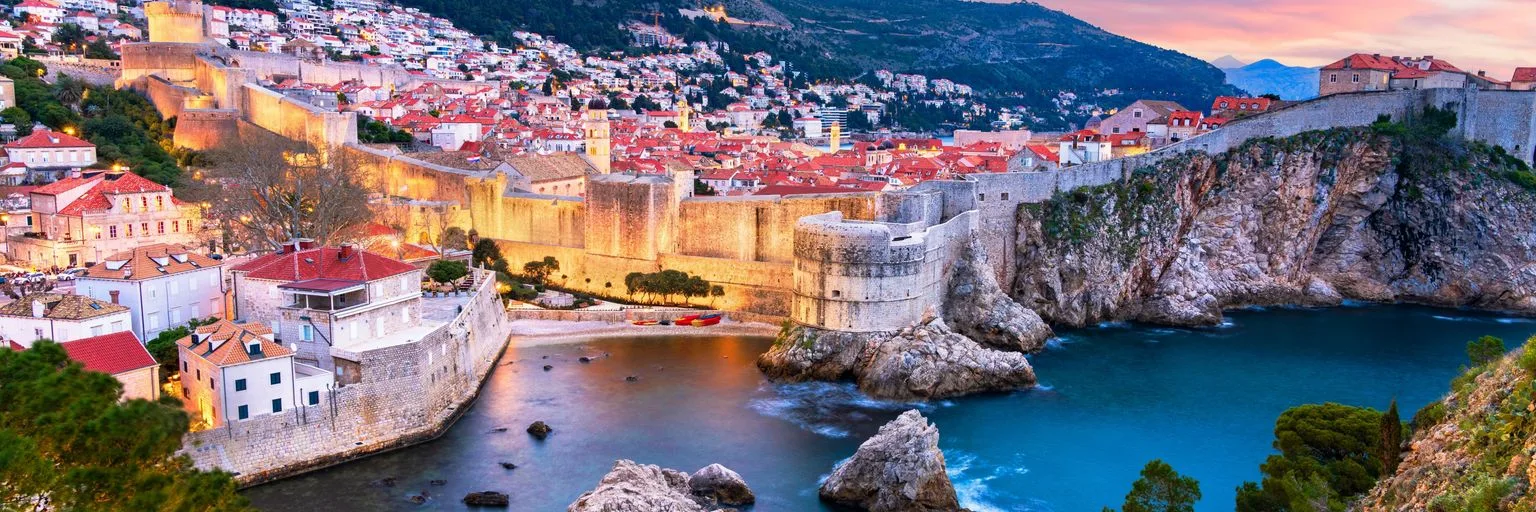
Photo: Sirmione en el lago de Garda, Italia
Lake Garda, a jewel nestled among the Alps, is famed for its breathtaking panoramic views, from the historic battlements of Monte Creino to the vertiginous platform of the Thrill Terrace. Yet, beneath the postcard-perfect surface, a significant question looms: Is this iconic destination nearing a breaking point as tourism swells, threatening the very natural wonders that draw millions each year?
This tension is acutely felt across the region, where the allure of spectacular views clashes with the urgent need for environmental conservation and the preservation of authentic regional identity. The sheer volume of visitors has sparked widespread debate, revealing the global struggle to balance a booming tourism economy with the sustainability of its precious landscapes.
The Unchecked Ambition of Growth
Lake Garda's appeal is undeniable, drawing crowds eager to experience its beauty. Popular spots like Monte Creino, described as a "spectacular terrace overlooking Lago di Garda" by Garda Trentino, offer panoramic trekking opportunities that combine history and nature. Similarly, the Thrill Terrace in Tremosine sul Garda, suspended over 350 meters above the lake at Hotel Paradiso, provides a unique 360-degree view, making it a must-see destination.
However, this popularity comes at a steep cost. In 2023 alone, tourist overnight stays reached 25 million across all shores of the lake, representing an average growth of around 30% between 2014 and 2023, according to ISTAT data. These figures, already immense, don't even account for the rapidly growing short-term rentals on platforms like Airbnb, suggesting the true impact is far greater. This unchecked growth fuels an urgent ecological issue, where the "grey of construction has increasingly taken space from green nature" between 2018 and 2023, as highlighted by the "Green to Grey" investigation.
New projects further underscore this ambition, often without adequately addressing the existing strains. For instance, the proposed "Cinema del Garda" project at Monte Creino has already sparked protest from environmental groups, who warn of turning nature into an "Altogardaland," as reported by Merkur.de. Such developments risk sacrificing the very natural character that makes Lake Garda so special in the first place.
The Erosion of Local Life and Environment
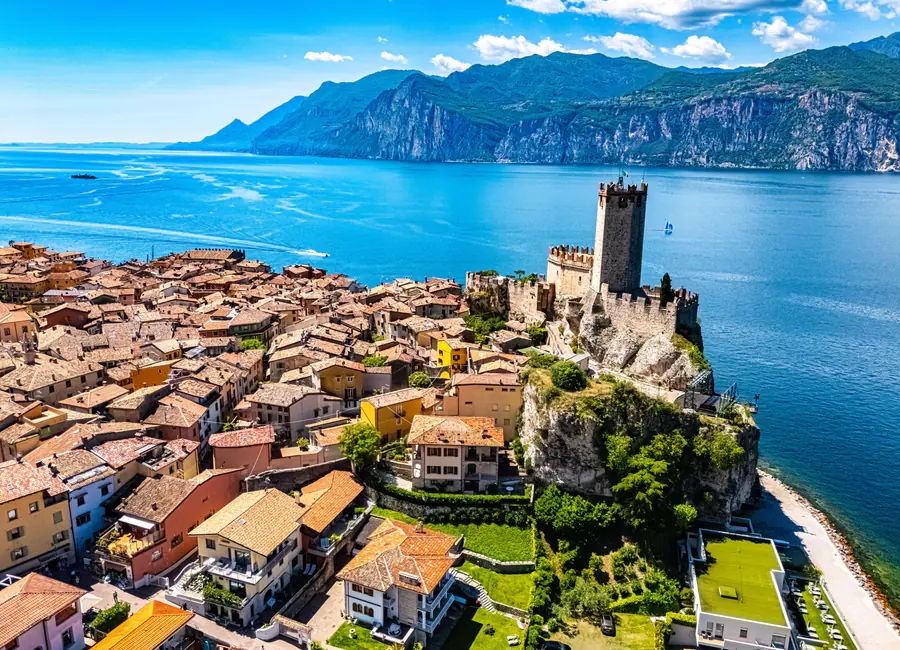
Overtourism on Lake Garda extends beyond environmental degradation to deeply impact the quality of life for its residents. Towns like Sirmione, with only 300 inhabitants in its historic center, become so "packed with visitors in summer that it is even difficult to walk around the town," as noted by the Green European Journal. Desenzano del Garda, a town of 30,000, faces similar issues, with housing prices soaring to 14 euros per square meter and hundreds of apartments listed for short-term rent, even in the low season. This drives up living costs, making it difficult for younger generations to stay in their communities.
The increasing human presence also puts immense pressure on the natural ecosystem. With few protected areas, Lake Garda lacks the robust mechanisms needed for careful conservation. Only a slight stretch on the Venetian shore and a more extensive area within the Alto Garda Bresciano Park offer some legal protection. This vulnerability highlights why a bold proposal to grant the entire lake legal personality is gaining traction—it might be the only way to foster an integrated approach to safeguarding this complex ecosystem.
A Call for Sustainable Horizons
Residents and environmental groups are actively fighting back. In Desenzano, the Collettivo Gardesano Autonomo, formed in 2014, campaigns against excessive tourism, advocating for the right to housing and ecological protection. They have launched petitions to regulate short-term rentals, drawing inspiration from similar movements across Southern Europe battling the "touristification" of their cities. These grassroots efforts underscore a vital truth: the future of Lake Garda depends on a shift from uncontrolled expansion to a more sustainable model of tourism that prioritizes the well-being of both its environment and its people.
We believe that Lake Garda stands at a critical juncture. The allure of its panoramic views, from the easy trails of Monte Creino to the dizzying heights of the Thrill Terrace, must be preserved. But this preservation demands a conscious choice to manage visitor numbers, protect natural spaces, and ensure that the benefits of tourism are shared equitably, rather than diminishing the very soul of this breathtaking destination.
No topics yet: start the first one.
More stories
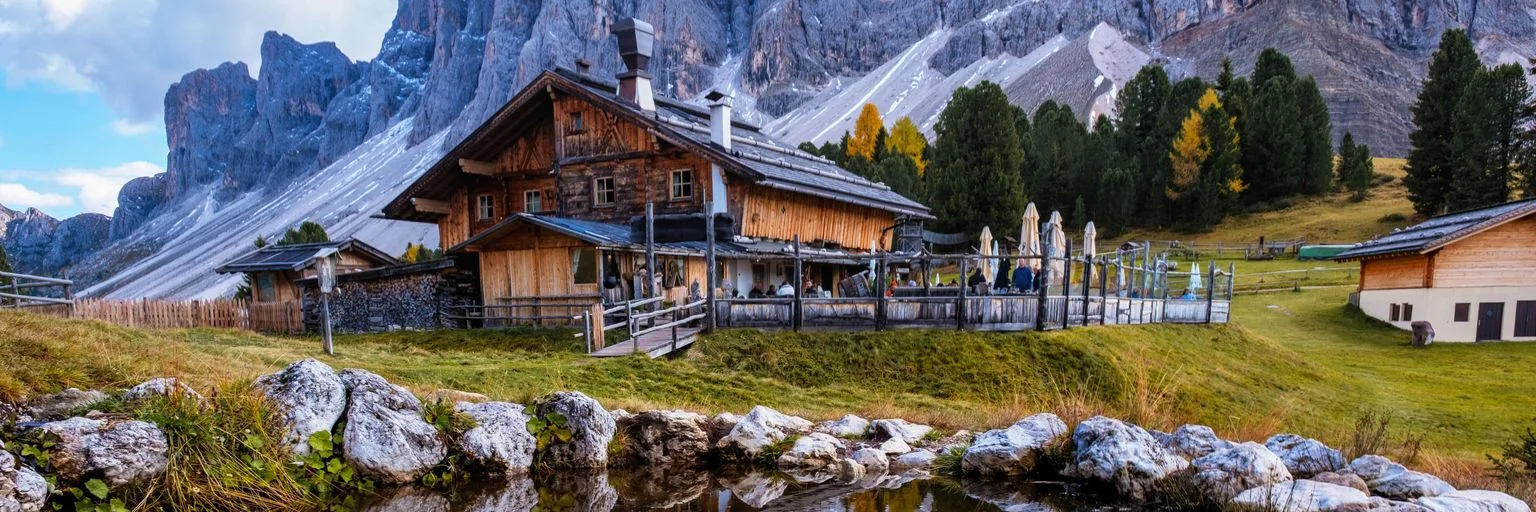
Dolomites Overtourism: Is Social Media Loving it to Death?
The stunning Dolomites, a UNESCO World Heritage site, are grappling with the immense pressure of overtourism, driven largely by social media trends and overwhelming local communities and natural resources.
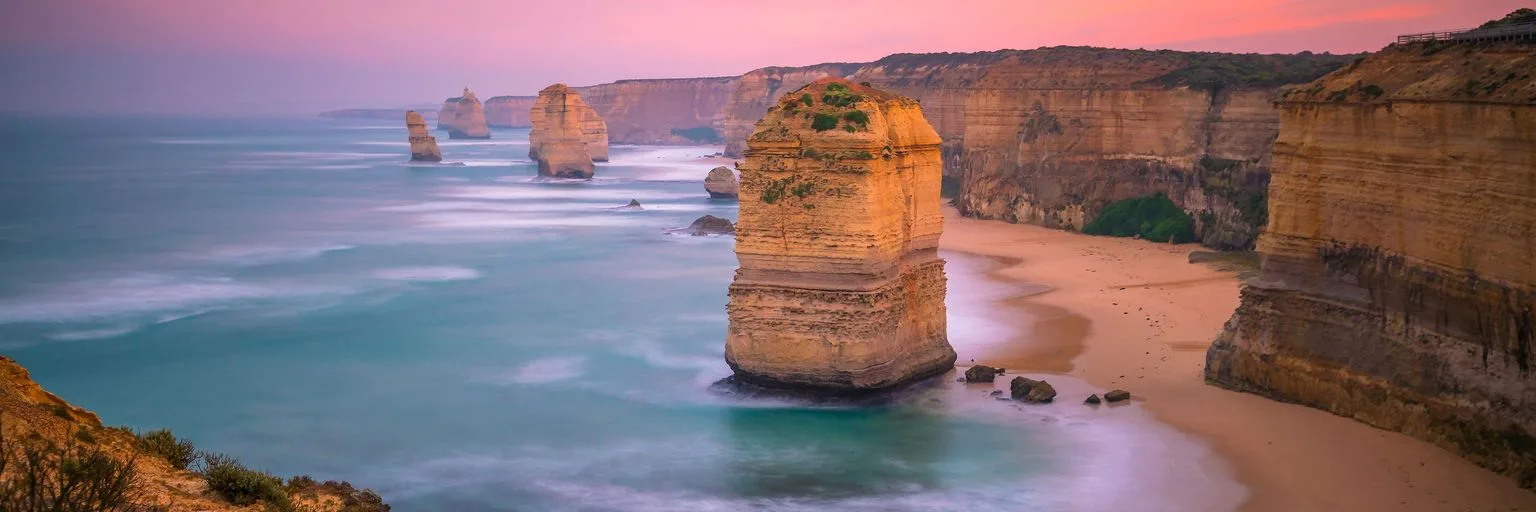
Australia's Twelve Apostles: A High Price for Natural Beauty
Mandatory reservations and fees at Australia's iconic Twelve Apostles highlight the global challenge of balancing tourism revenue with urgent environmental preservation, setting a critical precedent.
Croatia and France: Unexpected Winners in the Shifting Sands of Global Tourism
Recent travel data highlights a significant pivot in tourist preferences, with Croatia drawing robust numbers from French travelers and France re-emerging as a powerhouse in winter sports, signaling a dynamic re-evaluation of classic destinations.
Beyond Postcards: Why 'Lore-Tripping' and Niche Getaways are the Future of Travel
Travelers are increasingly seeking authentic experiences and deeper connections, shifting away from generic set-jetting towards purpose-driven journeys like lore-tripping and Mahjong retreats, proving that the motivation behind our trips is fundamentally changing.