Croatia and France: Unexpected Winners in the Shifting Sands of Global Tourism
Recent travel data highlights a significant pivot in tourist preferences, with Croatia drawing robust numbers from French travelers and France re-emerging as a powerhouse in winter sports, signaling a dynamic re-evaluation of classic destinations.
Are we witnessing a fundamental reset in global travel preferences? Recent data suggests a clear pattern: travelers are diversifying their itineraries, seeking a blend of cultural immersion, active adventure, and perhaps more value-conscious options, even as traditional favorites like France reclaim their dominance in specific niches.
The travel landscape is indeed in flux. Croatia has emerged as a significant draw for French tourists. Simultaneously, Condé Nast Traveler's 2026 Readers' Choice Awards highlight an evolving perception of top global destinations. In winter sports, France has notably reasserted its position as a leading ski destination. These shifts underscore a dynamic market where both established and rising stars are vying for traveler attention.
Croatia's Enduring Allure for European Travelers
Croatia's increasing popularity with French tourists, drawing over 400,000 visitors in eight months according to Tour Hebdo, is a notable highlight. This success is particularly striking as France was 11th in terms of foreign tourists to Croatia in 2025, with 553,000 French tourists recorded, a 9% decrease from the previous year according to the Croatian Tourist Office's data cited by Trésor Économie. Despite this dip in 2025, the initial numbers for 2026 show strong growth again, with over 100,000 French arrivals and nearly 315,000 overnight stays between January and May 2026, as reported by Quotidien du Tourisme.
For us, this signifies Croatia's successful positioning as an attractive European alternative, likely driven by its stunning Adriatic coast, rich historical sites, and the perception of good value. The country's strong summer season and historic August numbers contribute significantly to its overall tourism figures. Tourism is a critical pillar of the Croatian economy, representing about 20-25% of its GDP and nearly 15% of employment, making it one of the EU's most tourism-dependent countries, as detailed by Trésor Économie. This reliance, however, brings challenges such as strong seasonal fluctuations, with over two-thirds of annual tourist nights concentrated in June, July, and August, primarily in coastal regions.
France Reclaims Its Winter Sports Crown
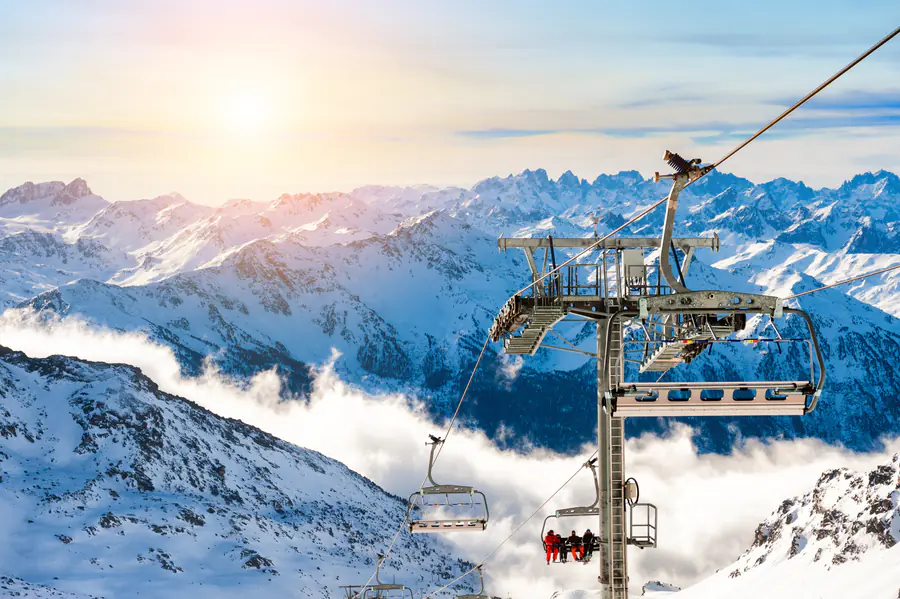
France, a perennial favorite, is once again asserting its dominance in ski tourism. After a strong 2025-2026 season, which saw 56.1 million skier-days, its third-best on record, France has returned to the top of global ski destinations, as reported by Connexion France. This achievement is bolstered by strong snow conditions in the Alps and Pyrénées, with some French resorts receiving up to 16 meters of snow in the 2025/2026 winter, according to SnowTrex.
This resurgence is not just about raw numbers; it reflects France's enduring appeal for winter sports enthusiasts. While destinations like Whistler Blackcomb (Canada), Silver Star Mountain (Canada), and Whiteface Lake Placid (USA) ranked highly in Condé Nast Traveler's 2026 Readers' Choice Awards for best ski resorts, France’s overall infrastructure, vast ski areas, and consistent snowfall position it as a formidable leader. For
No topics yet: start the first one.
More stories
Roque Nublo at night: protecting an icon takes more than outrage
Two tourists climbed Gran Canaria's most famous rock in the dark. The lesson isn't to shame them online, but to enforce clear rules before an accident does it for us.

Venice's day-trip fee could double, and that's fine if it's honest
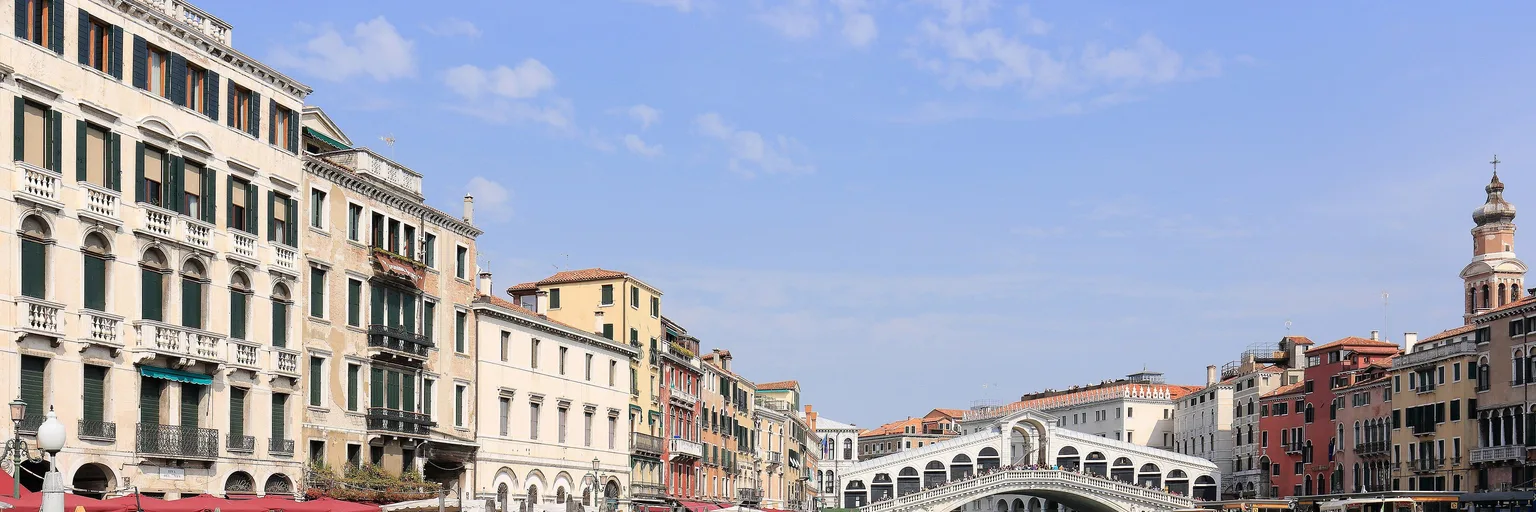
A possible €20 cap for Venice's 2027 access fee isn't the scandal it sounds like. It works only if it is predictable, aimed at peak days and visibly spent on the city.
Trevi's ticket may tame the crowd, but it has to earn the coin toss
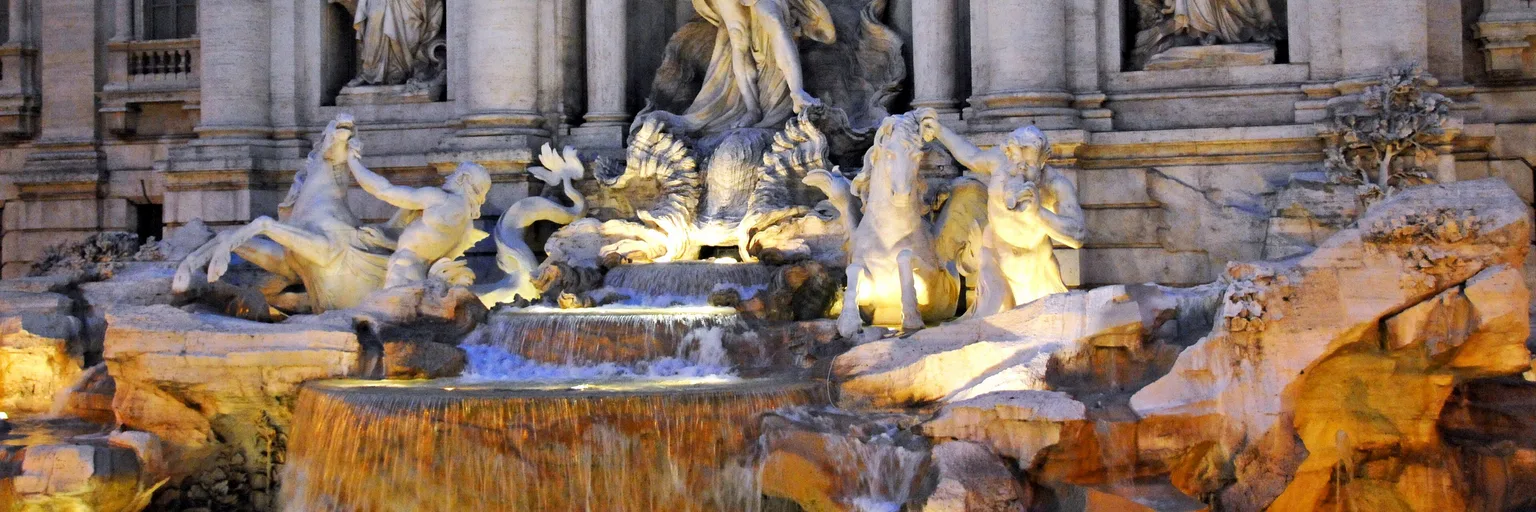
Rome's new fee for Trevi's inner basin looks like a smart crowd tool. Fewer coins for charity suggest it can also cost the ritual itself, so the city owes visitors proof.
Stewart Island's 2027 badge is nice. Go for the quiet instead
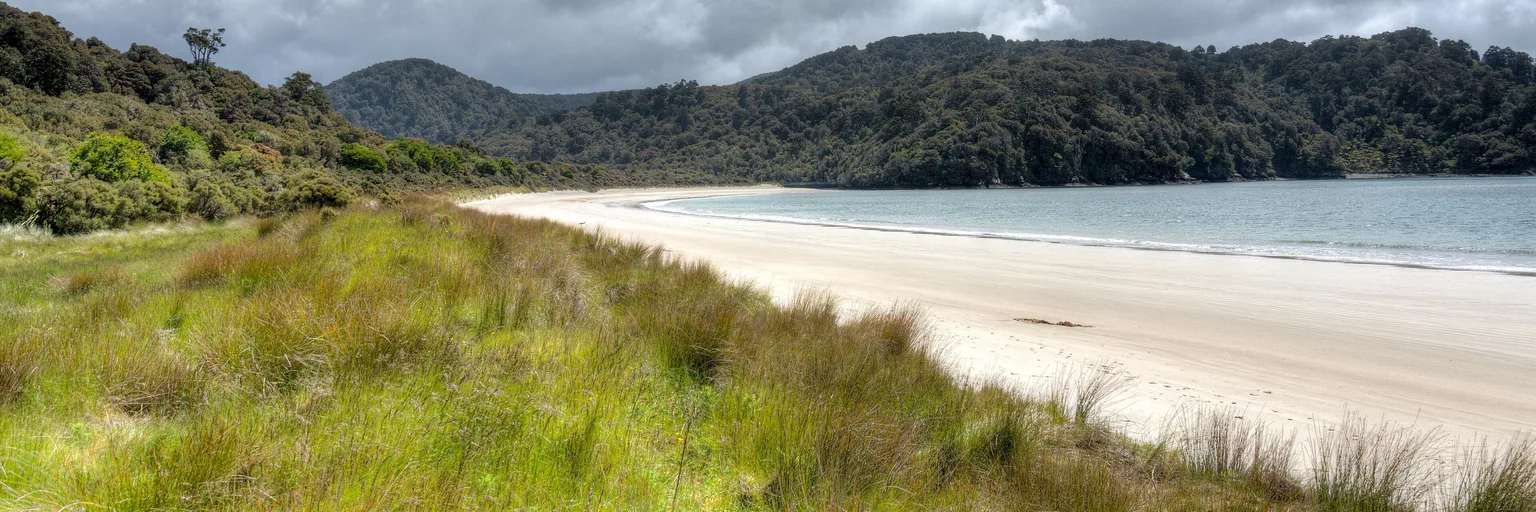
Condé Nast Traveller's 2027 nod could reward slow, small-scale travel in southern New Zealand, but only if the island stays small and the crowds don't arrive.