Australia's Twelve Apostles: A High Price for Natural Beauty
Mandatory reservations and fees at Australia's iconic Twelve Apostles highlight the global challenge of balancing tourism revenue with urgent environmental preservation, setting a critical precedent.
When does the cost of visiting a natural wonder become justified? Australia's recent decision to implement mandatory reservations and future fees for accessing the iconic Twelve Apostles on the Great Ocean Road forces us to confront this question head-on, echoing a global dilemma for heavily visited natural sites.
From October 16, 2026, visitors to the breathtaking limestone stacks will be required to book their entry, a significant shift for a site often experienced as part of a spontaneous road trip along Victoria’s stunning coastline. While visits will remain free until April 2027, the introduction of a fee afterward, likely under $20 and potentially per vehicle, marks a new era for this landmark. This measure, announced by the Victorian government, aims to manage the immense popularity of the Twelve Apostles, which currently draws around 2.2 million visitors annually, with projections rising to 3 million by 2032, according to The Guardian.
The fees will cover parking and access to the impressive new $126 million Twelve Apostles Visitor Centre, a hub designed to enhance the visitor experience within the Port Campbell National Park. Yet, this move is more than just about infrastructure; it's a direct response to the escalating pressures of overtourism.
The Unavoidable Toll of Popularity
The imposition of fees and mandatory bookings isn't merely about generating revenue; it’s a critical attempt to address crowding and protect a fragile environment. Locals along the Great Ocean Road have voiced long-standing concerns about the sheer volume of tourists and its impact, creating congestion and strain on resources. The physical consequences of this unchecked popularity are already evident: nearby sites like Gibson Steps and Loch Ard Gorge have experienced closures due to erosion and the need for repairs, directly influenced by increased foot traffic and infrastructural developments. These visible signs of stress underscore the urgent need for intervention if these natural formations, some standing 45 meters (150 feet) tall, are to be preserved for future generations.
A Global Pattern of Preservation
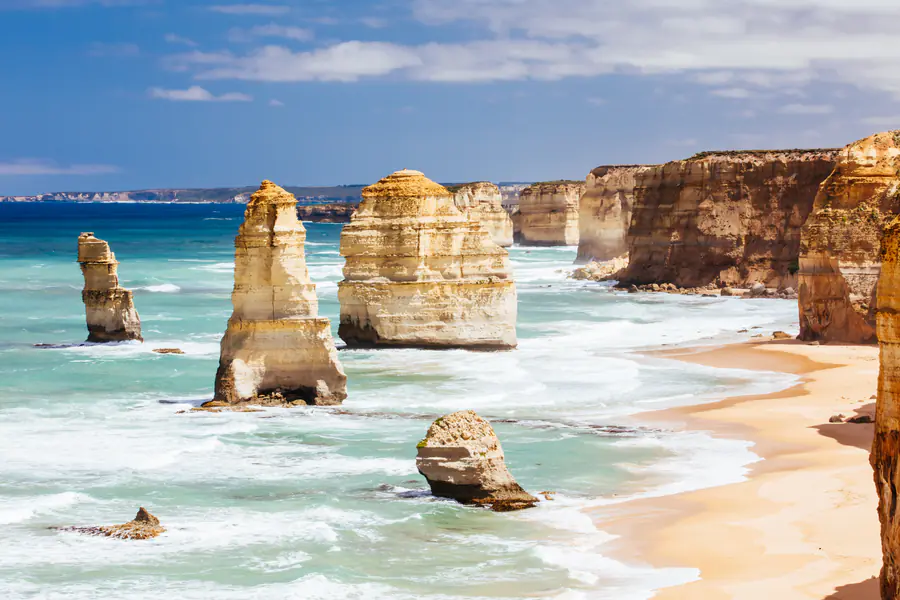
Australia is not alone in grappling with this balancing act. Charging for access to iconic natural sites is a management strategy seen worldwide, though its application varies. In the United States, major national parks like Yosemite and the Grand Canyon operate under various fee structures, with differing rates for residents and international visitors. The UK's Stonehenge, much like the Twelve Apostles, has long charged for close-up views while still allowing distant, free glimpses from public roads, sparking debates about the 'right to a view'.
Within Australia itself, other national parks such as Tasmania's Wineglass Bay and Cradle Mountain, New South Wales' Kosciuszko, and the Northern Territory's Uluṟu-Kata Tjuṯa, also require fees or passes. However, as The Guardian points out, these schemes often differ, sometimes covering an entire park or specific multi-day hikes. For Victoria, specifically charging a fee for viewing an environmental landmark like the Twelve Apostles is a novel step, marking a shift from the state's typical free access to national parks, with charges usually reserved for additional services.
What This Means for the Traveler
For the intrepid traveler planning a trip along the Great Ocean Road, these changes mean a new layer of planning is required. The days of spontaneous stops at the Twelve Apostles are drawing to a close, replaced by a system that demands foresight. While some might lament the loss of spontaneity or the added cost, we view this as a necessary evolution in responsible tourism. It's an investment in the longevity of these incredible landscapes. The alternative — unchecked access leading to irreparable damage — is a far greater cost.
Ultimately, the introduction of mandatory reservations and fees at the Twelve Apostles sets a vital precedent. It reinforces the idea that access to the world's most cherished natural wonders is not an unlimited right but a privilege that comes with a responsibility to contribute to their preservation. For travelers, adapting to these new rules means embracing a more conscious and sustainable approach to exploration, ensuring that the awe-inspiring beauty of places like the Twelve Apostles endures for generations to come.
No topics yet: start the first one.
More stories
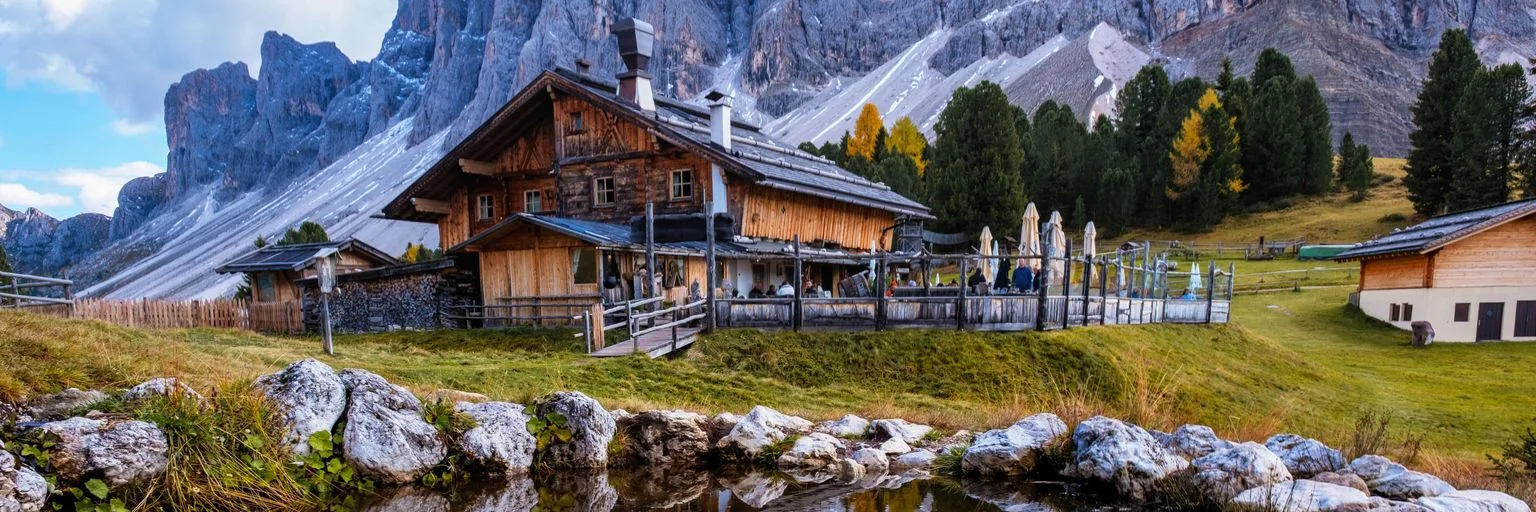
Dolomites Overtourism: Is Social Media Loving it to Death?
The stunning Dolomites, a UNESCO World Heritage site, are grappling with the immense pressure of overtourism, driven largely by social media trends and overwhelming local communities and natural resources.
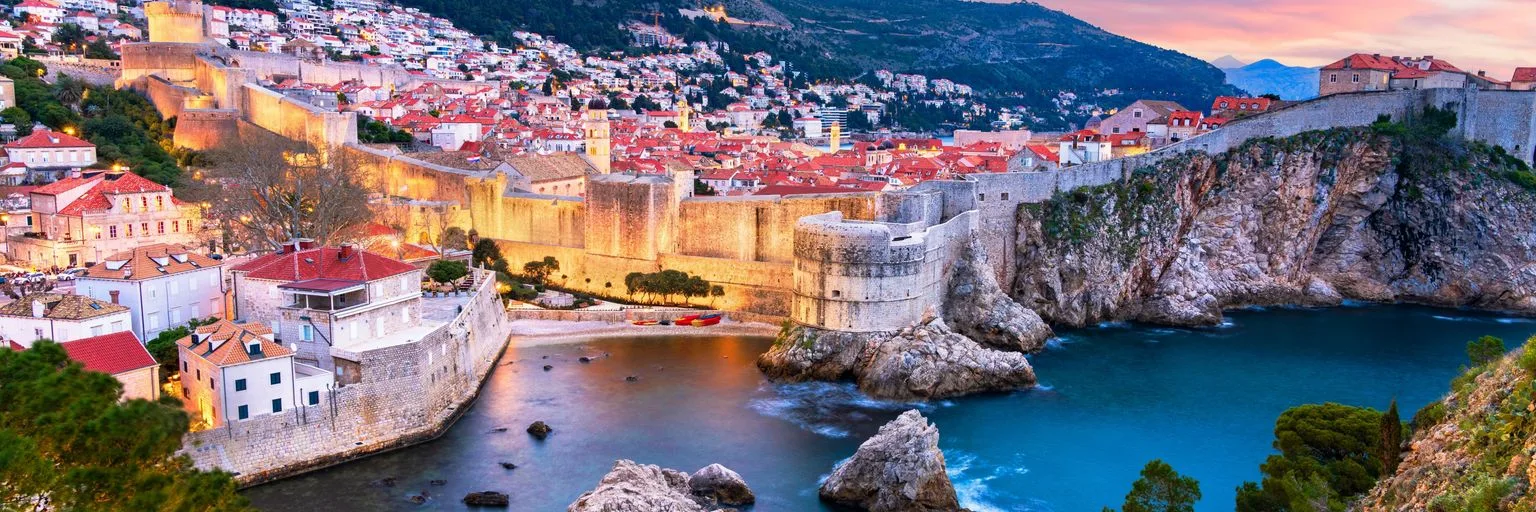
Croatia and France: Unexpected Winners in the Shifting Sands of Global Tourism
Recent travel data highlights a significant pivot in tourist preferences, with Croatia drawing robust numbers from French travelers and France re-emerging as a powerhouse in winter sports, signaling a dynamic re-evaluation of classic destinations.
Beyond Postcards: Why 'Lore-Tripping' and Niche Getaways are the Future of Travel
Travelers are increasingly seeking authentic experiences and deeper connections, shifting away from generic set-jetting towards purpose-driven journeys like lore-tripping and Mahjong retreats, proving that the motivation behind our trips is fundamentally changing.

Why China's 'Reverse Tourism' Holds Lessons for Global Travel
Chinese travelers are rejecting crowded tourist traps for authentic, lesser-known destinations, signaling a global shift towards meaningful, restorative experiences and smarter travel infrastructure.