Why China's 'Reverse Tourism' Holds Lessons for Global Travel
Chinese travelers are rejecting crowded tourist traps for authentic, lesser-known destinations, signaling a global shift towards meaningful, restorative experiences and smarter travel infrastructure.
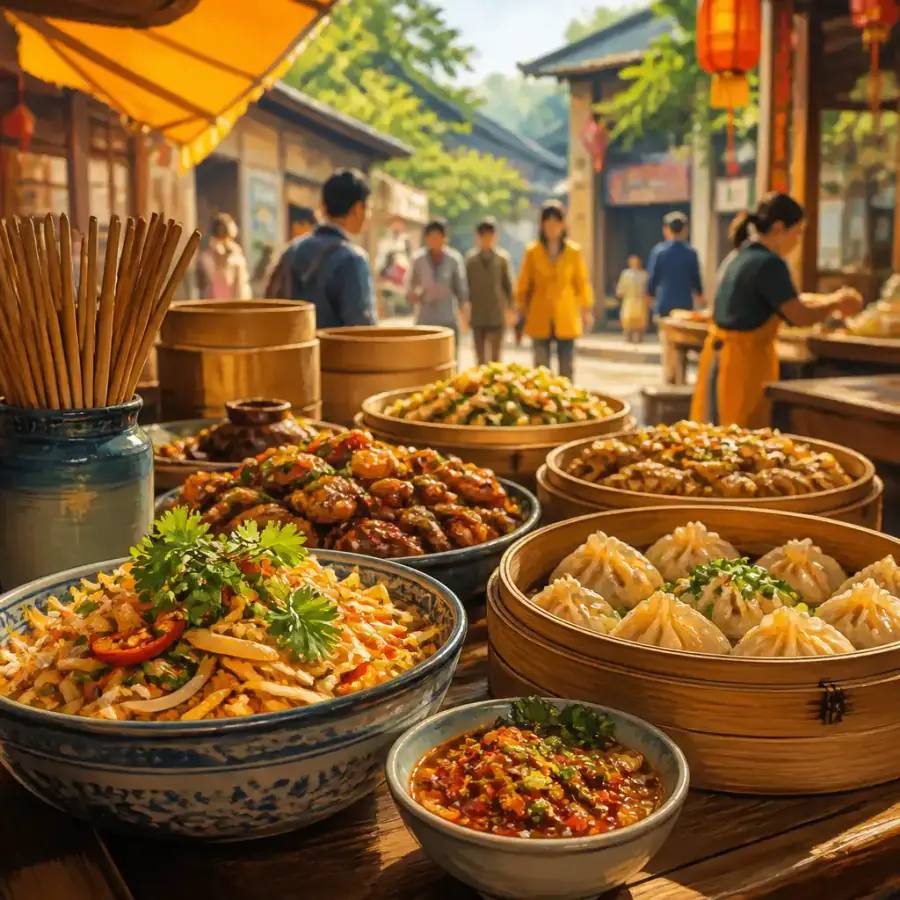
AI-generated image
Are we witnessing the quiet dethroning of traditional tourist hotspots, replaced by a yearning for the authentic and the undiscovered? It certainly appears so. A fascinating phenomenon dubbed 'inverse tourism' is sweeping across China, fundamentally reshaping how its citizens choose to explore their vast homeland. This isn't just a fleeting fad; the preference for smaller, less-known cities marks a significant shift, particularly evident during recent major holidays and anticipated for upcoming ones like the National Day holiday from October 1 to 7.
This trend sees travelers actively bypassing iconic landmarks and bustling metropolises in favor of remote counties, mountain communities, and border towns. These once-overlooked locales, rich in natural landscapes, distinctive local lifestyles, and unique cultural identities, are now attracting throngs of visitors. The core driver isn't merely cheaper expenses, though affordability plays a role; it's a conscious decision to avoid the perennial queues, traffic jams, and inflated prices that often accompany established destinations, in pursuit of something more meaningful and restorative.
The Quest for Authentic Experiences
The allure of 'inverse tourism' lies in its promise of an escape from the mundane and the overly commercialized. Travelers, particularly younger generations, are seeking a deeper connection with the places they visit. As China Daily reports, tourists are prioritizing quality accommodation, local gastronomy, and authentic, hands-on experiences over superficial sightseeing. We see this in the shift described by local media professional Wang Zifan, who, according to The World of Chinese, now shuns Nanjing's crowded pigeon-filled spots for the tranquil seagulls of Weihai, Shandong province, simply to observe local life. This desire for an unhurried pace and immersion in unique cultural settings is a powerful draw, reflecting a broader societal need to recover from the stresses of modern work and life.
Indeed, the focus has moved beyond mere sightseeing to the emotional value and sense of restoration that travel provides. Small-group tours, sporting events, and music festivals are gaining traction, often centered around accessible, picturesque spots rather than arduous climbs. This suggests a more mindful approach to travel, where the journey itself, and the feeling it evokes, are paramount. It's a clear signal that the experiential economy is firmly rooted in China's domestic tourism landscape, offering a blueprint for other nations grappling with overtourism.
Infrastructure as an Enabler
This transformative shift wouldn't be possible without significant advancements in China's transportation infrastructure. Improved networks, readily available car rental services, and advanced GPS systems have effectively shrunk the country, making once-remote areas highly accessible. This expansion redefines spatial distribution, allowing travelers to combine multiple neighboring counties, mountains, and cultural corridors into a single, comprehensive travel route, rather than focusing on isolated scenic spots.
The increasing supply of accommodation in rural areas further supports this trend, turning previously unconsidered destinations into viable holiday options. This infrastructural backbone is not just about getting people from A to B; it's about enabling a new mode of exploration, empowering travelers to craft itineraries that cater to their desire for authenticity and a slower pace. The 'two-hour Chongqing travel circle,' for example, has significantly boosted tourism in places like Wulong, Pengshui, and Youyang, demonstrating how regional coordination and smart infrastructure can unlock previously untapped potential. This proactive development of connectivity outside major hubs is a vital lesson for destinations globally aiming to decentralize tourism.
The Pitfalls of Popularity and the Path Forward
While 'inverse tourism' offers immense promise, its growing popularity also exposes challenges. The very act of discovering a 'hidden gem' can, ironically, lead to its over-commercialization and loss of authenticity. As The World of Chinese notes, formerly hidden spots revealed on social media can quickly become overwhelmed, straining limited public transport, accommodation, and entertainment facilities. There are also complaints of cultural homogenization, where too many counties copy each other, eroding the unique charm visitors seek.
For 'inverse tourism' to evolve sustainably, destinations must move beyond short-term viral fame. As iChongqing suggests, this requires transforming online buzz into enduring brand value through industry integration – connecting tourism to agriculture, culture, and technology. It means shifting from a 'destination economy' to a 'scene economy' that emphasizes storytelling and emotional connection, and from passive viewing to active participation via heritage workshops and immersive experiences. Ultimately, the success of this trend hinges on local authorities and market players prioritizing quality services, preserving authentic local culture, and fostering sustainable growth over immediate profit. This balancing act is not unique to China, but its rapid adoption of 'reverse tourism' highlights universal lessons for the future of global travel.
No topics yet: start the first one.
More stories
Tenerife's Fashion Leap: More Than Just a Beach Destination
Tenerife Fashion Beach Costa Adeje is rewriting the island's tourism narrative by seamlessly blending high fashion, environmental responsibility, and unique travel experiences.

Fall Is the New Frontier for Smarter Travel: Why Europe Shines
As travelers increasingly prioritize unique experiences and solitude, autumn 2026 is signaling a shift from traditional crowded hotspots to diverse, less-expected destinations that promise adventure without the peak-season rush.

Billionaire Escapes: Are Cooler Climates the New Gold Standard of Luxury?
A new report on ultra-luxury destinations reveals an intriguing shift from sun-drenched beaches to more remote, cooler locales, signaling a changing definition of exclusivity for the world's wealthiest travelers.

The 'Invisible' Threat: Why California's Kelvin Wave Matters
An upcoming Kelvin wave, fueled by El Niño, will temporarily raise California's sea levels by up to a foot, exposing critical vulnerabilities and offering a stark preview of future climate challenges for coastal communities.