Tenerife's Fashion Leap: More Than Just a Beach Destination
Tenerife Fashion Beach Costa Adeje is rewriting the island's tourism narrative by seamlessly blending high fashion, environmental responsibility, and unique travel experiences.
Photo: Aleksandar Todorovic / Shutterstock.com
Is a sun-soaked coastline and pristine beaches still enough to define a top-tier travel destination? In an evolving world where travelers seek deeper connections and richer experiences, Tenerife is proving that an island can offer much more than its traditional image. Through initiatives like the Tenerife Fashion Beach Costa Adeje (TFBCA), the island is skillfully weaving together the threads of high fashion, rigorous sustainability, and diverse tourism offerings, positioning itself as a truly trending destination.
The TFBCA recently concluded its ninth edition, running from September 21 to 26, 2026, with its grand runway event on September 26 at the scenic Playa del Duque Norte in Adeje. This annual swimwear fashion week, championed by the Cabildo de Tenerife and the Ayuntamiento de Adeje, gathered eleven prominent swimwear and accessory brands from across the Canary Islands, including labels from Tenerife Moda, Gran Canaria Moda Cálida, La Palma Isla Bonita Moda, La Gomera Moda, and Lanzarote Moda. Over 500 attendees enjoyed collections from firms like Arena Negra, Ananas Wear, Waiola, LAVA, Bea de la Rosa, The Knot Company, By Loleiro, Shamelú, Machanga By Yess, Lislo, and Macaronesia. But this event is not merely about showcasing the latest designs; it’s a powerful statement on how local talent, environmental consciousness, and economic development can converge to elevate a destination's global appeal.
Beyond Sun and Sand: A Diversified Allure
Tenerife's traditional allure of endless summer and beautiful beaches is undeniable, but the TFBCA demonstrates a concerted effort to broaden this perception. The event, initiated in 2017, has become a significant platform for promoting and disseminating swimwear, accessories, and entrepreneurial ventures within the Tenerife Moda program. Its goal is to project these businesses internationally, enhancing their commercial and visual standing to new levels while contributing to the island's economic development, sustainability, and progress. As highlighted by Efraín Medina, the counselor for Employment, Education, and Youth of the Cabildo de Tenerife, the TFBCA proves that "fashion is much more than a creative expression: it is also economic activity, employment, training, and an opportunity for our designers and entrepreneurs to develop their projects from Tenerife and project them abroad." Dimple Melwani, CEO of Turismo de Tenerife, further emphasized how events like this contribute to diversifying the island's tourism offerings and valuing the talent and design generated in the Canary Islands.
The Green Runway: Fashion's Commitment to the Ocean
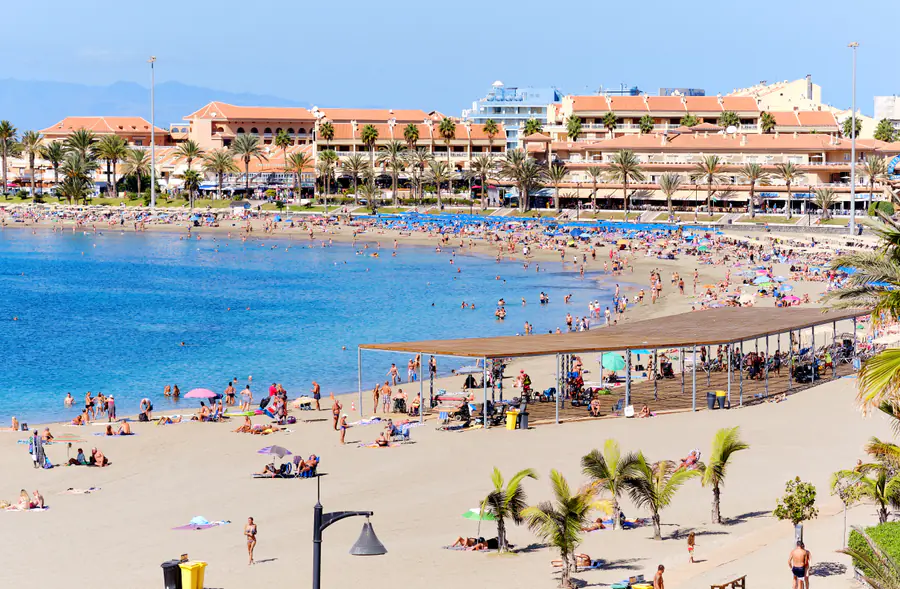
A critical element of the TFBCA is its strong commitment to sustainability, particularly through its “Plastic Free” initiative. Given its setting with the Atlantic Ocean as a backdrop, the event inherently links fashion with the marine environment. The fashion industry, notoriously cited by the UN as the second most polluting on the planet after the oil industry, faces immense pressure to adopt greener practices. The TFBCA actively addresses this by promoting the use of recycled elements within the textile sector and raising awareness among designers and the public about the importance of eliminating single-use plastics. Shockingly, only 9% of all plastic waste generated to date has been recycled, and the equivalent of two truckloads of plastic are dumped into the sea every minute. In Spain alone, over 3.7 billion plastic bottles for beverages are distributed annually, many ending up as marine pollution. The TFBCA’s program included a “Plastic Free” action on Torviscas beach, where participants removed single-use plastics in exchange for runway tickets, directly connecting environmental action with event access.
An Island of Contrasts: More Than Just a Show
The TFBCA’s success is intertwined with Tenerife's broader appeal as a multifaceted destination. Beyond the glamour of the runway, the island, known as the "island of eternal spring" for its warm and sunny climate year-round, offers a rich tapestry of experiences. Travelers can explore the majestic Teide National Park, a UNESCO World Heritage site, with its impressive volcanic landscapes, or embark on whale and dolphin watching excursions. The island boasts picturesque towns like La Orotava, Garachico, and Masca, alongside stunning beaches such as Playa del Duque and Las Vistas in the south, or the more secluded El Bollullo and Benijo in the north. With nine Michelin-starred restaurants, a burgeoning wellness scene, and opportunities for hiking in laurisilva forests, cycling, and water sports, Tenerife combines luxury, nature, and adventure. This diversity, championed by events like the TFBCA, cements Tenerife's reputation as a dynamic and trending lifestyle destination, far beyond just its beaches.
No topics yet: start the first one.
More stories
Fall Is the New Frontier for Smarter Travel: Why Europe Shines
As travelers increasingly prioritize unique experiences and solitude, autumn 2026 is signaling a shift from traditional crowded hotspots to diverse, less-expected destinations that promise adventure without the peak-season rush.

Billionaire Escapes: Are Cooler Climates the New Gold Standard of Luxury?
A new report on ultra-luxury destinations reveals an intriguing shift from sun-drenched beaches to more remote, cooler locales, signaling a changing definition of exclusivity for the world's wealthiest travelers.

The 'Invisible' Threat: Why California's Kelvin Wave Matters
An upcoming Kelvin wave, fueled by El Niño, will temporarily raise California's sea levels by up to a foot, exposing critical vulnerabilities and offering a stark preview of future climate challenges for coastal communities.

Cuba Just Got Harder: Why New US Travel Restrictions Are a Strategic Setback
Recent tightening of US travel and financial regulations has created fresh hurdles for Americans hoping to explore Cuba, eliminating popular categories and reinforcing complex financial limitations, impacting both travelers and the island's private sector.