American Airlines' Starlink Bet Redefines In-Flight Connectivity
By committing to equip its entire mainline fleet with Starlink Wi-Fi, American Airlines is intensifying the competition for high-speed internet in the skies and setting a bold new benchmark for passenger expectations.
AI-generated image
Could the era of frustratingly slow, unreliable in-flight Wi-Fi finally be over? For American Airlines passengers, the answer appears to be a resounding yes, as the carrier moves to equip its entire mainline fleet with SpaceX’s Starlink satellite internet. This monumental decision doesn't just promise faster speeds; it fundamentally shifts the battleground for airline loyalty and sets a compelling new standard for connectivity above the clouds.
American Airlines recently announced a significant expansion of its partnership with SpaceX, committing to install Starlink across its full mainline fleet of more than 1,000 Airbus and Boeing aircraft. This builds on an earlier plan from May that targeted only about 500 Airbus jets. The rollout, set to begin in early 2027, will leverage SpaceX's Performance Aero Terminal, an antenna system capable of delivering speeds up to an impressive 1 gigabit per second (Gbps) per terminal, according to American Airlines news. This move positions American alongside United Airlines, which also committed to a full-fleet Starlink rollout earlier this year, leaving Delta Air Lines as the sole holdout among the Big Three U.S. carriers.
The High-Stakes Connectivity Race
The airline industry’s shift towards Low Earth Orbit (LEO) satellite internet like Starlink marks a critical competitive differentiator. While United Airlines made its full-fleet Starlink commitment earlier this year, Delta Air Lines has opted for a different path, choosing Amazon’s Leo satellites for its in-flight Wi-Fi, with a rollout expected to start in 2028. This decision has ignited a fiery debate within the industry, even prompting SpaceX founder Elon Musk to publicly suggest that Delta CEO Ed Bastian could "lose his job" over the choice, as reported by Travel Market Report. Bastian, for his part, has attempted to dismiss any tension, but the competitive stakes are clear: fast, reliable Wi-Fi is no longer an amenity but a core expectation.
Transforming the Passenger Experience
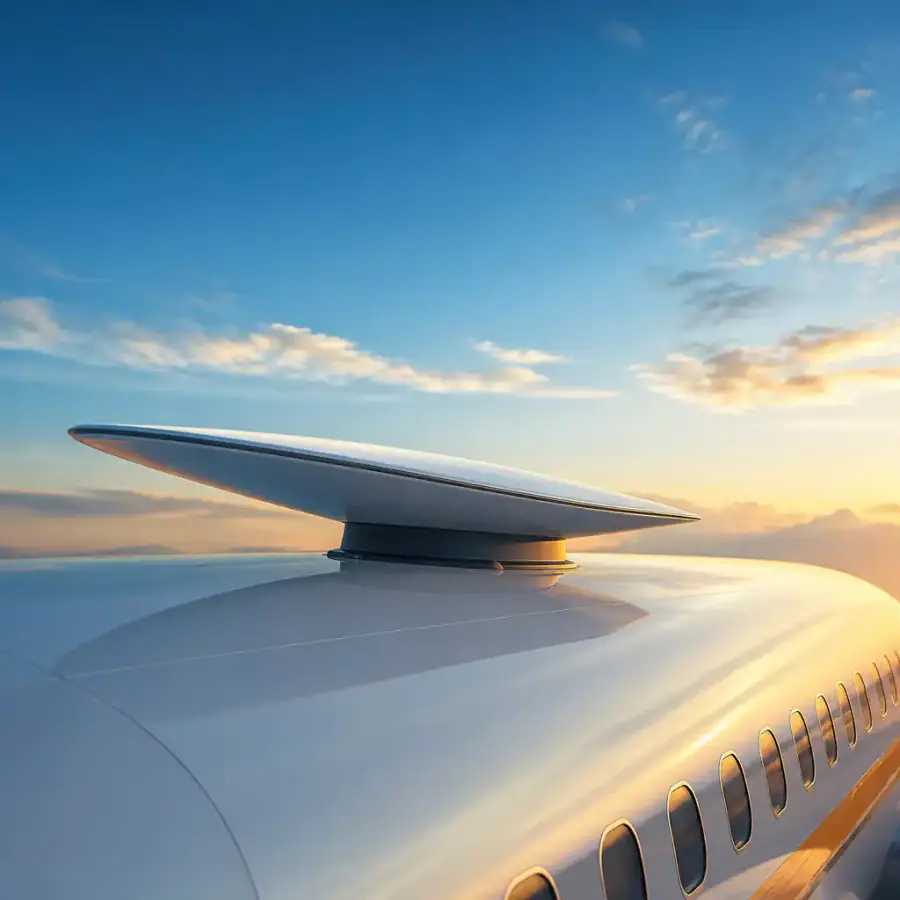
For decades, in-flight Wi-Fi was synonymous with frustration, characterized by high costs, slow speeds, and frequent dropouts due to outdated air-to-ground or geostationary satellite systems. LEO constellations, orbiting much closer to Earth, dramatically reduce signal latency to under 50 milliseconds and offer multi-gigabit aggregate bandwidth per beam, delivering speeds comparable to fiber optics. This technological leap transforms how passengers spend their time in the air, enabling seamless streaming, real-time communication, and even remote productivity. As American Airlines' Chief Customer Officer Heather Garboden commented, "Starlink will give our customers countless options to make the most of their time while traveling. Just as importantly, it provides the foundation for future innovations that will further enhance the customer experience," according to Satellite Today.
Reliable in-flight Wi-Fi consistently ranks among the top factors travelers consider when booking a flight. Historically, only 5% to 15% of passengers were willing to pay for connectivity due to poor performance. In stark contrast, airlines offering complimentary or high-performance LEO connectivity report attachment rates surging past 60% to 80% of total passengers on board. American's current offering includes free Wi-Fi on most mainline and regional aircraft, utilizing providers like Viasat and Intelsat (now SES). However, the move to Starlink across its primary fleet of over 1,030 aircraft — comprising more than 900 narrowbody jets and its long-haul widebody fleet — represents a significant upgrade, promising superior speeds and reliability that its existing systems may not always deliver.
The New Standard for Air Travel
American Airlines' decision is not merely an upgrade; it is a declaration of intent. By adopting Starlink, American is responding to a profound shift in consumer behavior where high-speed internet is a baseline expectation. This commitment will likely accelerate the broader industry trend, pressuring other carriers to follow suit or risk falling behind. The era of slow, unreliable internet in the sky is indeed coming to an end, and American Airlines is helping to lead the charge towards a future where seamless connectivity is a given, profoundly reshaping what it means to travel by air.
No topics yet: start the first one.
More stories
Korean Air-Asiana Merger: A New Era for Asian Travel, But For Whom?
The integration of Korean Air and Asiana Airlines heralds a significant shift in Asian aviation, promising an expanded network and premium experience but raising questions about market competition and passenger impact.

EU Air Passenger Rights: A Real Win for Travelers, If Enforced
After 13 years of negotiations, the EU has updated its air passenger rights, promising clearer protections and compensation, but their real impact hinges on consistent enforcement.

Airline Consolidation vs. Connectivity: Who Wins for Travelers?
While new routes and high-speed Wi-Fi promise a better journey, the rising market power of a few major airlines presents a paradox for passenger choice and fares.
EU's Free Carry-On Promise: More Nuance Than Meets the Eye
The EU's recent overhaul of passenger rights introduces critical changes, but the highly anticipated universal free main carry-on bag remains a complex issue, challenging earlier widespread reports.