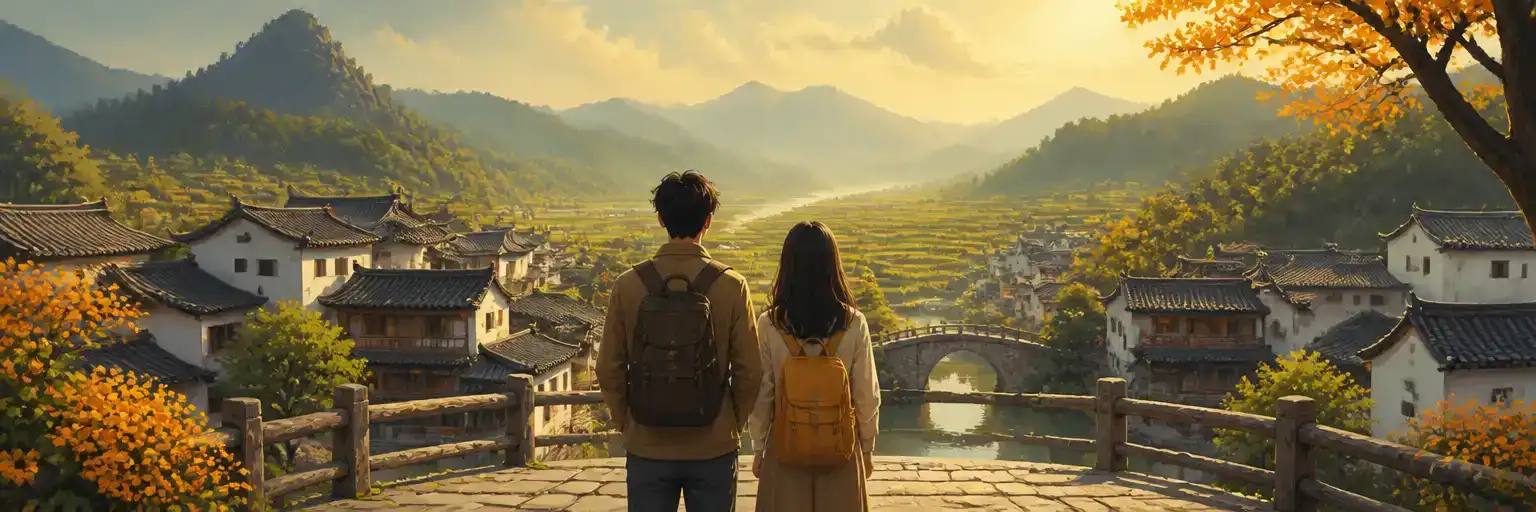
Dolomites Overtourism: Is Social Media Loving it to Death?
The stunning Dolomites, a UNESCO World Heritage site, are grappling with the immense pressure of overtourism, driven largely by social media trends and overwhelming local communities and natural resources.
Are the pristine peaks and valleys of the Dolomites, an iconic UNESCO World Heritage site, becoming victims of their own breathtaking beauty? The relentless allure, amplified by social media trends and television exposure, is undeniably pushing this Italian alpine region to its limits, overwhelming both its delicate ecosystems and the local communities who call it home. We are witnessing a critical inflection point, forcing a stark re-evaluation of how we approach sustainable tourism in some of Europe's most cherished destinations.The phenomenon, often labeled 'overtourism,' has transformed once-tranquil spots like Lago di Braies and Tre Cime di Lavaredo into hotspots for mass crowds. Studies conducted by the Fondazione Dolomiti UNESCO in collaboration with Ca’ Foscari University of Venice reveal alarming figures: in summer 2018, Lago di Braies saw peaks of over 17,400 visitors per day, while Tre Cime reached over 13,400 daily. These numbers drastically surpass the recommended daily carrying capacities for these areas, leading to a noticeable decline in the quality of the visitor experience, particularly during peak times, as reported by Montagna.tv. This surge is not merely organic; it is a direct consequence of a globalized, image-driven travel culture.
The Allure of the Alpine Aesthetic: Social Media's Unintended Consequences
There is no denying the power of a stunning photograph or a viral video to inspire travel. Social media platforms, in particular, have become unwitting architects of 'selfie tourism' and 'cineturismo,' as detailed in analyses of overtourism impacts. Visitors, often inspired by visually striking content, flock to specific, recognizable locations to capture their own versions of these iconic shots. This singular focus creates immense pressure on a handful of celebrated sites, turning them into congested photo opportunities rather than experiences of natural immersion. Landowners in the Dolomites have even resorted to installing turnstiles and charging fees on popular routes to manage the sheer volume of visitors, with one scenic route seeing 8,000 arrivals in a single day, as reported by Euronews. This intense concentration, often driven by the desire for the 'perfect selfie,' contributes significantly to the feeling of overcrowding and diminishes the unique quality of these natural wonders, an issue highlighted by local officials who are pushing back against the trend, according to Reuters.
When Paradise Overflows: The Strain on Local Life and Landscape
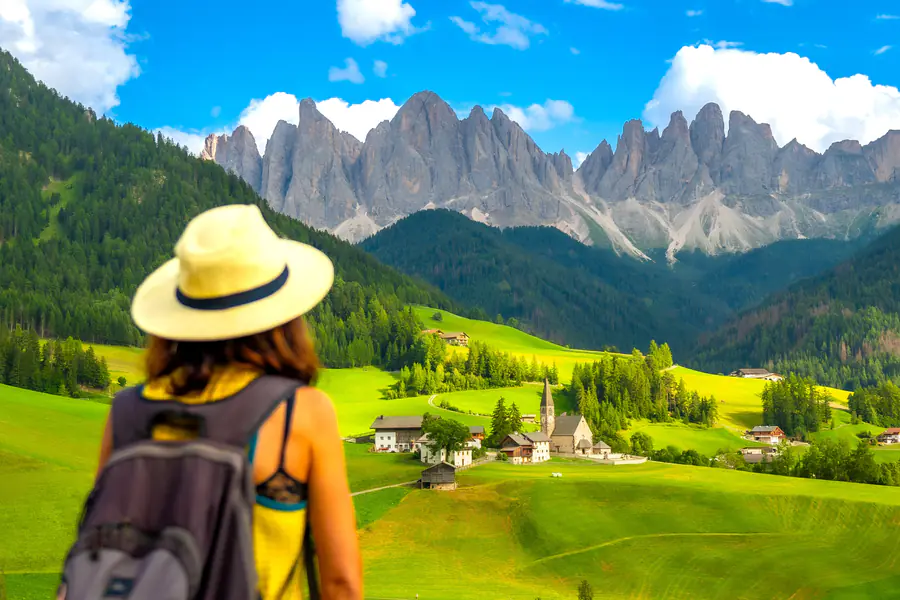
Beyond the fleeting photographic opportunities, the social and environmental toll of overtourism is profound. The sheer number of visitors strains natural resources, potentially damaging fragile habitats and consuming precious water resources, issues that resonate with broader European concerns about unsustainable tourism development, as discussed by EFFAT. For residents, the impact is even more immediate and personal. The 'turistificazione' of towns, where local businesses are replaced by tourist-centric ones and noise levels increase, leads to a palpable loss of community identity. The housing market is particularly affected, with properties shifting from residential rentals to short-term tourist accommodations, driving up costs and creating an acute housing crisis, similar to what is seen in cities like Florence. This displaces permanent residents, including essential workers in the tourism sector, who often face low wages and struggle to find affordable housing, sometimes resorting to precarious living situations, as noted by EFFAT. The quality of life for those who maintain these landscapes year-round is undeniably compromised, turning their home into a transient stage for mass consumption.
Charting a Sustainable Ascent: Strategies for a Balanced Future
The challenges posed by overtourism in the Dolomites are significant, but so are the proposed solutions, which advocate for a more balanced and respectful form of travel. Experts recommend implementing access regulations, such as the mandatory booking system and shuttle services already in place at Lago di Braies, to control visitor numbers. For areas like Tre Cime di Lavaredo, promoting public transport and restricting private car access is crucial to reduce congestion. Beyond mere limitations, there's a strong emphasis on 'personalizing the tourist experience' and spatially diversifying visitor flows. This means encouraging travelers to explore lesser-known areas of the Dolomites and engaging in activities like hiking or biking rather than relying on private vehicles. The goal is to destigmatize tourism, spreading visitors throughout the year and across different locations, thereby reducing the burden on specific hotspots. The establishment of an observatory for continuous monitoring and a collaborative governance structure is also seen as vital for a strategic, interregional approach, according to the Fondazione Dolomiti UNESCO. As the UNWTO emphasizes, overtourism fundamentally stems from the absence of good management, and the future of the Dolomites hinges on effective, shared strategies that prioritize both environmental protection and the well-being of local communities. Implementing these changes will be a complex task, but it is clear that the current path is unsustainable; placing limits now is an opportunity to preserve the very essence that makes the Dolomites so profoundly attractive.
No topics yet: start the first one.
More stories
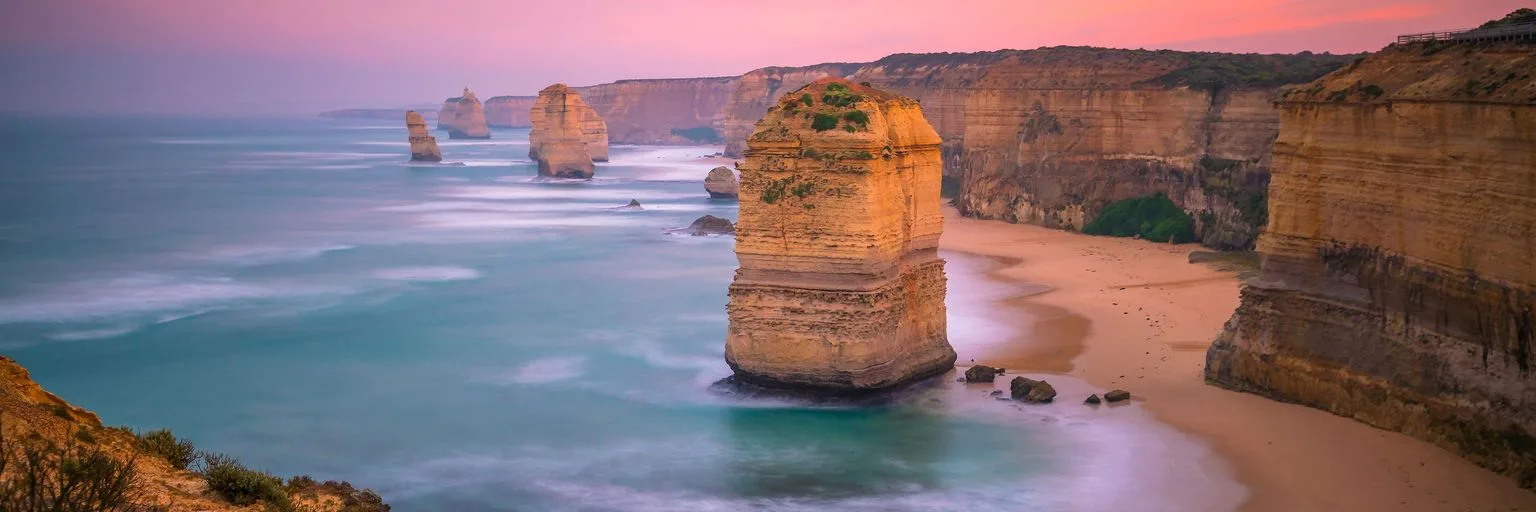
Australia's Twelve Apostles: A High Price for Natural Beauty
Mandatory reservations and fees at Australia's iconic Twelve Apostles highlight the global challenge of balancing tourism revenue with urgent environmental preservation, setting a critical precedent.
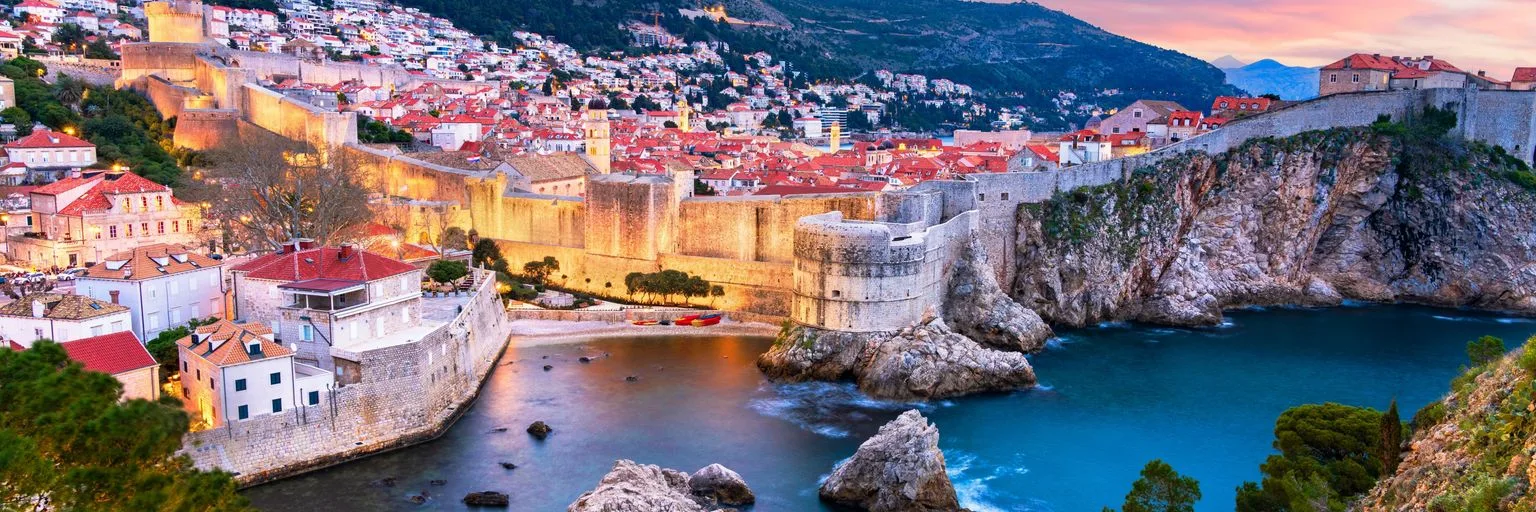
Croatia and France: Unexpected Winners in the Shifting Sands of Global Tourism
Recent travel data highlights a significant pivot in tourist preferences, with Croatia drawing robust numbers from French travelers and France re-emerging as a powerhouse in winter sports, signaling a dynamic re-evaluation of classic destinations.
Beyond Postcards: Why 'Lore-Tripping' and Niche Getaways are the Future of Travel
Travelers are increasingly seeking authentic experiences and deeper connections, shifting away from generic set-jetting towards purpose-driven journeys like lore-tripping and Mahjong retreats, proving that the motivation behind our trips is fundamentally changing.

Why China's 'Reverse Tourism' Holds Lessons for Global Travel
Chinese travelers are rejecting crowded tourist traps for authentic, lesser-known destinations, signaling a global shift towards meaningful, restorative experiences and smarter travel infrastructure.