Cruise's Golden Era? Record Demand, But Brace for the Squeeze
The global cruise industry is set for unprecedented growth, with millions projected to sail by 2027, yet this surge in popularity brings the twin challenges of potential overcrowding and infrastructure strain.
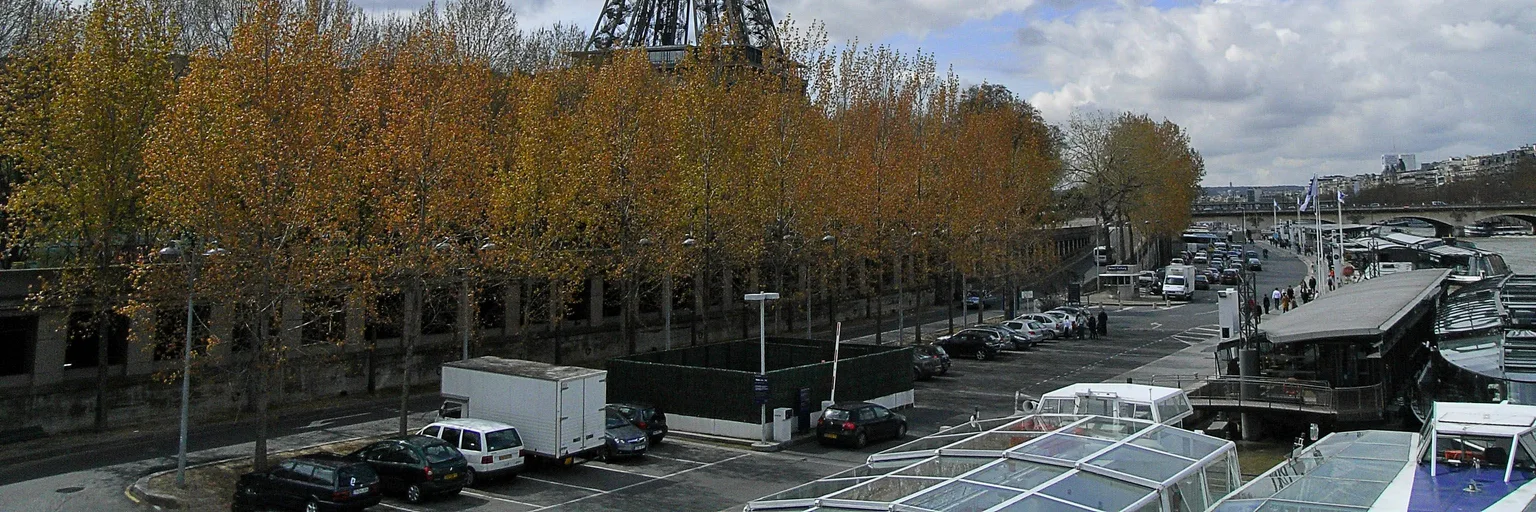
Photo: Moheen Reeyad / Wikimedia Commons (CC BY-SA 4.0)
Is the global cruise industry sailing into its golden era, or heading straight for uncharted waters of overtourism and infrastructure strain? With a forecast of nearly 40 million passengers globally by 2027, the question of how this record demand will shape the travel landscape is more pertinent than ever, especially given the industry's significant economic footprint, which generated $198 billion in global economic impact in 2024, supporting 1.8 million jobs worldwide.
This projected surge, according to cruising.org, comes as the sector continues its robust recovery. Despite global headwinds like geopolitical conflicts and rising inflation, the cruise sector has demonstrated remarkable resilience, with bookings for 2027 already pacing ahead of historical levels and pricing at record highs, as noted by Travel Agent Central. While AAA projects 21.7 million Americans will embark on ocean cruises in 2026, the global expansion indicates a broader trend of sustained interest and investment in sea-based travel.
The Allure and the Inevitable Crunch
The appeal of cruising is clear: it offers a convenient, often all-inclusive way to explore multiple destinations without the logistical hassles of independent travel. For many, it presents a compelling alternative to increasingly expensive and inconvenient air travel. US-based “drive-up” ports, for instance, remain popular with those seeking to avoid airfare costs and associated hassles, as CruiseTimes.net highlights. This ease of access contributes significantly to sustained demand.
However, this popularity also brings the inevitable crunch. The same report points to potential over-saturation in popular markets like the Caribbean, especially with new tonnage coming online this year. Lines are trying to mitigate potential downturns by concentrating ships in these favored destinations, but this strategy risks diluting the experience for travelers. Furthermore, while drive-up ports offer convenience, many guests still need to fly to their embarkation points, and with aviation facing increased fares and rising fuel costs, this could make more exotic itineraries less accessible or desirable.
River Cruises: Navigating Growth and Gridlock
The challenges are not confined to ocean liners. European river cruising, a niche but rapidly expanding segment, faces its own set of hurdles. While revenue for this market is projected to double from $5.4 billion in 2024 to $10 billion by 2030, this explosive growth runs up against inherent limitations, as noted by Dream Destinations.
Concerns about low water levels, as seen in August 2026, and increasing port restrictions due to overtourism (such as Amsterdam limiting yearly visits or Portugal halting new ships on the Douro) are critical issues. The German Travel Association (DRV) in its 2025 study highlighted the pressing need for modernization along inland waterways, including new moorings, improved lock capacity, and sufficient berthing. Congestion, double or triple rafting (where ships tie up to one another), and the need to schedule lock and docking locations years in advance all signal an industry grappling with its own success. Operators will need to balance the desire for expansion with the realities of finite infrastructure and local community concerns.
The Experience Imperative: Standing Out in a Crowded Market
As competition intensifies and physical space becomes a premium, the emphasis shifts to the quality and uniqueness of the onboard and onshore experience. River cruise lines, for example, are finding success with enhanced tours and lectures, unique special venue dinners, and extended port times. The trend towards multi-generational travel also underscores the need for diverse experiences that cater to varied age groups.
The challenge, as Dream Destinations points out, is not every new concept will thrive. Failed attempts, such as Unworld’s A and B ships aimed at younger demographics or AmaWaterways’ lengthy 7 Rivers cruise, demonstrate that innovation must be carefully calibrated to consumer desires. Lines that adapt quickly to feedback and refine their offerings—focusing on cultural depth, storytelling, and comfortable amenities—will be the ones that succeed in differentiating themselves.
Ultimately, the cruise industry's robust growth into 2027 and beyond presents a double-edged sword. While demand remains strong, fueled by attractive pricing and a desire for convenient travel, the sector must confront the realities of finite resources and the potential for overtourism. The industry's ability to innovate, manage capacity, and invest in sustainable infrastructure will determine if this truly becomes a golden era for both operators and travelers.
No topics yet: start the first one.
More stories
France's Tourism Sector: Curfews Threaten Its Cherished Image
Ongoing curfews in Paris and other French cities, a direct response to urban unrest, are raising alarms for the nation's vital tourism sector, threatening its meticulously cultivated image and future appeal.
Japan's Tourism Ascendance: A New Global Blueprint
Japan's leap to the top of the Travel & Tourism Development Index signals a paradigm shift in global tourism, blending deep cultural richness with strategic visitor experiences to set a new benchmark.

Experiences Over Everything: Why Our Aspirations Are Reshaping
Consumers globally are redefining wealth by prioritizing travel and meaningful experiences, a profound shift reshaping industries and personal values far beyond material acquisitions.

When Tourism Destroys Its Own Lure: Why Regeneration Is Key
The growing movement towards regenerative tourism champions the crucial insight that without preserving local territory and culture, there will soon be nothing left for visitors to experience.