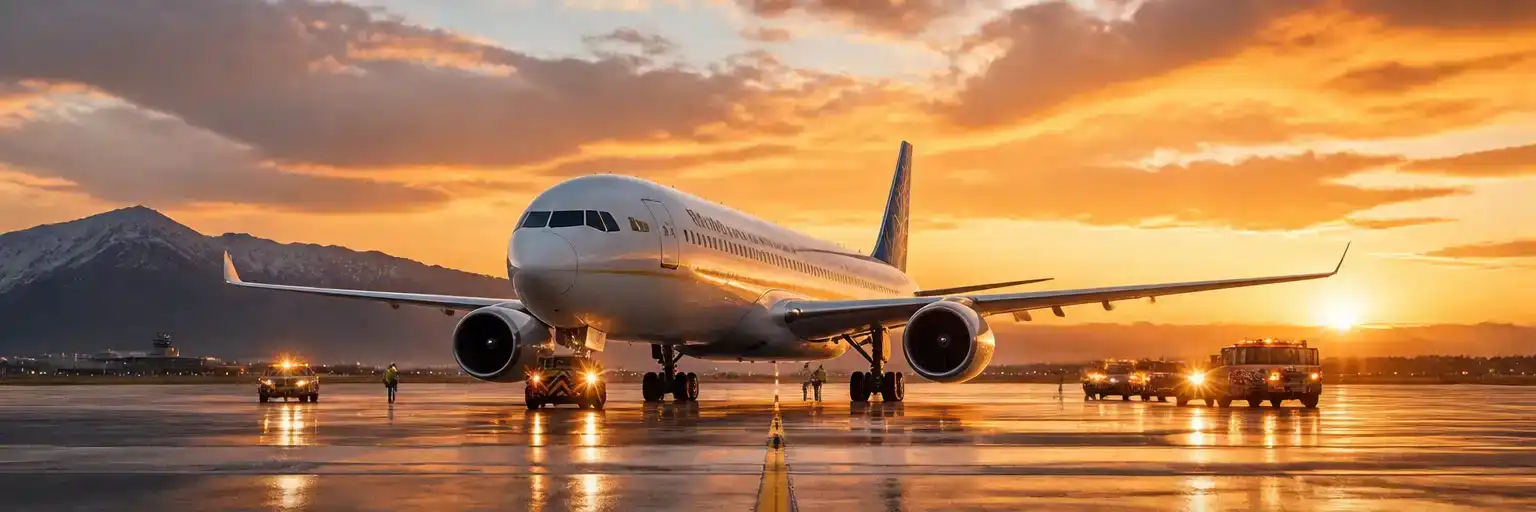
Catania's Ash Cloud Shows Why Knowing Your Rights Is Critical
Recent disruptions at Catania Airport due to Etna's volcanic ash underscore the vital importance for travelers to understand their EU passenger rights, especially the nuances of compensation and assistance during extraordinary events.
Photo: NASA / Wikimedia Commons (Public domain)
The skies over Italy, particularly around Catania Bellini Airport, have become a stark reminder of how quickly travel plans can unravel. With flight disruptions becoming a recurring headline, travelers are left navigating a chaotic landscape. Is the era of predictable air travel truly behind us, or are these incidents merely exposing the inherent fragilities in our infrastructure, alongside a critical gap in passenger awareness regarding their rights?
The trending discussions around Catania are not without reason. Between August 8 and 11, 2026, the airport, Sicily's fifth busiest, saw a staggering 388 outbound flights canceled and 212 inbound flights diverted due to Mount Etna's eruptive activity and the resulting volcanic ash as reported by Geopop. This natural phenomenon, deemed hazardous to aircraft engines, temporarily suspended all arrivals and departures, ruining vacations for over 100,000 individuals and heavily impacting carriers like Ryanair, Wizz Air, easyJet, and ITA Airways. Such widespread cancellations and diversions, echoing similar issues from a July 2023 fire incident, make it clear that understanding passenger entitlements is no longer a luxury, but a necessity.
Not All Disruptions Are Equal: When Compensation Kicks In
One of the most crucial distinctions for any traveler experiencing a flight disruption within the European Union is understanding the difference between statutory compensation and assistance. The EU's Regulation (EC) 261/2004 provides a robust framework, but it's not a blanket solution for every inconvenience. Passengers whose flights are delayed by more than three hours, canceled less than 14 days before departure, or who are denied boarding due to overbooking, are generally entitled to financial compensation ranging from €250 to €600, depending on the flight distance, as detailed by consumer rights advocates like Volo-In-Ritardo.it. However, this changes dramatically if the disruption is caused by what the regulation terms “extraordinary circumstances.”
Volcanic eruptions, severe weather conditions, or air traffic control strikes are prime examples of such circumstances. In these cases, like the recent Etna ash cloud, airlines are exempt from paying the additional financial compensation. The logic is that these events are beyond the airline's control, and even with all reasonable measures, they could not have been avoided. This distinction is vital: while the frustration of a canceled flight remains, the avenue for a significant payout largely depends on the root cause of the delay or cancellation, underscoring the importance of understanding the fine print of your rights.
Assistance and Alternatives: Your Unwavering Rights
Even when a flight is disrupted by extraordinary circumstances, passengers are not left entirely without support. The EU regulation mandates that airlines provide comprehensive assistance. This includes meals and refreshments proportionate to the waiting time, accommodation if an overnight stay becomes necessary, transportation between the airport and the lodging, and access to communication facilities like phone calls or emails. These rights are non-negotiable, irrespective of the disruption's cause, and airlines are obligated to provide them, as outlined by Europa.eu.
Furthermore, in the event of a cancellation, passengers retain the right to choose: either a full reimbursement of their ticket or re-routing to their final destination at the earliest opportunity, or at a later date more convenient for the traveler. Should the airline fail to provide the required assistance immediately, travelers are empowered to cover reasonable and necessary expenses themselves and then seek reimbursement from the carrier. The golden rule here is meticulous record-keeping: every receipt, invoice, and booking confirmation becomes evidence in supporting a claim for these out-of-pocket costs, whether it's for a meal or a taxi to an alternative airport. However, it’s important to remember that this assistance covers transportation disruptions, not additional losses like non-refundable hotel nights, often referred to as a “ruined vacation,” which typically require personal travel insurance.
Navigating the Labyrinth: Practical Steps for Passengers
In an increasingly volatile travel environment, preparedness is key. The first step upon encountering a disruption, whether it's an unforeseen event at an airport like Catania or a general delay, is to check the official status of your flight directly with the airline and the airport. Arriving at the airport without prior verification can exacerbate stress and lead to unnecessary expenses. Once a disruption is confirmed, contacting the airline directly to understand your options – reimbursement, alternative flight, or re-routing – is crucial. If assistance isn't immediately forthcoming, documenting every aspect of your experience, from boarding passes and email notifications to receipts for essential purchases, is paramount.
Ultimately, the ongoing issues at Catania Bellini Airport and other European hubs underscore a crucial lesson: the responsibility for understanding and asserting one's rights largely falls on the traveler. While EU regulations offer a protective shield, the nuances of their application can be complex. In a world where volcanic ash or unforeseen operational issues can ground hundreds of flights in an instant, being well-informed isn't just about recovering costs; it's about reclaiming agency and peace of mind in your journey.
No topics yet: start the first one.
More stories
When the Skies Aren't So Friendly: Drone Attacks Reshape Air Travel Risks
Escalating drone attacks on Russian airports are not just disrupting flights; they are fundamentally altering global perceptions of air travel safety and accessibility in conflict-adjacent regions.
A380's New Engine Scare: More Than Just a Maintenance Hiccup?
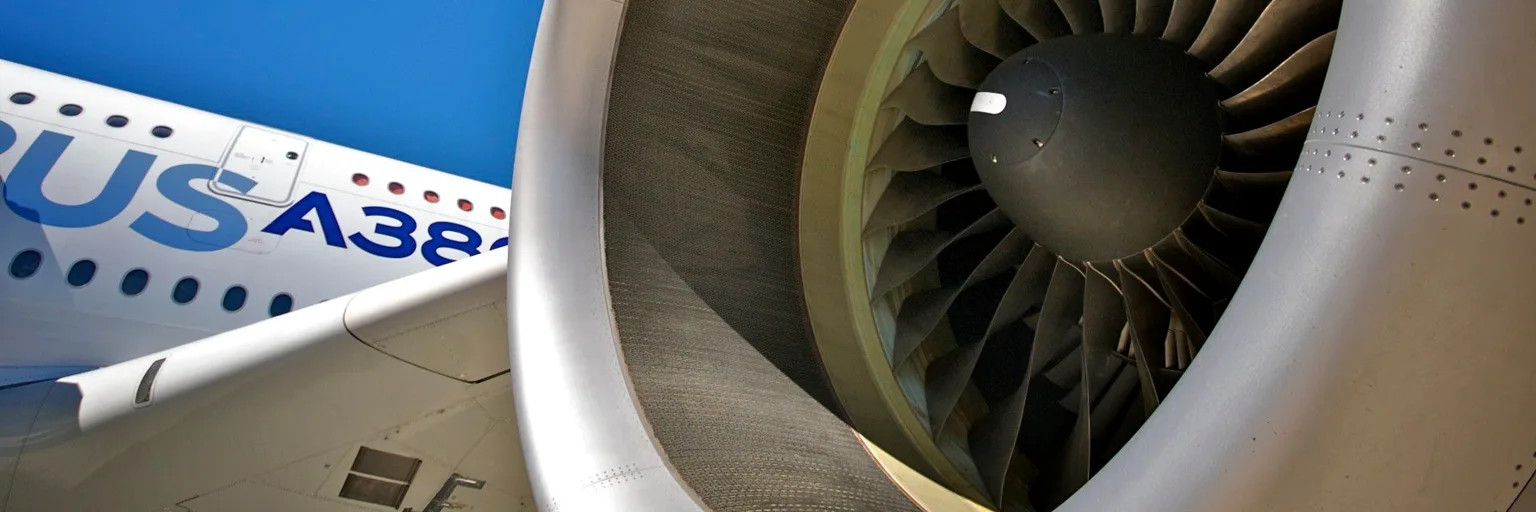
The recent FAA directive concerning critical engine component failures on the iconic Airbus A380 spotlights ongoing safety scrutiny that could further challenge the superjumbo's operational longevity and passenger confidence.
The Vanishing Seas: Why Cargo Ship Travel Is Fading Away
Once a romantic ideal for adventurers, the unique niche of cargo ship travel is slowly disappearing, transformed by global events and the relentless demands of modern logistics.
A 'Minor' Odor, a Major Message: Why UA941's Return Bolsters Confidence
The emergency landing of United Airlines Flight UA941 due to a cabin odor wasn't a minor inconvenience; it was a potent demonstration of aviation's unwavering commitment to safety protocols.