When the Skies Aren't So Friendly: Drone Attacks Reshape Air Travel Risks
Escalating drone attacks on Russian airports are not just disrupting flights; they are fundamentally altering global perceptions of air travel safety and accessibility in conflict-adjacent regions.
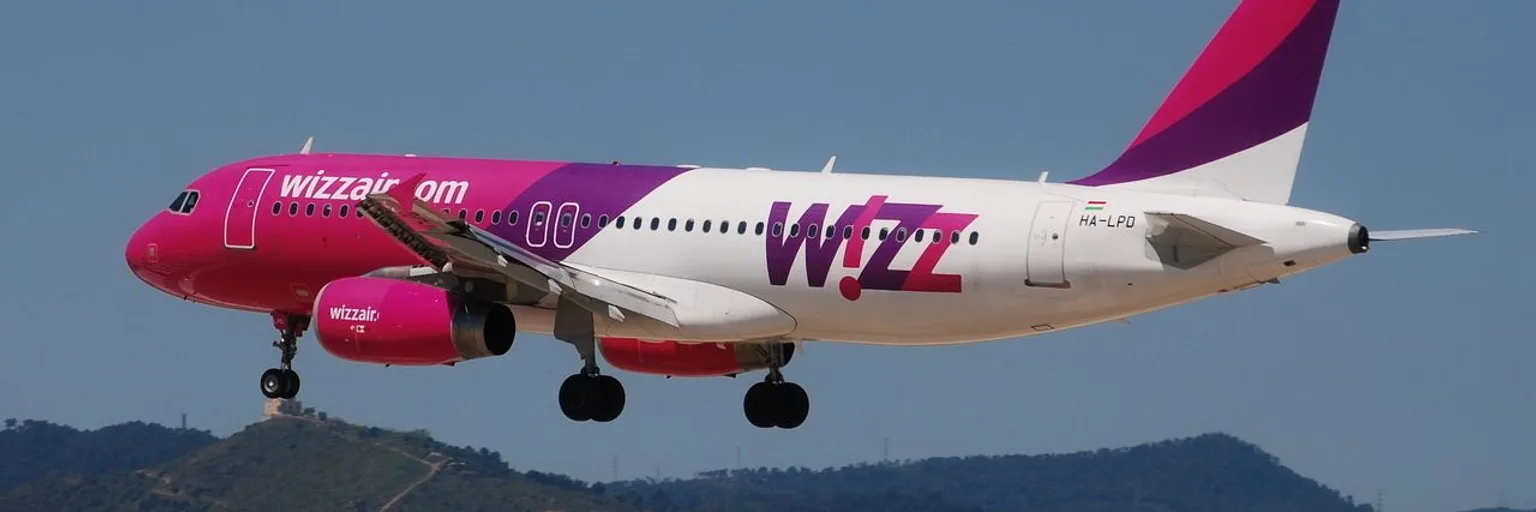
Photo: Vyacheslav Argenberg / Wikimedia Commons (CC BY 4.0)
Can any destination truly be considered a safe haven when the skies above it are contested? Recent large-scale drone attacks targeting Russian airports, including key hubs and infrastructure near cities like St. Petersburg, are forcing us to confront this unsettling question. These incidents are more than just temporary inconveniences; they signal a profound shift in the dynamics of regional air travel, potentially recalibrating how travelers perceive safety and accessibility in areas adjacent to conflict.
Over recent months, Ukrainian drone incursions have become a regular feature of the conflict, reaching deep into Russian territory. On October 10, 2026, Russian authorities briefly restricted air traffic at three airports east and southeast of Moscow—Bugulmá, Nizhnekamsk, and Nizhni Nóvgorod—due to suspected drone activity, though these restrictions were lifted a day prior, on October 9. This followed Rosaviatsiya, Russia's Federal Air Transport Agency, lifting restrictions on an additional eleven airports across the country on the same day. These measures reflect a consistent pattern: it was reported in September 2026 that Ukrainian drones were compelling daily closures at as many as 32 Russian airports, including those serving Moscow and St. Petersburg, a number reportedly higher than previous summer levels, according to Euronews.
The impact isn't confined to air traffic alone. In June 2026, Ukrainian drones struck an oil terminal in St. Petersburg, causing a significant blaze and prompting the city’s airport to briefly suspend flights, as reported by NPR. This attack, which reportedly involved drones traveling over 600 miles (1,000 kilometers), highlights the extended reach of these operations and their potential to disrupt civil infrastructure far from the front lines. With Russia’s Defense Ministry claiming to have shot down 354 Ukrainian drones in a single night in June, and another incident in August where Russian authorities reported downing 791 Ukrainian drones in one evening, the sheer volume and frequency of these events underscore a new normal for air defense and aviation operations in the region.
The Shifting Landscape of Air Safety
The fundamental premise of safe air travel rests on predictability and control of airspace. These drone attacks shatter both.
No topics yet: start the first one.
More stories
A380's New Engine Scare: More Than Just a Maintenance Hiccup?
The recent FAA directive concerning critical engine component failures on the iconic Airbus A380 spotlights ongoing safety scrutiny that could further challenge the superjumbo's operational longevity and passenger confidence.

The Vanishing Seas: Why Cargo Ship Travel Is Fading Away
Once a romantic ideal for adventurers, the unique niche of cargo ship travel is slowly disappearing, transformed by global events and the relentless demands of modern logistics.

A 'Minor' Odor, a Major Message: Why UA941's Return Bolsters Confidence
The emergency landing of United Airlines Flight UA941 due to a cabin odor wasn't a minor inconvenience; it was a potent demonstration of aviation's unwavering commitment to safety protocols.

Wizz Air's Spanish Push: Reshaping Europe's Budget Travel Map
Wizz Air's aggressive expansion in Spain and strategic pursuit of airport slots signal a bold move to dominate the low-cost travel sector, promising a shake-up for travelers amidst industry headwinds.