Callelongue’s Semaphore Shows Marseille a Better Way to Welcome Visitors
The restored semaphore above Marseille’s Calanques makes a case for limited, meaningful access: heritage can deepen a visit without creating another crowded hotspot.
Photo: Georges Seguin ( Okki ) / Wikimedia Commons (CC BY-SA 3.0)
What if Marseille’s smartest new attraction were one that refused to behave like an attraction? The restored Callelongue Semaphore has reopened above the Calanques, offering a viewpoint over one of the city’s most dramatic landscapes. But its real importance is not the panorama alone. It is a test of whether tourism can grow through carefully managed heritage rather than another instantly overcrowded destination.
The building was inaugurated on October 8, 2026, after restoration by the Calanques National Park, as the Marseille 6th–8th arrondissement town hall reports. Access is occasional and supervised, particularly for groups and school visits, according to MesInfos. That limited model is not a weakness. In our view, it may be exactly what makes the site worth visiting.
The viewpoint matters because it adds meaning, not just scenery
The Calanques already have no shortage of visual drama. White limestone, blue coves and steep paths do not need much help attracting visitors. The risk is that the landscape becomes the entire story: arrive, take the picture, move on, and leave the fragile setting to absorb the cost.
Callelongue can offer something better because the semaphore gives the view a human and historical frame. Built in 1863, it replaced an older Marseilleveyre lookout and served to monitor possible invaders while communicating with ships and other semaphore stations. Its signaling system used a mast and articulated arms to transmit messages over long distances. That history turns a viewpoint into a place of interpretation.
In our view, this is precisely the kind of addition Marseille should favor. It does not compete with the Calanques; it teaches visitors how to look at them. The coast becomes more than a backdrop for a hike or swim. It becomes a landscape shaped by defense, communication, technology and changing ideas about access.
Limited access is a strength, not a failure
Tourism usually treats a reopening as an invitation to maximize footfall. Callelongue points in the opposite direction. The building had been abandoned, badly damaged and covered in graffiti before its restoration was completed in 2019. Returning it to public life without immediately making it a full-time mass attraction is a more intelligent compromise than pretending every heritage site must operate at maximum capacity.
That restraint also fits the wider reality of the Calanques. Access is subject to fire-risk rules, and the roads to places including Callelongue have additional seasonal regulations. On red fire-risk days, access to the massif is prohibited, while some routes can also be closed to motorized traffic during specified periods. Visitors should check the current conditions before setting out through Marseille Tourism’s access guidance.
The result is not perfectly convenient, but convenience is not the only measure of a good visitor experience. A supervised opening can make the semaphore feel like a destination to understand rather than a box to tick. It can also direct attention more thoughtfully, especially if school groups and guided visits become central to its use.
The walk must be treated as part of the heritage
The semaphore is reached from the Calanque de Callelongue by a steep, yellow-marked path that takes around 20 minutes, according to the National Park. That detail is more important than it sounds. The site is not a drive-up overlook or an isolated architectural object. The approach is part of the experience, and its condition will determine whether the reopening succeeds.
The access path has already suffered from trampling. A report from Ici described a temporary closure in January 2026 after damage to the trail. That should be read as a warning, not an inconvenience to be brushed aside. If a short path cannot withstand demand, the answer is not simply to advertise it more aggressively. It is to manage movement, explain the limits and make visitors understand that staying on the route is a form of conservation.
This is where the project can either become a model or a missed opportunity. Clear information about the walk, weather, fire risk and appropriate behavior should be treated as part of the attraction itself. The best heritage interpretation may be the sentence that prevents one more shortcut across vulnerable ground.
Callelongue should complement the Calanques, not become their next headline
The temptation will be to market the semaphore as the newest must-see view in Marseille. That would be precisely the wrong instinct. The Calanques are already dealing with crowding, saturated access roads, erosion and fire restrictions. At Sugiton and Les Pierres Tombées, the National Park has limited visitor numbers during parts of the 2026 season, with free reservations required on designated dates because of erosion caused by overcrowding.
Callelongue’s value is therefore greatest when it remains modest. It can encourage visitors to spend longer with the landscape, learn something about its history and choose a more deliberate visit outside the most pressured periods. It should not be sold as a replacement for every other Calanque, nor as a shortcut to an Instagram image.
The reopening is a small heritage win, but small is exactly the point. Marseille does not need another mass-market hotspot. It needs more reasons to visit carefully, and more places where access comes with context. Our recommendation is to seek out the semaphore when conditions allow, prepare for the steep approach and check the rules before going—but to value the site as a controlled encounter, not a promise of unlimited entry. If Callelongue stays useful without becoming overexposed, it may show the Calanques a genuinely sustainable way forward.
No topics yet: start the first one.
More stories
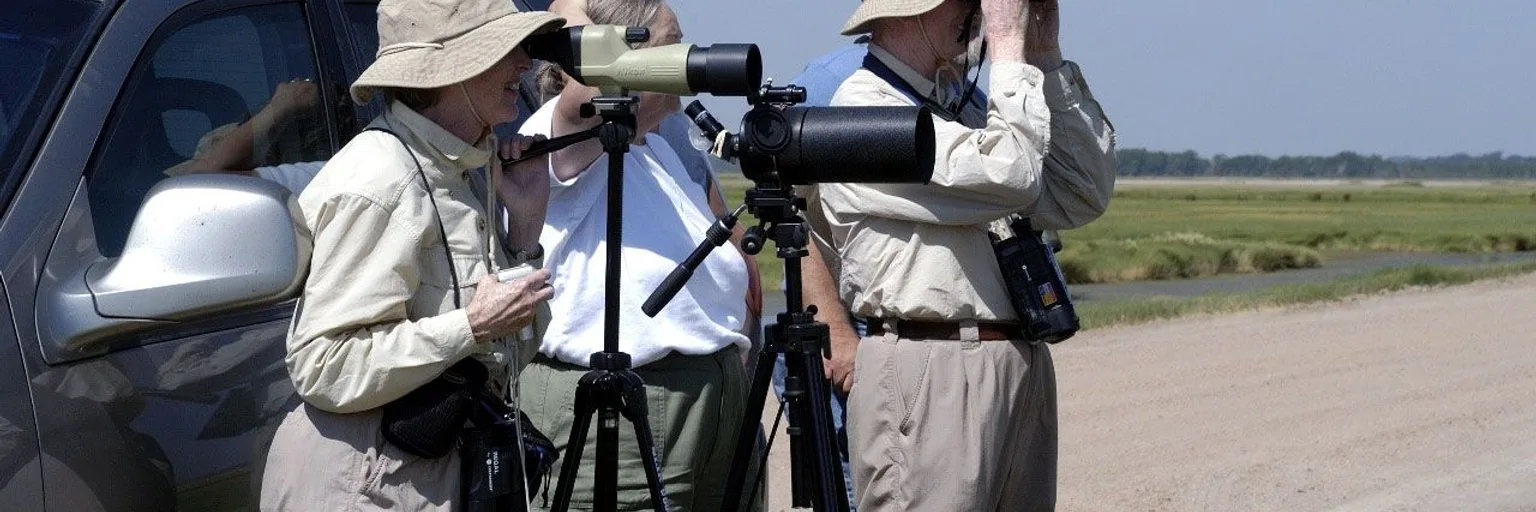
Birdwatching Is the Smarter Way to Travel With a Purpose
Bird-focused trips turn a fleeting natural moment into a reason to explore rural destinations—provided tourism protects the habitats that make the journey worthwhile.
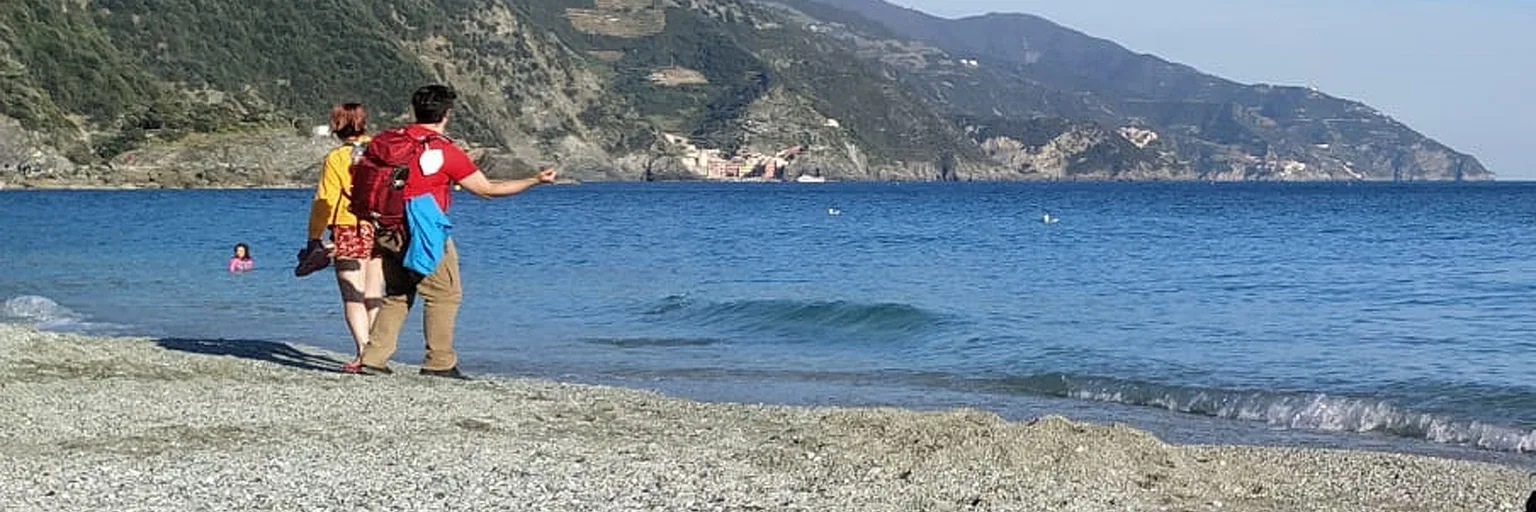
Cinque Terre Is Better in Autumn—If It Avoids a New Rush
Lower prices, quieter lanes and a richer walking season make autumn the smarter Cinque Terre escape—unless cheaper stays simply create another social-media stampede.
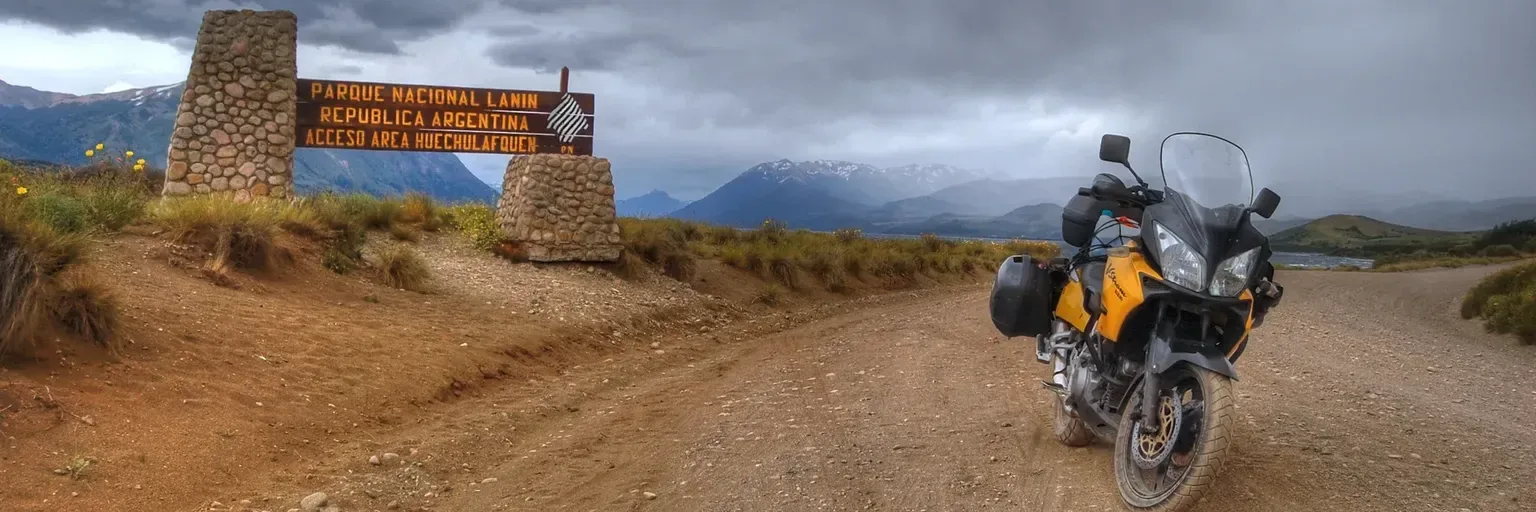
Why a Motorcycle Journey Through Patagonia is the Ultimate Adventure
Forget mere sightseeing; the rise of demanding motorcycle expeditions through untamed landscapes like Patagonia reveals a profound shift towards raw, challenging, and immersive travel where the journey itself is the ultimate reward.
Stargazing Trains: The Rise of Immersive Journeys
Specialized train tours for celestial observation signal a profound shift in travel, embracing deep immersion in nature over traditional sightseeing.