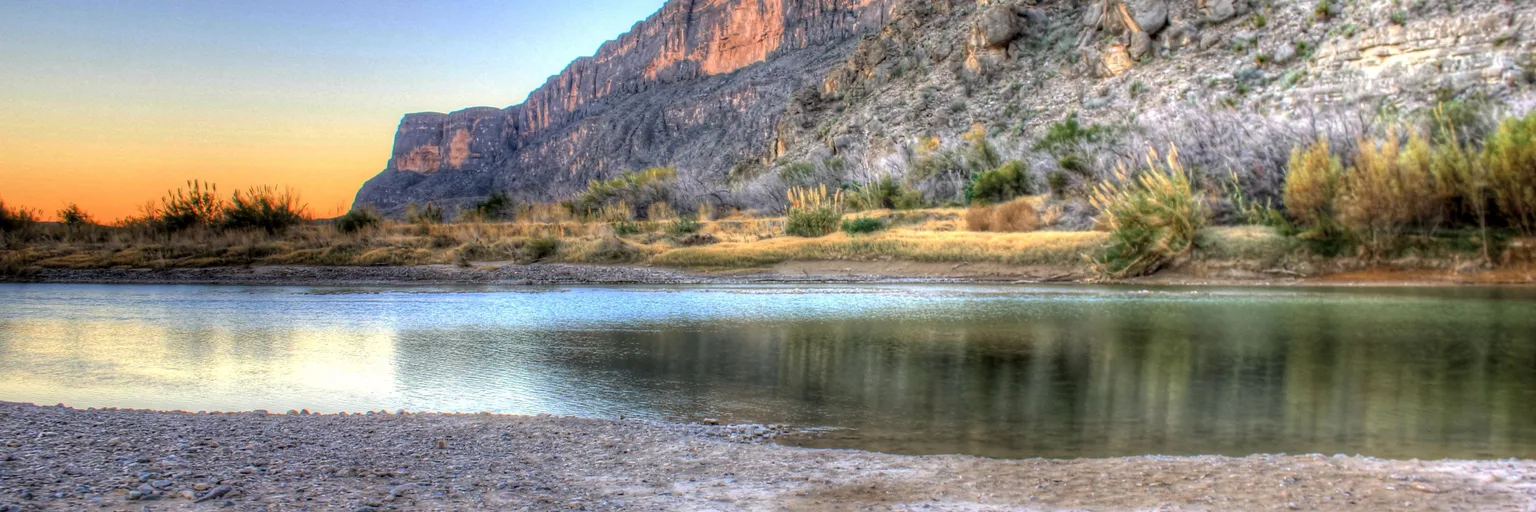
A bottle of Sardinian sand is not a souvenir, it's a theft
A 74-year-old tourist was stopped at Porto Torres with 10 kg of labeled sand. The fines and port checks are right: beaches are heritage, not gift shops.
Photo: Stefan Wloch / Wikimedia Commons (CC BY-SA 2.0)
Would you pocket a stone from a cathedral wall and call it a keepsake? Most of us wouldn't. Yet plenty of people do the equivalent with Sardinian beaches and tell themselves it's just a handful of sand. A handful, it turns out, can become a trunk full.
The latest case comes from Porto Torres. According to Italian local press, customs officers and port security stopped a 74-year-old French tourist about to board a ferry to Barcelona. In his trunk they found roughly 10 kilograms of sea sand split across 12 plastic bottles. Each bottle was labeled with the beach it came from. He was cited under a Sardinian regional law, and Cagliaripad reports that the fine can reach 3,000 euros.
The labels are what make this hard to excuse
Impulse is one thing. A kid fills a jar on the last day, and we can all picture it. Twelve bottles, each one marked with its beach of origin, is something else. It looks like cataloguing. To us, it suggests someone who knew what he was taking and where from.
We don't know his motives, and we won't pretend to. Still, the labeling undercuts the "I didn't know" defense, and that's why we think the sanction is deserved. A fine that stings is the only language a collector's mindset understands. A warning leaflet at the ferry gate would not have stopped a man who bothered to write beach names on twelve bottles.
It's not a one-off, and that's the real argument
If this were a single eccentric, we'd shrug. But the numbers say otherwise. Cagliaritoday reported in October that over 250 kilograms of sand, pebbles and shells were seized from Sardinian shores in the first nine months of 2026. It also says three quarters of offenders were foreigners. Another recent case, according to Ultracomici, involved a bottle with almost 2 kilograms of sand in a suitcase, with fines ranging from 500 to 3,000 euros.
Add it up and the logic is simple. One person's grain is nothing. Thousands of people's grains, year after year, are a beach getting thinner. That is our conclusion, not a finding: seizure figures count what was caught, not how much shoreline is lost. But it doesn't take an expert to see that a beach is a finite thing, and that visitors treating it as free merchandise is a bad bet. We'd also guess that what gets seized is only a slice of what actually leaves the island.
Port checks are the right tool, even if they feel fussy
Some will call inspections at the ferry gate heavy-handed. We'd argue the opposite. You can't police every cove on an island, but you can police the single place everyone has to pass through. Catching the sand on its way out is cheap, visible and, crucially, a warning to the next traveler packing a bottle.
There's also a fairness point. Locals and responsible visitors protect these places by leaving them alone. Letting a few people quietly carry them away in the trunk is a tax on everyone else, and the people who love these beaches most are the ones who should be angriest about it.
What to take home instead
Sardinia doesn't need to lose a gram to give you a memory. Take photos. Buy something made on the island from a local seller. Write the beach's name in a notebook instead of on a plastic bottle. Save the sunset, the smell of the sea and the first swim for the story you tell at home. The place stays whole, and so does the next visitor's first view of it.
Our verdict: the fines are right, the checks are right, and the "harmless souvenir" idea should retire for good. If you love a beach enough to label it, love it enough to leave it where it is.
No topics yet: start the first one.
More stories
Disneyland Paris wins, but France's best park may not be the polished one
Disneyland Paris dethroning Parc Astérix at the Parcs Fans Awards says less about quality than about what we reward. Here is how to choose where to spend your days.

Albacete bets on darkness, and the label is only the start
Albacete's Starlight certification across all its comarcas is a smart bet on dark skies, but it only pays off if lighting rules and visitor infrastructure follow.

India is Destination of the Year 2027, but nobody should visit "India"
Travel + Leisure's crown is a good reason to take India seriously, but a country this vast rewards one region and one season, not a checklist.

Big Bend shows a park is only protected until the next ruling
The Supreme Court cleared border barriers in a West Texas region that includes Big Bend National Park. Protected status is fragile, so go see these places and speak up.