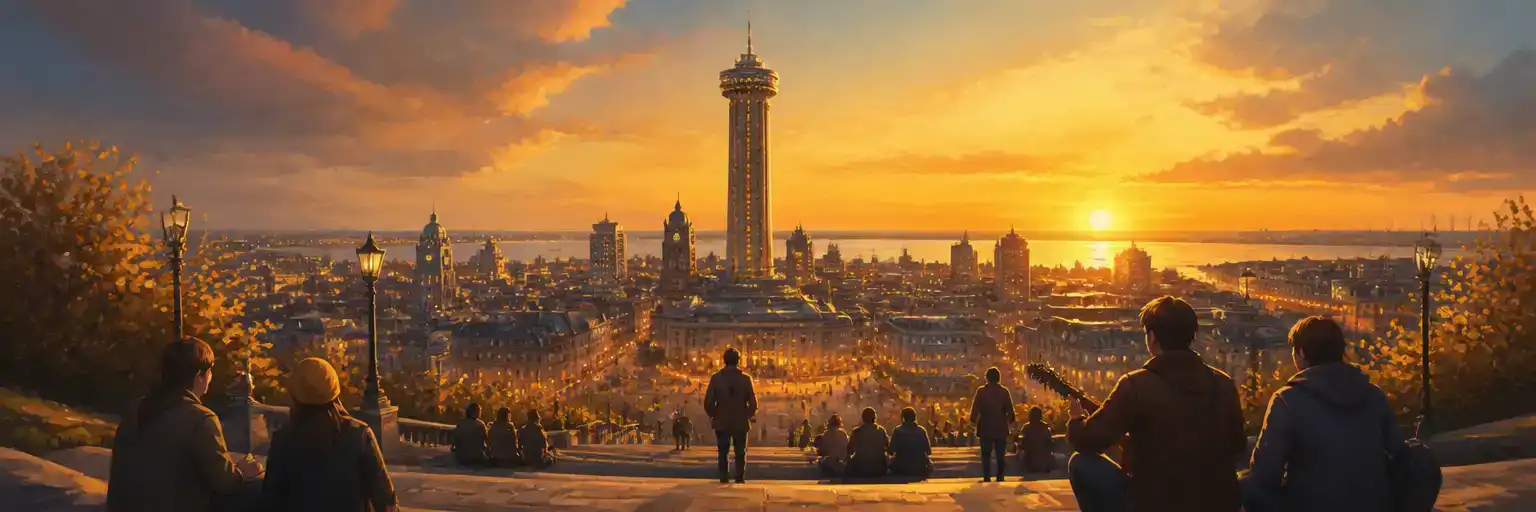
Paris’s Friday the 13th tour is compelling—if it respects the dead
Paris is turning catacombs, cemeteries and superstition into a November itinerary. The draw is real, but the best visit should favor history over haunted-house theatrics.
Photo: Jorge Láscar from Melbourne, Australia / Wikimedia Commons (CC BY 2.0)
Friday the 13th usually belongs to horror movies, lucky charms and jokes about bad fortune. Paris has found a more sophisticated product: a day when catacombs, cemeteries, royal memory, churches and urban legends can be stitched into one atmospheric itinerary. The date is Friday, November 13, 2026, and the city’s mystery is being marketed less as a single event than as a mood.
That is a smart tourism instinct. Paris already has the places; the calendar simply gives visitors a narrative for connecting them. But it also creates a risk. Once an ossuary becomes a “spooky attraction” and a cemetery becomes a paranormal stage, the city can sell the atmosphere while quietly losing the history that made these places worth visiting.
The strongest attraction is not the superstition—it is the heritage
The Paris Catacombs are the obvious anchor. The official site describes a network of former quarry tunnels about twenty meters underground, containing the remains of several million Parisians. That is not a theme-park invention, and it does not need one. The site’s power comes from the tension between infrastructure, urban history and human mortality: a hidden Paris beneath the streets, transformed into an ossuary and preserved as a reminder of the city’s past.
The official Catacombs site strongly recommends booking online, which is the clearest practical answer to one of the questions visitors are asking: no, this is not the sort of experience to approach casually and assume you can simply walk in. The published opening schedule is Tuesday through Sunday, from 9:45 a.m. to 8:30 p.m., with last entry at 7:30 p.m., although occasional closures remain possible. The official website also says the site underwent a major renovation project until April 2026, reinforcing the point that this is fragile cultural property, not merely a backdrop for seasonal thrills.
The better Friday the 13th itinerary therefore starts underground but does not stay trapped in the macabre. The Expiatory Chapel, erected in memory of Louis XVI and Marie-Antoinette, shifts the mood from anonymous remains to political memory. Saint-Denis Basilica connects the theme to the necropolis of the Kings of France. The former Cemetery of the Innocents, represented today by remaining traces in the Halles district, offers another reminder that Paris’s relationship with death is woven into the city itself.
That range matters. It turns “dark tourism” into urban history, which is a much more durable proposition.
Père-Lachaise wins when visitors slow down
Père-Lachaise is the ideal counterweight to the Catacombs because it is open to daylight, landscape and wandering. Paris’s tourism office calls it a legendary cemetery known for listed monuments and graves including Jim Morrison, Colette and Oscar Wilde. Paris je t’aime presents the cemetery as a heritage destination, not simply a haunted location, and that distinction should guide a visit.
The cemetery’s appeal is broader than celebrity graves. Its paths, funerary architecture, sculptures and vegetation allow visitors to move between art, memory and the living city. Even the famous names work best as entry points rather than the entire purpose. A visitor who arrives only to photograph one tomb has technically seen Père-Lachaise, but has missed its deeper rhythm.
Friday the 13th packaging could easily push the cemetery in the opposite direction, toward “haunted” anecdotes and paranormal claims. That may be entertaining, but it is also the least interesting version of the place. The cemetery has enough documented cultural, artistic and political history to hold attention without pretending that every shadow is evidence of something supernatural.
For a first visit, a professional guided tour can be useful because the cemetery is large and its famous graves are not always easy to locate. But the point of a guide should be context, not manufactured fear. The visitor wins when the stories make the dead more human; the destination loses when the dead become props.
Paris is selling a theme, not a single event—and that is both its strength and weakness
The current promotion around November 13 gathers places across Paris and the Île-de-France region: Montmartre, the Latin Quarter, Saint-Sulpice Church, the “ghost village” of Vieux-Pays de Goussainville and the troglodyte Church of the Annunciation at Haute-Isle. Sortir à Paris frames these locations through mystery, superstition and heritage, while also highlighting places associated with good luck. Its Friday the 13th guide lists the Catacombs’ hours and the Expiatory Chapel’s November schedule.
That breadth is more interesting than a branded fright night. It encourages visitors to see Paris as a layered landscape rather than a collection of postcard icons. A church, a cemetery, an old village and an underground ossuary do not offer the same experience, and that variety can distribute attention beyond the most famous attraction.
Still, calling everything “mysterious” flattens the differences. A memorial chapel is not a horror set. A cemetery is not an amusement ride. An ossuary holding human remains should not be reduced to an Instagrammable descent beneath the city. The tourism industry’s challenge is not whether it can make these sites attractive; it plainly can. The challenge is whether it can make them attractive without making fear the only language visitors bring with them.
The responsible version is easy to recognize
A worthwhile Friday the 13th visit should favor timed planning, quiet attention and historical interpretation. Book the Catacombs ahead. Check each site’s access conditions rather than assuming every place follows the same schedule. At Père-Lachaise, allow time to walk rather than treating the cemetery as a checklist of famous names. And let the superstition remain an invitation, not a verdict.
Our view is that Paris has a genuine opportunity here. The city is not inventing a destination from nothing; it is giving a seasonal frame to heritage that already carries emotional weight. But the winning product will not be the loudest or most “haunted.” It will be the one that leaves visitors more curious about Paris—and more respectful of the people, beliefs and histories beneath the spectacle.
Go on Friday, November 13, 2026 if the atmosphere appeals. Just choose the itinerary that treats mystery as a doorway to understanding, not as permission to turn the dead into entertainment.
No topics yet: start the first one.
More stories
The Next Tourism Winner Is the Place Locals Rediscover First
Khao Yai and Thai Nguyen suggest a smarter tourism model: destinations built around domestic curiosity, local identity and slower experiences—not just foreign arrivals.
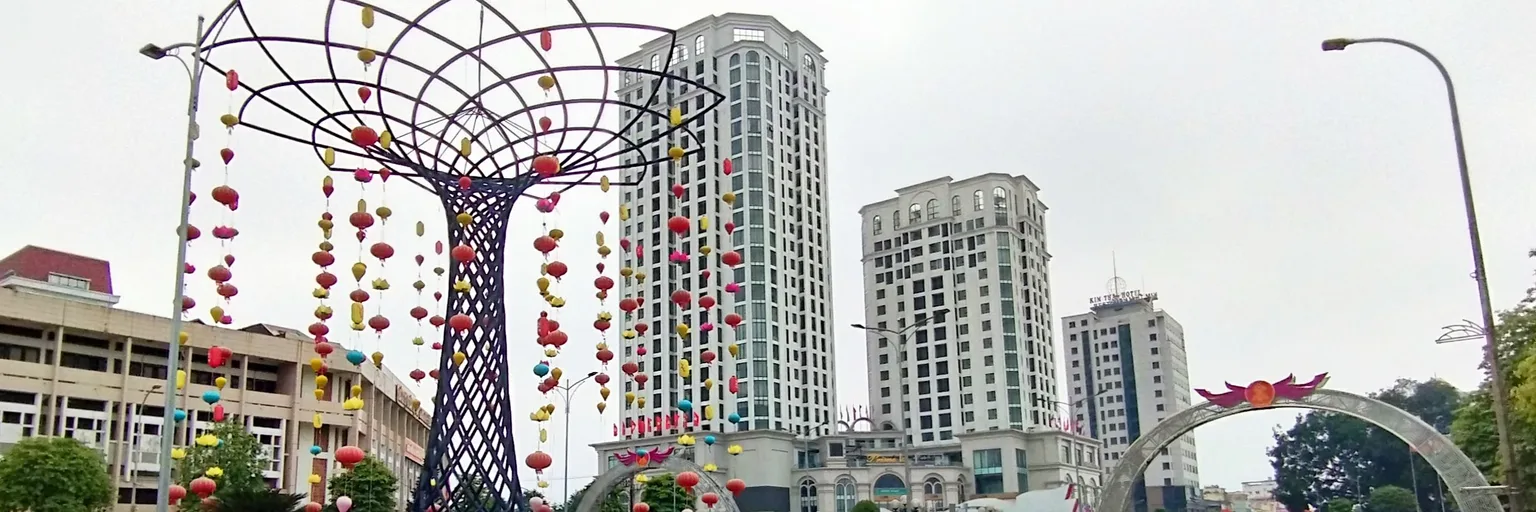
Salvador’s real advantage is its living, layered culture
Salvador has everything a major destination needs—from historic streets and beaches to music and food—but its growth should benefit the communities that give it character.
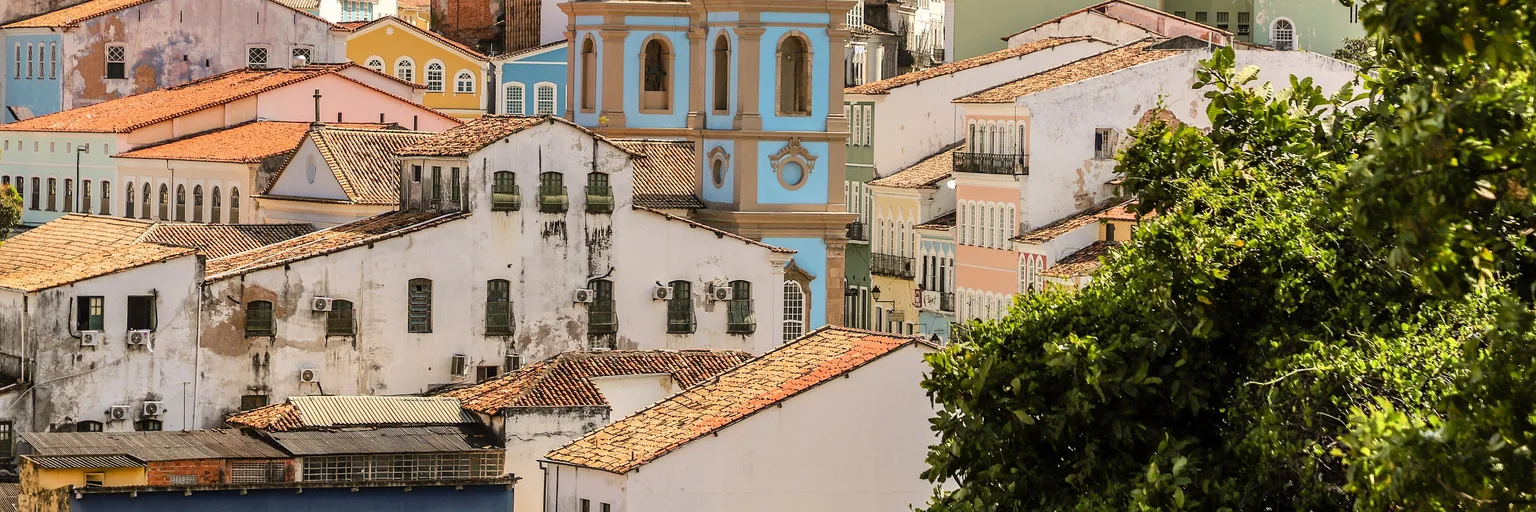
Chiricahua’s New Park Status Is an Invitation—and a Warning
America’s newest national park puts Arizona’s extraordinary Wonderland of Rocks in the spotlight, but recognition will matter only if protection and access keep pace.
Liverpool’s Beatles mega-attraction must be a doorway, not a destination
The 2028 Beatles Story could bring longer, richer visits to Liverpool—but only if the band’s legacy leads travelers into the city rather than replacing it.