Salvador’s real advantage is its living, layered culture
Salvador has everything a major destination needs—from historic streets and beaches to music and food—but its growth should benefit the communities that give it character.
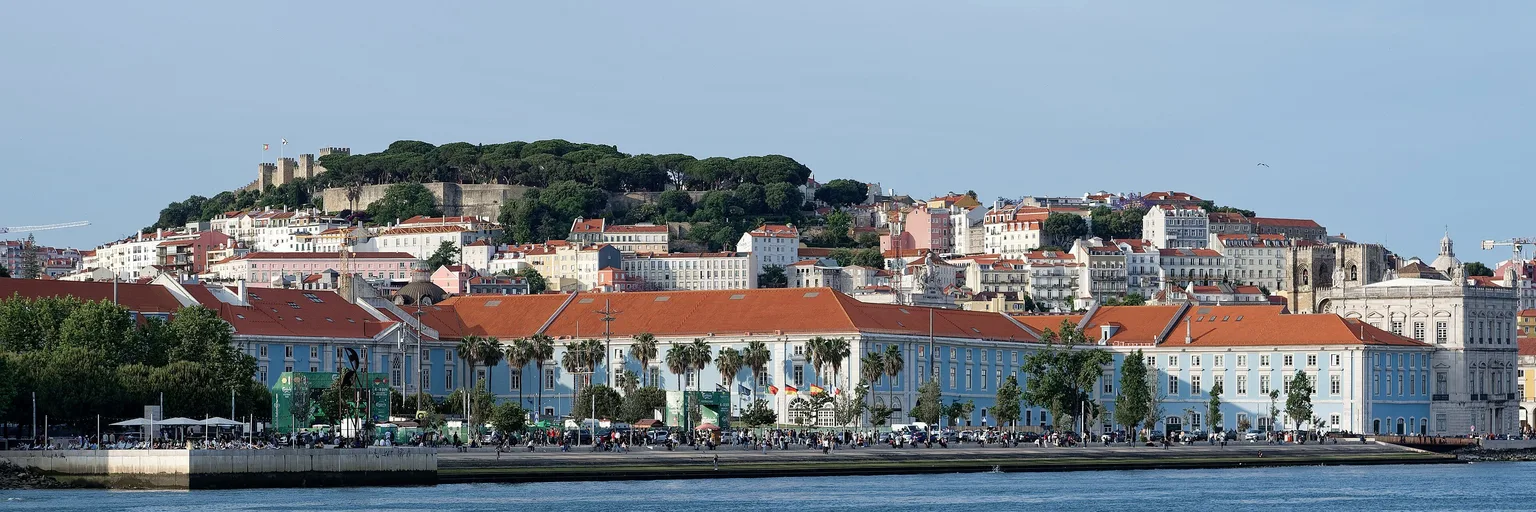
Photo: Paul R. Burley / Wikimedia Commons (CC BY-SA 4.0)
What if Salvador’s greatest tourism asset is also the easiest to damage? The capital of Bahia does not need a new identity, a glossy reinvention or a single blockbuster attraction. It already has the ingredients of an exceptional trip: historic streets, oceanfront neighborhoods, music, faith, food and a cultural life that feels rooted rather than staged.
The challenge is deciding what kind of destination Salvador wants to become. More visitors can bring money and curiosity, but growth by itself is not a strategy. In our view, the city’s opportunity is to turn its extraordinary cultural density into a broader, more thoughtful travel experience—one that gives visitors more to explore and allows more residents and local businesses to benefit.
Salvador’s strength is its refusal to be just one thing
A guide to Salvador from Melhores Destinos describes a city where history, traditions, colors and flavors shape the experience. That combination is more persuasive than any ranking: Salvador offers enough contrasts to reward travelers who slow down instead of rushing from one famous sight to the next.
The historic center and Pelourinho are the obvious starting point. Travelers can move through Largo do Pelourinho, visit the Fundação Casa de Jorge Amado, the Igreja de Nossa Senhora do Rosário dos Pretos, the Igreja de São Francisco and the Catedral Basílica de Salvador. Museums and cultural spaces, including the Casa do Carnaval da Bahia and the Museu da Misericórdia, add context to the streets rather than treating them as a mere backdrop for photographs.
But the city becomes more interesting when the itinerary widens. The Elevador Lacerda leads toward the Mercado Modelo and the Cidade da Música da Bahia. Barra brings beaches and sunset views, while Rio Vermelho adds restaurants, nightlife, the Casa do Rio Vermelho and the city’s strong connection to Jorge Amado and Zélia Gattai. At the Basílica do Bonfim, Feira de São Joaquim, Ponta do Humaitá and Praia da Ribeira, another side of Salvador comes into view.
That variety is the point. Salvador’s appeal lies in the conversation between monumental architecture and ordinary city life, between religious tradition and nightlife, between the sea and the street. We think that layered character is a competitive advantage precisely because it cannot be copied easily.
The best itinerary is the one that spreads attention
Salvador’s most recognizable attractions will naturally draw the largest crowds. That is not a problem in itself. The problem begins when a city’s tourism economy becomes dependent on a tiny circuit while other neighborhoods, businesses and cultural spaces remain outside the flow of visitors.
The destination already offers the raw material for a more distributed trip. A traveler can pair Pelourinho with Barra, Rio Vermelho or Bonfim, then set aside time for the Museu de Arte Moderna da Bahia at Solar do Unhão. For a beach-focused stay, the guide points to Itapuã, Stella Maris and Flamengo. Beyond the city, Ilha dos Frades and Morro de São Paulo offer additional escapes.
This should be treated as more than a marketing catalog. A longer, more varied stay can create opportunities for restaurants, guides, museums, artisans and neighborhood businesses beyond the most photographed streets. It can also give visitors a better understanding of Salvador as a living city rather than a collection of landmarks.
Still, spreading tourists around is not automatically responsible tourism. It works only when residents retain a voice, local businesses capture a fair share of spending and cultural spaces are not overwhelmed by demand. The important question is not simply how many people arrive, but where they go, what they support and whether tourism improves daily life.
Food and music should remain culture, not scenery
Salvador is especially easy to consume too quickly. A visitor can photograph a colorful street, hear a few drums, eat acarajé and leave believing the city has been understood. That would be a loss for both traveler and destination.
The city’s food traditions offer a better way in. The guide highlights the acarajé vendors of Rio Vermelho, including Dinha, Regina and Acarajé de Cira, as well as restaurants such as Casa de Tereza and Boteco do França. These names are not just stops on a culinary checklist; they point toward a food culture with local history and social meaning.
The same principle applies to music, faith and festivals. Culture is not an endlessly scalable product. It needs respect, fair compensation and room to remain meaningful to the people who sustain it. Visitors should approach religious spaces carefully, support locally rooted businesses and consider hiring legitimate local guides who can add context instead of reducing traditions to decoration.
Salvador should choose depth over hype
The city can be visited year-round, according to the travel guide, with different seasons offering different rhythms. December through February is presented as a particularly lively period, while September through November can appeal to travelers seeking a break from the busiest summer period. April and May may bring more unstable weather for beach plans.
That flexibility is another reason not to reduce Salvador to a single peak moment. The city has enough history, coastline, food and neighborhood life to support different kinds of trips. Visitors should stay long enough to move beyond a checklist, combine the historic center with the waterfront and leave space for an unplanned meal or sunset.
Our verdict is clear: Salvador’s future is strongest when tourism amplifies what is already there instead of trying to manufacture a new image. The city’s cultural intensity is a remarkable invitation, but it is also a responsibility. Travelers should go—and go with curiosity, time and respect—while local tourism planning should focus on protecting the people and traditions that make Salvador worth visiting in the first place.
No topics yet: start the first one.
More stories
Chiricahua’s New Park Status Is an Invitation—and a Warning
America’s newest national park puts Arizona’s extraordinary Wonderland of Rocks in the spotlight, but recognition will matter only if protection and access keep pace.
Liverpool’s Beatles mega-attraction must be a doorway, not a destination
The 2028 Beatles Story could bring longer, richer visits to Liverpool—but only if the band’s legacy leads travelers into the city rather than replacing it.
Reims Is Trending for 2027. Champagne Must Pace the Growth
Booking.com has included Reims among its highlighted destinations for 2027. The opportunity is real—but so is the need to spread visits beyond the obvious stops.
Lisbon’s double win proves a tourism strategy—not a perfect city
Lisbon’s 2026 awards validate its international appeal and coordinated tourism pitch, but they cannot settle the harder question: who benefits from the city’s success?