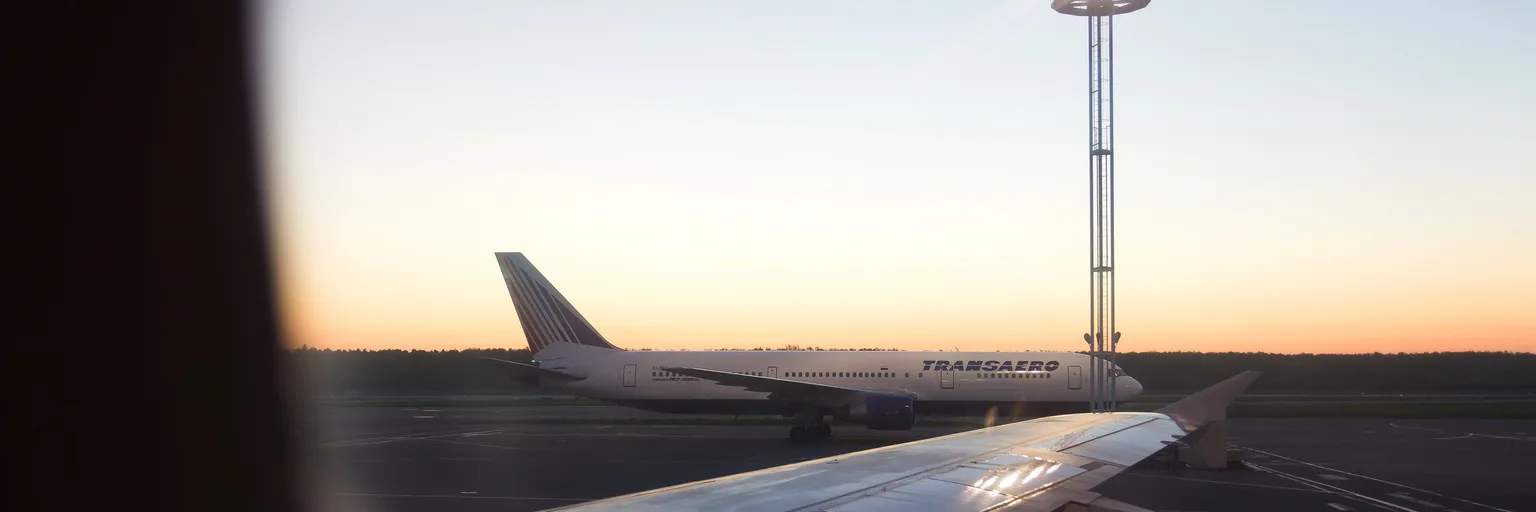
A 20% airfare forecast is a warning, not a prophecy
Ryanair's boss predicts the steepest fare rise in European history for 2027. Treat it as a nudge to lock in key trips and stay flexible, not as a reason to panic.
Photo: kuhnmi / Wikimedia Commons (CC BY 2.0)
Who do you trust to predict the price of your ticket: an economist, or the boss of one of Europe's biggest budget airlines? Michael O'Leary, the CEO of Ryanair, has never been shy about a headline, and this time he delivered one that every would-be traveler will have noticed.
At a press conference in Brussels on October 20, as The Guardian reports, O'Leary said: "You're going to see air fares rise next year in Europe, I think by 10, 15, maybe 20%." In his telling, it would be the biggest increase in history. Travel Daily News says he attributed it to higher jet fuel prices, limited fuel hedging and reduced airline capacity.
Read the range, not the headline
The "20%" is the ceiling of a three-step guess. The same sentence also says 10% and 15%. Coverage of his remarks, such as Yahoo Travel, stresses that this is a forecast for the broader market and not an announced uniform fare increase. The final figure depends on market conditions.
We would also keep in mind who is talking. An airline boss predicting higher fares is describing his own industry's pricing power. That doesn't make him wrong. It does mean the number is a data point, not a law of nature. Fares are unlikely to rise 20% on every route at the same time.
Still, we wouldn't dismiss it. MoneyWise notes that, according to the U.S. Bureau of Labor Statistics, U.S. airline fares had already climbed 22.4% between September 2025 and September 2026. That is American data, not European, but when prices have just jumped that much somewhere, a further rise elsewhere isn't a wild prediction. In our view, the direction is credible even if the exact size is not.
Lock in what matters, leave the rest loose
The practical lesson is a split strategy. Some trips are non-negotiable: a wedding, a once-in-a-decade pilgrimage, the family reunion where the dates are already fixed. Book those once the dates are firm, as MoneyWise suggests. Waiting for a bargain on a trip you can't move is a gamble where the odds look tilted against you.
For everything else, flexibility is your best asset, and it costs nothing. Be open about the day of the week, the month, and especially the airport. A second airport within reach of your destination, or a departure from a different city, can make the same trip a different price. We can't promise how much any of these will save you, and it will vary route by route. But they work against any fare rise, forecast or no forecast.
Don't let a forecast pick your destination
There is a quieter risk in all this: letting a price scare turn you into a rushed buyer. Booking a flight you aren't sure about, at the first sign of alarm, is how people end up with rigid tickets and trips they dread. Check the change and cancellation conditions before you pay, and compare them across airlines, because a slightly dearer flexible fare can be the smarter purchase when plans are still fluid.
And remember that the best answer to dearer flights can be a better trip, not a smaller one. Fewer flights, longer stays, a region explored by train or on foot once you land: the way to beat a fare rise is to get more out of every ticket.
Our verdict
Take O'Leary's forecast seriously and not literally: serious enough to act, not so literal that you budget for exactly 20%. Decide this autumn which two or three trips are essential and book them when the dates are set. Keep the rest flexible on dates and airports, and watch prices rather than panic over them. If the rise turns out smaller, you will have lost nothing. If it turns out as steep as predicted, you will be the one who already has the seat.
No topics yet: start the first one.
More stories
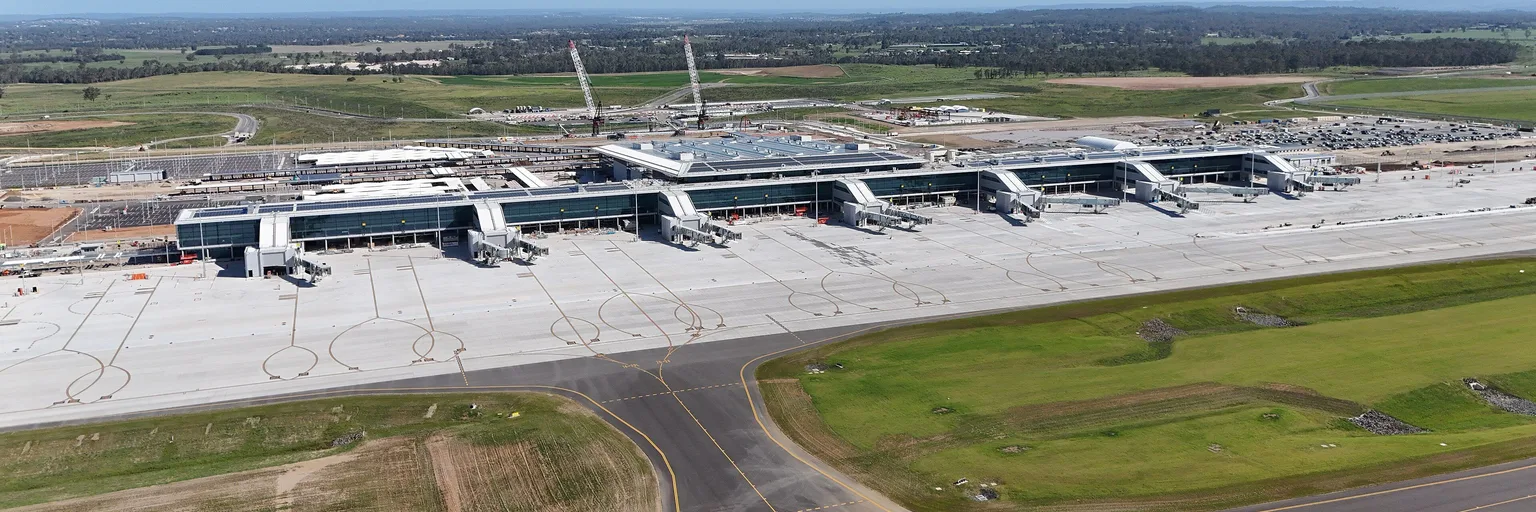
Western Sydney Airport is a promise, not a reason to book yet
Australia's first new major airport in 50+ years opened with few flights and no train. Until the metro arrives, treat it as a promise and check your airport code.
Ryanair’s Belgian Retreat Proves Cheap Routes Are Not Permanent
Ryanair’s Belgian cuts reveal the hidden weakness of Europe’s low-cost map: when airport economics change, yesterday’s bargain destinations can vanish almost overnight.

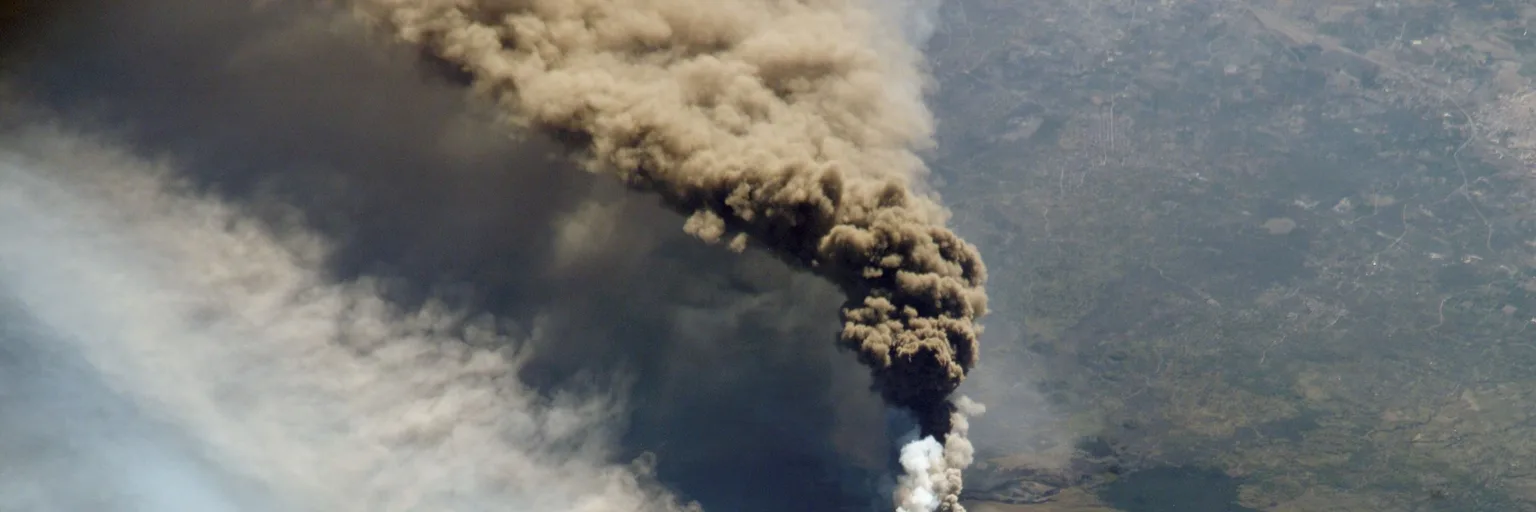
Catania's Ash Cloud Shows Why Knowing Your Rights Is Critical
Recent disruptions at Catania Airport due to Etna's volcanic ash underscore the vital importance for travelers to understand their EU passenger rights, especially the nuances of compensation and assistance during extraordinary events.
When the Skies Aren't So Friendly: Drone Attacks Reshape Air Travel Risks
Escalating drone attacks on Russian airports are not just disrupting flights; they are fundamentally altering global perceptions of air travel safety and accessibility in conflict-adjacent regions.