Brussels' tourism strategy only works if travelers get a reason to go elsewhere
The EU's new sustainable tourism strategy promises to spread visitors across places and seasons. Without real reasons to travel off-peak, it risks being another well-meaning paper.
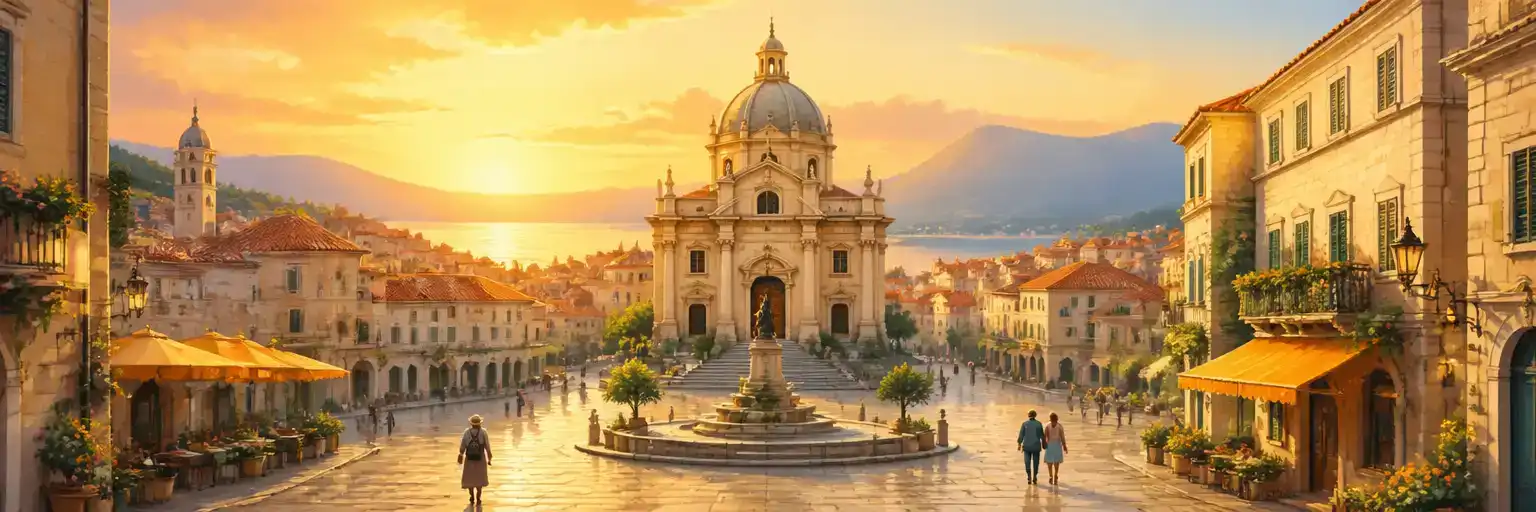
AI-generated image
Can a Commission strategy convince you to visit a Spanish city in February instead of a crowded beach in August? That is, in essence, the bet Brussels made on November 4. Nobody books a trip because of a toolbox. People book because somewhere looks irresistible, is easy to reach and doesn't cost a fortune.
What Brussels actually announced
The European Commission presented a new EU Sustainable Tourism Strategy aimed at boosting the sector's competitiveness, sustainability and resilience. It says it will help destinations manage visitor flows, encourage travel throughout the year and prepare for crises. The named actions include an EU Model for Tourism Management, a Council recommendation, a Toolbox for Balanced Tourism and a Crisis Coordination Network. There will also be new European Capitals of Tourism Awards to showcase "hidden gems."
The context is a sector that, per the Commission, contributes 10% of the EU's Gross Value Added and supports more than 20 million jobs. Europe accounts for around 40% of international arrivals, and 76% of Europeans plan a trip in the next six months. Demand is not the problem. Its distribution is.
The diagnosis is right, but the tools are mostly for administrators
We think the strategy is correct about the problem. Pressure concentrates on a handful of places and a few months, and residents feel it. But look at what the flagship measures are: an academy, an observatory, a data space, a simplification initiative. Useful plumbing, yes. Almost none of it is something a traveler sees.
The data side is not trivial, though. In Salamanca, Valladolid and Burgos, cities already using Spain's Smart Destination Platform, local officials told a Segittur event how sensors and surveys help them understand visitor flows. Burgos' tourism promoter put it bluntly: the population doesn't want saturation, and the platform lets them work on reducing seasonality with data. That is the kind of concrete, local use we would like to see more of. But note the same event's admitted weak spot: getting private businesses to share their information is slow work.
Off-season only works when there is something to do
Here is our opinion: seasonal rebalancing is a product problem, not a policy problem. A traveler goes in winter or shoulder season if the museums, restaurants, festivals and transport all work and the place feels alive rather than half-closed. A village that shuts in November will not be saved by a recommendation from the Council.
One element does point in the right direction: the strategy includes, according to Europa Press via Infobae, measures to improve connections with remote communities. If that translates into trains and buses that actually reach the lesser-known places, it may do more than any awards ceremony. Access is what turns a "hidden gem" from a slogan into a weekend plan. Without it, we expect the crowds to stay exactly where the airport and the hotel beds already are.
There is also a fairness question. Spreading visitors is easy to say when the places receiving them have not asked for it. Spain's own approach is instructive: its tourism secretary of state defended at London's World Travel Market a pilot with the British travel association ABTA, in which Calvià, Benidorm, Lloret de Mar and Sevilla will share data on visitor flows, spending and residents' perceptions for two years. Notice the logic: first measure, then decide. That is more modest than a continental strategy, and probably more honest.
Our verdict
The strategy will matter if it does three things: make off-peak travel easier to reach, give lesser-known destinations the means to stay open and welcoming year-round, and let residents' views count as much as arrival numbers. If it stays a catalog of observatories and toolboxes, travelers will not notice it, and August will be as crowded as ever.
For readers, the practical advice needs no strategy: pick a famous place in the quiet months, or a lesser-known one in any month, and check how it connects before you go. The rebalancing Brussels wants will happen one itinerary at a time, and the best thing policy can do is make those itineraries worth choosing.
No topics yet: start the first one.
More stories
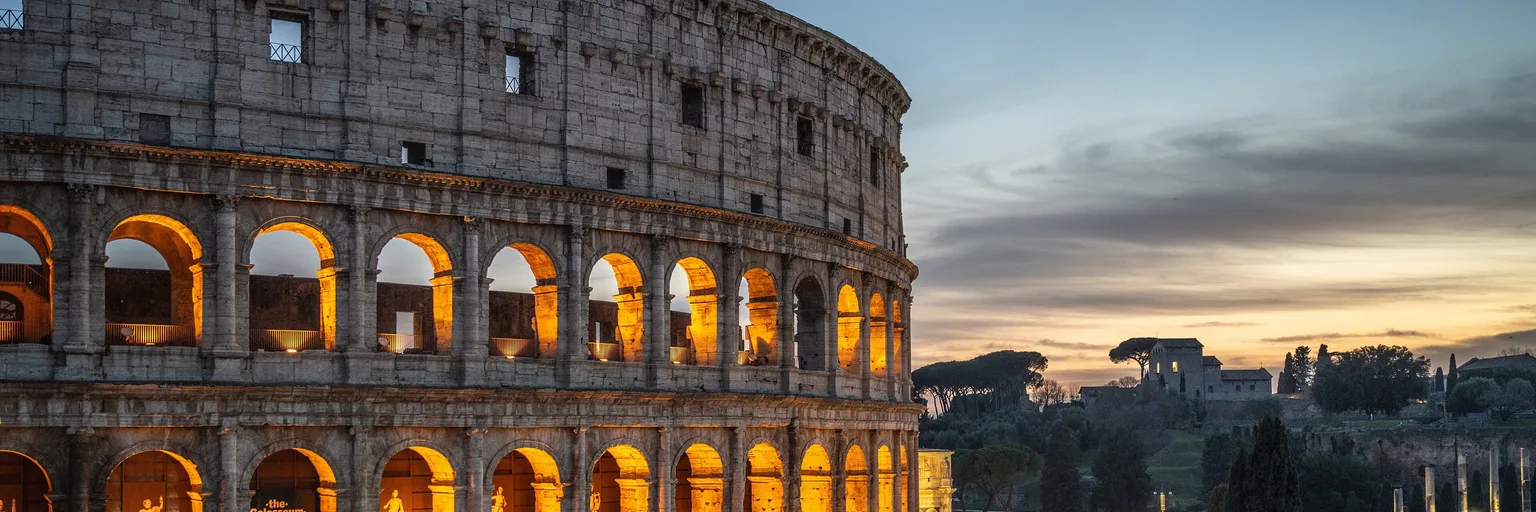
Colosseum's worker death must end acrobatic subcontracting at heritage sites
After 22-year-old Andrea Moretti fell at the Colosseum, Rome's archaeological park dropped subcontracting and rope-access work. Visitors should welcome slower, safer heritage sites.
Madagascar's doubled park fees are fair only if travelers can see where the money goes
Doubling entry fees after 12 years is defensible, but Madagascar National Parks must show the money reaches parks and guides, or the hike becomes a barrier.
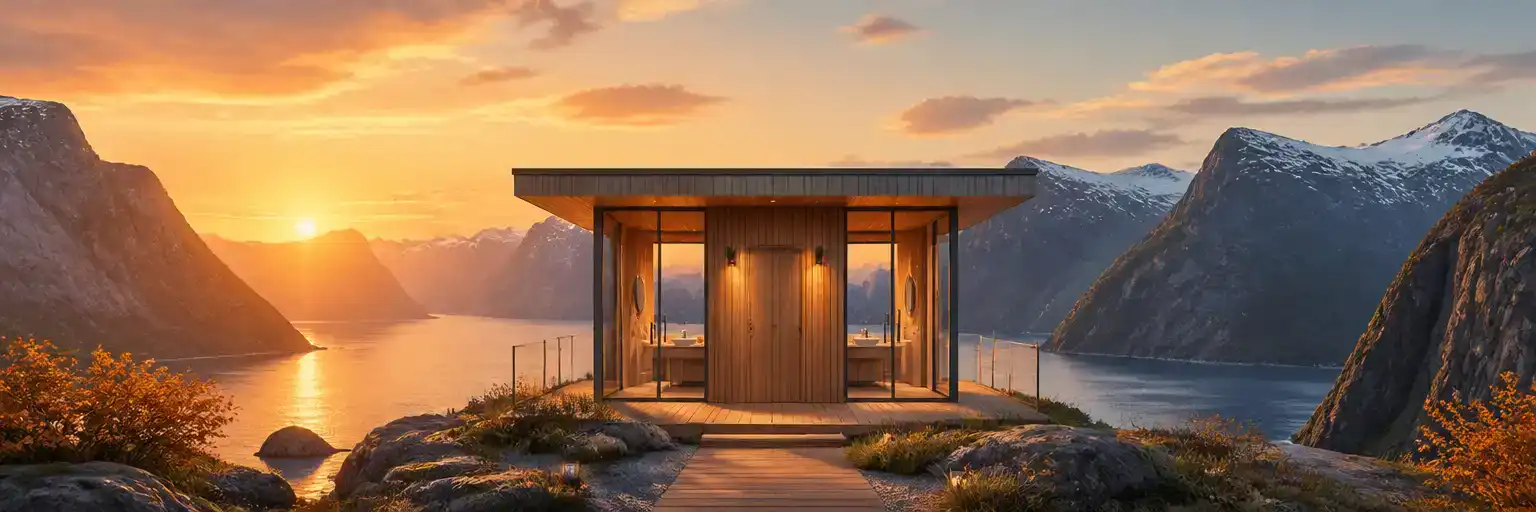
Norway's scenic toilets are a joke that only works if they work
Visit Norway turned a presidential insult into viral gold, but a restroom with a fjord view only counts as tourism strategy if it eases real pressure on visitors and places.
The tourists-per-resident ratio is the number Spain should fear
Raw arrivals flatter big destinations, but the ratio of visitors to neighbors shows where a city really strains. Spain's extremes are a warning, and travelers can respond.