Venice's Biennale proves art draws crowds. Now it must spread them out
The 2026 Art Biennale closed with 714,015 visitors despite controversy. That's a win for culture, and a reason to use it to ease pressure on Venice.
Photo: Armin Kleiner / Wikimedia Commons (CC BY-SA 4.0)
Can a city be too good at attracting people? Venice keeps testing that question, and the Art Biennale has just handed it a new data point: a show that spent months wrapped in controversy still pulled in crowds.
The 61st International Art Exhibition, "In Minor Keys," closed on Sunday, November 22, with 714,015 visitors, according to ANSA. Of those, 29,387 came during the preview days. The show, conceived by curator Koyo Kouoh, who died in May 2025, also had a record 100 national participations. Adnkronos puts it second in the event's history, behind the 800,000 of 2022 and ahead of 2024. It got there with roughly three weeks less open time, because the Central Pavilion at the Giardini was being renovated.
The controversy didn't scare people off, and that's the point
Il Gazzettino argues that the polemics may have helped the box office. It ties the result to president Pietrangelo Buttafuoco's decision to admit the Russian and Israeli pavilions despite pressure to keep them out. We wouldn't go as far as claiming a direct cause and effect; that is one newspaper's reading. But the broader lesson seems solid to us. People travel for art that matters, even when it's uncomfortable. Maybe especially then.
That's good news for anyone who worries that Venice has become a backdrop for selfies. We suspect that visitors who plan a trip around a major exhibition walk farther, look longer and engage more with the place. They aren't just ticking off a gondola photo. The Arsenale and the Giardini are also real working cultural sites, not theme-park props.
Success is also a load on a fragile city
Here's our uncomfortable view: a bigger number is not automatically a victory for Venice. A city that worries about being overrun should be wary of any blockbuster event that pulls more people into the same few streets at the same time.
The Biennale also isn't a one-off. ANSA notes that this edition follows record attendance at the 2025 Architecture Biennale and the 2026 Film festival. Stack those together and the calendar starts to look like a series of surges rather than a steady rhythm. We think that is the real risk. A city copes better with a constant flow than with peaks that pile onto a lagoon's narrow streets and vaporetto stops.
Use the Biennale to move people, not just count them
So what should Venice do with its cultural clout? Our recommendation is to treat attendance as a tool, not a trophy.
First, stretch the visiting season. Six-plus months is already long, and a late-autumn closing suggests people will come outside the summer rush. Programming that draws crowds in quieter weeks, like the ten days of debates, talks and performances at the Arsenale that wrapped up this edition, is exactly the right instinct. We'd like to see more of it.
Second, spread the audience across the city. The Biennale's core sites sit at the eastern edge. Satellite events and national pavilions are an obvious lever to send visitors into neighborhoods that rarely see them. This is our proposal, not an announced plan.
Third, stop celebrating raw numbers. The Biennale's official site logged 1.3 million active users and its social content drew about 144.9 million views. That reach is impressive, but it's also a marketing machine pointing people at one of the world's most crowded small cities. It should be paired with messages about when and how to come.
Our verdict
Congratulations are due: filling a show in the middle of geopolitical noise is no small feat. But the sensible reading of 714,015 isn't "more, please." It's "better distributed." If you're thinking of going to the next edition, aim for the shoulder weeks, book a night rather than a day trip, and give the quieter neighborhoods your time. Venice doesn't need fewer reasons to visit. It needs more reasons to visit on a Tuesday in November.
No topics yet: start the first one.
More stories
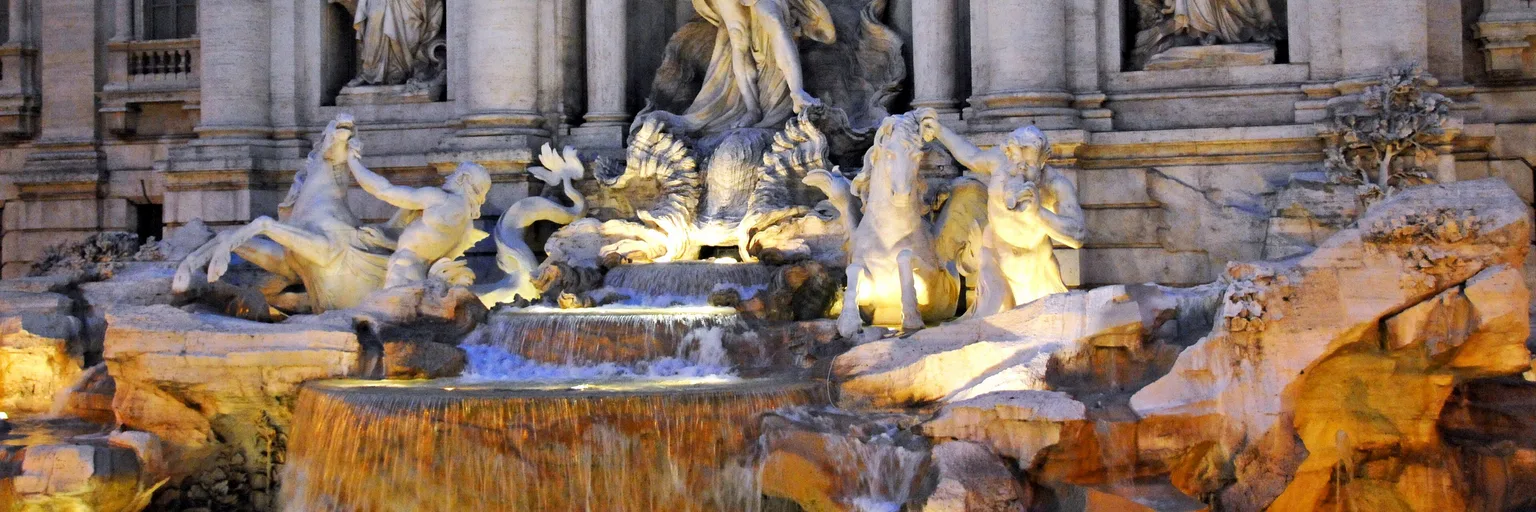
Winter solstice trips: go for the ritual at Stonehenge, not the crowd
Stonehenge opens free on solstice morning, but parking is sold out and thousands are expected. Treat it as a ritual with rules, not a photo op, and you'll enjoy it more.
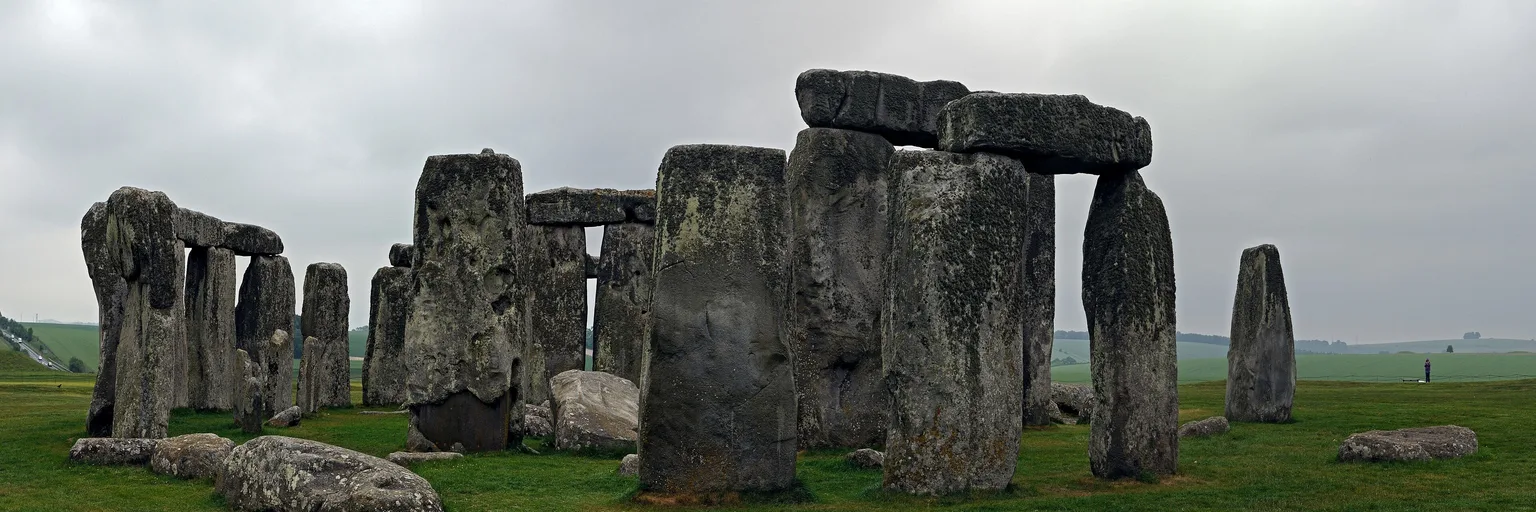
Roque Nublo at night: protecting an icon takes more than outrage
Two tourists climbed Gran Canaria's most famous rock in the dark. The lesson isn't to shame them online, but to enforce clear rules before an accident does it for us.
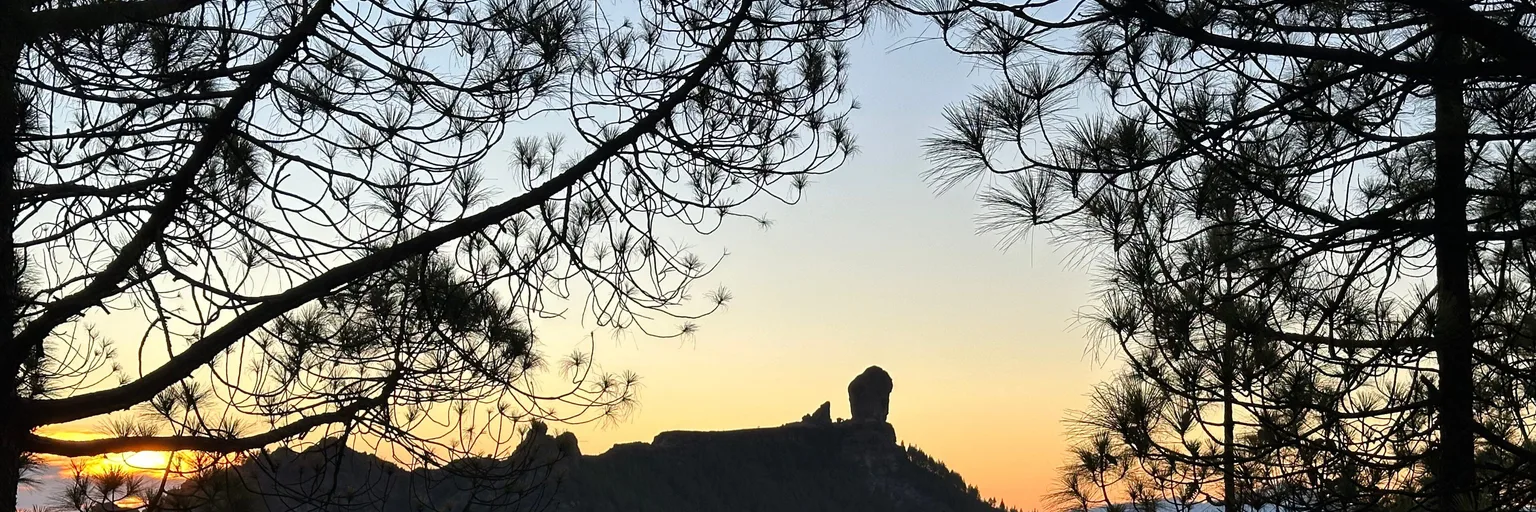
Venice's day-trip fee could double, and that's fine if it's honest
A possible €20 cap for Venice's 2027 access fee isn't the scandal it sounds like. It works only if it is predictable, aimed at peak days and visibly spent on the city.
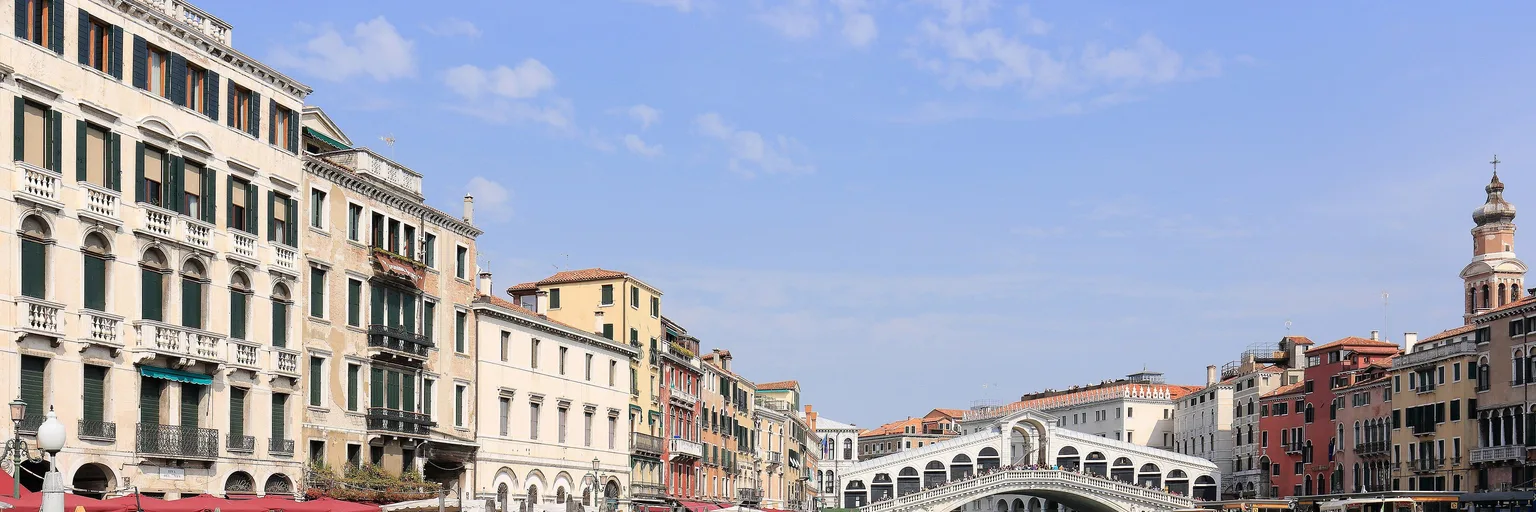
Trevi's ticket may tame the crowd, but it has to earn the coin toss
Rome's new fee for Trevi's inner basin looks like a smart crowd tool. Fewer coins for charity suggest it can also cost the ritual itself, so the city owes visitors proof.