Cabo Froward tests whether the world's edges can handle fame
National Geographic's 2027 list sends readers to a roadless Patagonian cape, and the real question is whether remote places can absorb that kind of attention.
AI-generated image
What happens to a place where the road ends, the river crossings come up to your waist, and the wind can top 60 miles per hour, once a global magazine tells its readers to go? We are about to find out at Cape Froward.
National Geographic has published its Best of the World 2027 list: 25 destinations across six continents. According to the magazine, Cape Froward will become a national park in 2027. It will be the 19th and southernmost stop on Patagonia's 1,700-mile Route of Parks, a project led by the nonprofit Rewilding Chile. The list also includes the fjords of Vestland in Norway and Penang, Malaysia, where a hill cable car is slated to open in 2027.
The list is at its best when it picks places that still feel unfinished
Lists like this usually go for the safe bet: the famous city with a new hotel, the beach with a new runway. This one has a different spirit. A park that is only now being created, at the southernmost point of mainland South America, is a bolder pick.
The editorial logic seems to be that "now" matters more than "famous." Openings, anniversaries and revivals are what make a trip feel timely. We think that is a smarter filter than pure postcard beauty. It rewards places in the middle of becoming something, not places that have been selling the same view for decades.
Cabo Froward's best defense is that it is hard to get to
Here is where we get optimistic, with caveats. The park has real conservation roots. Marca Chile reports that Rewilding Chile bought more than 127,000 hectares between 2021 and 2024 and donated them to the Chilean state for a national park. Counting other protected national lands, the total is about 178,000 hectares. The same piece describes some of the most pristine kelp forests on the planet, ancient peat bogs and the southernmost population of the huemul, an endangered deer.
There are no roads inside. National Geographic says you reach the wilderness on foot or by boat. Its own advice reads like a filter for casual visitors: go with a guide, never alone, and pack river shoes. The Chile Nativo expedition it describes runs five days and involves wild camping and waist-deep river crossings.
In our view, that friction is the best crowd-control tool the park has. It is hard to imagine mass tourism on a cape reached by a final gravel stretch, a hike along a beach and, for many, a boat. The people most likely to come are the ones willing to work for it.
The danger is not the crowd; it is the plan that arrives late
We would not call this risk-free. Attention tends to arrive before infrastructure. Rewilding Chile is already working on a master plan for low-impact visitor infrastructure and on science for a future marine protected area, according to Marca Chile. That is the right order of operations, but in our opinion it has to be finished and funded before the guidebooks catch up. Sources describe the park as projected or upcoming, so some details may still change, and travelers should check status before booking.
Small details will decide whether this works. Where do boats land? How many people can camp on fragile peat? Who monitors the whales and the huemul? A destination with hotels and a cable car can adapt to a surge of visitors. A subantarctic coast is a different story.
Our reading is that the park's remoteness buys it a few years, not forever. The test will probably not be 2027's headline, but the quiet seasons afterward, when attention fades and the management has to hold.
What we would do
If Cape Froward is on your list, go for the right reasons and the right way. National Geographic suggests the warm season, roughly October through April, and notes that October and November tend to be drier and less crowded. Build in buffer days for weather, book an experienced local operator and treat the trip as a privilege, not a checkbox.
If you would rather wait, that is a reasonable choice too. The best thing the list could do for Cape Froward is send a few well-prepared visitors, not a wave. Our verdict: applaud the pick, travel lightly, and judge the list in five years by what the places look like, not by how many people read about them.
No topics yet: start the first one.
More stories
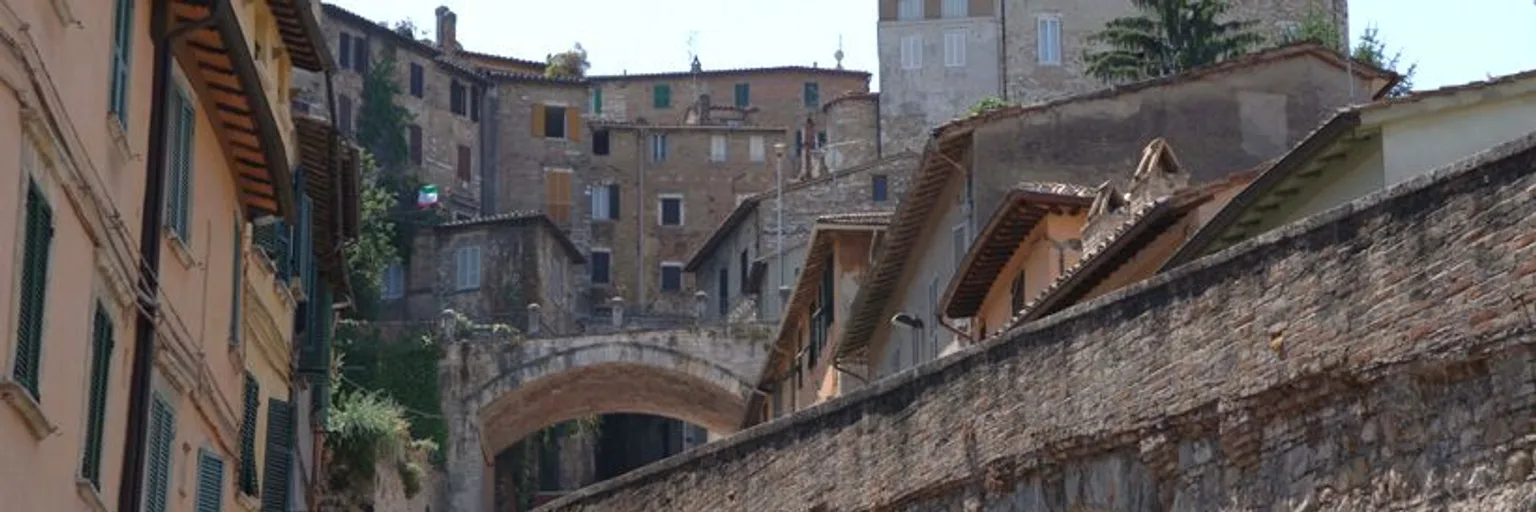
Perugia’s Expedia Moment Is Valuable—But It Is Not a Strategy
Expedia can put Perugia on more travel wish lists, but Umbria’s real opportunity is turning algorithmic curiosity into longer, more local and more balanced trips.
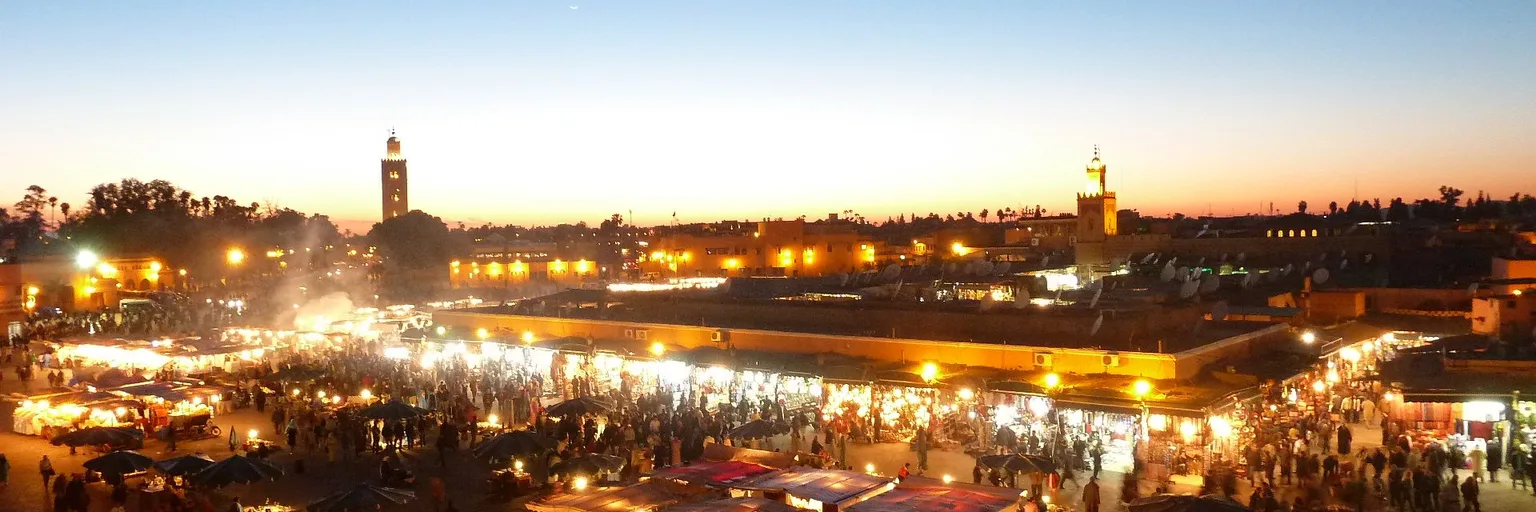
Morocco’s World Cup spotlight is an invitation, not a tourism strategy
American interest in Morocco is rising after the 2026 World Cup, but the lasting prize will be longer, wider and more responsible journeys—not a brief burst of attention.
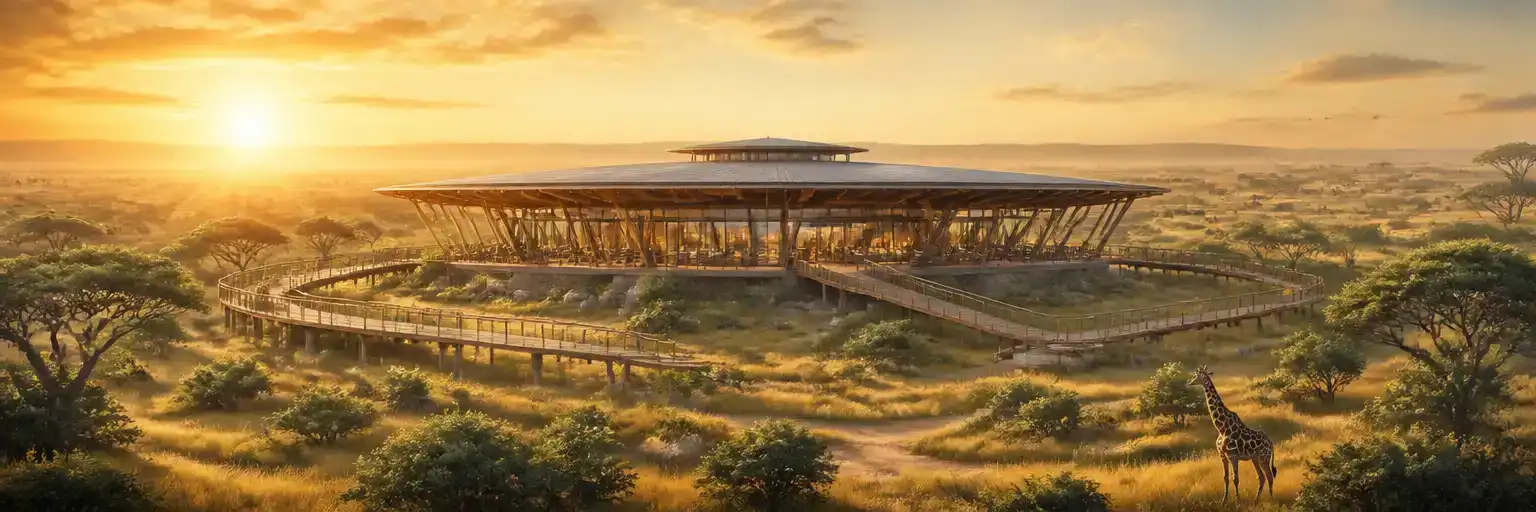
Serengeti’s New Visitor Center Should Make Conservation Unmissable
The Seronera center has the exhibits and scale to matter, but its success will depend on whether visitors can see where tourism, research and protection meet.
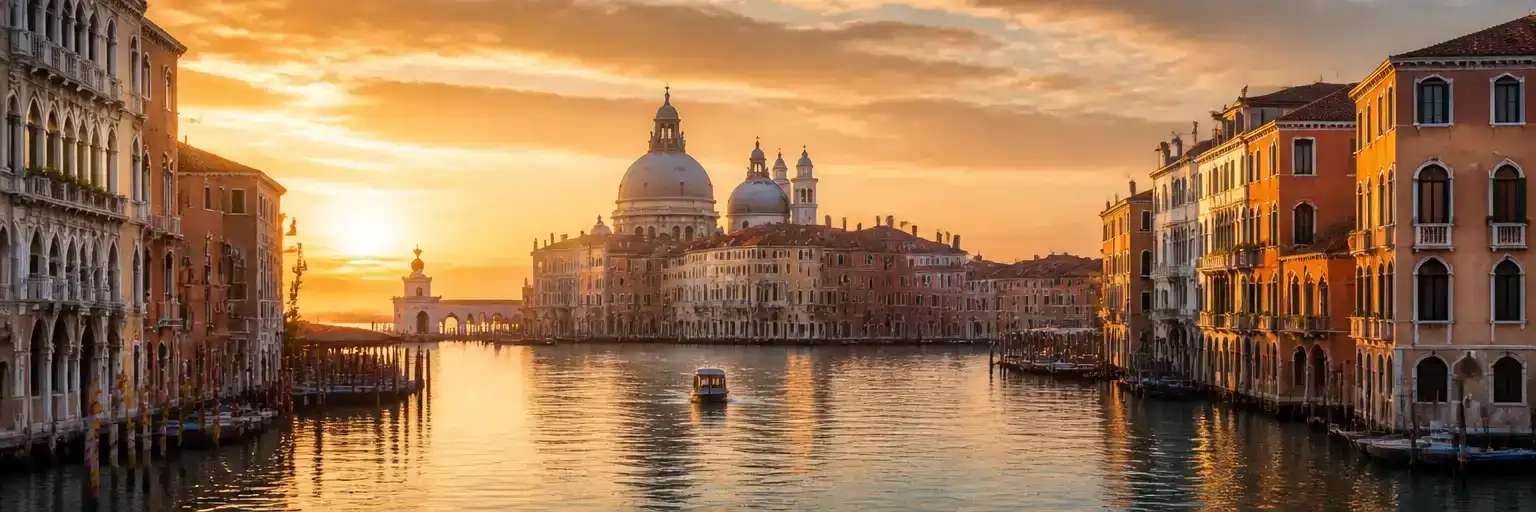
Venice’s Entry Fee Is No Cure for a City Losing Its Residents
Venice is extending its day-tripper fee, but the real test is whether tourism policy can protect homes and everyday life—not simply collect money at the gates.