Lisbon to Porto in 1h15 is a great promise, if the stations deliver
Portugal's high-speed line has finally broken ground. Whether it reshapes how we travel the country, or just feeds two crowded cities, depends on what happens outside the carriage.
Is a train that links Portugal's two biggest cities in about an hour and a quarter good news for travelers, or just a faster way to pile more people into the same two postcards? Our answer: both are possible, and the outcome is not decided by the trains.
The facts are simple. According to Expresso, construction of the first section, between Campanhã and Oiã, began on a Monday in mid-October after successive delays, and it includes a new bridge. Infraestruturas de Portugal says the project will cut Lisbon–Porto travel to around 1h15, Porto–Vigo to 0h50 and Lisbon–Madrid to 3h00. Note the phrasing: these are targets tied to the project's implementation, not a timetable you can book today.
The real prize is the map, not the stopwatch
Speed is the headline, but we think the more interesting change is mental. Today, many visitors treat Lisbon and Porto as two separate trips, or as a single rushed pairing. Cut the journey to 1h15 and the two cities start to behave like one big destination with two centers. That invites a different kind of itinerary: sleep in one, spend the day in the other, and stop obsessing over which gets the extra night.
The Porto–Vigo and Lisbon–Madrid figures matter just as much. If those links materialize, Portugal stops being the end of the line on an Iberian trip and becomes a natural link in a chain. That is a strong argument for rail over short flights, though we would note it is a forecast built on official targets, not a guarantee.
A fast train that drops you in the wrong place is a slow trip
Here is where we would push back on the celebration. High-speed rail is only as good as the last ten kilometers. A traveler who covers the main leg in just over an hour, then loses a good chunk of the saving figuring out the metro, the luggage and the transfer, has not really saved much time. We haven't seen detailed station or local-connection plans, so we can't judge them. In the coverage we've read, the conversation is mostly about contracts, bridges and delays, and much less about what it feels like to step off the platform.
Our view is that stations should be treated as the first impression of a region, with clear links to local trains, buses and walkable centers. If they are built as isolated transit boxes, the line will probably do what fast lines often do: concentrate visitors where they already go.
Use the line to spread out, not to speed up
The risk of overtourism in Lisbon and Porto is real, and a faster link makes day-tripping between them easier, not harder. The opportunity is the opposite one. If intermediate towns get proper stops and decent onward connections, travelers have a reason to break the journey instead of racing through it. We would love to see that happen, but the official calendar suggests patience. According to Plataforma Media, that calendar points to an award by the end of 2026 and contract signing in the first half of 2027. To us, this looks like a long project, not a next-summer upgrade.
Our verdict
Celebrate the groundbreaking, but don't plan your next trip around it yet. For now, keep taking Portugal at the pace it already offers, and treat the new line as a chance to travel more slowly, not more frantically, when it arrives. For Portugal, the test is simple: if the stations and local links are as ambitious as the rails, 1h15 will change how we explore the country. If not, it will just make the two busiest cities busier.
No topics yet: start the first one.
More stories
Cruise's Golden Era? Record Demand, But Brace for the Squeeze
The global cruise industry is set for unprecedented growth, with millions projected to sail by 2027, yet this surge in popularity brings the twin challenges of potential overcrowding and infrastructure strain.
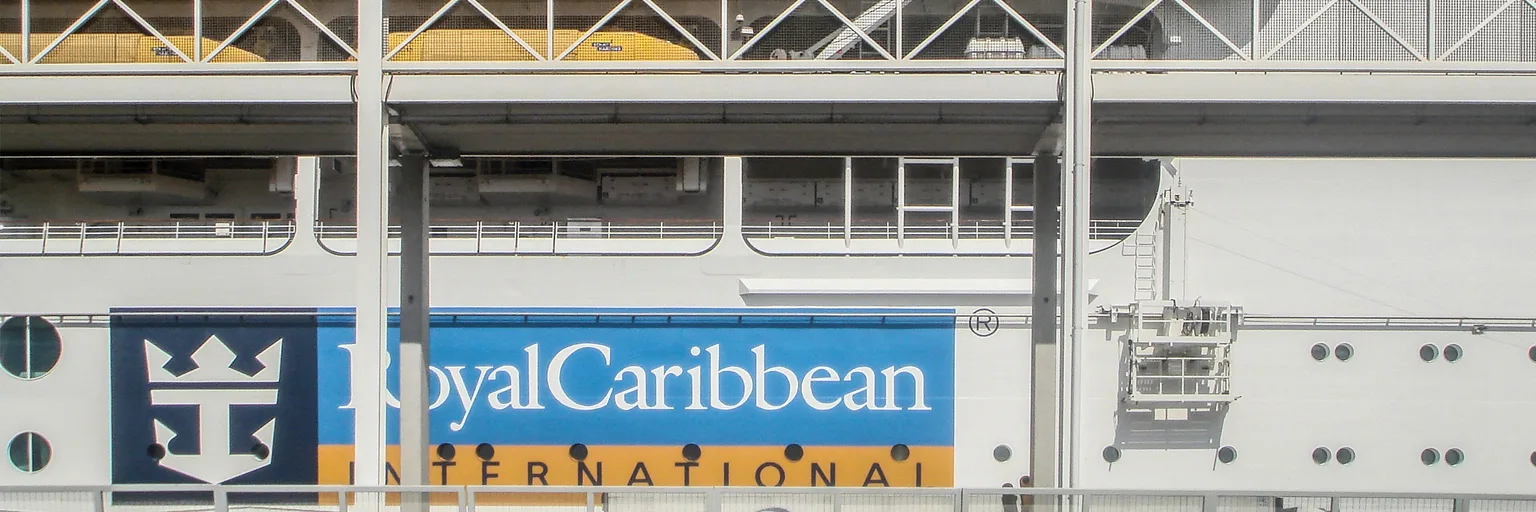
France's Tourism Sector: Curfews Threaten Its Cherished Image
Ongoing curfews in Paris and other French cities, a direct response to urban unrest, are raising alarms for the nation's vital tourism sector, threatening its meticulously cultivated image and future appeal.
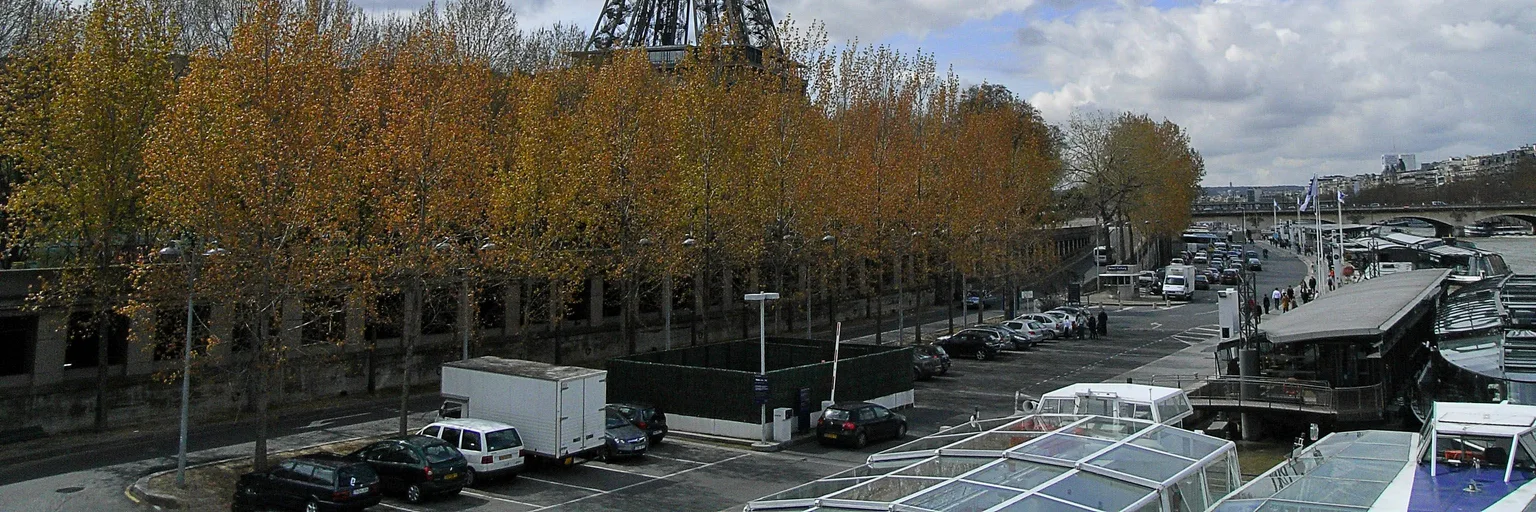
Japan's Tourism Ascendance: A New Global Blueprint
Japan's leap to the top of the Travel & Tourism Development Index signals a paradigm shift in global tourism, blending deep cultural richness with strategic visitor experiences to set a new benchmark.
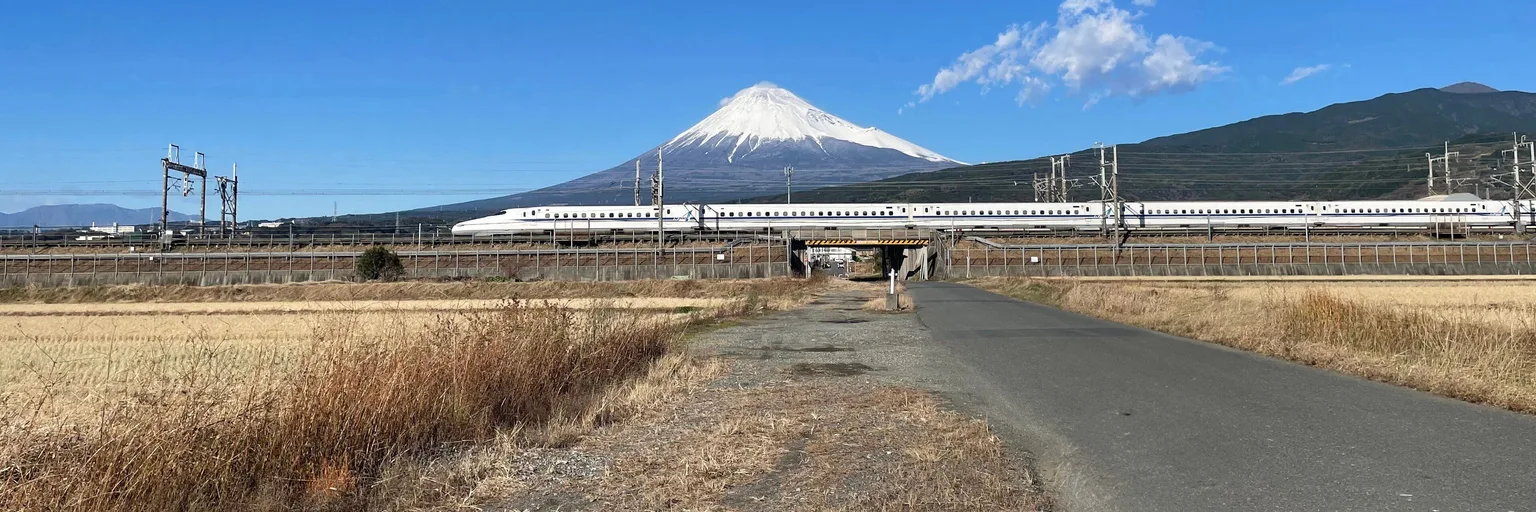
Experiences Over Everything: Why Our Aspirations Are Reshaping
Consumers globally are redefining wealth by prioritizing travel and meaningful experiences, a profound shift reshaping industries and personal values far beyond material acquisitions.