Spain's tourist taxes and caps treat the symptoms, not the crowds
Taxes and local caps make Spain look busy fixing overtourism, but arrivals keep climbing. Without spreading visitors out and limiting peak capacity, anger will grow.
Photo: Jorge Láscar from Australia / Wikimedia Commons (CC BY 2.0)
What do you call a policy that charges more for every tourist and still ends up with more tourists? In Spain, increasingly, you call it a strategy. Taxes and access limits are real, and all visible. The crowds, meanwhile, keep coming.
That is the uncomfortable picture. Cities have raised tourist taxes and set local limits, yet the numbers keep climbing. Oxford Economics expects Spain to receive at least 109 million tourists this year, some 12 million more than in 2025, according to Cadena SER. In 2024, the country had 94 million visitors for roughly 48 million residents.
Taxes are a revenue plan wearing a crowd-control costume
Barcelona is the clearest case. A five-star hotel guest there now pays €15 per day in tourist tax, and four-star guests pay €11.4, per Cadena SER. A quarter of the take goes to housing policy and 75% to a fund for promoting tourism, including programs to spread visits across the year. That is sensible. But look at what it is: a way to get the city paid for the pressure, not a way to reduce the pressure.
We think that distinction matters. A few extra euros per night is a rounding error in a trip that already includes flights and dinners. Nobody skips Barcelona over €11.4. The tax can fund housing and off-season programs, and that has value, but calling it a brake is generous. It looks more like a toll on a road that is still being widened.
The caps that work are the boring, local, peak-season ones
Not everything is cosmetic. Ibiza's capital agreed to cut the days with ships carrying more than 8,000 beds from 21 to four this year, after 2025 saw seven days with over 11,000 cruise passengers. Sant Antoni is controlling vehicle access to the Cala Salada and Cala Saladeta beaches until October 15, letting cars in only while parking spaces last. Toledo limits groups to thirty people in central spots and bans megaphones.
These measures share something the taxes lack: they say no, physically, at a specific time and place. That is where we would put the weight. A hard limit on peak-day capacity is felt by visitors and operators alike, and it changes behavior in a way a price signal rarely does for a traveler who has already committed.
The sociologist José Ariza De la Cruz, quoted by Cadena SER, puts the goal well: reduce flows while spreading them more evenly through the year instead of piling them into a summer peak. We agree, and we would add that this is exactly the part the current toolkit looks likeliest to underdeliver on. Barcelona's plan to trim the visitors entering one of its attractions from 4.5 million to 4 million by 2027, about 1,360 fewer per day, is a start. It is also a modest number next to a national total heading up by double-digit millions.
Local anger is the metric that is not being counted
Housing is the fuse. In our reading, the 2024 protests in the Canaries, the Balearics and Barcelona were driven less by noise than by rents and a sense that a model built for visitors had stopped working for residents. As the Wikipedia summary notes, a protest group on Tenerife said it was not against tourism, but against a model that allows unsustainable growth. It is hard to see what has changed structurally since then, other than the invoices.
The European Parliament's tourism committee has at least named the right goal. A resolution it approved in March 2026 aims to spread tourists more evenly across the continent, with integrated cross-border ticketing and investment in undervisited regions, as reported by Tripprof. It is non-binding, and the full vote was still pending in that report, but the direction is right. Redistribution is the only strategy that scales, we believe; fees alone do not.
What travelers should do now
Do not wait for governments to solve this. If you are going to Spain, go outside July and August, and look beyond the most-visited places. The coast and the big cities are famous, but the country's historic towns and smaller destinations are also real Spain, and they welcome you with fewer elbows. Book beaches and attractions with access rules in mind, take the bus where there is one, and treat tourist taxes as the cost of being a guest rather than an insult.
Our verdict: Spain is not losing because it lacks tools. It is losing because it taxes and polishes while the peak keeps rising. Until someone dares to cap peak-season capacity and genuinely pull visitors toward the shoulder months and the interior, the anger will probably outrun the policy. The traveler who shifts their dates is not just saving money. They are, quietly, part of the fix.
No topics yet: start the first one.
More stories
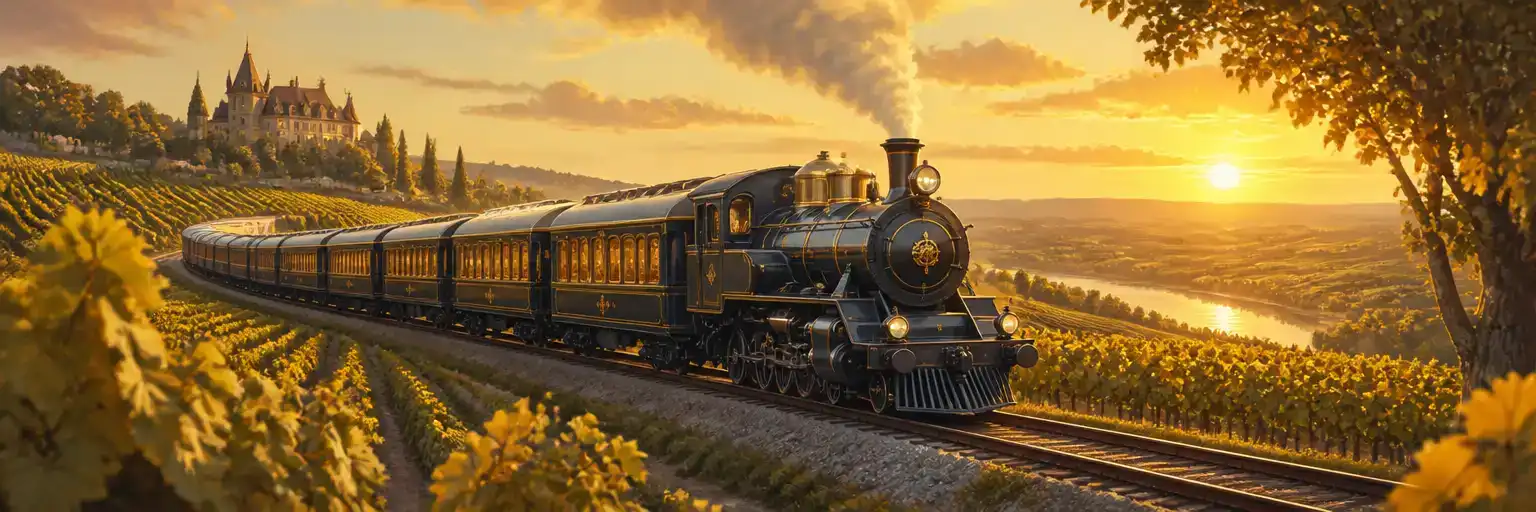
Puy du Fou's luxury train must prove France is real, not staged
A theme park running a six-day Belle Époque rail tour is a clever idea, but at these prices it only works if it shows us France, not a costume drama about it.
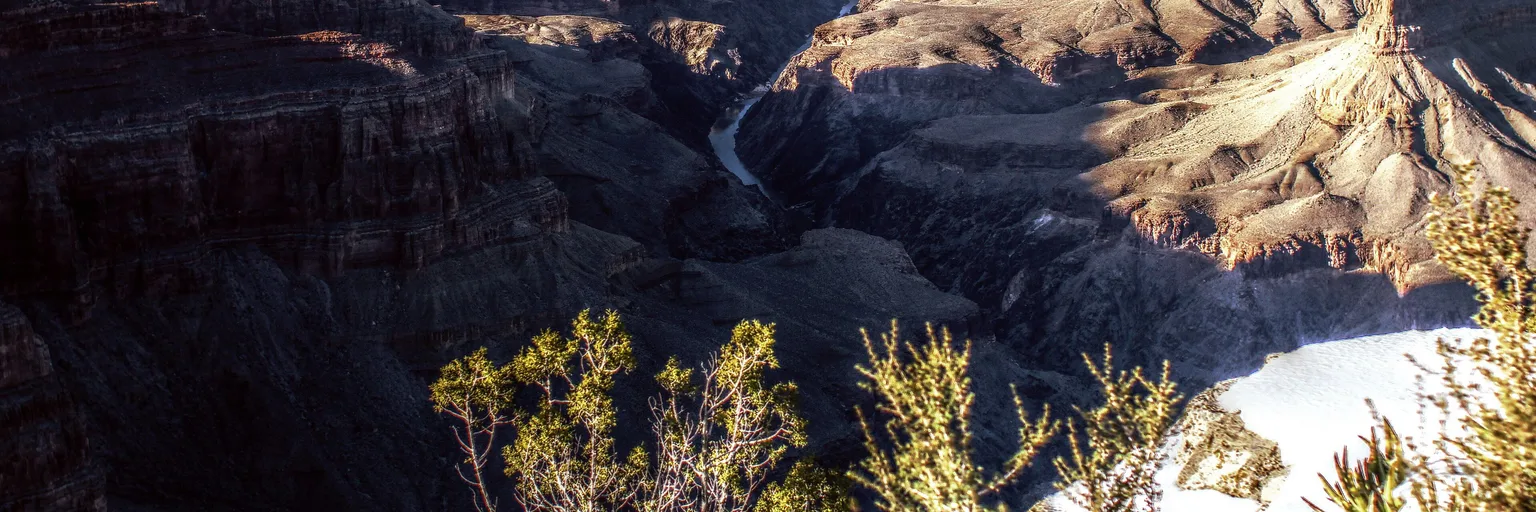
The $100 park fee for foreigners is fair in theory and a blunder in practice
Charging nonresidents more is common worldwide, but a $100 per-person surcharge, rolled out abruptly, is missing its revenue target and sending visitors the wrong message.
Lisbon to Porto in 1h15 is a great promise, if the stations deliver
Portugal's high-speed line has finally broken ground. Whether it reshapes how we travel the country, or just feeds two crowded cities, depends on what happens outside the carriage.
Cruise's Golden Era? Record Demand, But Brace for the Squeeze
The global cruise industry is set for unprecedented growth, with millions projected to sail by 2027, yet this surge in popularity brings the twin challenges of potential overcrowding and infrastructure strain.