Bohol's whale sharks may be back on the menu, and the rules must bite
A November reopening of whale shark watching can work for Bohol, but only if limits, enforcement and a real closed season matter more than the booking calendar.
Photo: Jake Gaviola ijakegaviola / Wikimedia Commons (CC0)
What do you do when the most photogenic animal in the sea becomes the most bankable? Bohol is about to answer that question in public. Whale shark watching is expected to resume in November, and the real story isn't that the sharks may be back on the itinerary. It's whether the island has learned anything from the way this business started.
The reopening exists on paper, not yet on the calendar
Interaction was suspended in early 2025. According to the Inquirer, Gov. Erico Aristotle Aumentado banned all interactions with the animals, feeding above all.
A June 2026 TTG Asia report says an ordinance now sets guidelines and accreditation requirements for operators. A Triphappy.ph page citing a September 2026 DYRD Bohol ang Kasaligan report adds that the original interaction site in Lila is expected to reopen, with a proposed November-to-July season and a closure from August to October. That schedule is still subject to official confirmation, so treat it as provisional.
The business model is the risk, not the animal
Whale sharks sell themselves. The sources describe how Oslob grew from one fisherman's discovery in 2011 into a destination with more than 100,000 visitors a year, and how Lila copied it. Nobody planned the harm. It accumulated quietly, which is exactly the problem with wildlife tourism.
The dive operators whose pages we reviewed say sharks fed from boats learned to associate boats with food. They also say the animals stayed far longer than the natural stay of about 60 days, and that newly arrived sharks developed lesions within a week. One shark reportedly stayed 392 days. None of this shows up in a smiling snorkeling photo, and that's why we think regulators should assume the damage is happening even when the visit looks gentle.
So the new rules, which include no feeding, no touching and minimum distances, are the right ones. But rules already existed in Oslob. A monitoring study cited by a Bohol dive operator logged 29 active touches per hour, mostly initiated by the feeders. Written limits are cheap. Enforced limits are what count.
Three tests that will tell us if Bohol means it
First, no feeding, full stop. Without bait, the experience changes: fewer guaranteed sightings, more luck. The comparison with Donsol is instructive. One traveler writes that, as of 2024, sightings there had fallen to one or two sharks every few days even in the peak months, and describes their own morning of three hours searching and hoping as less successful. We would argue that is what honest wildlife tourism looks like, and operators should sell it that way instead of promising a sure thing.
Second, a closed season that really closes. Three months of rest from August to October is a sensible idea, but only if it survives the first busy year. The pressure to shorten it will come exactly when hotels want full rooms.
Third, accreditation with consequences. One dive operator's page says investigations found that many operators lacked the right permits. If the new framework doesn't remove operators who break it, it's decoration.
Don't book the headline: book the operator who says no to bait
Don't book on the strength of a reopening headline. At the time of the source we have, whale shark tour bookings through at least one agency were marked as not yet available, pending official authorization. Wait for confirmation, ask any operator directly whether they feed the animals, and keep your hands to yourself. If a tour promises a guaranteed sighting, we'd read that as a warning sign, not a perk.
Our verdict: reopening is defensible, but only conditionally. Bohol has done the hard part on paper by banning feeding and writing an ordinance. The harder part begins in November, if the reopening goes ahead, when the tourists arrive and the temptation to look away arrives with them. If the island keeps its limits, it could offer something better than Oslob's petting-zoo model. If it doesn't, we'll have simply moved the problem down the coast.
No topics yet: start the first one.
More stories
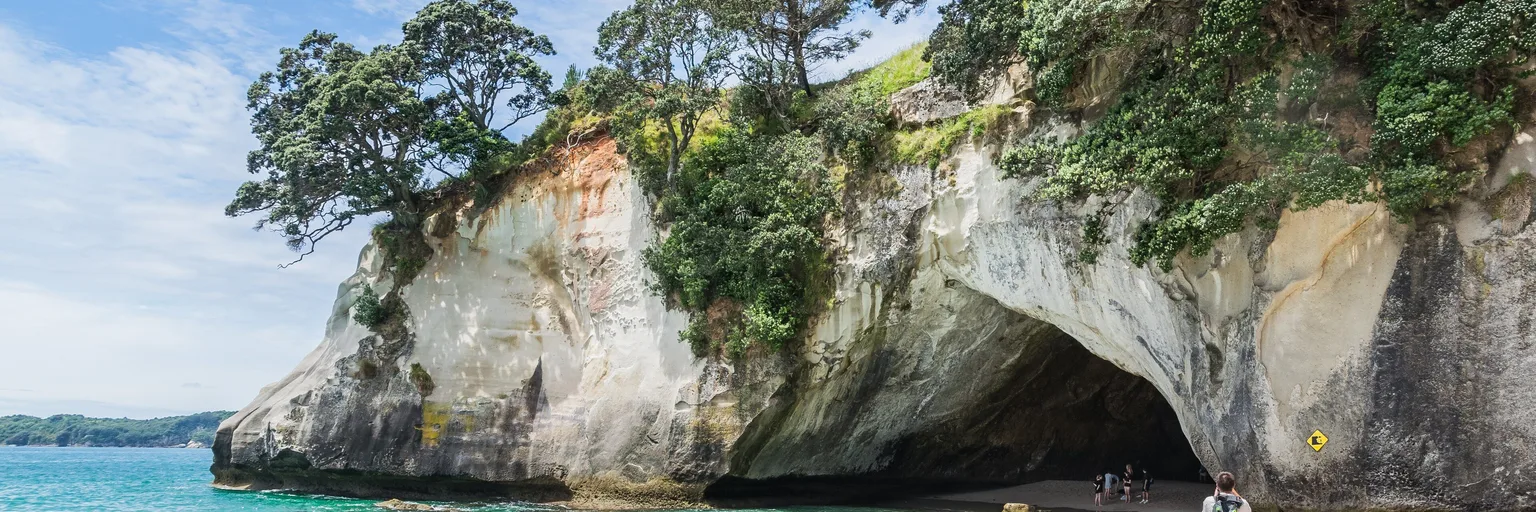
Cathedral Cove's cheaper track is good news. Now cap the crowds
A $121,000 reroute could reopen the Hāhei walk before Christmas, but a cheaper path only works if New Zealand pairs it with limits on visitors and honest rules about slips.
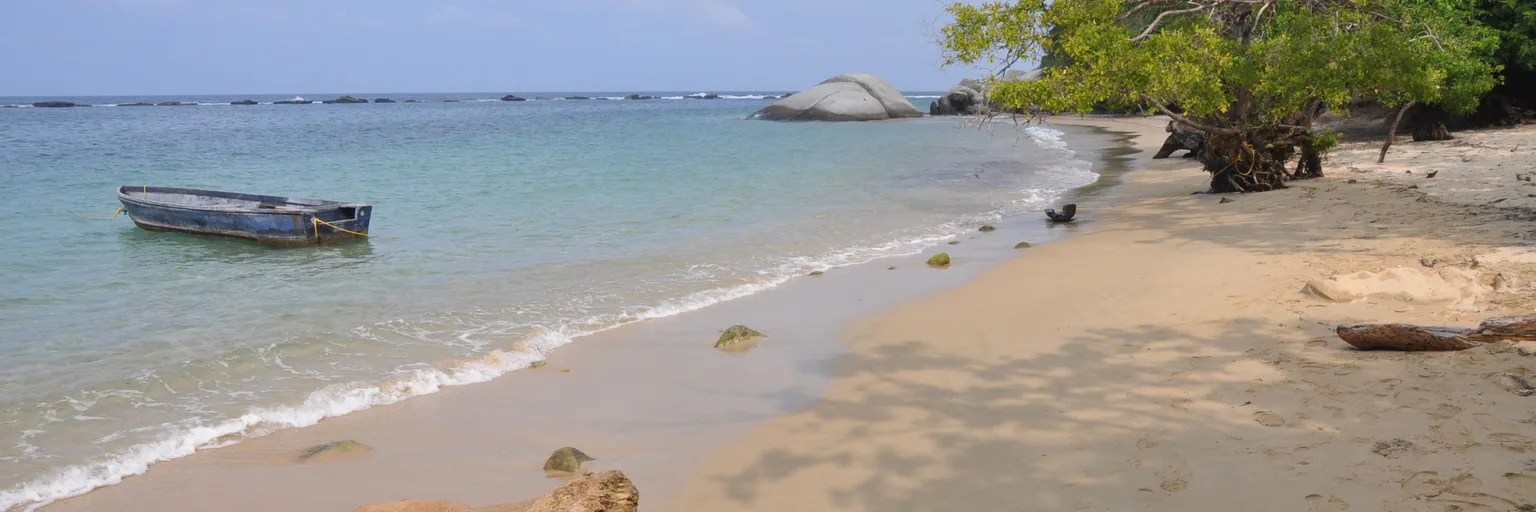
Tayrona's closures should be the template for resting fragile parks
Colombia's Tayrona shuts for 15 days, three times a year. It's a nuisance for travelers, and it's exactly the kind of habit more fragile places should adopt.
Hampi's UNESCO Review Should Make Visitors Want Limits
A UNESCO-ICOMOS mission is reviewing Hampi's conservation, tourism infrastructure and master plans. Travelers who love ruins should cheer for caps, not just easier access.

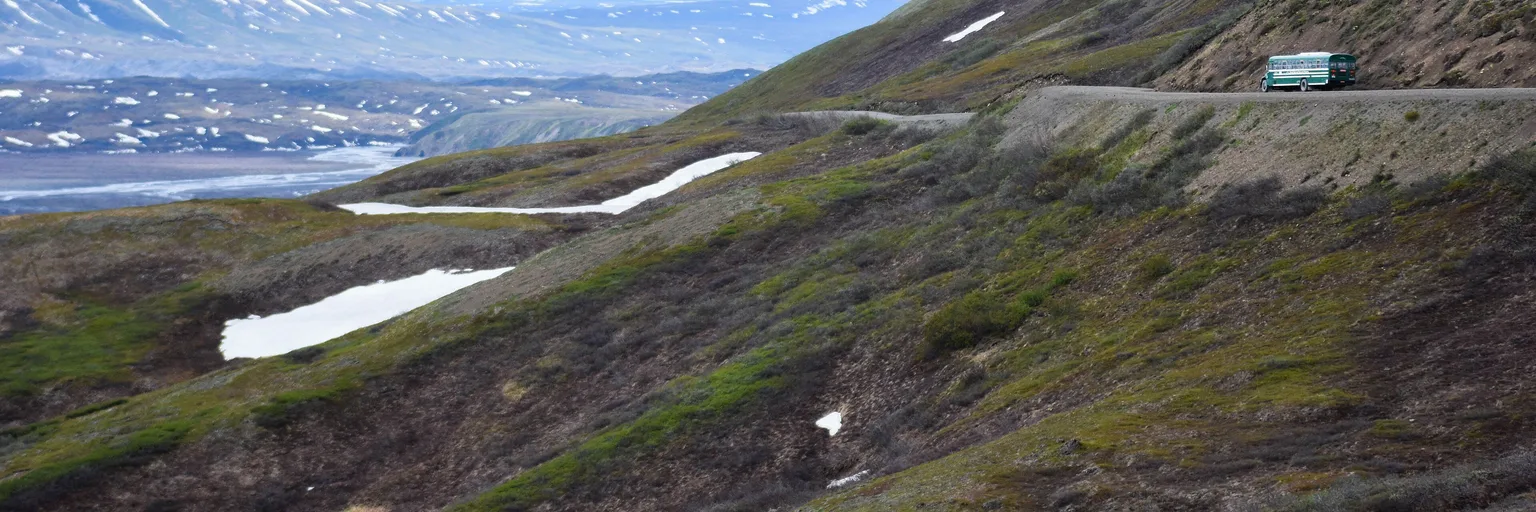
Denali's 160-vehicle cap isn't new, and that's why it works
The rule taking effect November 16 mostly writes down a limit Denali has lived with for years. The real risk for 2027 is a scramble for seats, not too many cars.