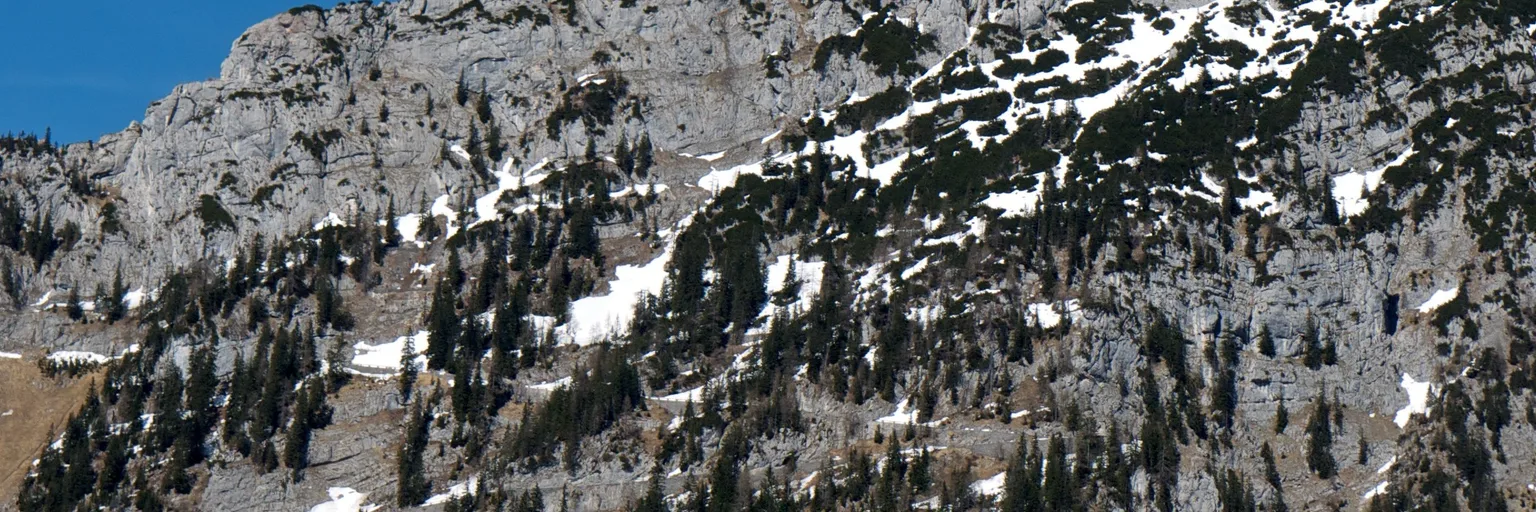
Tayrona's closures should be the template for resting fragile parks
Colombia's Tayrona shuts for 15 days, three times a year. It's a nuisance for travelers, and it's exactly the kind of habit more fragile places should adopt.
Photo: Jorge Láscar from Australia / Wikimedia Commons (CC BY 2.0)
What if the most responsible thing a famous park can do is lock its gates on schedule, with no apology? Colombia's Tayrona National Park is doing exactly that, and we think the rest of the world should be taking notes instead of grumbling about the inconvenience.
The park, on the Caribbean coast near Santa Marta, is closed to visitors from October 19 to November 2, 2026, and reopens on November 3. Ecotourism services are suspended too. This is the last of three scheduled 15-day closures this year, under the #RespiraTayrona campaign, following February 1-15 and June 1-15. They come from agreements between the national parks agency and the Arhuaco, Kogui, Wiwa and Kankuamo peoples of the Sierra Nevada de Santa Marta.
A scheduled rest beats an emergency shutdown
Not every closure at Tayrona is created equal, and the contrast is the best argument we have. In February, the park was closed from February 17 to March 4 because of public safety risks, with no clear reopening date at the start. Sacred Treks describes that episode as a security crisis: the parks agency cited escalating threats, days after an operation against unauthorized constructions inside the park.
Now compare that with the October pause. The dates are agreed in advance with the people who consider this land sacred, and they repeat every year. In our view, that makes it far less disruptive. Our take: predictability is the whole point. A closure you can plan around is a minor scheduling issue. One you can't plan around is a crisis. Fragile places should choose the first kind before they are forced into the second.
The rest is for the land, and for the people who hold it sacred
The usual objection is that a ban on visitors is a loss. We'd argue it's maintenance. According to tour operators such as Expotur and Wiwa Tours, the pause lets beaches, trails and reefs recover from visitor pressure, gives wildlife room to nest and move, and opens a window for monitoring and repairs. For this edition, Parques Nacionales and the regional agency Corpamag plan cleaning and restoration work on beaches and other ecosystems, according to the Santa Marta outlet El Callejero.
There is also a cultural reason that tourism commentary often skips. The closure falls in Nabbatashi, a period in the four peoples' calendar for spiritual work at sacred sites, including offerings known as pagamentos. We find it hard to call that a cost. A park named after the Tairona civilization closing so its living descendants can work in peace is arguably the most honest thing a tourist destination can do. Visitors are guests on someone's ancestral territory, and guests respect house rules.
One caveat: we can't verify from the documentation how much recovery these 15 days actually deliver. Operators who sell Tayrona trips also promote the closures, so some enthusiasm may be self-interested. The case for rest is persuasive, but it would be stronger with published monitoring results.
Plan around it, and use the gap
For travelers, the practical answer is dull and effective. Check the official calendar before booking flights. Don't build a trip around a closure window, and verify again the week you go, since extra temporary closures can be added for weather, operational or safety reasons. The park also sells tickets daily at the entrance, with no advance reservations, so confirming status beforehand matters more than usual.
If your dates collide with a closure, treat it as a prompt to see something else. Operators suggest Minca, with its mountains, waterfalls and coffee farms, or the desert landscapes of Punta Gallinas and Cabo de la Vela in La Guajira. Those are commercial recommendations, but the logic holds: the Colombian Caribbean is bigger than one park, and spreading visitors out is itself a conservation tool.
Our verdict
Tayrona's rest periods are not a flaw in the visitor experience. They are the visitor experience, protected. We'd like to see more heavily visited, ecologically delicate parks adopt a fixed, announced, culturally grounded pause, ideally with public results afterward. If you were hoping to be on those beaches before November 3, be annoyed for a day. Then rebook for after the reopening, and arrive knowing the place has had a chance to breathe.
No topics yet: start the first one.
More stories
Hampi's UNESCO Review Should Make Visitors Want Limits
A UNESCO-ICOMOS mission is reviewing Hampi's conservation, tourism infrastructure and master plans. Travelers who love ruins should cheer for caps, not just easier access.
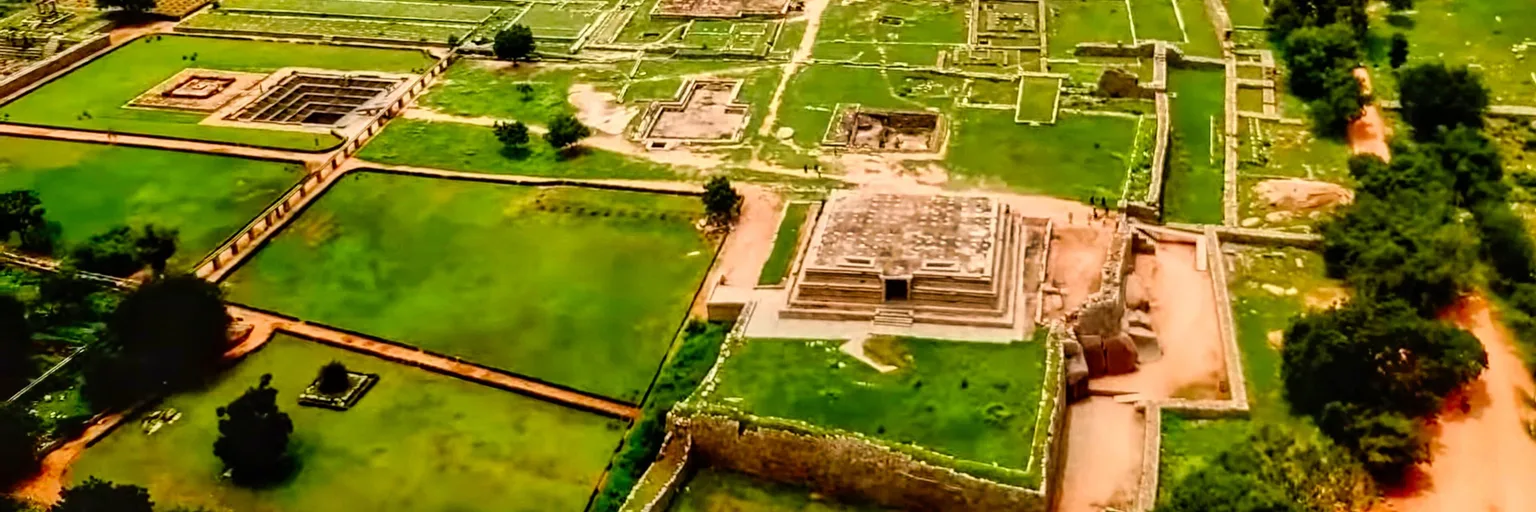
Denali's 160-vehicle cap isn't new, and that's why it works
The rule taking effect November 16 mostly writes down a limit Denali has lived with for years. The real risk for 2027 is a scramble for seats, not too many cars.
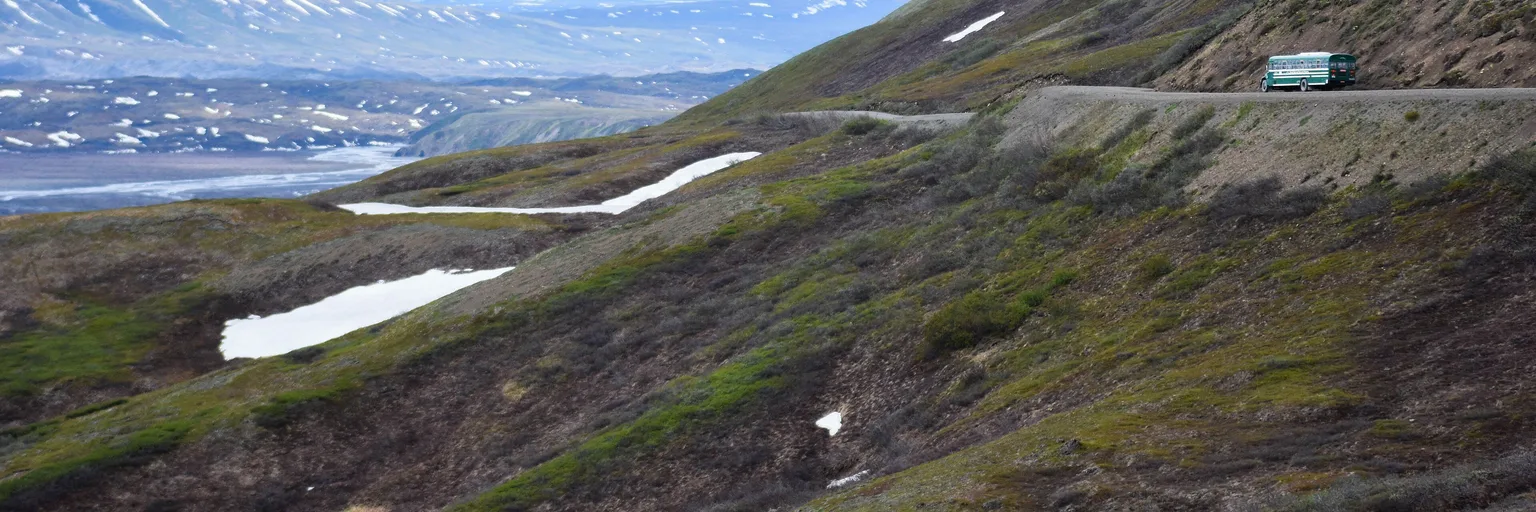
Bucovina is Time Out's most underrated place. Let's keep it that way
Topping a list of underrated destinations is a blessing and a curse. Bucovina deserves the crown, but the best way to honor it is to arrive slowly and spend locally.
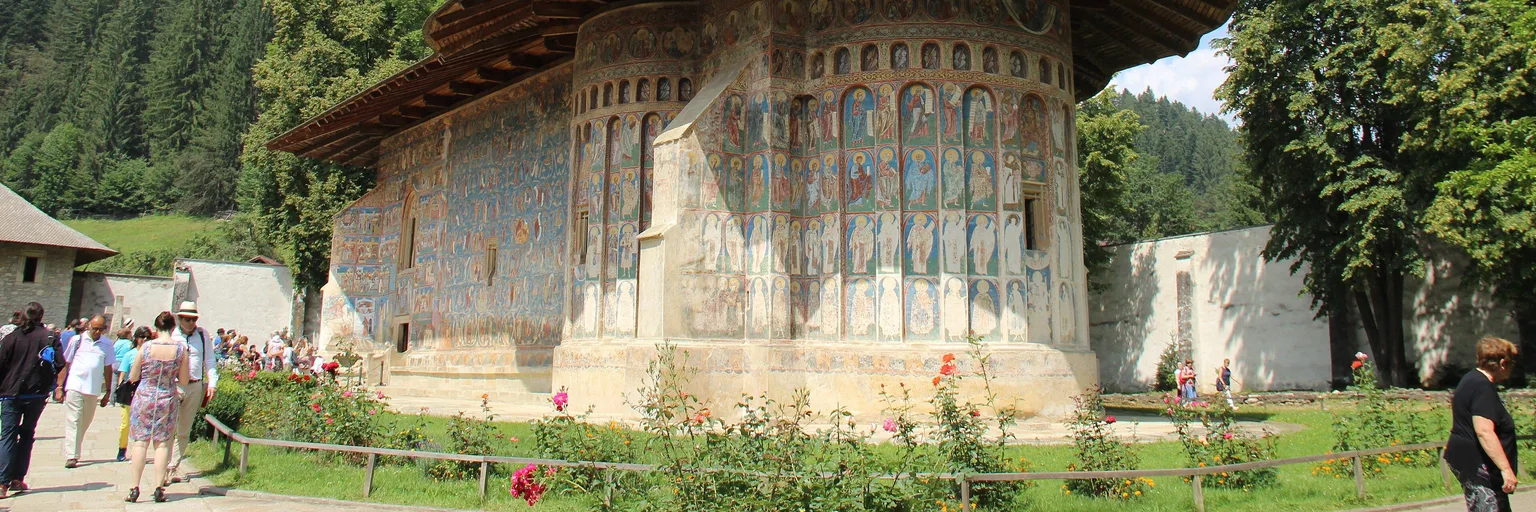
The Eagle's Nest fire is a warning for dark-heritage travel
A blaze at the Kehlsteinhaus shows how fragile and contested dark-heritage sites are. Go for the history, not the shock, and demand that Berchtesgaden is clear about it.