Yellowstone's trash record is a design failure, not just a manners problem
More than 23,000 pieces of debris pulled from geysers and hot springs show that pleading with visitors isn't enough, and that education and enforcement should come with the ticket.
Photo: Yellowstone National Park from Yellowstone NP, USA / Wikimedia Commons (Public domain)
Is it still fair to call a hat in a hot spring a "funny find"? Yellowstone's trash haul keeps turning into a listicle of oddities: AirPods, a rubber duck, a single Uno card. The punchline hides a less amusing story about how we visit the world's most famous thermal landscape.
As Fox News reports, the park's geology team had collected more than 23,000 pieces of trash by early October, in a record-setting year. The haul included roughly 10,700 rocks and sticks and more than 360 hats.
The September USGS report, as Outside reports, put the 2026 haul at a 50 percent jump over last year's. More than 2.64 million people visited between January and July, nearly tying the park's busiest year.
"Mostly accidental" is not the same as harmless
To be fair, Margery Price, a physical science technician with the park's Geology Program, told National Geographic, "We believe that most of those are accidental." Wind takes tissues, maps and hats. Nobody is plotting to wreck a spring with a sunglasses case.
But we think "accidental" is doing too much work in the public conversation. The park's own geology staff note that some of the debris is intentional, such as orange peels and sunflower seed shells. Coins are tossed in as if hot springs were wishing wells. And intent hardly matters to the spring. Foreign material can clog a water supply, block a runoff channel or pollute the water. Debris often builds up in busy areas like Midway Geyser Basin, home of Grand Prismatic Spring, and around Old Faithful. Morning Glory Pool changed color in the twentieth century because of what visitors threw in, and the park once partly drained it to pull the junk out.
The damage can also be permanent. Outside notes that rocks tossed into Minute Geyser by early 20th-century visitors have been cemented by minerals and can't be removed without risking more harm. Its eruptions, once every 60 seconds, are now smaller and irregular. That is the real cost of a casual toss.
The design problem nobody wants to say out loud
Price put it plainly: the more foot traffic, the more trash, "but this is especially true in wide open geyser basins with narrow boardwalks." That is a design observation. Millions of people funneled along narrow walkways over open, windy terrain will drop things. In our view, the response can't be only to hope visitors tighten their hats.
The park's own advice is sensible: "stash your trash," secure your hat and stay on the boardwalk. But advice on a web page reaches the people who read web pages. Our recommendation is to move it to the point of entry and the point of risk. Brief, unavoidable messaging at the entrance stations and the trailheads of the busiest basins would help. So would visible ranger presence in the places that produce the most debris. Throwing items into hot springs is already illegal, according to the Yellowstone Volcano Observatory, so enforcement of rules that exist belongs here, not new rules.
There is also a safety argument. Staff recover items with poles and strainers, and the geology team is trained for hydrothermal terrain. The rest of us are not. Todd Walton, director of sales and marketing for Yellowstone National Park Lodges, warned that many thermal areas sit between 150 and 200 degrees Fahrenheit and that the ground can give way. Anyone tempted to step off a boardwalk to retrieve a hat is making a worse mistake than losing it.
Carelessness at scale is harder to fix than villainy
Fox's headline says reckless visitors are "destroying" Yellowstone's thermal pools. We'd put it differently. Most of this looks like carelessness at scale, and that is harder to fix than villainy. It calls for a visit that is designed around the wind and the crowds, with clear expectations set before anyone reaches the boardwalk.
If you go, treat the rules as part of the experience. Zip your pockets, hold your hat, keep coins in your wallet and stay on the path. If something falls in, tell a ranger rather than reaching for it. And if you're planning a late trip, check road status first: most park roads close to regular vehicles in early November, according to the National Park Service.
Education and enforcement should be the real price of admission to a place that may not be repairable once we've loved it too carelessly.
No topics yet: start the first one.
More stories
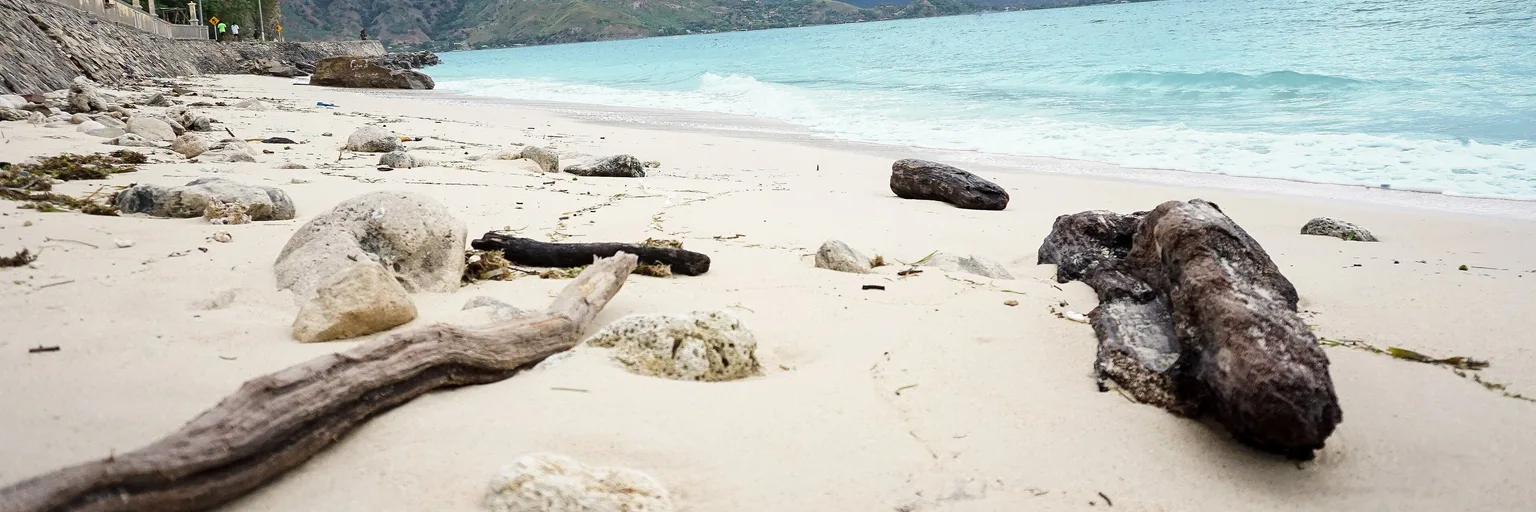
Timor-Leste is the quiet Bali alternative, if we let it stay quiet
Timor-Leste offers diving, coastline and a sense of space that Bali has long promised. But its thin infrastructure means visitors must arrive as guests, not conquerors.
Seoul's backstreets are the draw now, and the city must act fast
Record visitors and a 57.7% spending jump show travelers want Seongsu's alleys, not just palaces. Seoul's challenge is keeping that magic from turning into a crowd-control problem.

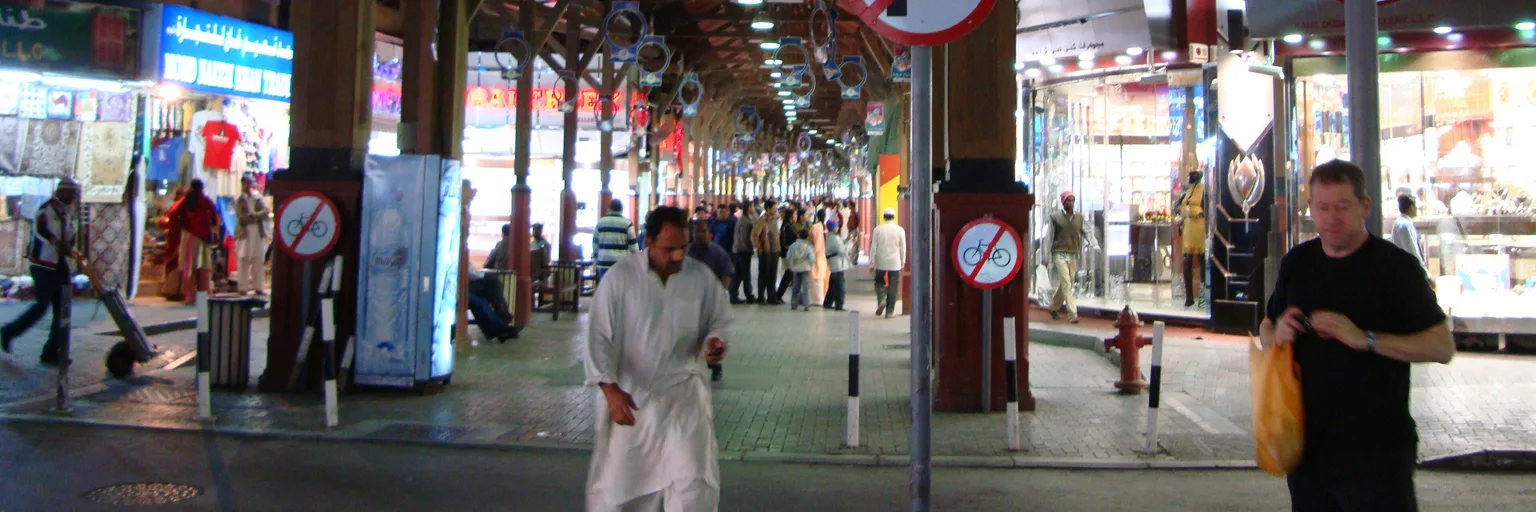
Dubai's gold walkway is a great photo op, not a reason to fly
A 24-karat path will fill Instagram feeds, but Dubai Gold District only becomes a real destination if craft, history and the old souk stand behind the record.
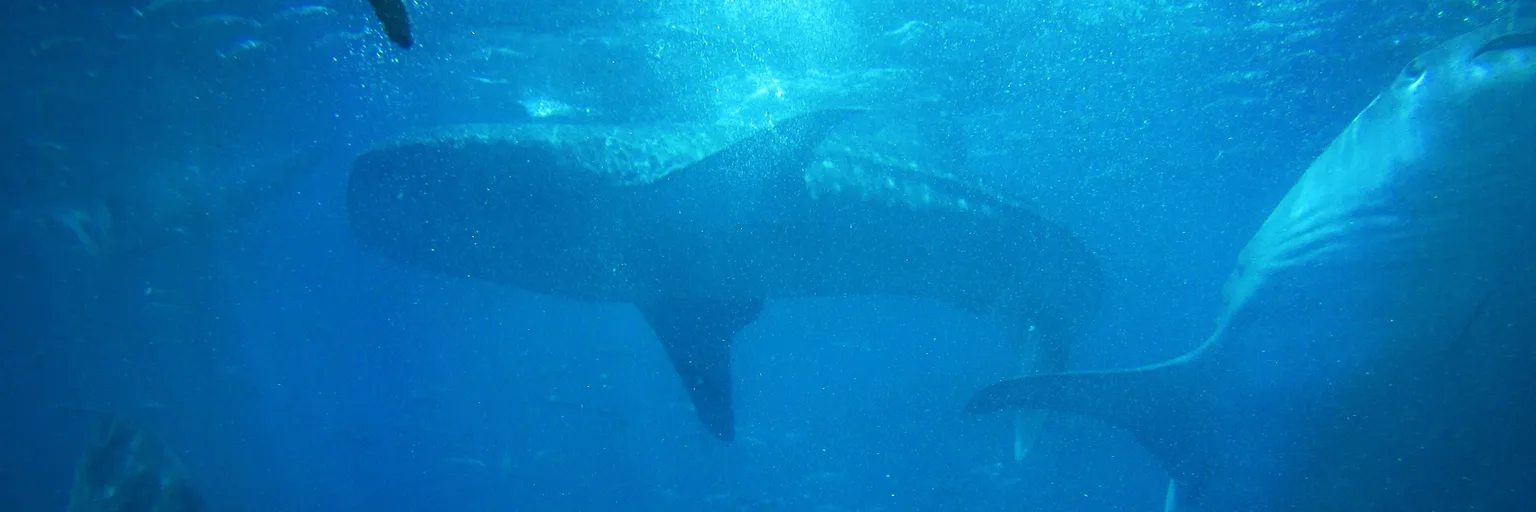
Bohol's whale sharks may be back on the menu, and the rules must bite
A November reopening of whale shark watching can work for Bohol, but only if limits, enforcement and a real closed season matter more than the booking calendar.