Bari’s New Square Should Put Its Ancient Tomb on Display
A burial found beneath Piazza Aldo Moro turns a routine station makeover into a test of whether Bari can make archaeology part of daily urban life.
Photo: Rosa Petruzzelli / Wikimedia Commons (CC BY-SA 4.0)
A construction site is usually the least romantic place in a city. In Bari, it may become the most revealing. The discovery of an ancient tomb with a funerary deposition beneath Piazza Aldo Moro, in front of Bari Centrale station, has transformed a public-works project into a question about what a modern city chooses to remember.
The find was reported during excavation work for the square’s redevelopment, as Virgilio reports. It follows earlier discoveries in the same construction area, including older paving slabs and a complex archaeological stratification documented by the project’s organizers. The immediate message from RFI is reassuring for the timetable: the tomb does not, according to the report, slow the worksite.
But speed is not the only measure of success. Piazza Aldo Moro is being redesigned as a greener, partly pedestrianized gateway to the station, with better connections toward Via Sparano and the city center. That makes the tomb more than an obstacle below ground. It is a chance to decide whether the new square will merely look contemporary—or whether it will also show the layers that made Bari what it is.
A station square is the right place for archaeology to become visible
Bari’s history is often presented through destinations that visitors deliberately seek out: the medieval old town, the city walls, the Norman-Swabian Castle and the waterfront. Italia.it describes the historic center as a medieval district enclosed by walls and dominated by the castle. Those places matter, but they also encourage a familiar tourist habit: history is something to visit in a designated historic quarter, then leave behind when we return to the modern city.
Piazza Aldo Moro can challenge that separation. It is not a remote archaeological park or a carefully staged museum setting. It is where travelers arrive, where residents cross the city, and where everyday movement meets the material past. A burial found there offers a more powerful kind of encounter precisely because it interrupts a routine journey.
We think that is the most valuable possibility in this story. Urban archaeology works best when it is not treated as a surprise prize for specialists, but as part of the public realm. A modest, intelligible presentation of the find could give visitors a reason to pause before heading into Bari Vecchia—and give residents a stronger sense that their daily surroundings have depth.
The new design already has the ingredients for a living historical square
The redevelopment is not a minor cosmetic refresh. The plan calls for a partially pedestrianized Piazza Aldo Moro, renewed green areas, improved lighting and a continuous accessible route connecting the station with the city. The broader station program also includes a future bridge-like passenger building, an elevated urban park and new pedestrian and cycling connections, according to the project documentation from Bari in Progress.
That ambition creates an opportunity, but it also raises the standard. If the square is being rebuilt as a place for people rather than simply a traffic interchange, its heritage should be designed into the experience from the beginning. The tomb could be interpreted through a visible window, a carefully marked footprint, an integrated display or another solution approved by the heritage authorities. The precise treatment should follow conservation requirements and the archaeological evidence, not a designer’s urge to create a spectacle.
The earlier discovery of paving slabs offers a useful precedent. Documentation says the slabs were cataloged and repositioned in the square after consultation with the heritage authorities. That approach—recover, understand, and reuse—feels more convincing than importing an ornamental historical style into a newly paved plaza. It lets the place speak in its own materials.
The danger is not delay; it is decorative heritage
There is a temptation in major urban projects to turn archaeology into a plaque, a graphic motif or a small display that can be checked off the cultural-inclusion list. That would be the wrong lesson from Piazza Aldo Moro. A tomb is not valuable because it makes a redevelopment plan look more authentic. It is valuable because it points to lives, practices and communities that existed before the present city took shape—even when the available evidence does not yet tell us exactly who was buried there or when.
The city should resist premature storytelling. The documentation identifies an ancient tomb and funerary deposition, but it does not establish a detailed biography for the individual or a definitive date in the material provided. Good interpretation should make that uncertainty visible rather than filling it with a seductive but unsupported narrative.
That restraint would actually make the square more engaging. Visitors do not need every question answered to feel the force of a discovery. They need clear evidence, an explanation of how archaeologists work, and an honest account of what remains unknown. Bari could turn the tomb into a small lesson in how cities are read: not as single monuments, but as layers revealed by the infrastructure we build today.
Bari should make the pause part of the journey
The practical challenge will be integration. Piazza Aldo Moro must still function as a station forecourt, an intermodal connection and a safer, greener public space. The project also involves ongoing work in the southern portion of the square and a much larger program intended to reconnect areas separated by the railway. Heritage cannot make the place confusing or inaccessible, and it should not be protected so completely that nobody can understand what is there.
Our view is that the best solution would be deliberately modest: preserve what can be preserved, explain what cannot remain exposed, and place the interpretation along the natural paths of arrival and departure. The tomb should reward a two-minute pause, not demand a separate museum visit. Its presence should enrich the square’s identity without competing with the people who use it.
Bari does not need to manufacture authenticity. Its construction sites are already uncovering it. The verdict should therefore be clear: the tomb ought to become part of Piazza Aldo Moro’s public story, not disappear beneath a finished surface. If the city succeeds, travelers will encounter Bari’s past before they have even reached the old town—and residents will inherit a square that remembers where it stands.
No topics yet: start the first one.
More stories
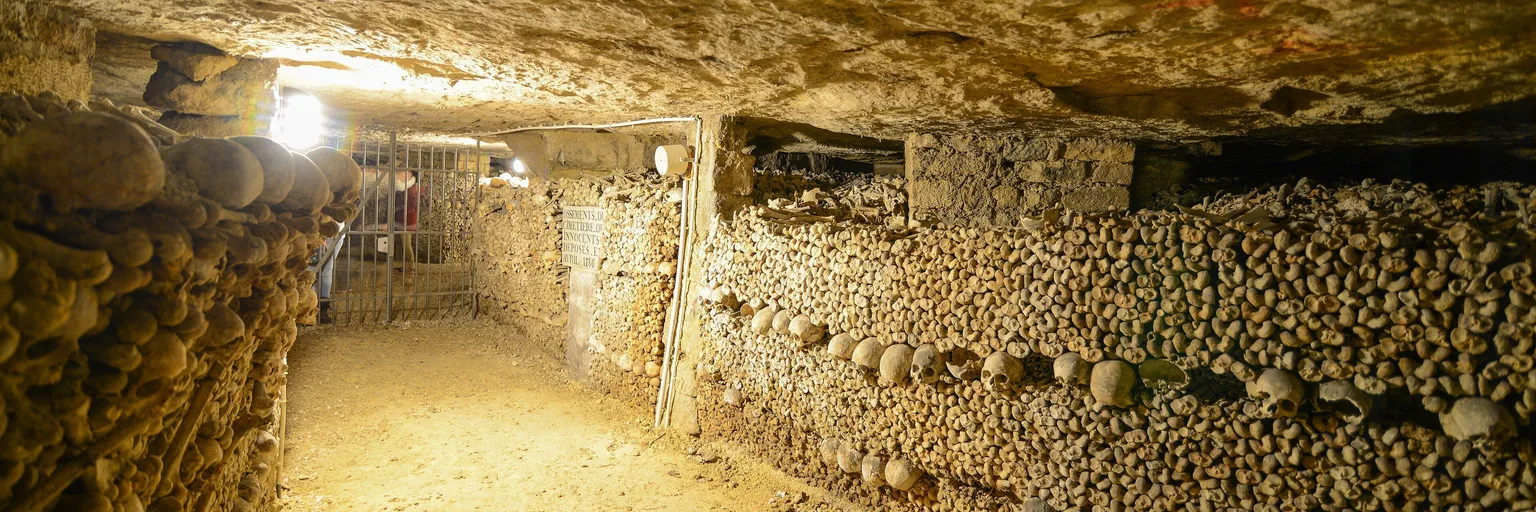
Paris’s Friday the 13th tour is compelling—if it respects the dead
Paris is turning catacombs, cemeteries and superstition into a November itinerary. The draw is real, but the best visit should favor history over haunted-house theatrics.
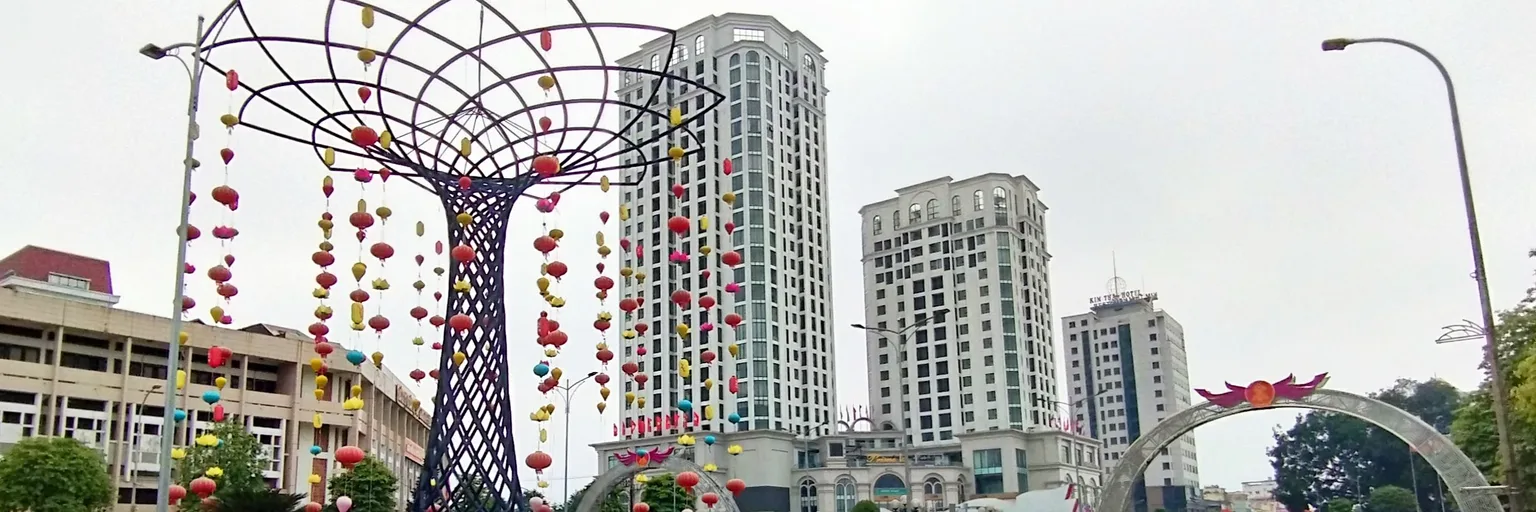
The Next Tourism Winner Is the Place Locals Rediscover First
Khao Yai and Thai Nguyen suggest a smarter tourism model: destinations built around domestic curiosity, local identity and slower experiences—not just foreign arrivals.
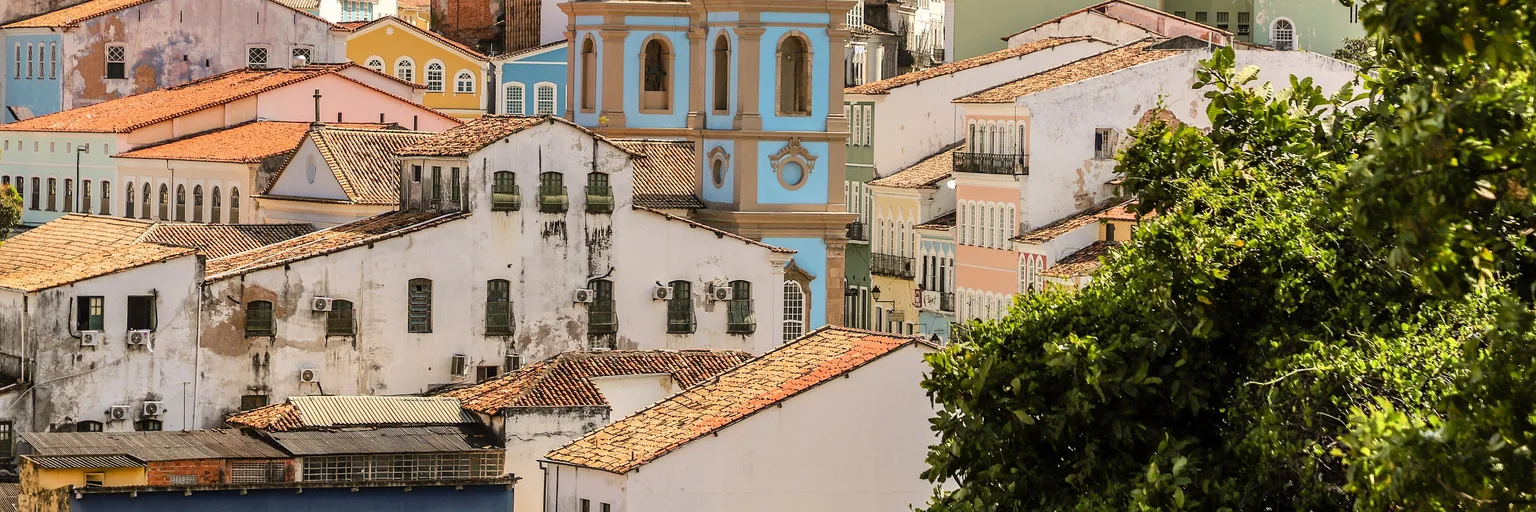
Salvador’s real advantage is its living, layered culture
Salvador has everything a major destination needs—from historic streets and beaches to music and food—but its growth should benefit the communities that give it character.
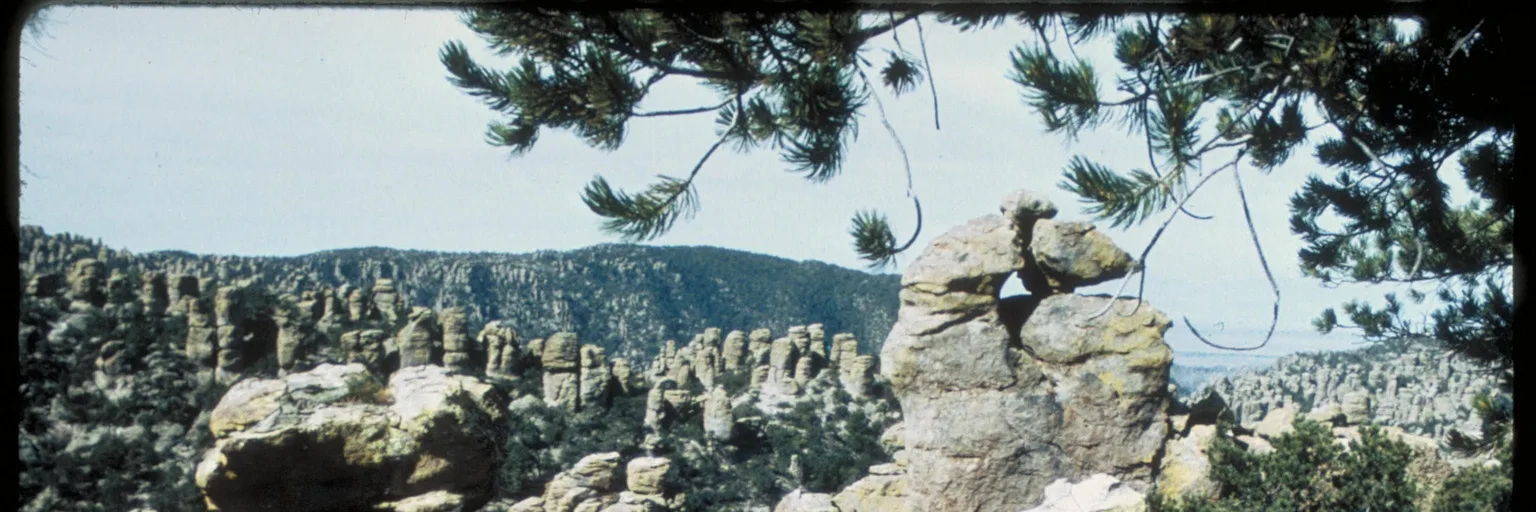
Chiricahua’s New Park Status Is an Invitation—and a Warning
America’s newest national park puts Arizona’s extraordinary Wonderland of Rocks in the spotlight, but recognition will matter only if protection and access keep pace.