Valvarrone's Miners' Bridge only works if memory beats vertigo
Suspended footbridges are the new tourism trophy. Ponte dei Minatori can be more than a record, but only if the miners, not the drop, are what visitors remember.
AI-generated image
Do we really need another bridge to look down from? Europe seems to think so, and the latest contender opens this Saturday in a valley most travelers couldn't place on a map. Our view: the Ponte dei Minatori deserves a visit, but only if you treat the drop as the packaging and the miners as the product.
A record on paper, a memorial in the brochure
The facts are simple. After more than 500 days of work, the footbridge linking Tremenico and the old village of Lentrèe in Valvarrone, in the province of Lecco, opens to the public on Saturday, October 24, 2026, from 2:30 p.m. It is 450 meters long and 204 meters above the valley floor. Promoters have billed it as the highest suspension footbridge in Europe, though sources give slightly different heights, and we wouldn't fight anyone over the title.
The name is the interesting part. The organizers say it honors the miners and the generations who lived and worked on these mountains, and that it belongs to a wider project to recover the valley's historic places. That is a far better story than a number.
Vertigo is a commodity; memory is not
Records are fragile. In 2024 another Italian bridge, in Umbria, was presented as Europe's highest at 175 meters, and a Czech span had already taken the world's-longest crown at 721 meters. Whatever Valvarrone claims today, someone will want to beat it tomorrow. A destination built on "highest" has a shelf life.
What can't be copied is a place's own history. If the crossing makes visitors curious about who dug in these mountains, why Lentrèe was a village worth reaching, and where the old paths run, the bridge becomes a doorway. If it only produces a selfie at altitude, it is a ride with a mountain view. The ticket, €15 for adults and €12 for ages 6 to 14, is a fair price for a doorway. It's a lot for a thrill that lasts minutes.
The critics have a point, and the valley should listen
Not everyone is cheering. GognaBlog calls the project a symbol of a model that turns nature into spectacle, and warns of more traffic, parking pressure, litter and disturbance to wildlife. It argues that Valvarrone's real wealth is precisely that it has stayed away from mass tourism. We don't share its verdict that the bridge should never have been built, but the diagnosis of risk is sensible. Quick-hit tourism is the likeliest failure here.
The counterargument is that remote valleys need reasons for people to show up. The bridge is also a pedestrian link between two communities, not only an attraction, and a small place with a rich mining past can't live on silence alone. That's a trade-off, not a scandal.
How to visit it well
Our advice: don't make the bridge the whole trip. Give the valley a day. Walk the older paths, eat locally, and treat the crossing as the middle of the story rather than its end. Be realistic about the logistics too: the operators advise against it for people with vertigo, panic attacks, balance problems or heart conditions, require closed shoes with non-slip soles, ban dogs (guide dogs excepted) and drones, and say the access route isn't classified as accessible because of steep gradients. Winter hours, October to February, run from 10:00 a.m. to 4:30 p.m., with last entry at 3:30 p.m. No reservation is needed. Check the official site before you go.
The verdict: go, but go for the miners. If Valvarrone makes the memory the main attraction and keeps the crowds manageable, it will have built something rarer than a record. If not, it will have built just another trophy.
No topics yet: start the first one.
More stories
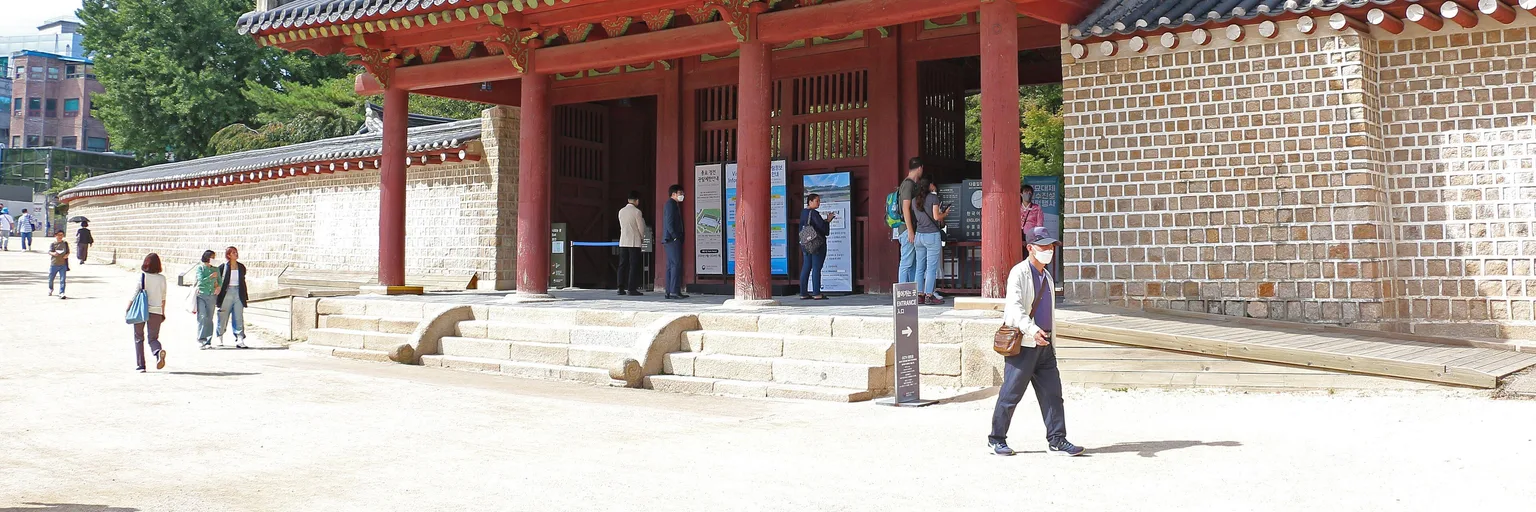
Seoul should choose Jongmyo: a height cap shows how fragile a UNESCO view is
A 145-meter cap 180 meters from Jongmyo's gate shows that World Heritage status depends on a city's will to guard its sightlines. Travelers should notice, and Seoul should choose the shrine.
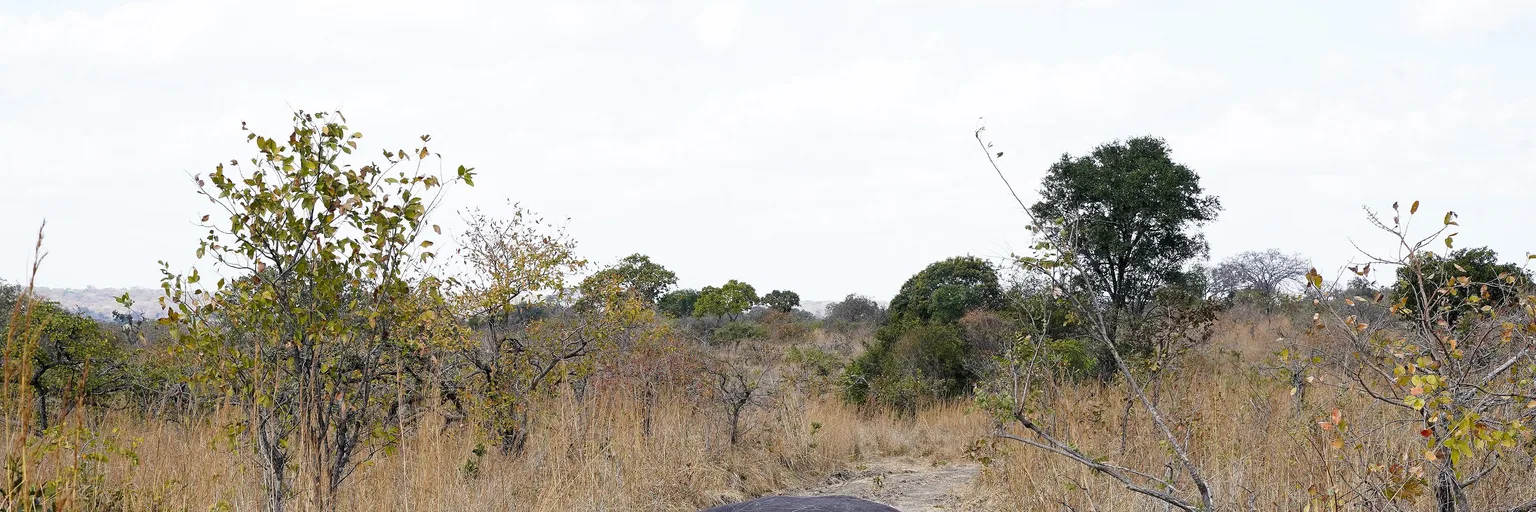
Kafue's luxury camps only earn trust if the poaching turnaround lasts
A 13-suite Anantara camp and African Parks' anti-poaching gains show high-end safari can help conservation, but only if it stays small, steady and open about its numbers.
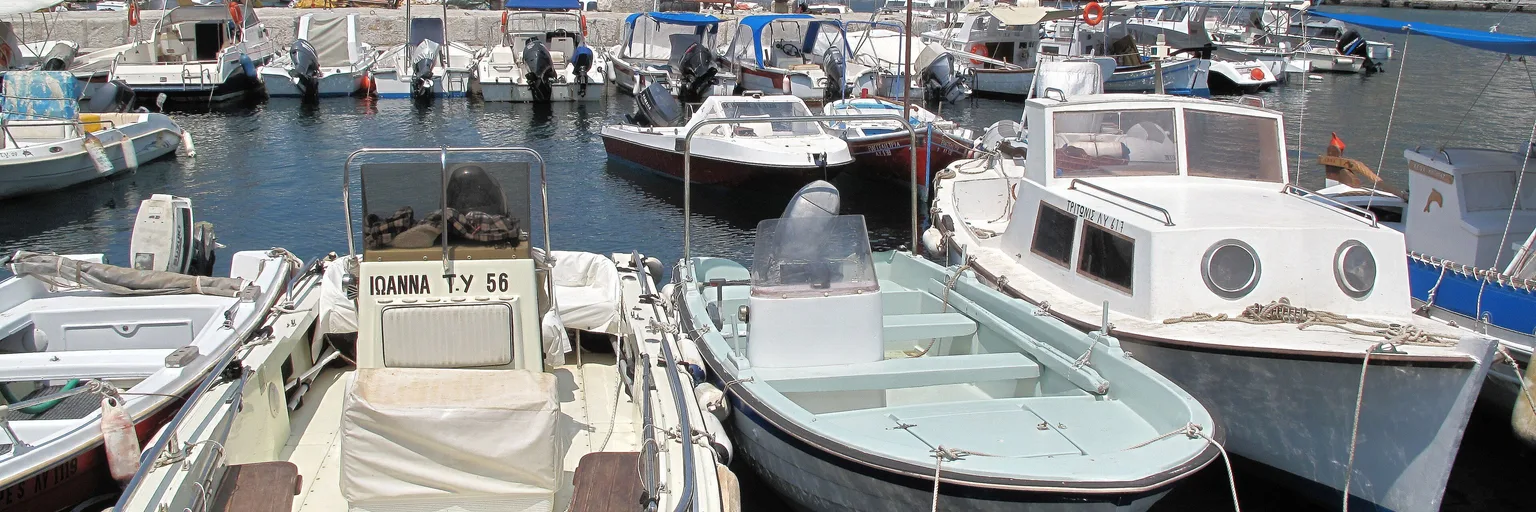
Hydra beat Mykonos by banning the car, and that's the point
Hydra topping Europe's island ranking isn't a fluke: readers are rewarding silence, walkability and identity over fame. Other islands should copy the model, not the hype.
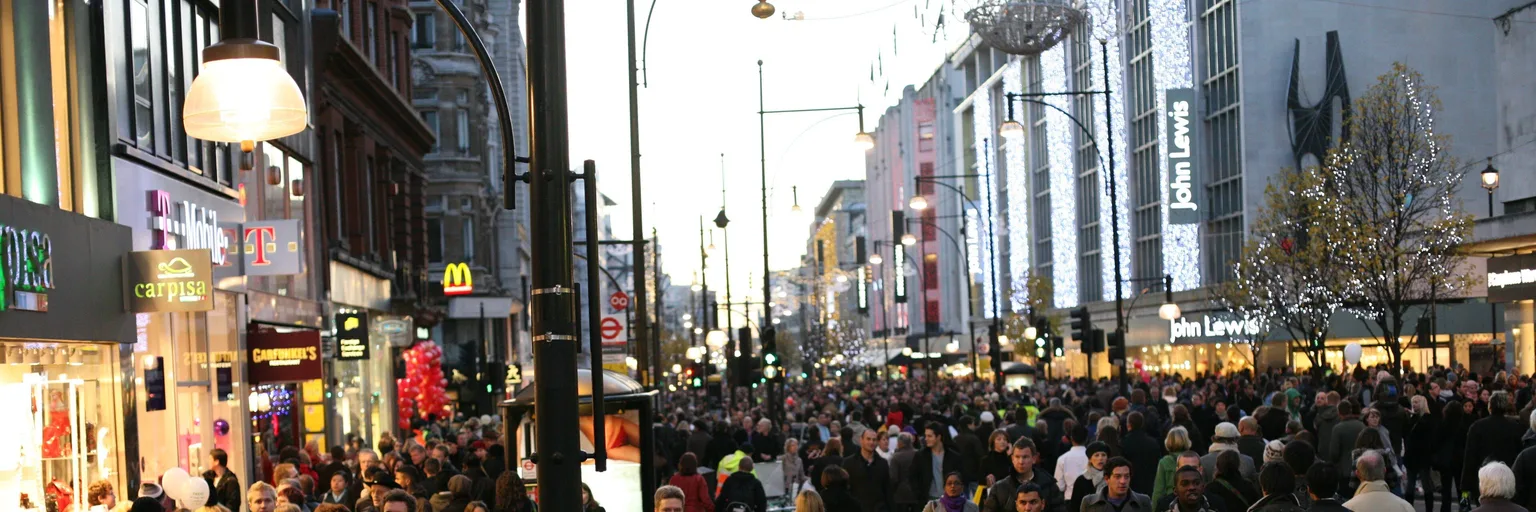
Oxford Street finally goes car-free, and the hard part starts now
Pedestrianizing London's busiest shopping street is overdue and good for visitors, but it only works if buses, accessibility and the street's tired retail mix get fixed too.