Paddling over Turkey's sunken city is magic. It needs rules
Kayaking above the drowned ruins of Simena and Kekova is one of the best ways to meet ancient history, but only if guides and no-touch rules protect it.
Photo: JamesDavidShoots / Wikimedia Commons (CC BY-SA 4.0)
What do you do when the best museum in the country has no roof, no ticket gate and no guard? You paddle over it, and you hope everyone else behaves.
That is the Kekova question. On Turkey's southwestern Mediterranean coast, the ancient town of Simena (today's Kaleköy) and the city of Dolichiste, on the north side of Kekova island, slipped under the sea. Reisereporter explains that a second-century earthquake dropped Simena about two meters. Today you can see white house walls rising from the water, stone arches and stairways that seem to lead nowhere, and the outline of a large rectangular building about five meters down in clear water.
The same piece points to the Tersane Bay, where a Byzantine church sits partly on land and partly underwater. It calls the spot best experienced from a kayak or by swimming. Tour operators across the region sell exactly that, and their pitches are consistent: silent gliding over Lycian walls and stairs in shallow, clear water.
A kayak is the right tool for this place
We think the kayak is the most honest way to see drowned heritage. There is no engine and no wake chewing at the shoreline. There is no crowd of swimmers kicking up silt. You move at the speed of looking. Compared with a boat packed with day-trippers, a small group in sea kayaks is a gentler visitor, and it makes you pay attention. You notice the staircase, not the selfie.
It also fits the setting. Simena is car-free and reachable only by boat from Üçağız, so this corner of the coast already has a slower rhythm. The sunken ruins reward that rhythm. Add the castle above the village, with its small theater inside, and you get a day that mixes archaeology, swimming and walking without a single tour-bus moment.
But "look, don't touch" can't be a suggestion
Here is the uncomfortable part. Ruins that sit a hand's depth below the surface are very easy to love to death. A paddle blade, an anchor, a foot on a wall or a pocketed shard does damage, and the damage is invisible until it is permanent. Some operators advertise amphoras lying just below the surface. That is wonderful marketing, and exactly why the temptation to pick one up will exist.
So our position is simple. Go only with a licensed local guide who briefs the group on what is forbidden. Don't stand on walls, don't haul anything out of the water, and don't beach kayaks on the ruins. Keep groups small. Some operators mention protection rules for the area, but we can't say exactly what they require on the water. So ask your operator to spell them out before you book. If they can't, pick another one.
There's also a pricing logic here. A guide who knows the shallows and enforces the rules probably costs more than a bargain rental. We think that's a fair price for a site that can't be rebuilt.
Go in the shoulder months
The reisereporter piece advises avoiding July and August, when southern Turkey gets very hot, and suggests May, June, September and October. We'd add a reason beyond comfort: spreading visitors across the shoulder season is itself a conservation measure. Fewer boats on a peak afternoon means less pressure on the same few stones.
Getting there takes some effort. The article suggests flying to Antalya, then about three more hours by rental car or shuttle to Üçağız, where boats leave for Simena and Kekova. That distance helps. It filters out the casual crowd.
Our verdict
Do it. Paddle over Dolichiste, swim by the Byzantine church, climb to the castle in Simena. But treat the water like the gallery it is: licensed guide, small group, hands off, shoulder season. If this kind of trip becomes popular, the rules will matter more than the scenery. We'd rather see operators and visitors set them before a damaged wall forces someone else to.
No topics yet: start the first one.
More stories
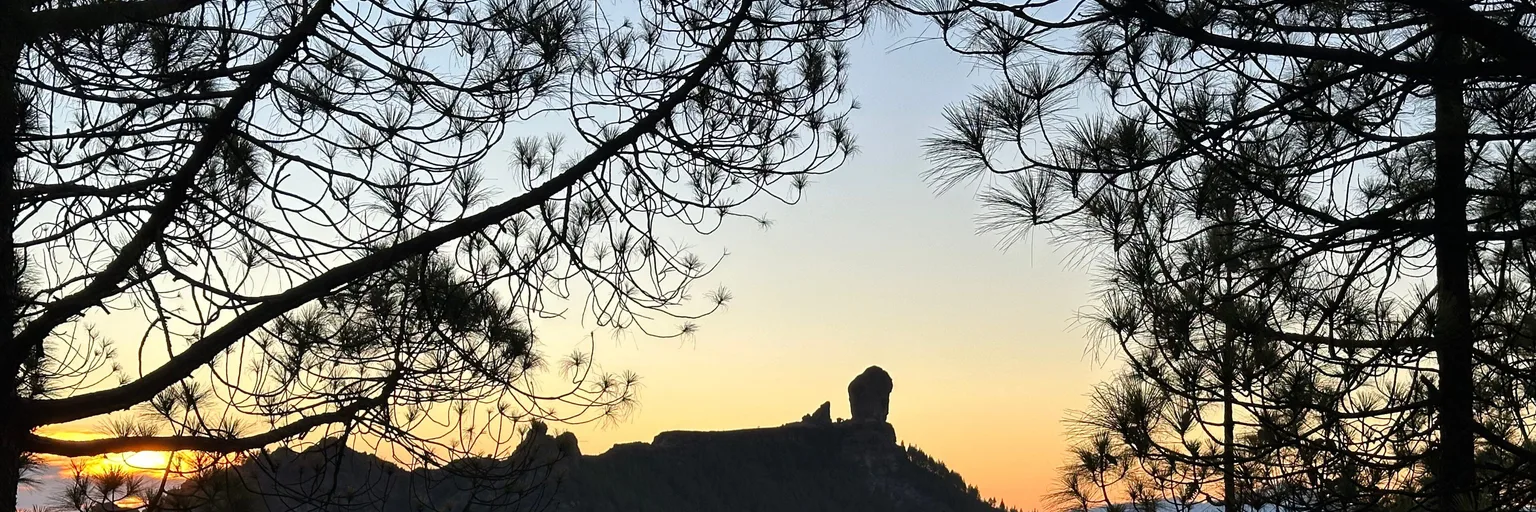
Roque Nublo at night: protecting an icon takes more than outrage
Two tourists climbed Gran Canaria's most famous rock in the dark. The lesson isn't to shame them online, but to enforce clear rules before an accident does it for us.
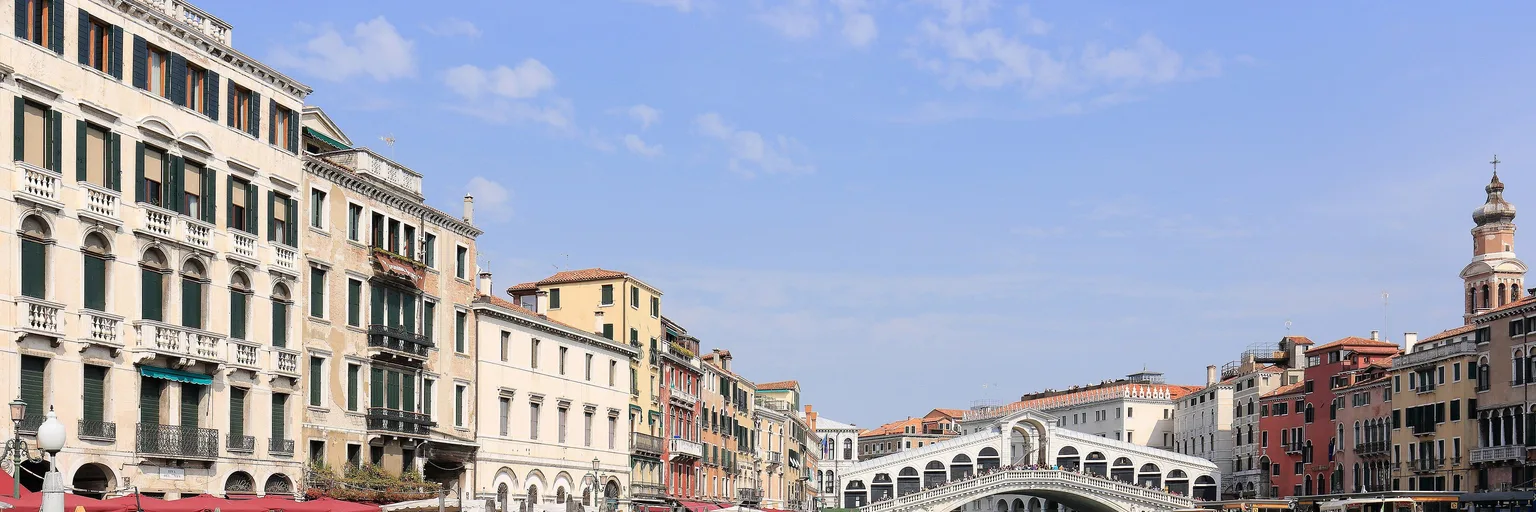
Venice's day-trip fee could double, and that's fine if it's honest
A possible €20 cap for Venice's 2027 access fee isn't the scandal it sounds like. It works only if it is predictable, aimed at peak days and visibly spent on the city.
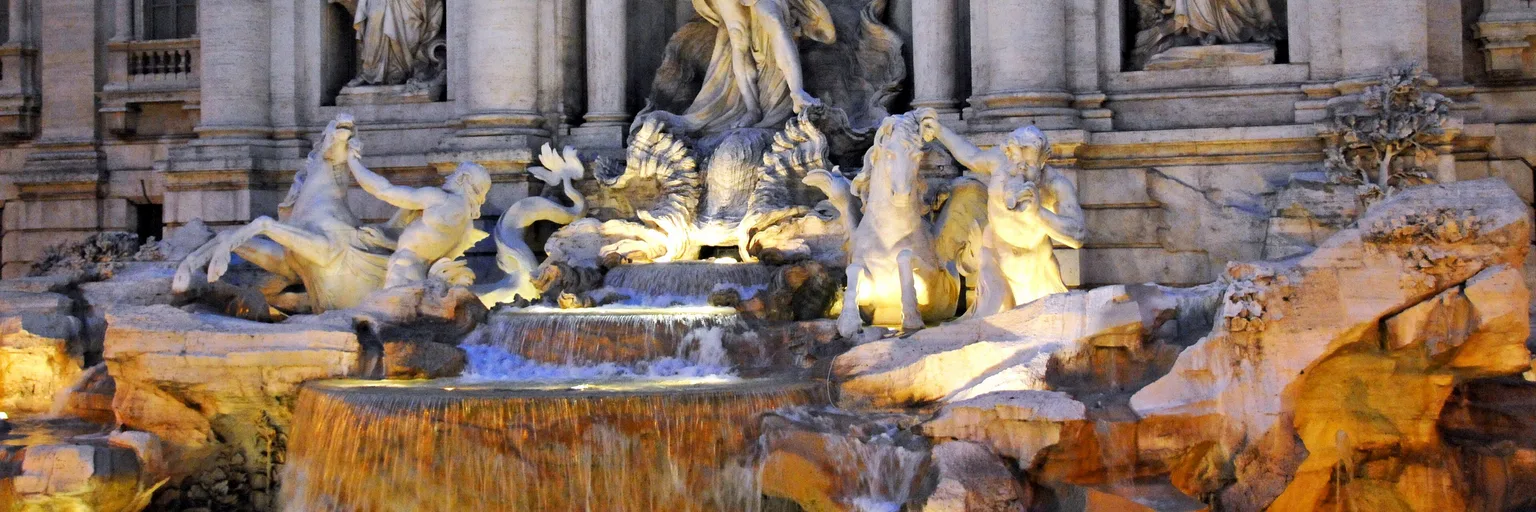
Trevi's ticket may tame the crowd, but it has to earn the coin toss
Rome's new fee for Trevi's inner basin looks like a smart crowd tool. Fewer coins for charity suggest it can also cost the ritual itself, so the city owes visitors proof.
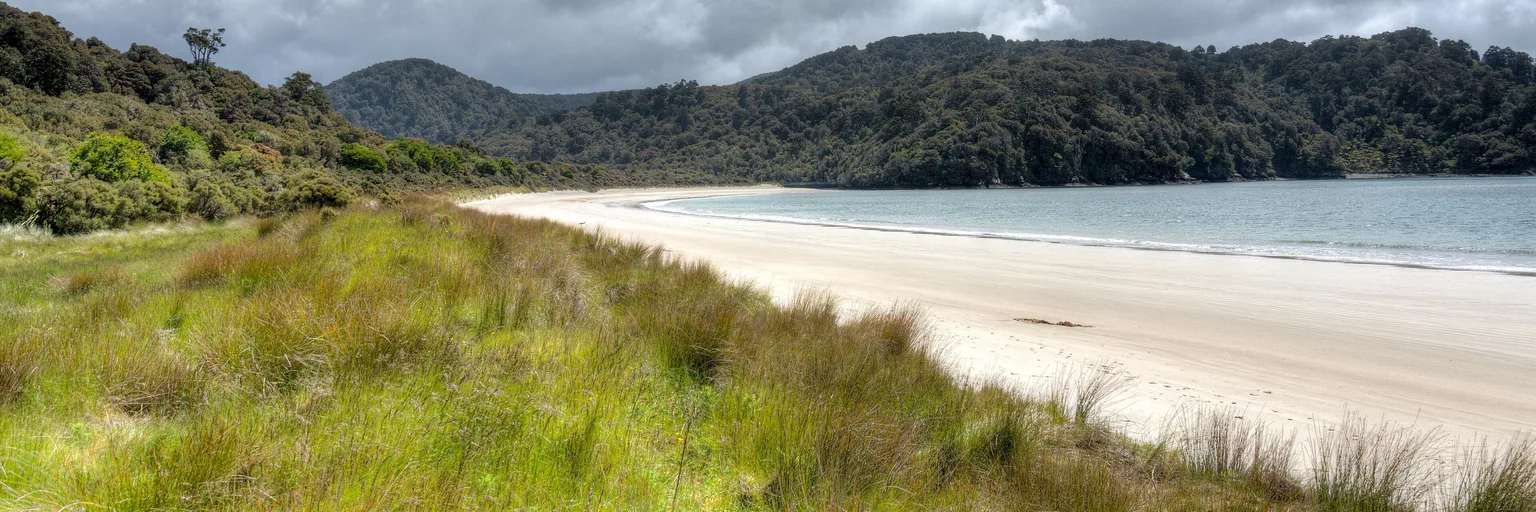
Stewart Island's 2027 badge is nice. Go for the quiet instead
Condé Nast Traveller's 2027 nod could reward slow, small-scale travel in southern New Zealand, but only if the island stays small and the crowds don't arrive.