A mega-park near Paris only works if it serves the region
Cergy's planned theme parks could enrich a trip to Île-de-France or crowd out what makes it special, and the local protests are a warning about who the project is really for.
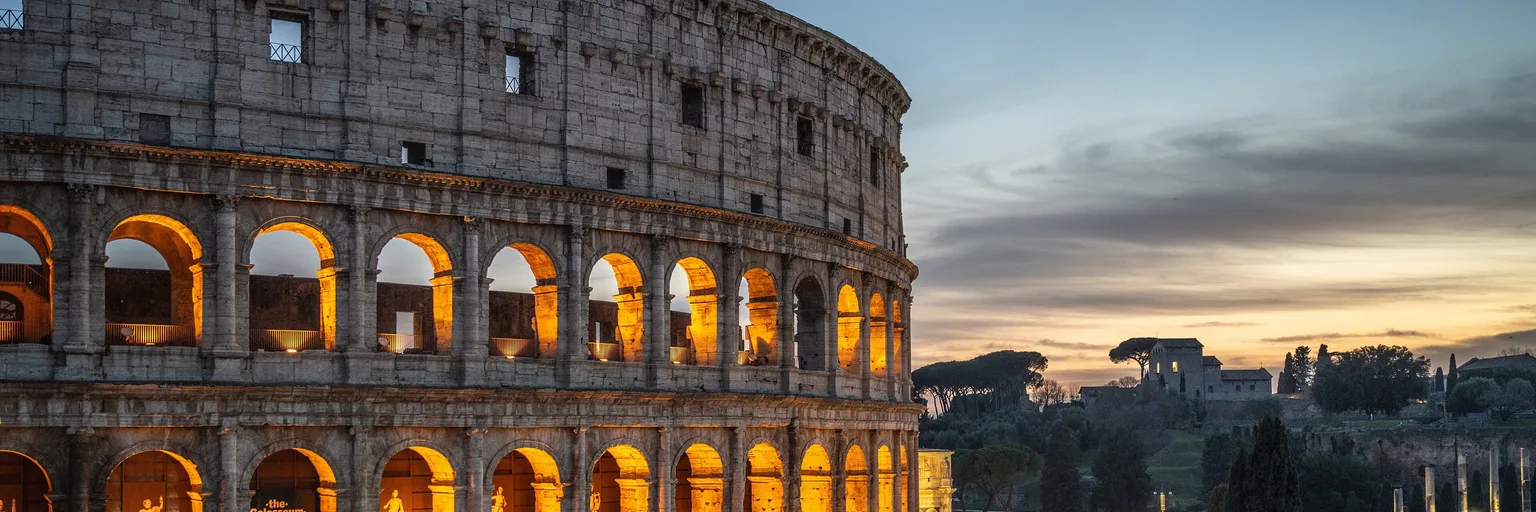
AI-generated image
Who is a giant theme park on the edge of Paris actually for? The traveler who wants to see Île-de-France? The residents who live beside it? Or two leaders who, by a presidential adviser's own account, discovered a shared passion for manga? Right now, the project looks like it has a clearer answer to the last question than to the first two.
What is on the table
In late August, French President Emmanuel Macron and Saudi Crown Prince Mohammed bin Salman announced three theme parks in Cergy-Pontoise, about 35 kilometers northwest of Paris, for an investment of 6 billion euros. Per the reporting syndicated by France Antilles, the idea came out of a December 2024 conversation in Riyadh, where the two found a common love of manga, Dragon Ball Z in particular. One park, potentially dedicated to Dragon Ball, would rise on the site of the former Mirapolis park, which closed 35 years ago.
On Sunday, a few dozen campaigners gathered at the Cergy-Préfecture station to oppose it. One called it "un caprice de gosse," a child's whim. Others pointed to the lack of consultation, transport worries and the loss of natural land. Even the vocabulary is slippery: the project is now described as an "integrated destination," a phrase that, according to the same report, the people in the square could not make sense of.
A park is not a destination, and Paris doesn't need one
Let's be clear about our bias: we think the best argument for visiting Île-de-France is what already exists there, meaning its heritage, its villages, its food and its sense of place. A theme park can be a fine day out. But it becomes a problem when it is sold as a reason to come to the region, instead of a reason to stay longer once you are already there.
The distinction matters because the vagueness cuts both ways. Opponents say they cannot tell what is being built. Nothing published so far lets us tell either. If the answer is a sealed-off entertainment bubble with its own hotels and restaurants, visitors will come, ride, and leave without ever seeing a market town or a river bank in the Vexin. That wouldn't add to the region. It would swap it for something anyone could find anywhere.
There is a better version. A park that feeds visitors into the surrounding area, with good rail links and honest signposting to what lies beyond its gates, could widen the map for people who never planned to leave the capital. It is possible. Nothing in what has been published suggests it is the plan.
The opposition deserves to be heard, not dismissed
It is tempting to wave off protesters as the usual suspects. Some of them are. Bernard Lou, who took part in Sunday's information workshops, presides over the Collectif pour le Triangle de Gonesse, which in 2019 got the earlier EuropaCity megacomplex abandoned in the east of the department. A cofounder of "Mirapolis aux habitants" says it feels like a second attempt at the same kind of project.
But the practical complaints are the ones a traveler should care about too. A resident worried about transport is describing the same strain a visitor would probably feel on a crowded regional line. A neighbor concerned about noise and wildlife is describing the cost of the "authentic" surroundings tourists say they want. And the figure of 22,000 direct jobs, which Disneyphile reports as an official estimate, is the kind of number that should be tested, not repeated.
We would add a note of caution on the other side. The investor behind the plan, according to Le Monde, is Qiddiya Investment Company, the entertainment arm of Saudi Arabia's sovereign wealth fund. Supporters could plausibly argue for real benefits, and a rushed backlash can miss them. We just think the burden of proof lies with the promoters.
Our verdict
Judge this project by three tests: does it come with serious public transport from day one, does it keep its footprint modest on land that is still natural, and does it send visitors outward rather than trapping them inside? Right now, with residents saying there was no consultation and a concept that remains undefined, it fails the first-impression test.
If you are planning a trip to the Paris region, nothing changes yet. The parks are an announcement, not an attraction, and no opening date appears in the material we have. Keep building your itinerary around what is already there. And if this project wants a place on it one day, it should earn one by adding to the region and not by competing with it.
No topics yet: start the first one.
More stories
Porto Santo's tourist tax doubles: fair only if you can see the money
Going from two to four euros a night is defensible on a tiny island, but only if visitors can point to cleaner beaches and better services by next summer.
Thailand's entry fee keeps slipping, and that says more than any 'quality' slogan
Every destination says it wants better visitors, not just more. Thailand's long-delayed entry fee shows what that costs, and why travelers should accept the bill.
Brussels' tourism strategy only works if travelers get a reason to go elsewhere
The EU's new sustainable tourism strategy promises to spread visitors across places and seasons. Without real reasons to travel off-peak, it risks being another well-meaning paper.
Colosseum's worker death must end acrobatic subcontracting at heritage sites
After 22-year-old Andrea Moretti fell at the Colosseum, Rome's archaeological park dropped subcontracting and rope-access work. Visitors should welcome slower, safer heritage sites.