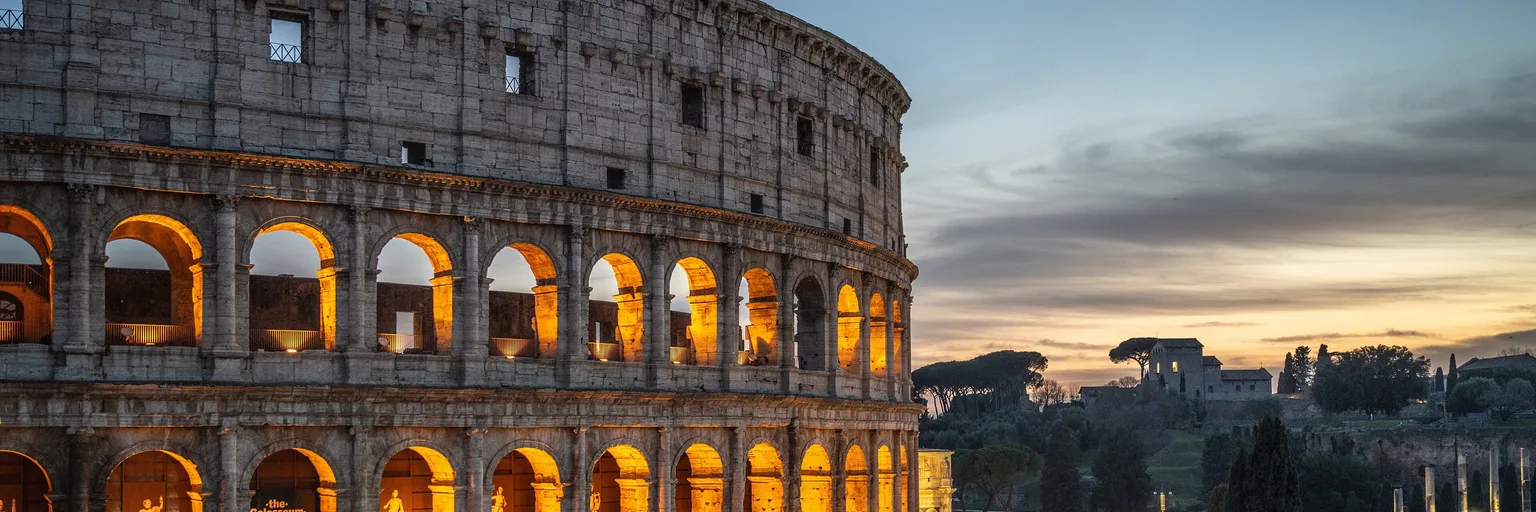
Porto Santo's tourist tax doubles: fair only if you can see the money
Going from two to four euros a night is defensible on a tiny island, but only if visitors can point to cleaner beaches and better services by next summer.
Photo: Nuno Capelo Caldeira / Wikimedia Commons (CC BY-SA 4.0)
Is four euros a night too much to ask for a golden beach island? Honestly, no. The real question is whether you will be able to tell, on your next visit, where those euros went.
Porto Santo's city hall plans to double its municipal tourist tax, from the current two euros to four euros per night, according to DNoticias. The stated aim is to strengthen the municipality's finances to meet the growing demands of tourism and fund investment in sustainability and development. Mayor Nuno Batista told JM Madeira that the roughly one million euros the island already collects should be doubled next year.
Four euros is not the problem; vagueness is
Let's be blunt: for most visitors, four euros is a rounding error next to flights and accommodation. The documentation we have lists the rules as they stand: the tax applies per guest per night, children under 13 don't pay, and residents of the Madeira region are exempt. One guide also says it only applies to the first seven nights of a stay, though that is a secondary source and we can't confirm the cap will survive the increase. Nothing suggests a punishing burden.
What does bother us is the language. "Strengthening financial capacity" and "sustainability and development" describe a budget line, not a promise. A tax that means everything means nothing to the person who paid it. Porto Santo's own regulation frames the levy as a fair sharing of the public costs the municipality bears. That is a good principle. It only holds if the costs are visible.
The council's own argument is the strongest one
The most persuasive justification we found is a plain one. According to Jornal Madeira, the council says it needs revenue to modernize and upgrade tourist and public spaces, and it points out that on Madeira some single paid sites generate far more than the entire tourist tax collected on Porto Santo. To us, that reads as a candid admission that the tax base is thin.
We find that persuasive, and it is also a challenge. If the pitch is "modernizing public spaces," then the island should be able to name them. Which promenade? Which beach access? Which toilets, showers, shade, signage? A short public list, updated each season, would do more for acceptance than any press release.
How to make a doubled tax feel earned
Our recommendation is simple, and it costs almost nothing. First, earmark it: publish what the extra revenue is meant to pay for, with an emphasis on the things a visitor touches. Postal describes the intent as reinforcing investment in services, infrastructure and environmental protection, so let the island show exactly which ones. Second, report back. Third, let hotels explain it at check-in rather than hide it as a surprise line.
There is a counterargument worth taking seriously: the same mayor talks in his interview about the 100 homes promised this term and asks for more organization elsewhere. Housing and general municipal needs are real, and a small council has few other levers. If part of the money goes there, say so openly. Honest allocation beats a pretty label.
Our verdict
Porto Santo is not Venice or Barcelona, and nothing in our documentation suggests it is trying to scare visitors off. Doubling the tax is reasonable. It becomes fair only with receipts. If next summer's visitors find better-kept sand, cleaner public spaces and a clear sign saying what their euros built, the increase will be forgotten in a week. If they find the same island and a vaguer budget, the four euros will feel like twice as much.
Go anyway, and ask where the money went. Tourists who ask are the best audit a small island can get.
No topics yet: start the first one.
More stories
A mega-park near Paris only works if it serves the region
Cergy's planned theme parks could enrich a trip to Île-de-France or crowd out what makes it special, and the local protests are a warning about who the project is really for.

Thailand's entry fee keeps slipping, and that says more than any 'quality' slogan
Every destination says it wants better visitors, not just more. Thailand's long-delayed entry fee shows what that costs, and why travelers should accept the bill.
Brussels' tourism strategy only works if travelers get a reason to go elsewhere
The EU's new sustainable tourism strategy promises to spread visitors across places and seasons. Without real reasons to travel off-peak, it risks being another well-meaning paper.
Colosseum's worker death must end acrobatic subcontracting at heritage sites
After 22-year-old Andrea Moretti fell at the Colosseum, Rome's archaeological park dropped subcontracting and rope-access work. Visitors should welcome slower, safer heritage sites.