Tripsfera Newsroom
Serengeti’s New Visitor Center Should Make Conservation Unmissable
The Seronera center has the exhibits and scale to matter, but its success will depend on whether visitors can see where tourism, research and protection meet.
The Seronera center has the exhibits and scale to matter, but its success will depend on whether visitors can see where tourism, research and protection meet.
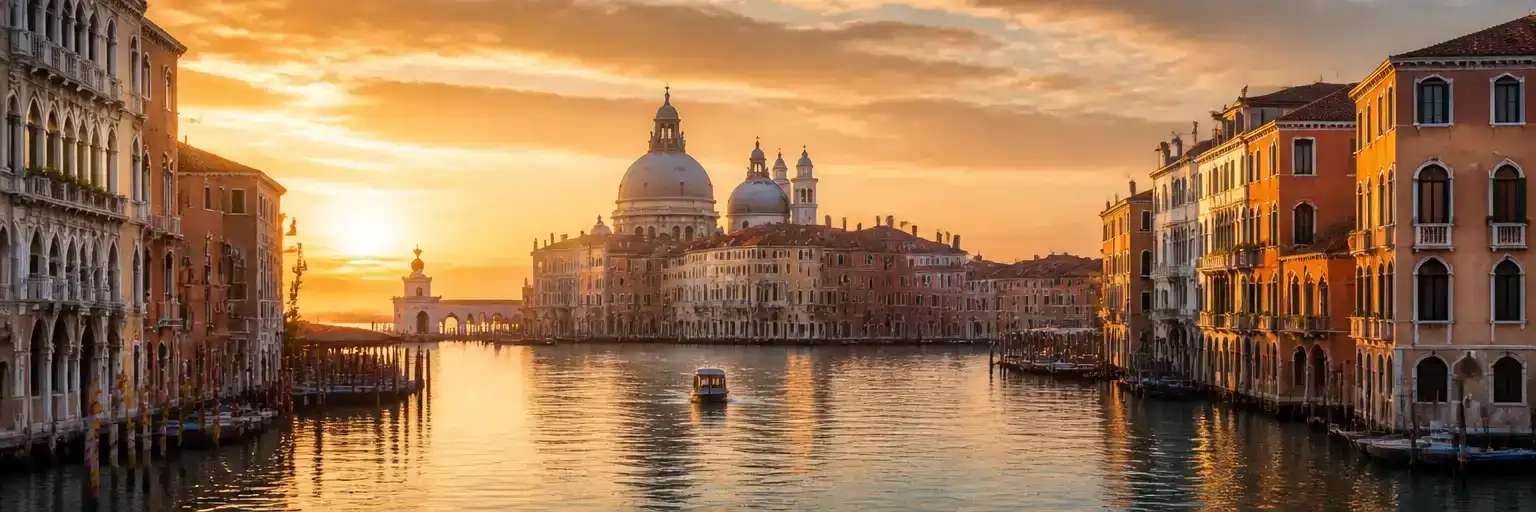
Venice is extending its day-tripper fee, but the real test is whether tourism policy can protect homes and everyday life—not simply collect money at the gates.
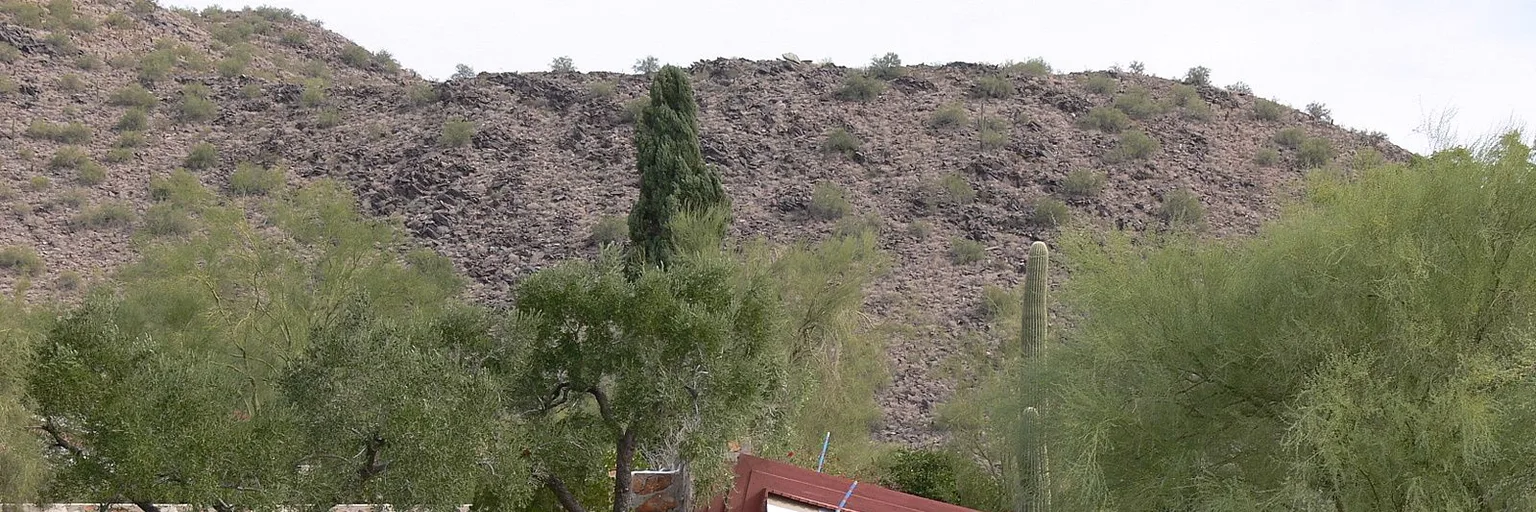
The death of a visitor at Frank Lloyd Wright’s desert masterpiece exposes a hard truth: preservation must include transparent, visible risk management.
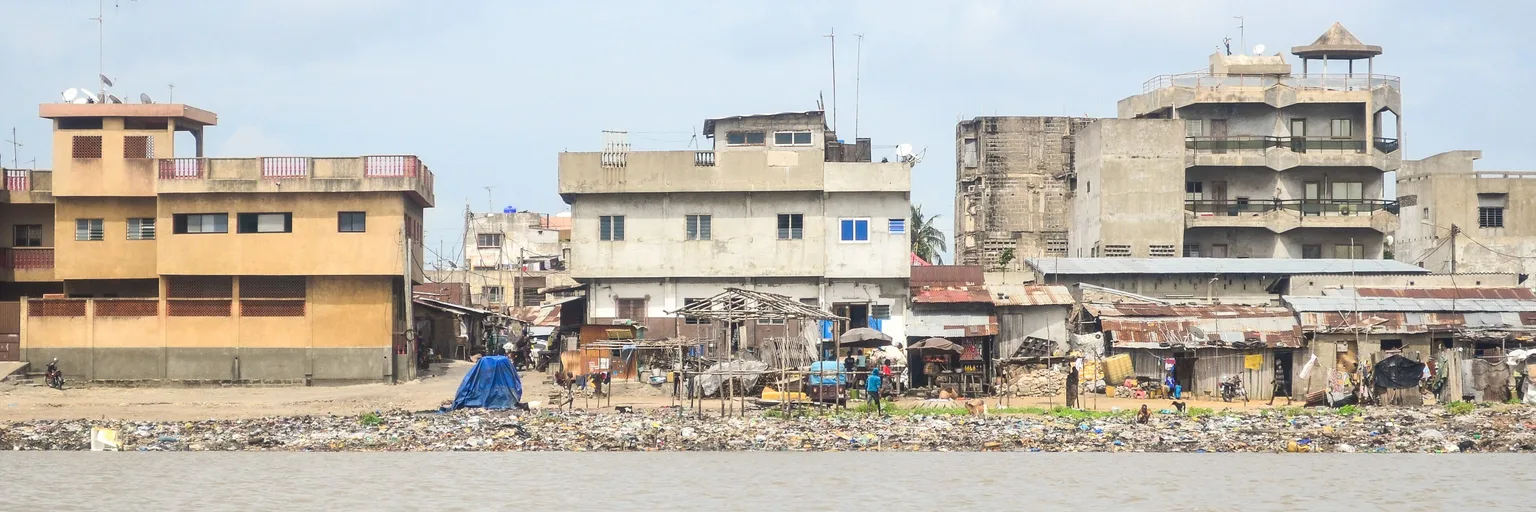
Benin can turn the 2027 Black Travel Summit into a meaningful bridge between Africa and its diaspora—if local communities shape the welcome.
A burial found beneath Piazza Aldo Moro turns a routine station makeover into a test of whether Bari can make archaeology part of daily urban life.
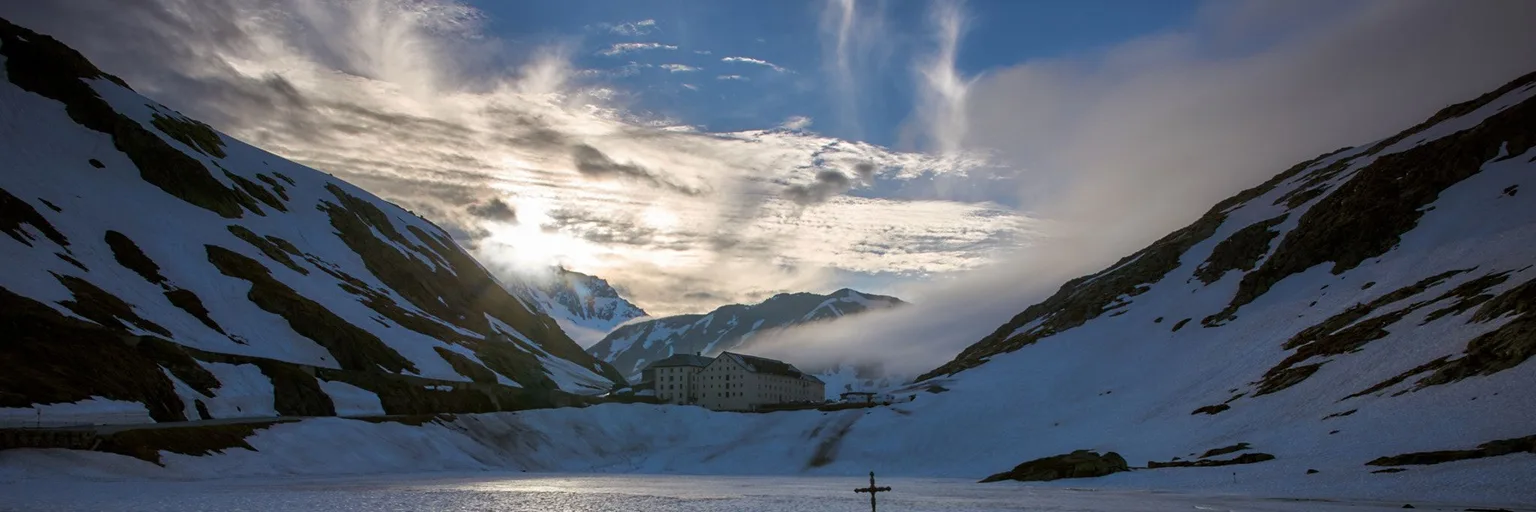
The pass is not a permanent shortcut but a summer window: plan mountain crossings around snow, opening dates and the tunnel’s year-round role.
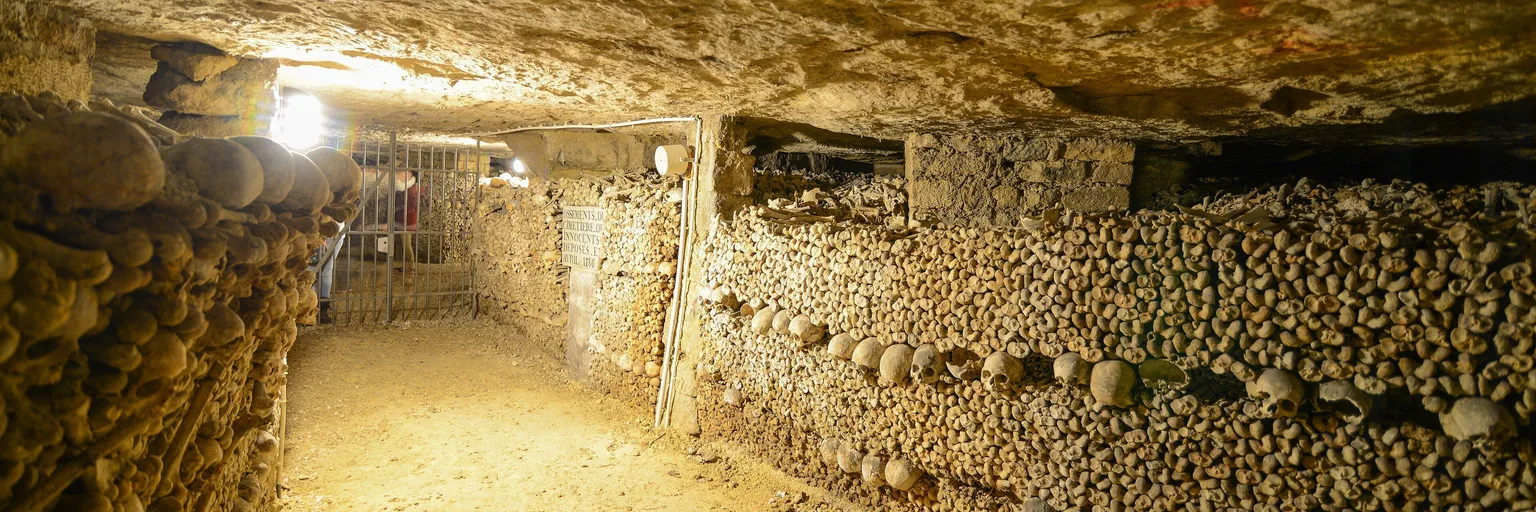
Paris is turning catacombs, cemeteries and superstition into a November itinerary. The draw is real, but the best visit should favor history over haunted-house theatrics.
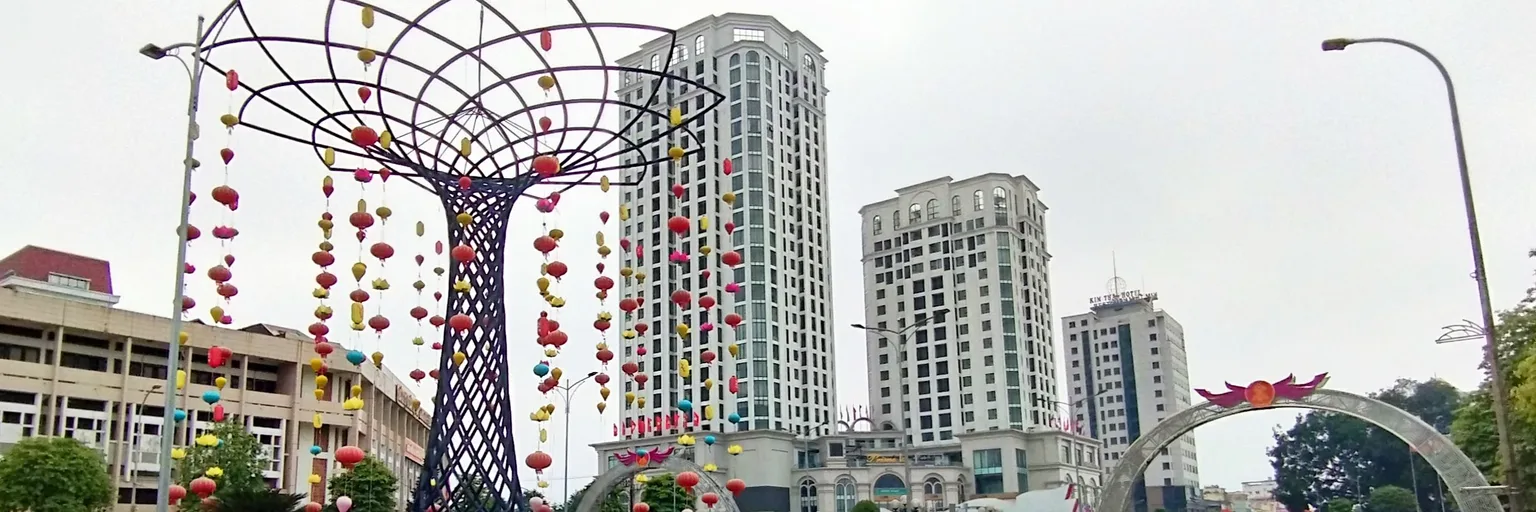
Khao Yai and Thai Nguyen suggest a smarter tourism model: destinations built around domestic curiosity, local identity and slower experiences—not just foreign arrivals.
Salvador has everything a major destination needs—from historic streets and beaches to music and food—but its growth should benefit the communities that give it character.
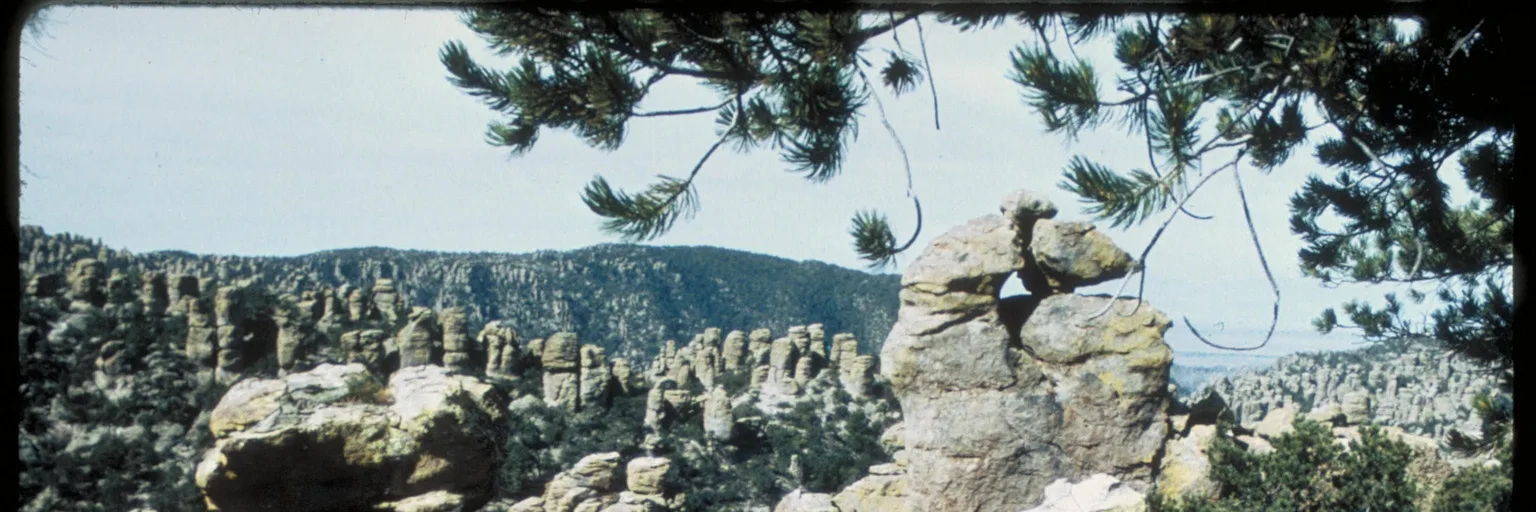
America’s newest national park puts Arizona’s extraordinary Wonderland of Rocks in the spotlight, but recognition will matter only if protection and access keep pace.
The 2026 race turns New York into a vast spectator destination, rewarding visitors who spread out across the boroughs instead of crowding Central Park.
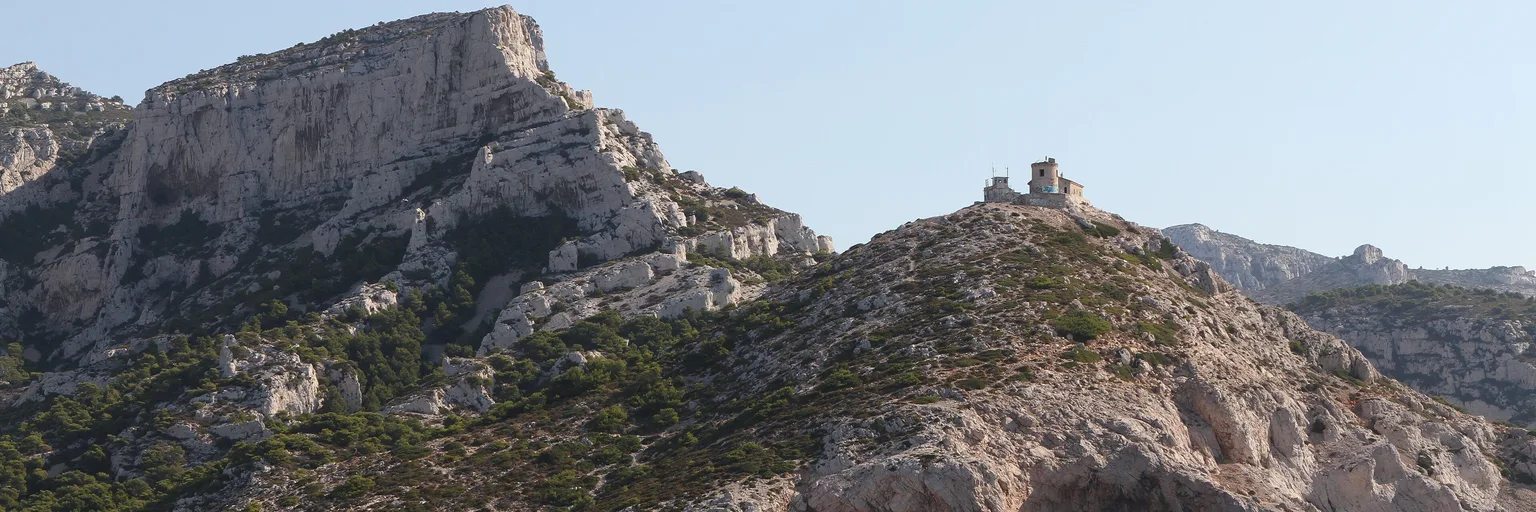
The restored semaphore above Marseille’s Calanques makes a case for limited, meaningful access: heritage can deepen a visit without creating another crowded hotspot.
The 2028 Beatles Story could bring longer, richer visits to Liverpool—but only if the band’s legacy leads travelers into the city rather than replacing it.
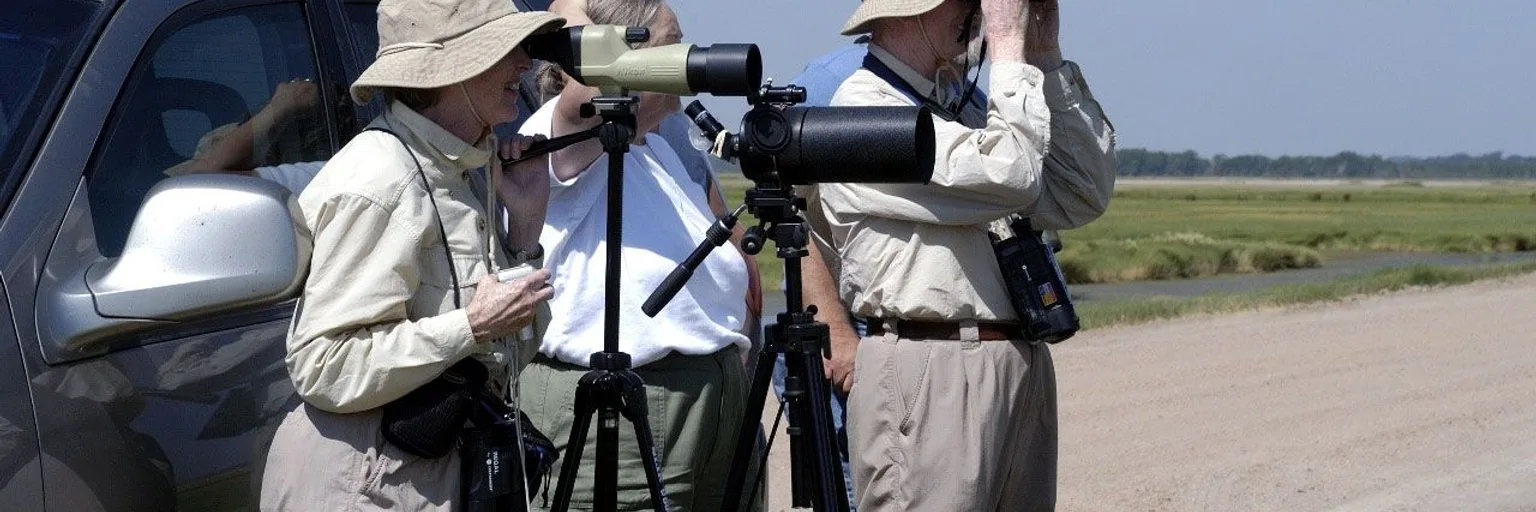
Bird-focused trips turn a fleeting natural moment into a reason to explore rural destinations—provided tourism protects the habitats that make the journey worthwhile.
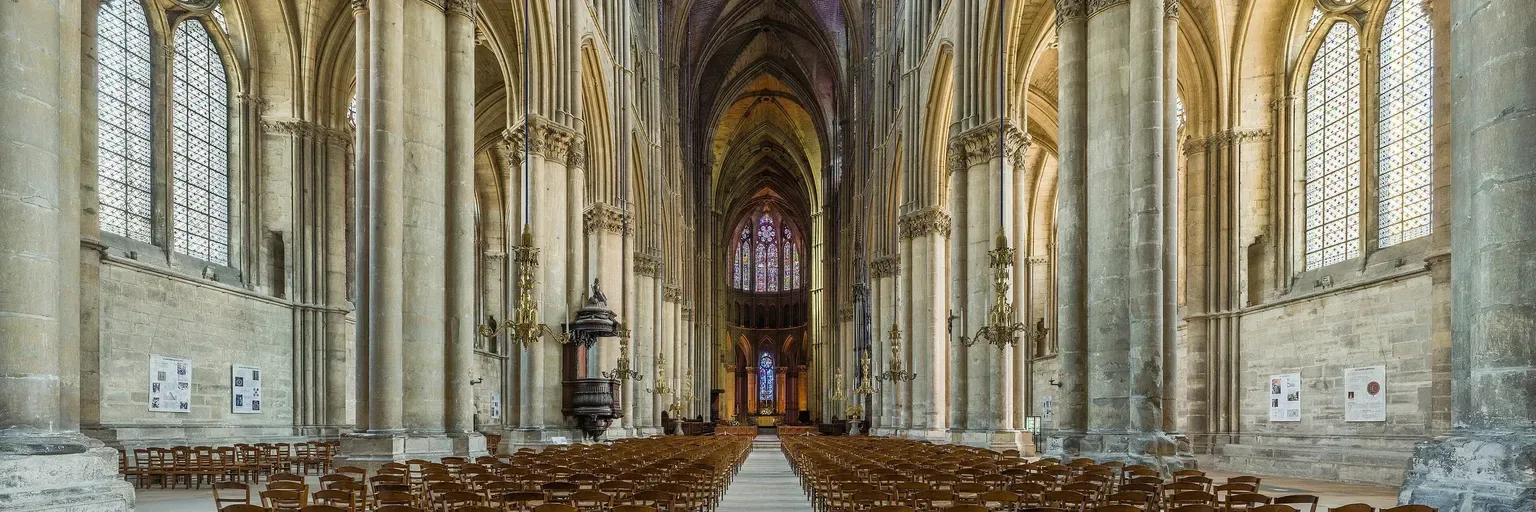
Booking.com has included Reims among its highlighted destinations for 2027. The opportunity is real—but so is the need to spread visits beyond the obvious stops.
KAYAK’s 2026 holiday data points to cheaper Christmas-week fares, but the biggest savings favor travelers who can move work, school and family plans.
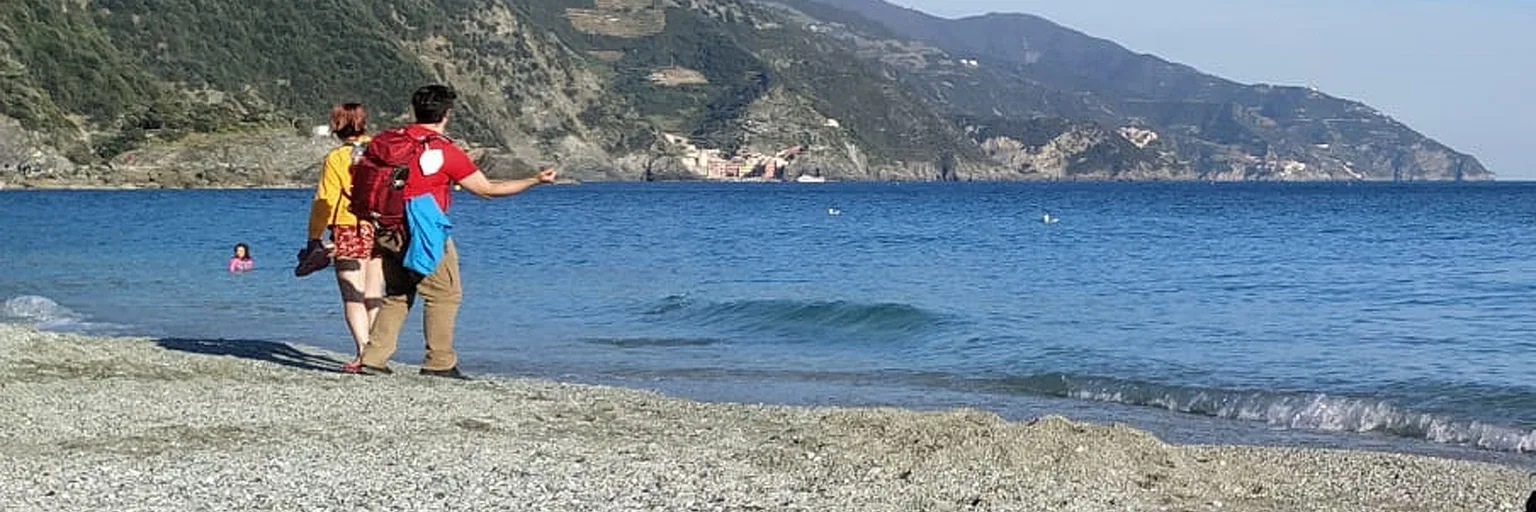
Lower prices, quieter lanes and a richer walking season make autumn the smarter Cinque Terre escape—unless cheaper stays simply create another social-media stampede.
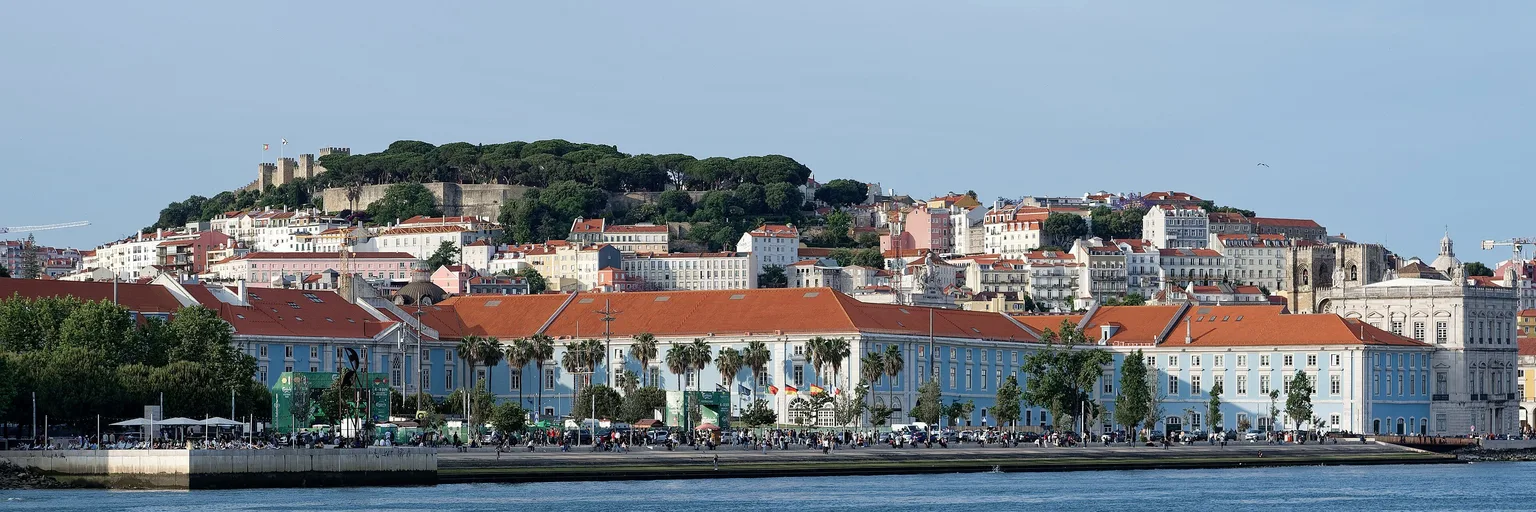
Lisbon’s 2026 awards validate its international appeal and coordinated tourism pitch, but they cannot settle the harder question: who benefits from the city’s success?
Ryanair’s Belgian cuts reveal the hidden weakness of Europe’s low-cost map: when airport economics change, yesterday’s bargain destinations can vanish almost overnight.
The clocks may move only one hour, but flights, hotel access and sleep do not adjust themselves. Travelers should plan around the change before it arrives.