Dracula Land must lead travelers to Transylvania, not replace it
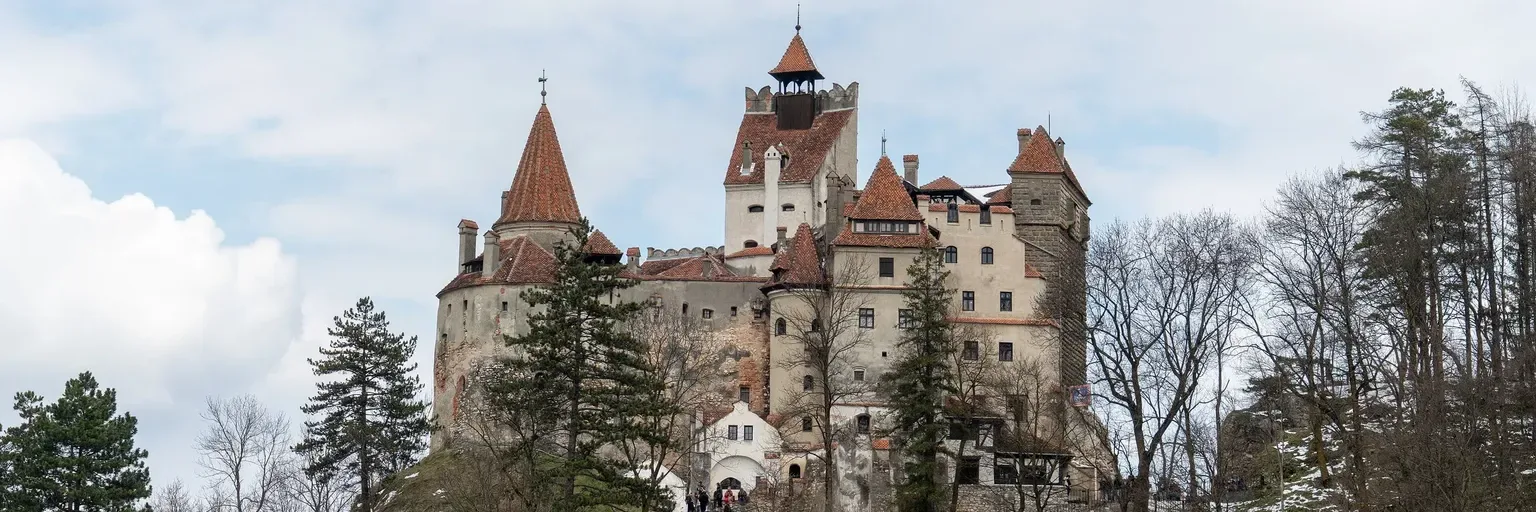
A planned €1 billion vampire park near Bucharest could put Romania on the map, but it only deserves a visit if it sends people on to Bran, Sighișoara and the villages.
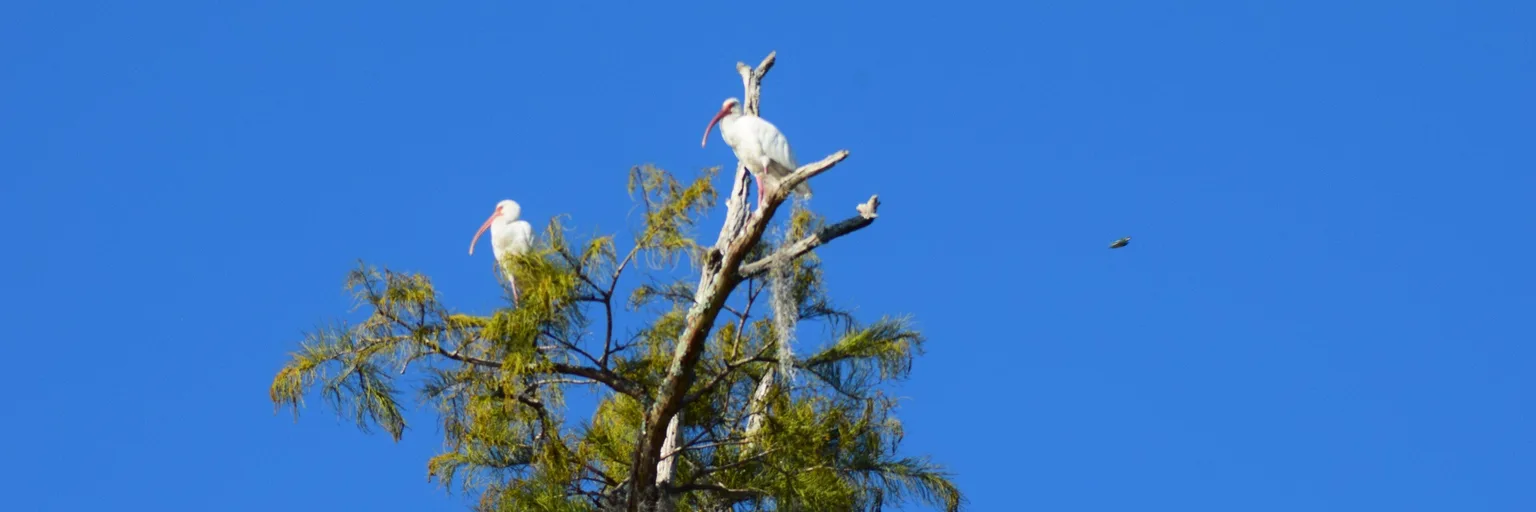
World Heritage status is drawing more visitors to Georgia's black-water swamp. The smart move is to decide how many it can take before the crowds arrive.
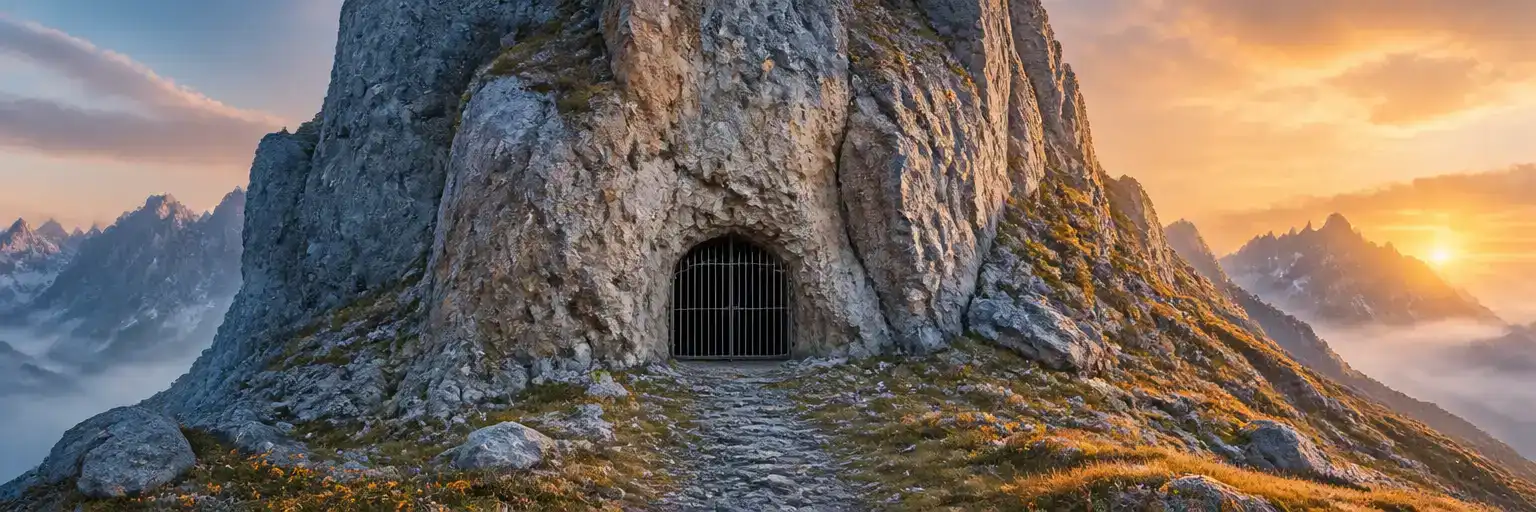
A high-altitude cave full of prehistoric bear skeletons is a wonder. The best way to love it is to keep the crowds out and let science, and eventually a museum, tell the story.
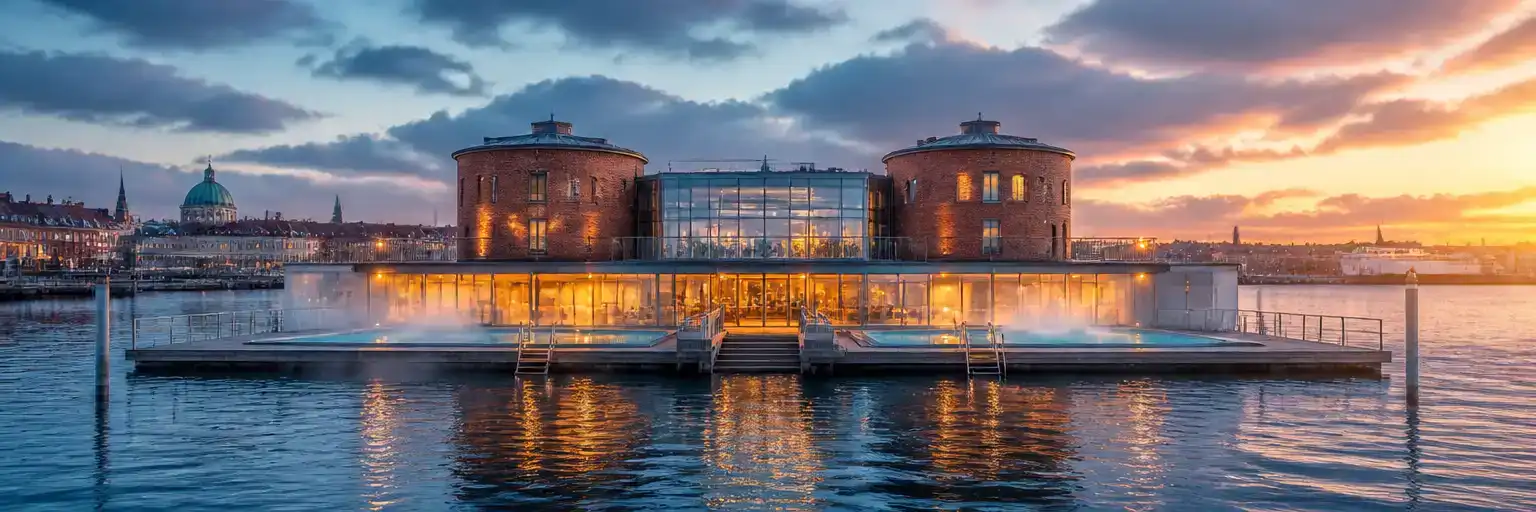
Kai, opening December 5 on Paper Island, gives Copenhagen a winter reason to visit without another monument. Its secret weapon: it's a public pool, not a private spa.
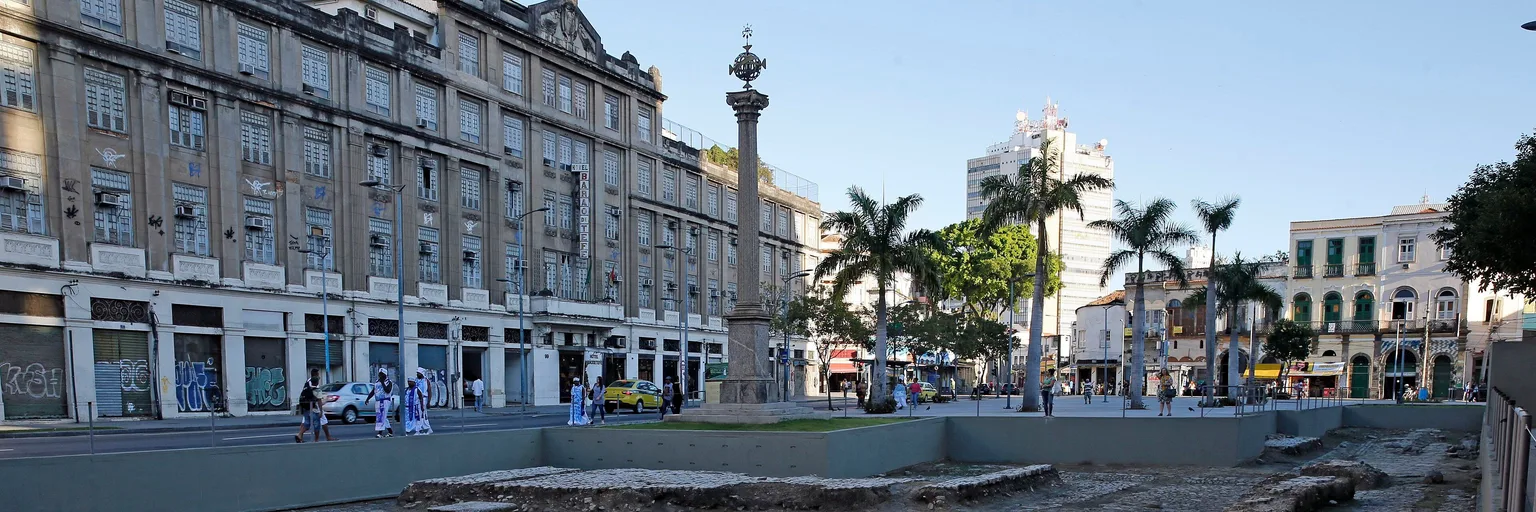
UNESCO added Rio's Valongo Wharf, a Salvador society and Serra da Barriga to its slavery memory network. The recognition only matters if travelers come and Brazil funds honest storytelling.
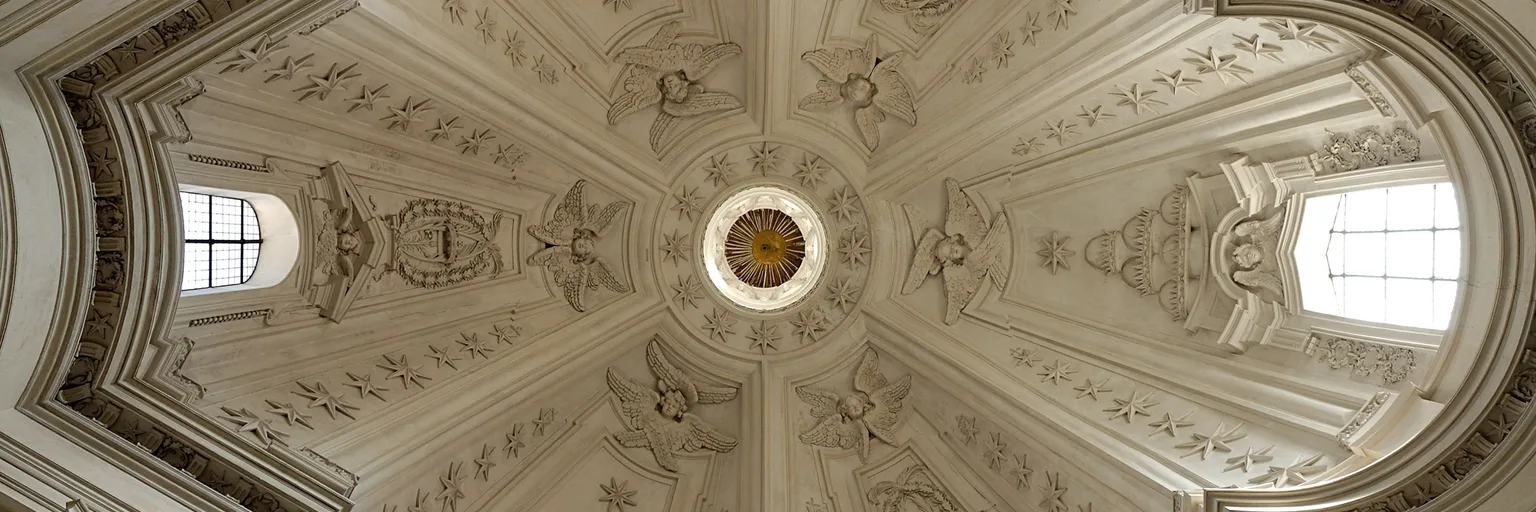
Sant'Ivo alla Sapienza reopened on October 27 with free weekday-morning entry. We think it shows that Rome's best moments often hide beyond the Colosseum line.
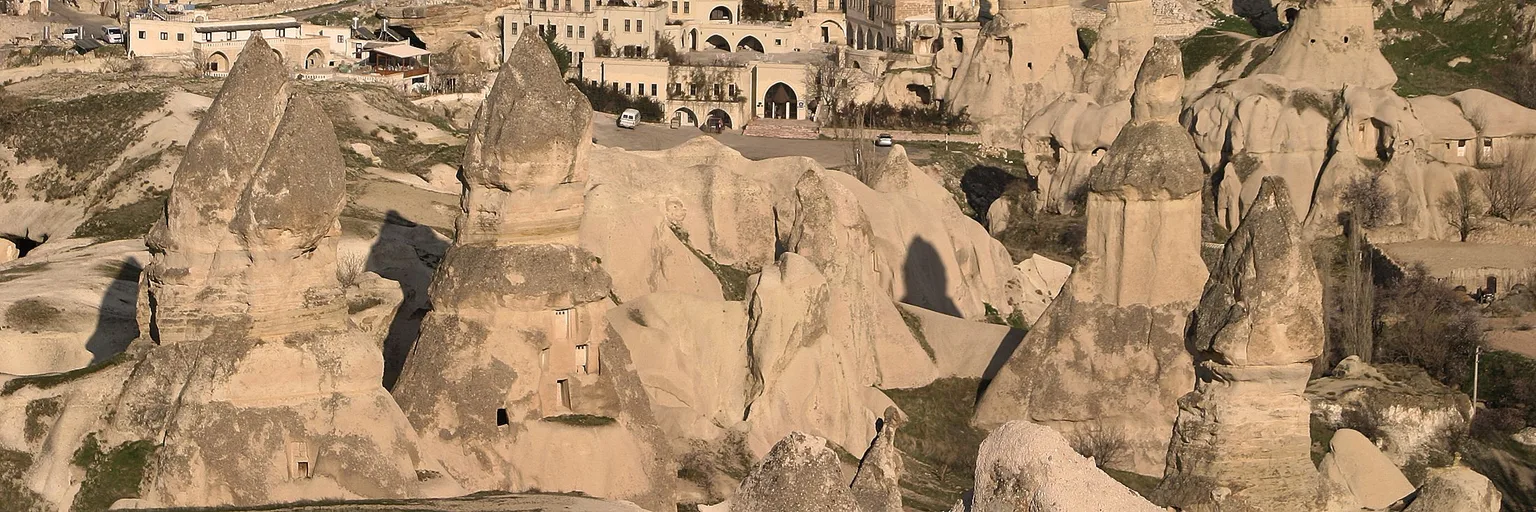
A fairy chimney fell at Göreme and killed two people. The tragedy is a reminder that fragile landmarks need monitoring, closures and honest risk talk, not only photo-friendly access.
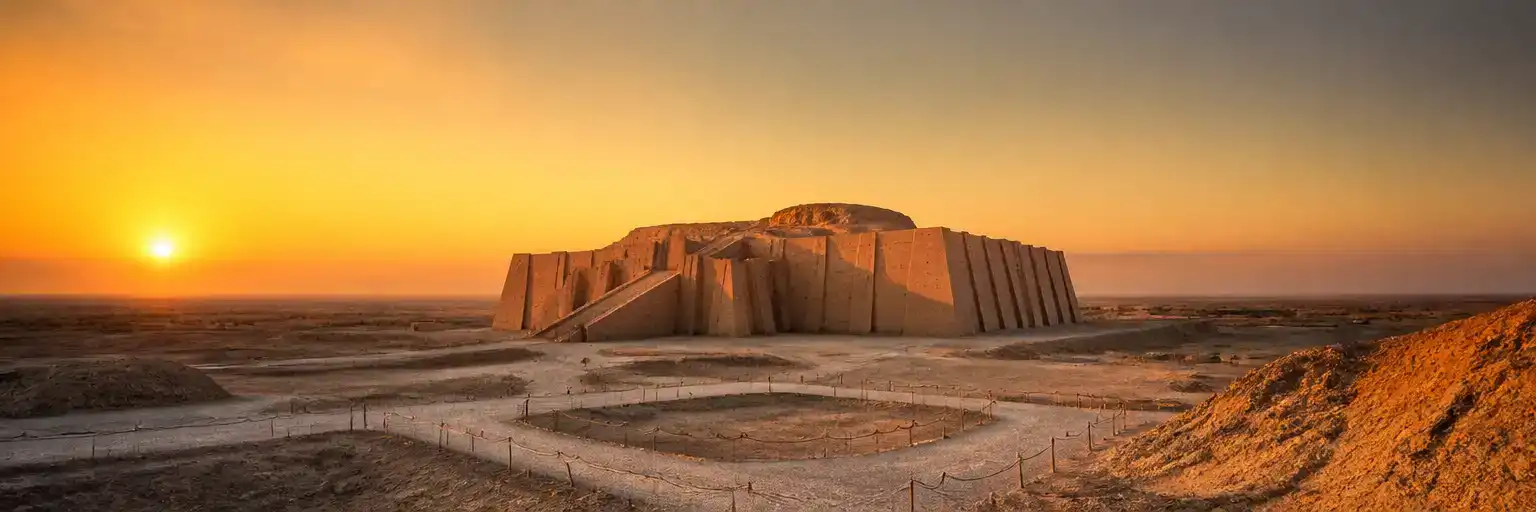
A Mesopotamian park near Baghdad is a rare chance to stand in the cradle of civilization, but it only counts as a destination once visitors get clear access and rules.
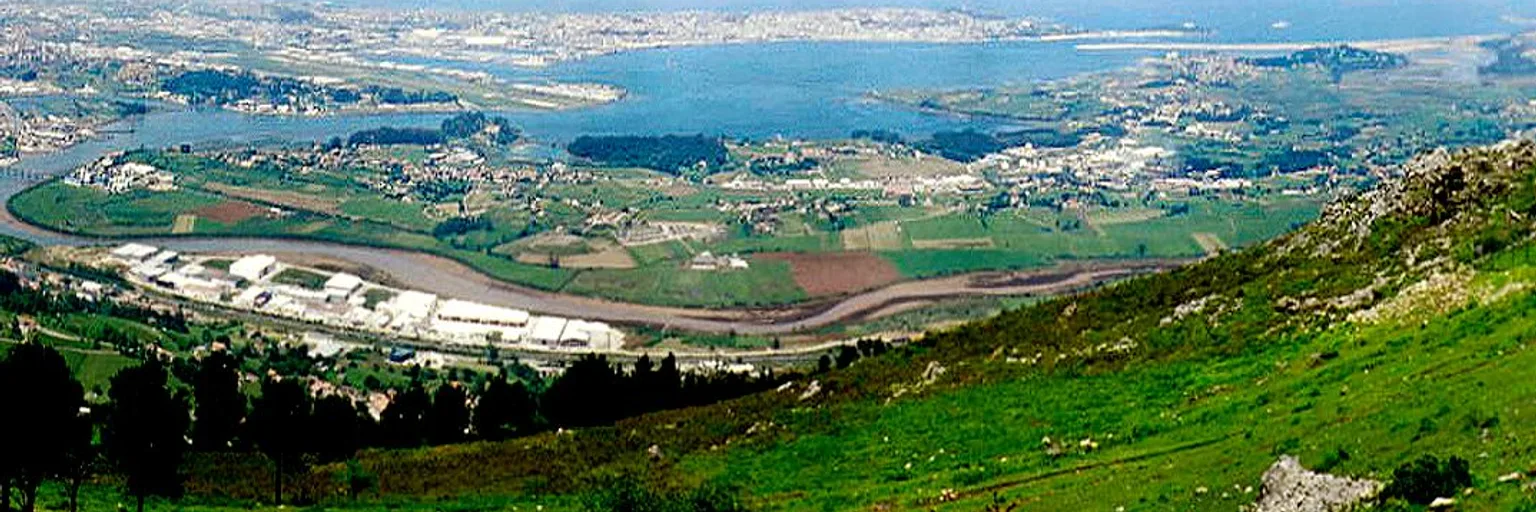
National Geographic has put Cantabria's unhurried capital on its 2027 list, and Santander now has to choose: copy the overtourism script, or turn its slow, art-by-the-sea rhythm into the product.
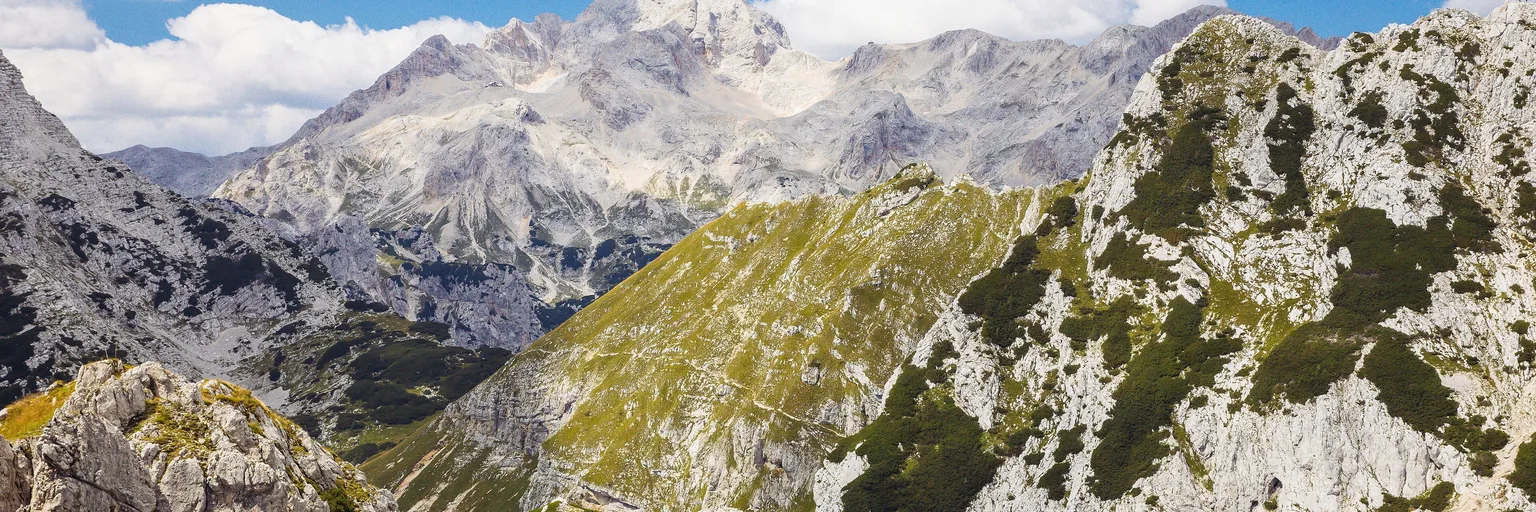
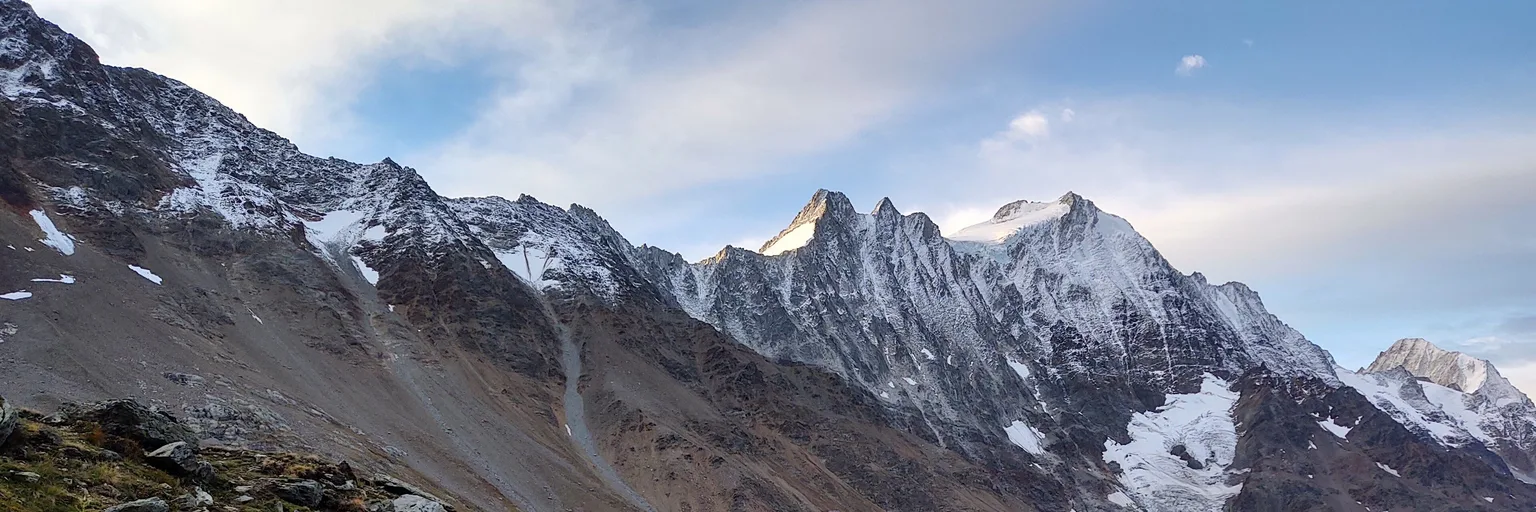
The glacier on Slovenia's highest peak has vanished, and the lesson for Alpine travelers is not to rush for the next disappearing sight but to rethink what a mountain trip is for.
A paywall for a beloved mountain lake feels wrong until you picture the crowds. The fee is defensible only if it buys real management and fair access.
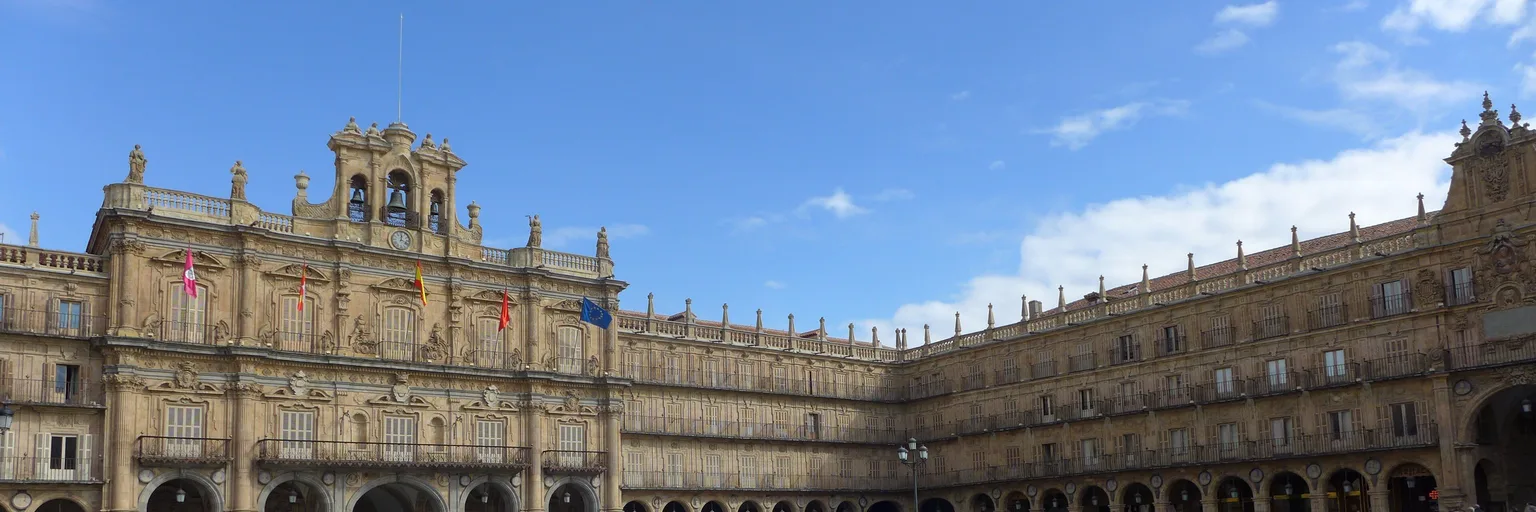
Unamuno called it Europe's most beautiful salon. Salamanca's golden baroque square rewards travelers who skip the capital, stay overnight and arrive when the crowds are gone.
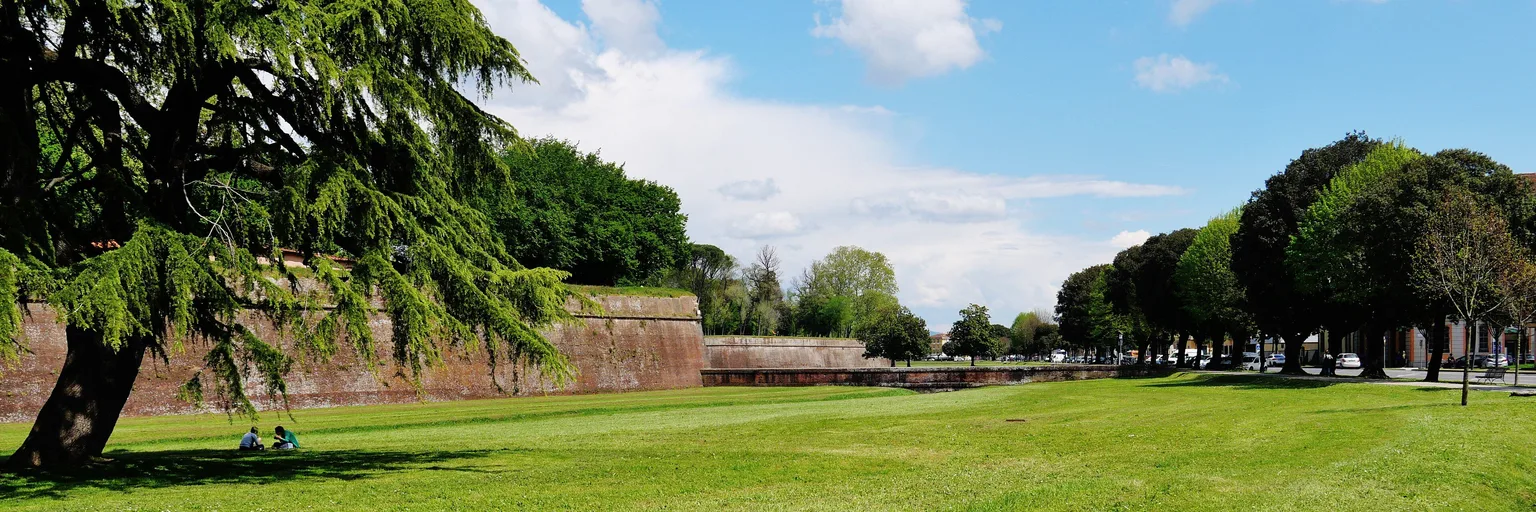
With 160 extra trains and a rebuilt station flow, Lucca Comics shows that festival tourism in a small walled city is a logistics problem first. Plan it like a pilgrimage.
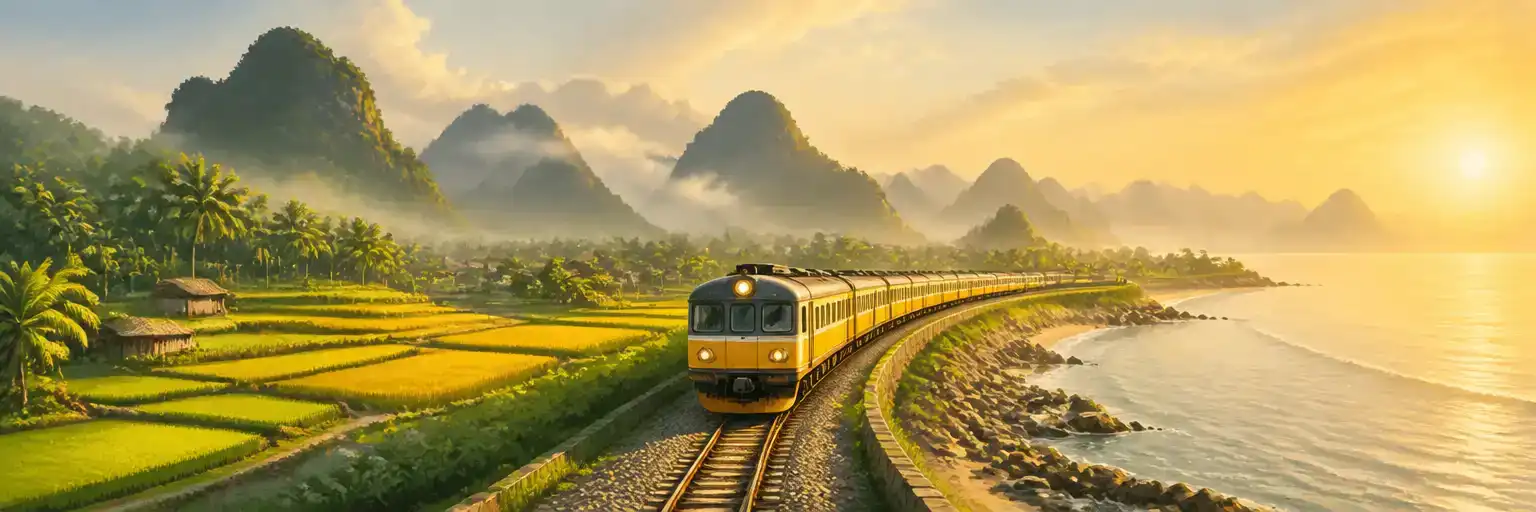
The new Hue–Phong Nha train makes the ride part of the trip. Its biggest risk isn't speed, it's turning a landscape into an onboard theme park.
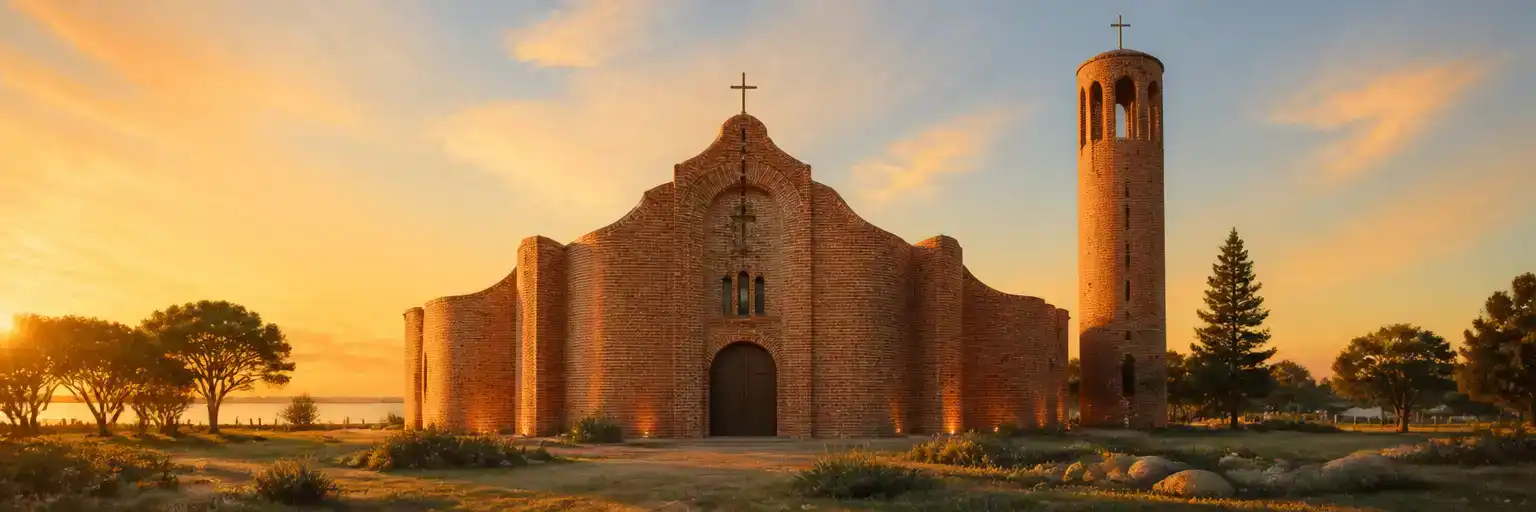
Eladio Dieste's Atlántida Church shows modern heritage can anchor a trip. Uruguay's challenge is to keep a fragile, quiet place from being loved to death.
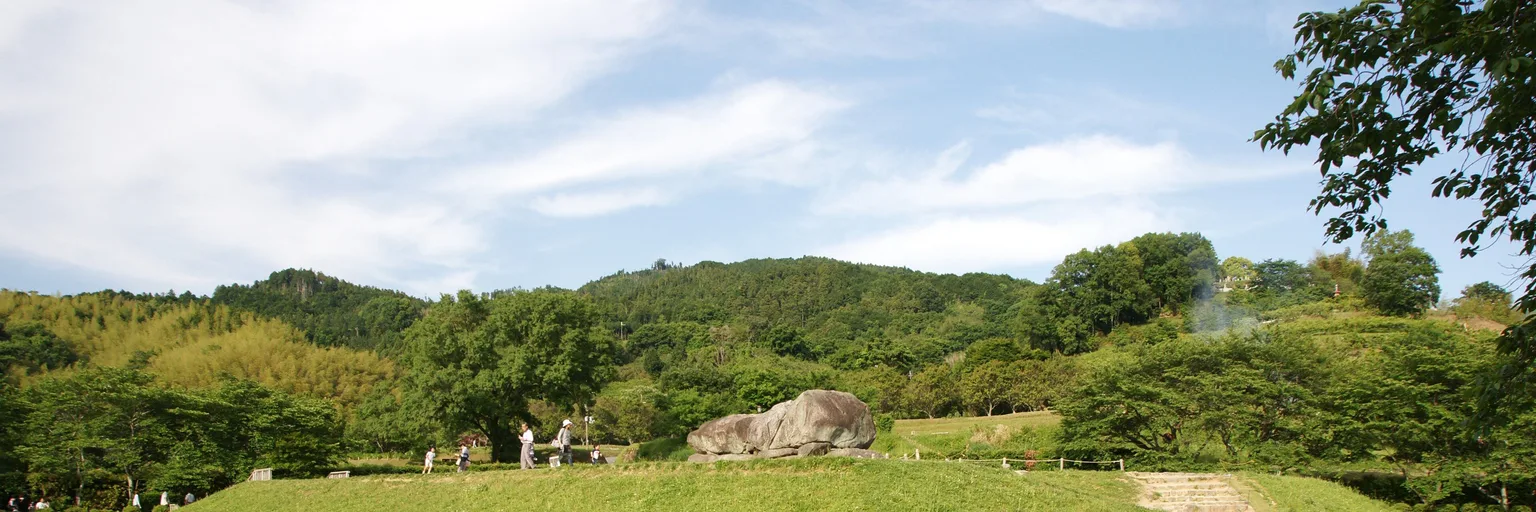
Asuka Village is limiting parking, charging fees and rolling out slow vehicles within months of its listing. Every new World Heritage site should have a visitor plan before the plaque goes up.
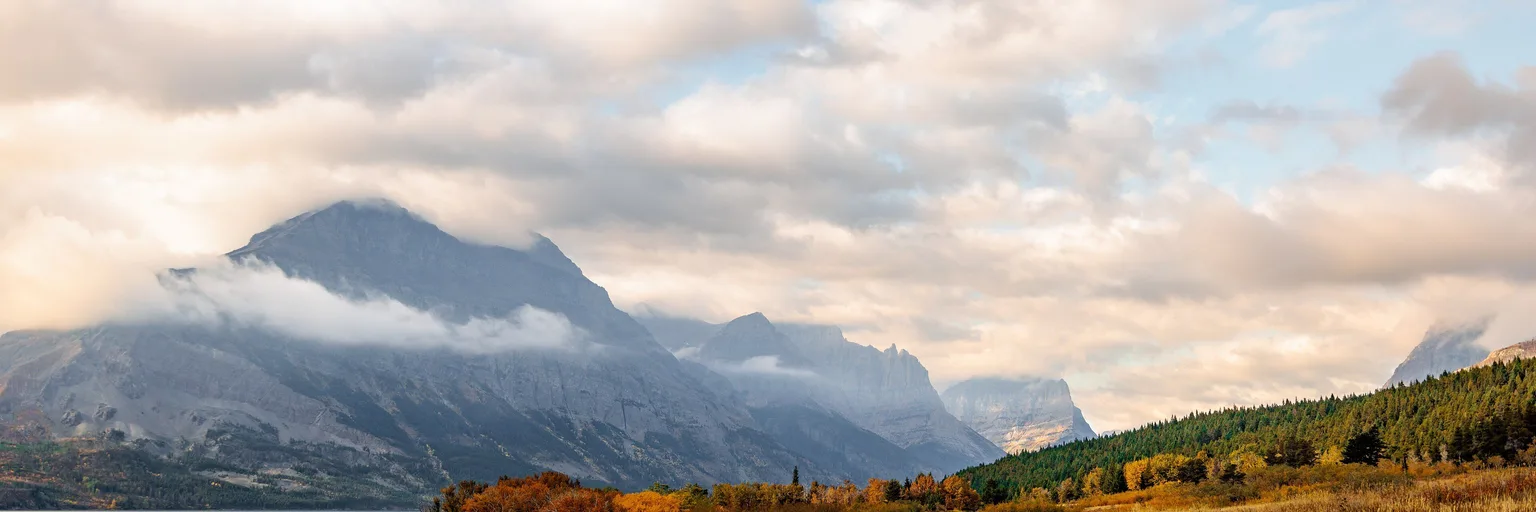
A bacterial disease in Glacier's wildlife is no reason to stay away, but it is a reminder that visitors are part of the park's health and that simple rules beat closures.
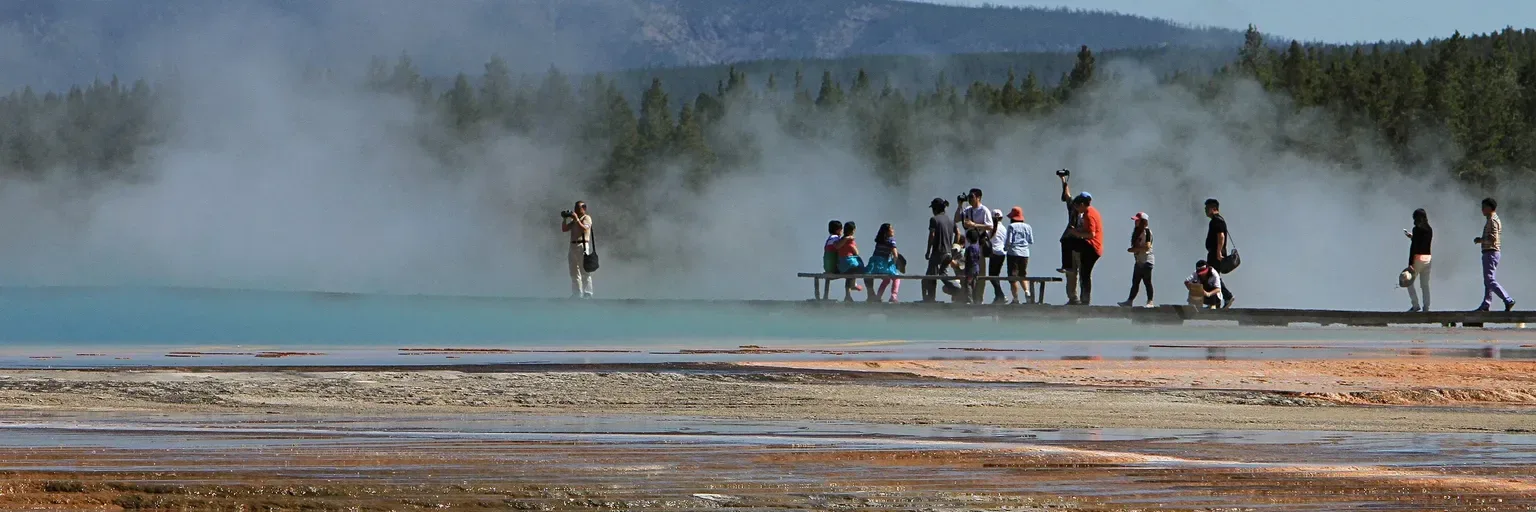
More than 23,000 pieces of debris pulled from geysers and hot springs show that pleading with visitors isn't enough, and that education and enforcement should come with the ticket.
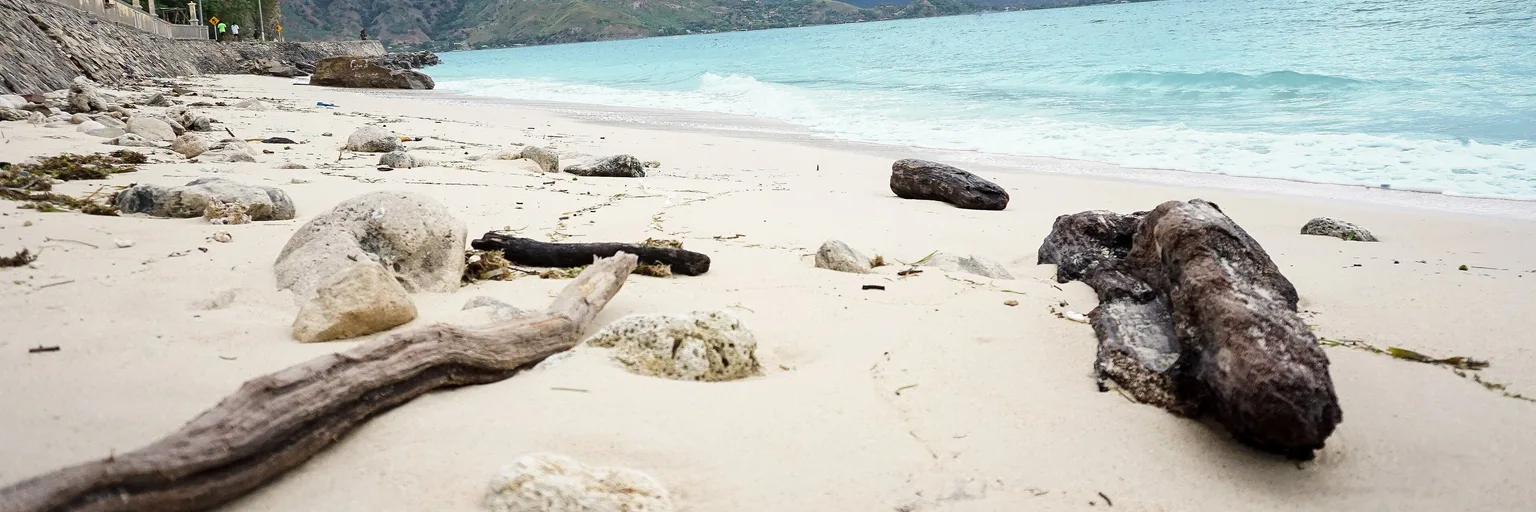
Timor-Leste offers diving, coastline and a sense of space that Bali has long promised. But its thin infrastructure means visitors must arrive as guests, not conquerors.
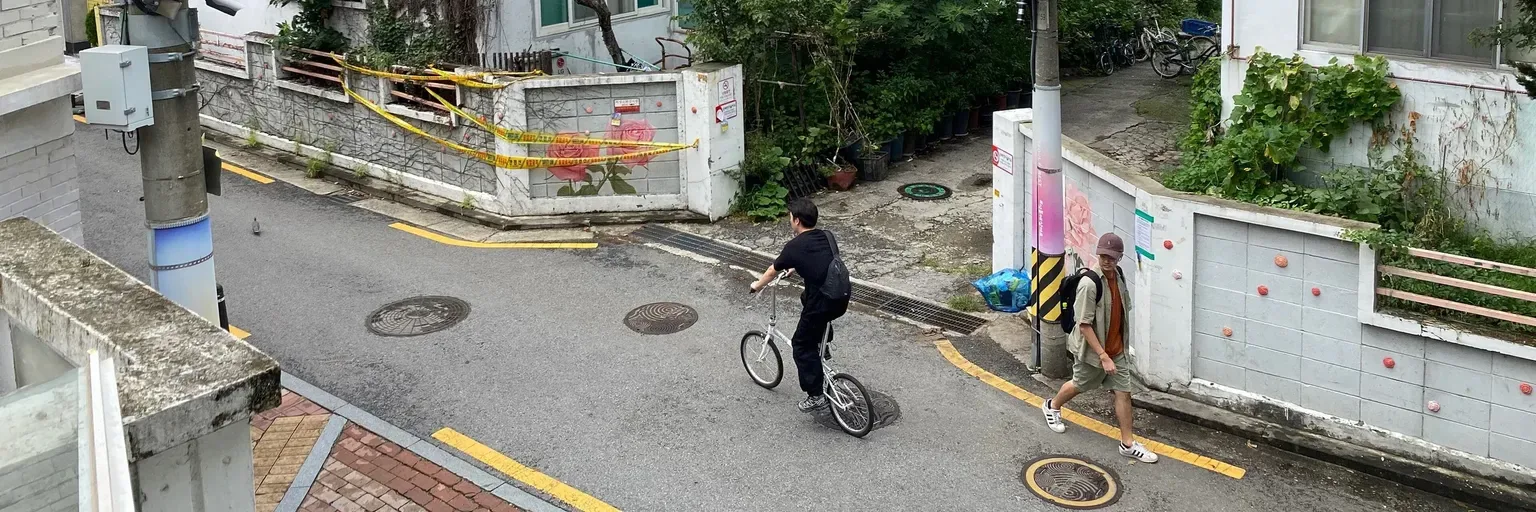
Record visitors and a 57.7% spending jump show travelers want Seongsu's alleys, not just palaces. Seoul's challenge is keeping that magic from turning into a crowd-control problem.