Tripsfera Newsroom
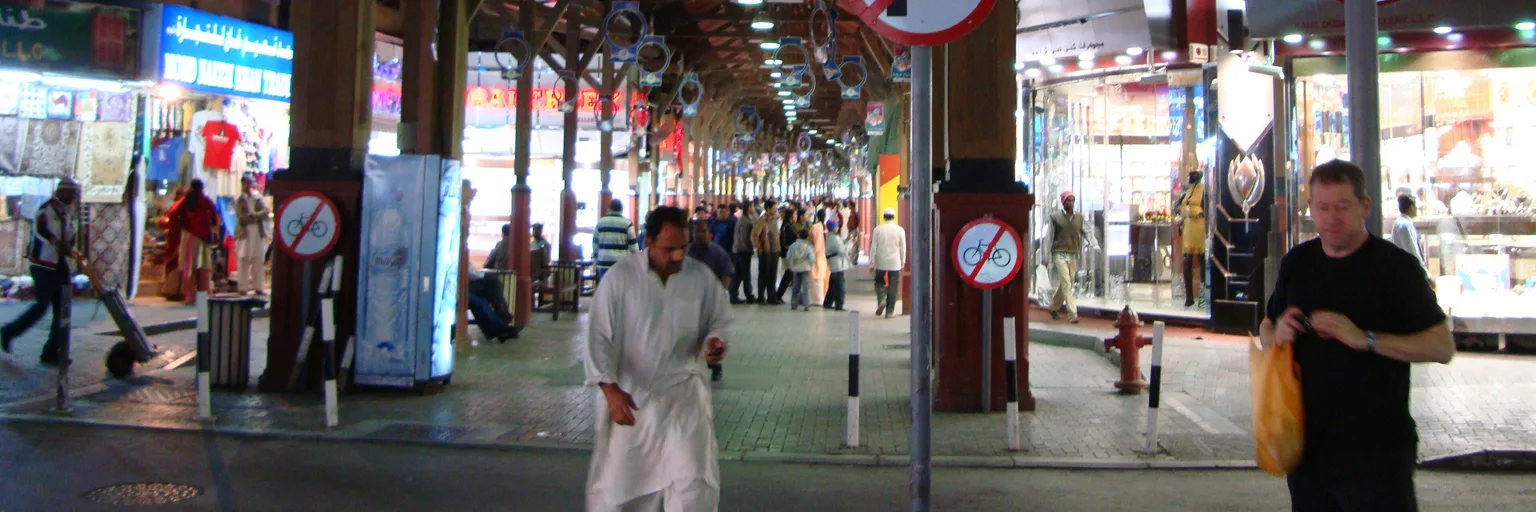
Dubai's gold walkway is a great photo op, not a reason to fly
A 24-karat path will fill Instagram feeds, but Dubai Gold District only becomes a real destination if craft, history and the old souk stand behind the record.
A 24-karat path will fill Instagram feeds, but Dubai Gold District only becomes a real destination if craft, history and the old souk stand behind the record.
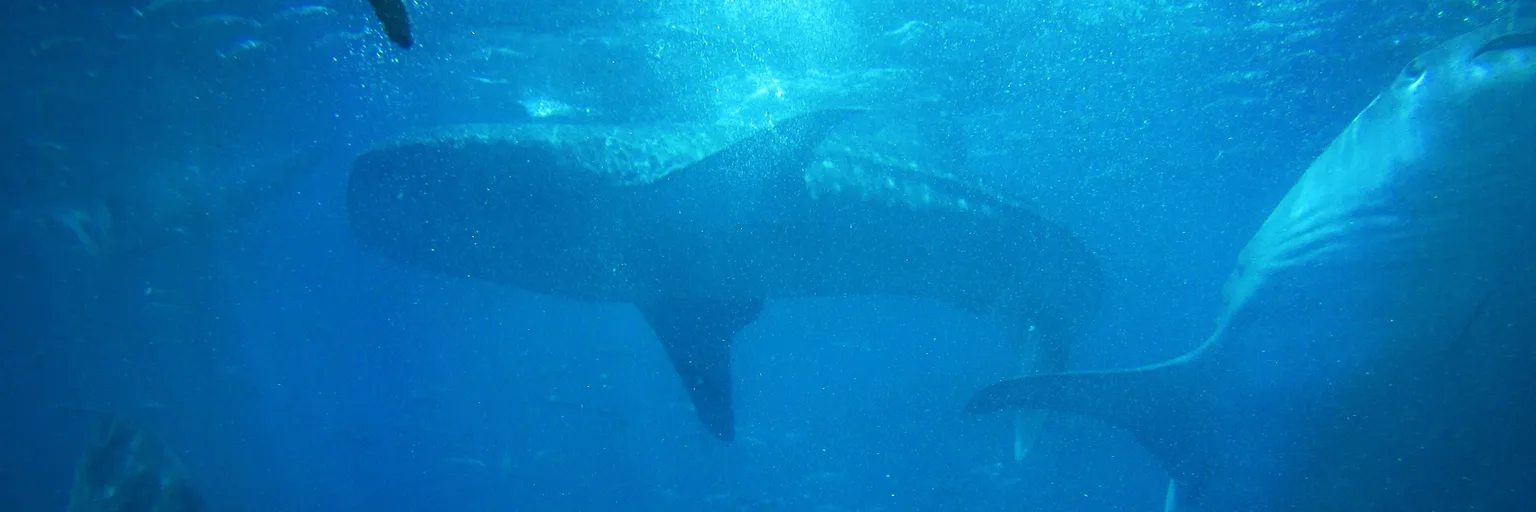
A November reopening of whale shark watching can work for Bohol, but only if limits, enforcement and a real closed season matter more than the booking calendar.
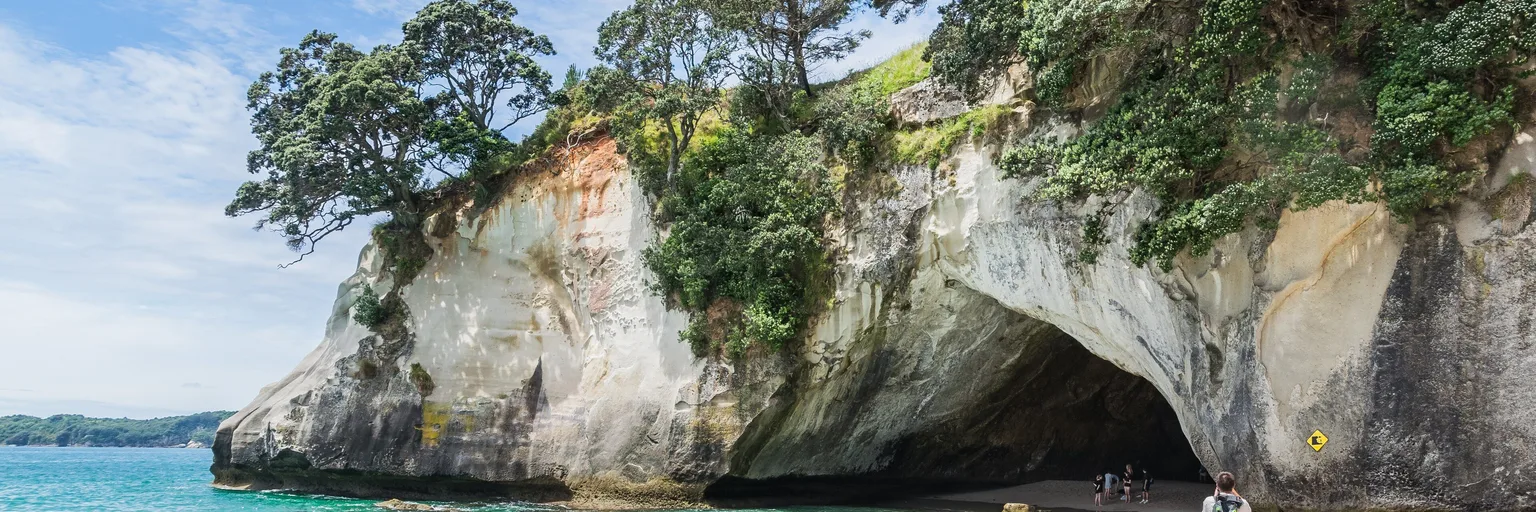
A $121,000 reroute could reopen the Hāhei walk before Christmas, but a cheaper path only works if New Zealand pairs it with limits on visitors and honest rules about slips.
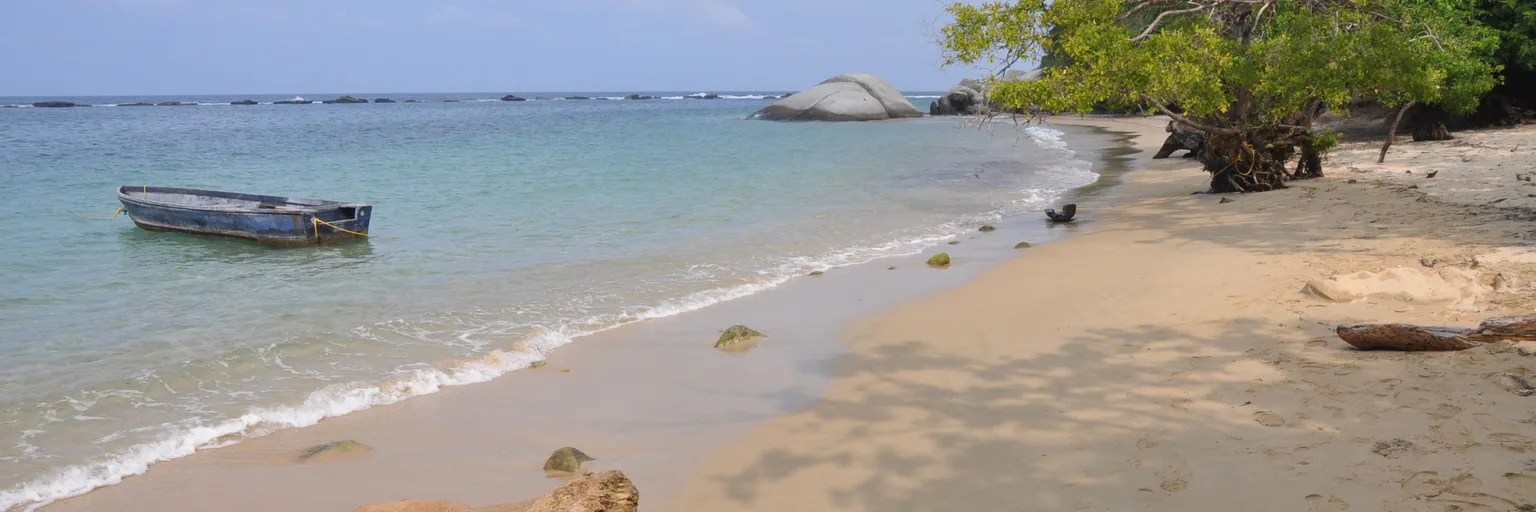
Colombia's Tayrona shuts for 15 days, three times a year. It's a nuisance for travelers, and it's exactly the kind of habit more fragile places should adopt.
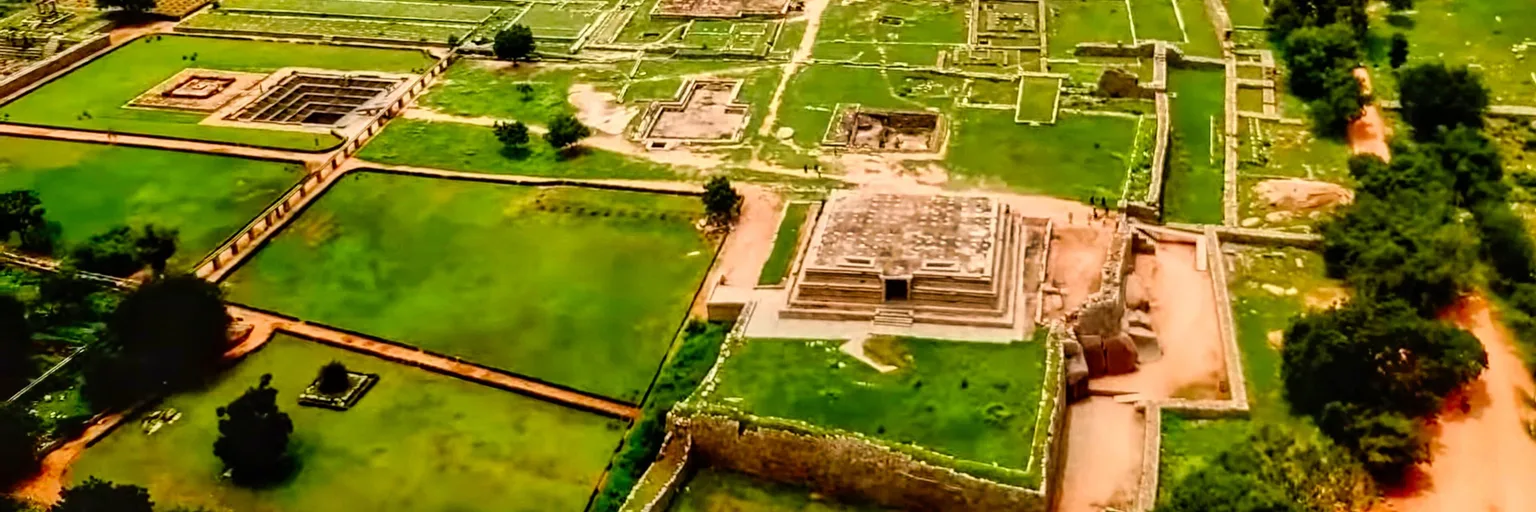
A UNESCO-ICOMOS mission is reviewing Hampi's conservation, tourism infrastructure and master plans. Travelers who love ruins should cheer for caps, not just easier access.
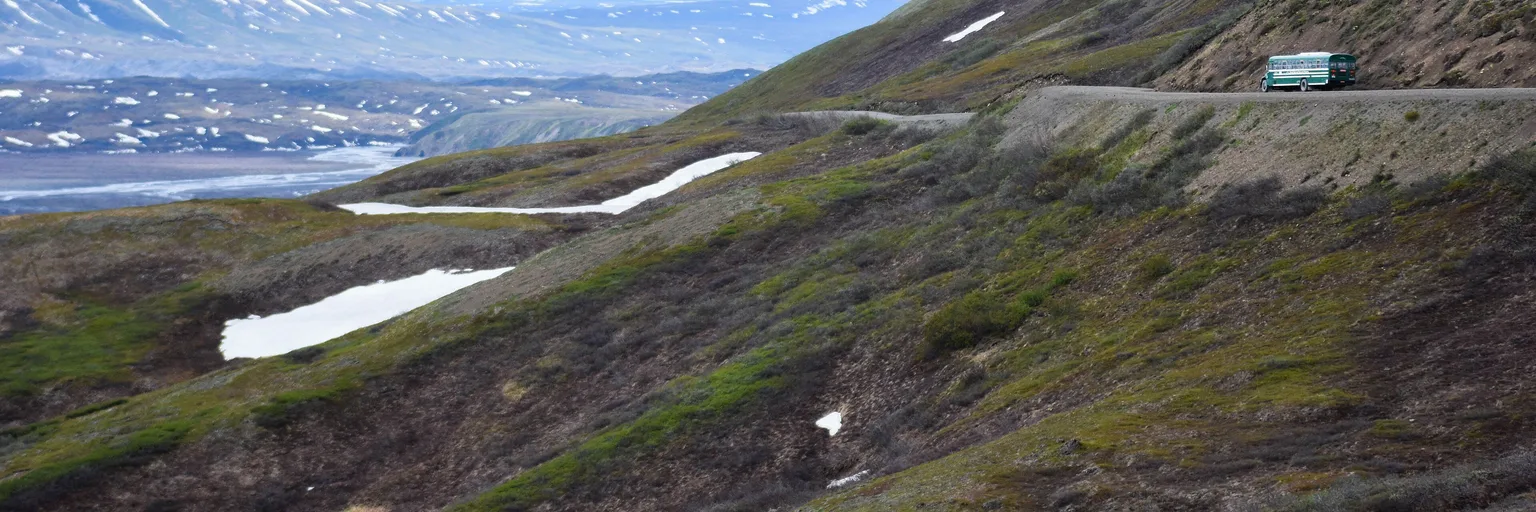
The rule taking effect November 16 mostly writes down a limit Denali has lived with for years. The real risk for 2027 is a scramble for seats, not too many cars.
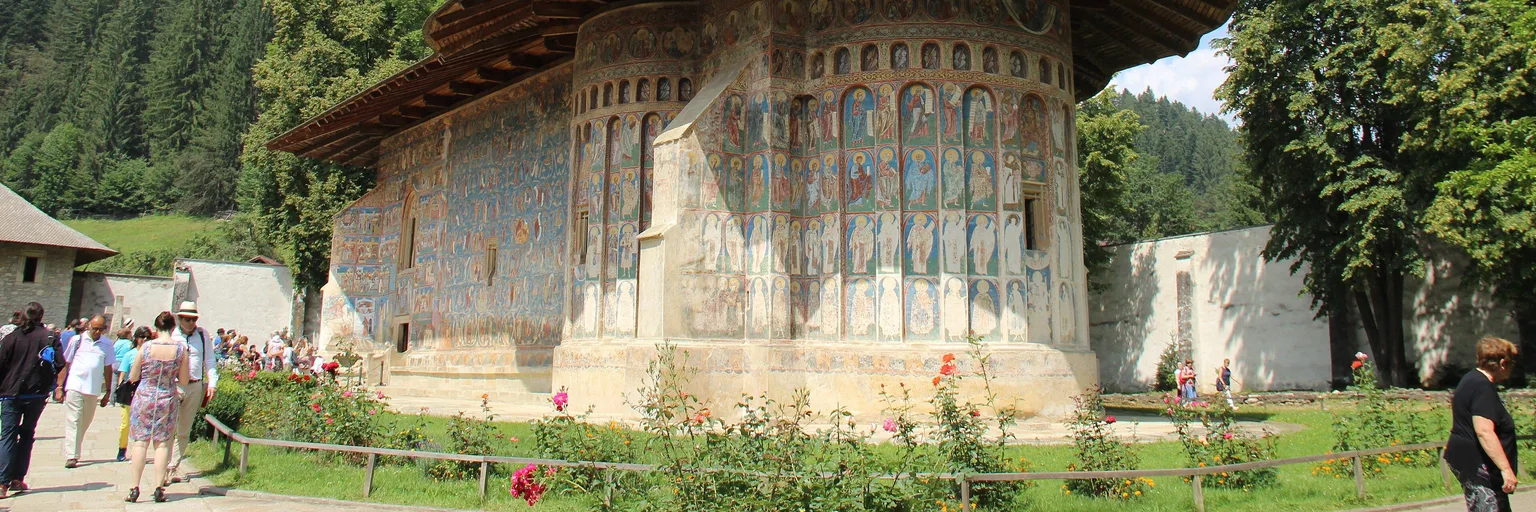
Topping a list of underrated destinations is a blessing and a curse. Bucovina deserves the crown, but the best way to honor it is to arrive slowly and spend locally.
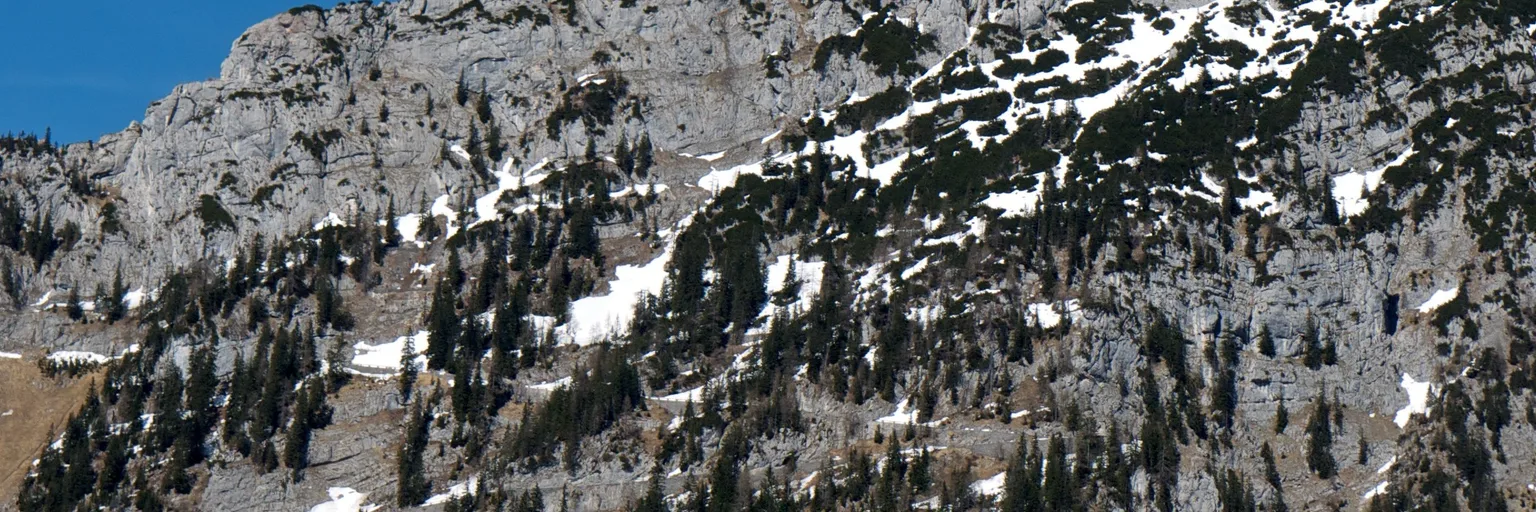
A blaze at the Kehlsteinhaus shows how fragile and contested dark-heritage sites are. Go for the history, not the shock, and demand that Berchtesgaden is clear about it.
National Geographic's 2027 listing could make Maya Ka'an the Mexican Caribbean's best alternative to resort sprawl, but only if the communities keep control of the story and the money.
Australians are choosing Vietnam faster than any other major destination. That's a sign of maturity, and the real challenge is keeping its character while the crowds arrive.
Fewer people at Machu Picchu is the best chance Peru has had in years to spread tourism across the country, provided it doesn't just rebuild the same crowds elsewhere.
A 145-meter cap 180 meters from Jongmyo's gate shows that World Heritage status depends on a city's will to guard its sightlines. Travelers should notice, and Seoul should choose the shrine.
A 13-suite Anantara camp and African Parks' anti-poaching gains show high-end safari can help conservation, but only if it stays small, steady and open about its numbers.
Hydra topping Europe's island ranking isn't a fluke: readers are rewarding silence, walkability and identity over fame. Other islands should copy the model, not the hype.
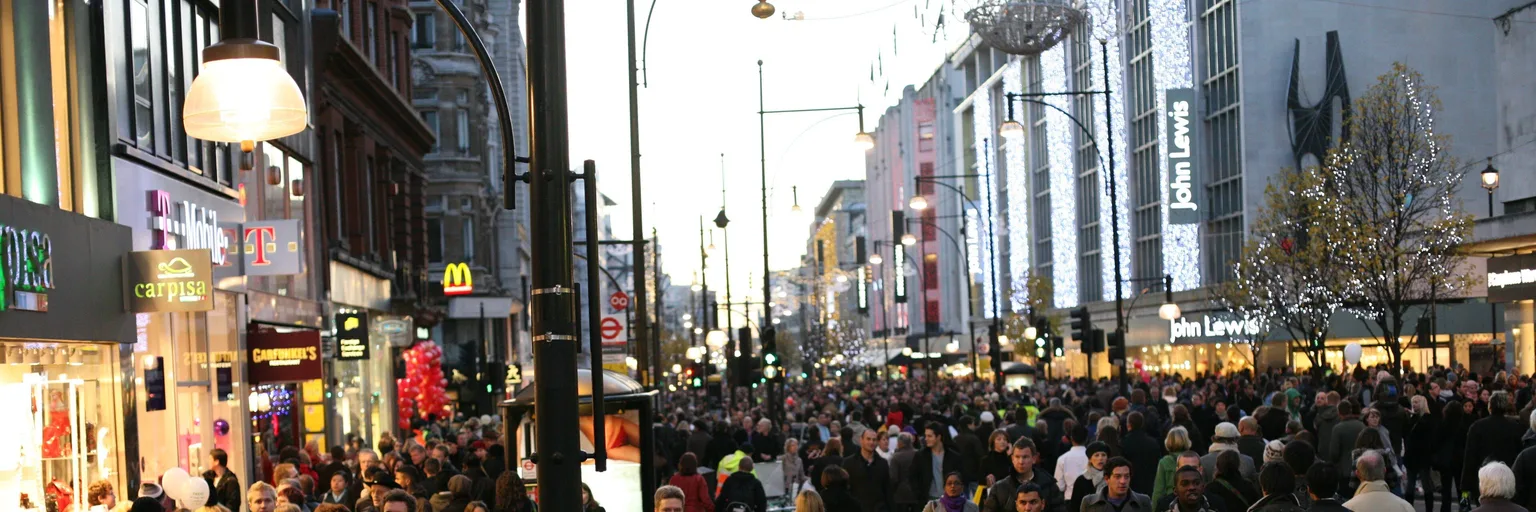
Pedestrianizing London's busiest shopping street is overdue and good for visitors, but it only works if buses, accessibility and the street's tired retail mix get fixed too.
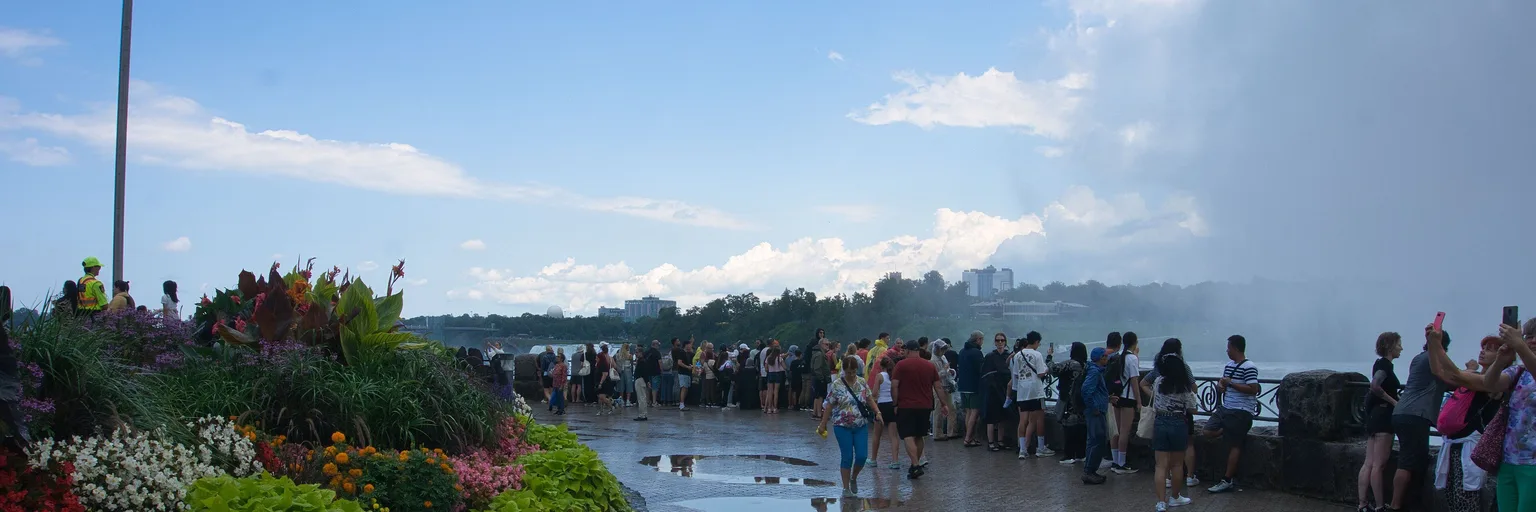
A franchise show beside the Horseshoe Falls is not a scandal by itself. The real test is whether it sends you back to the water or keeps you indoors.
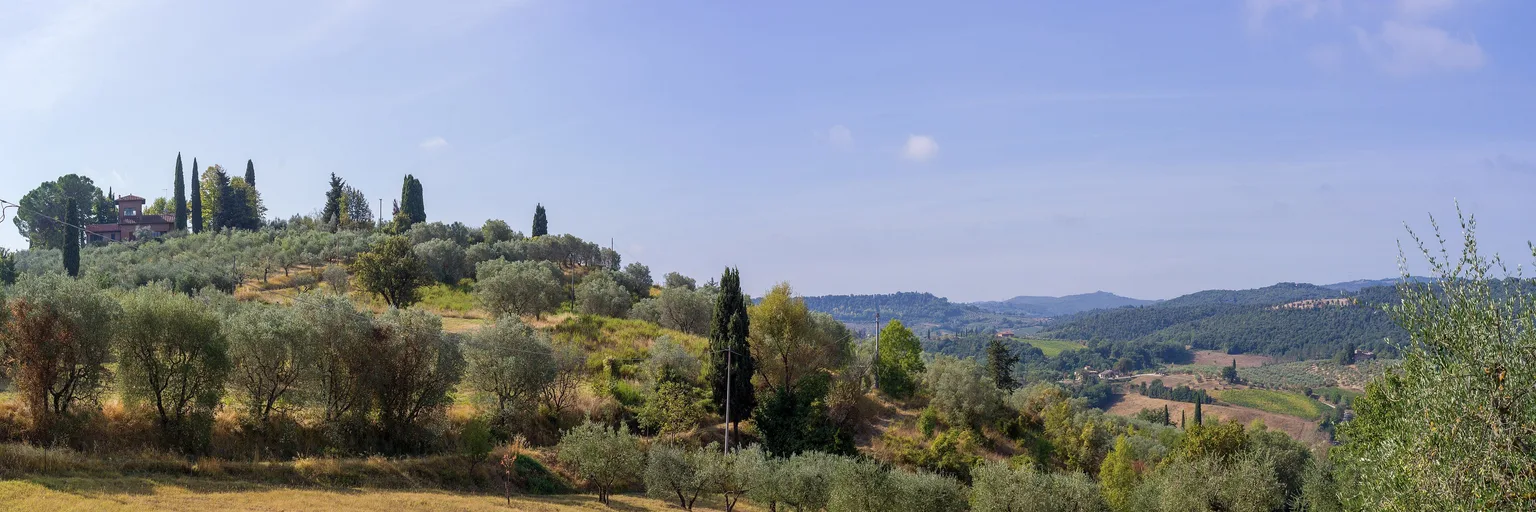
ICOMOS's favorable preliminary review could make the Via Francigena Italy's flagship slow-travel route, but only if the status brings real walker infrastructure, not a souvenir label.
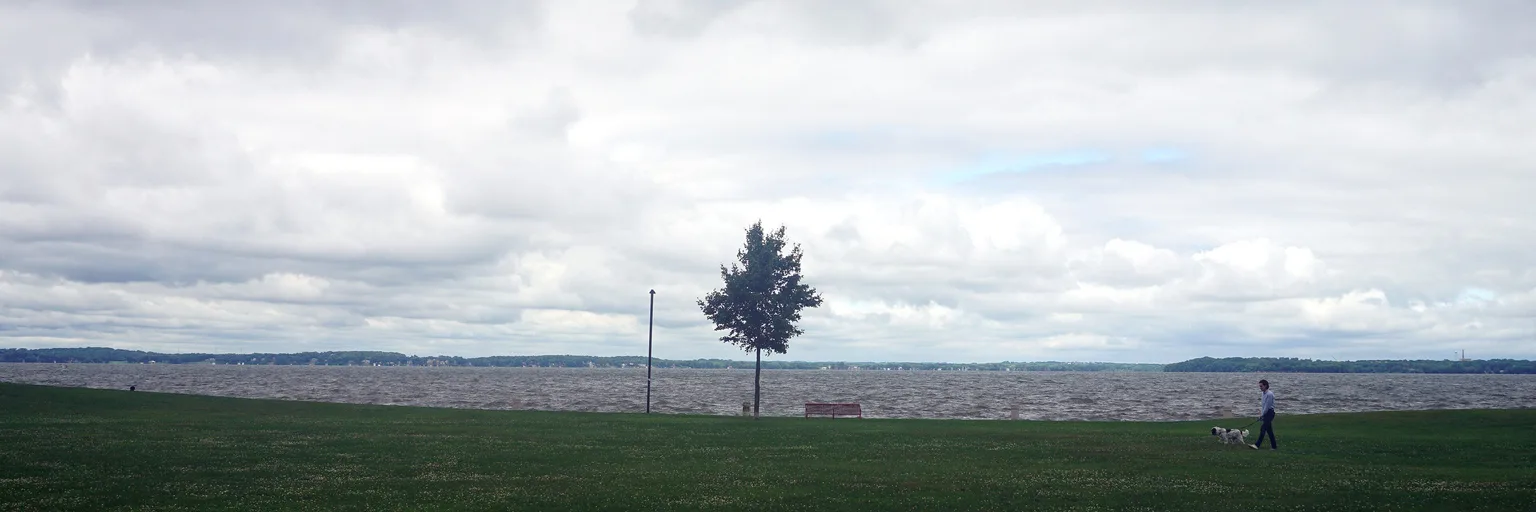
National Geographic's Best of the World 2027 works best when you read the story behind each pick. Madison, Wisconsin, shows the list now rewards human-scale places.
High visitor numbers show that Jericoacoara's rustic charm is its most fragile asset, and managing growth now matters more than celebrating it.
Suspended footbridges are the new tourism trophy. Ponte dei Minatori can be more than a record, but only if the miners, not the drop, are what visitors remember.