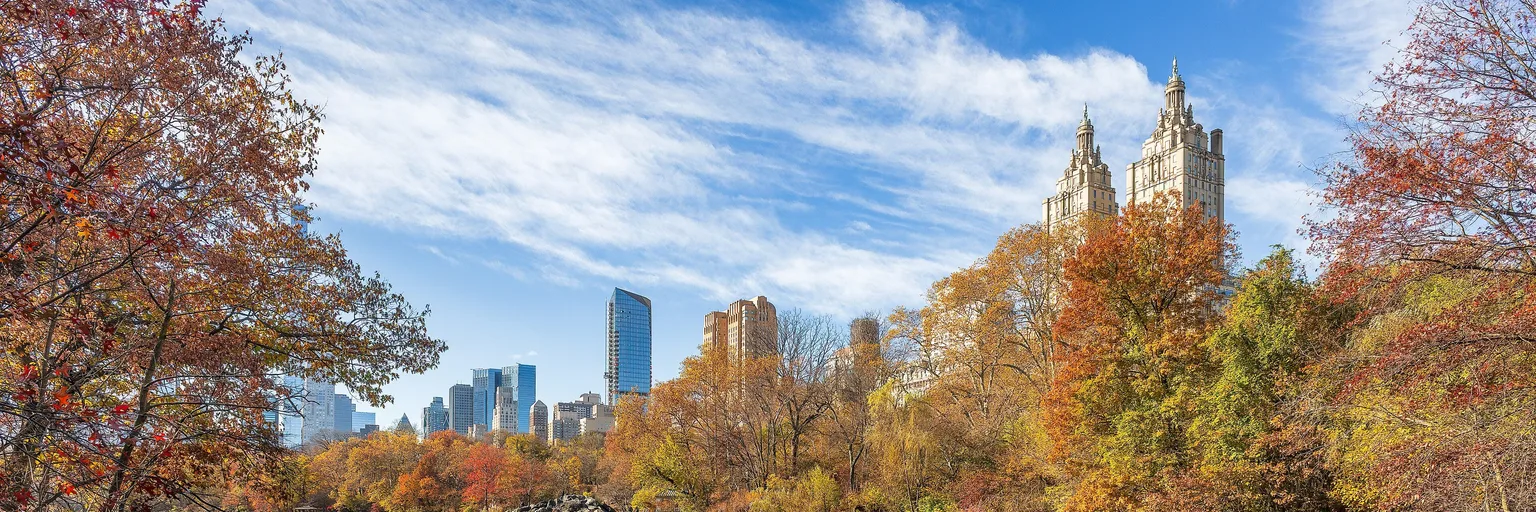
Central Park's carriage ban is right, but New York owes visitors a better ride
Ending a 150-year tourist cliché is defensible on animal welfare grounds, but the city must replace it with something real, and with fairness for the drivers.

National Geographic's 2027 list sends readers to a roadless Patagonian cape, and the real question is whether remote places can absorb that kind of attention.
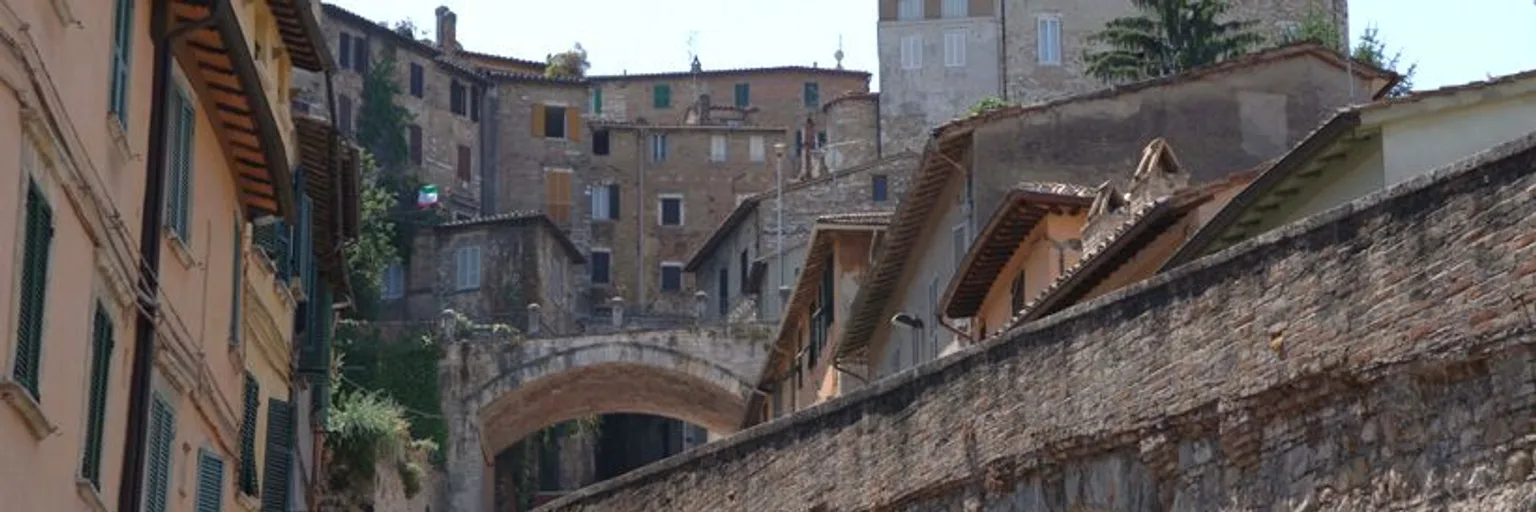
Expedia can put Perugia on more travel wish lists, but Umbria’s real opportunity is turning algorithmic curiosity into longer, more local and more balanced trips.
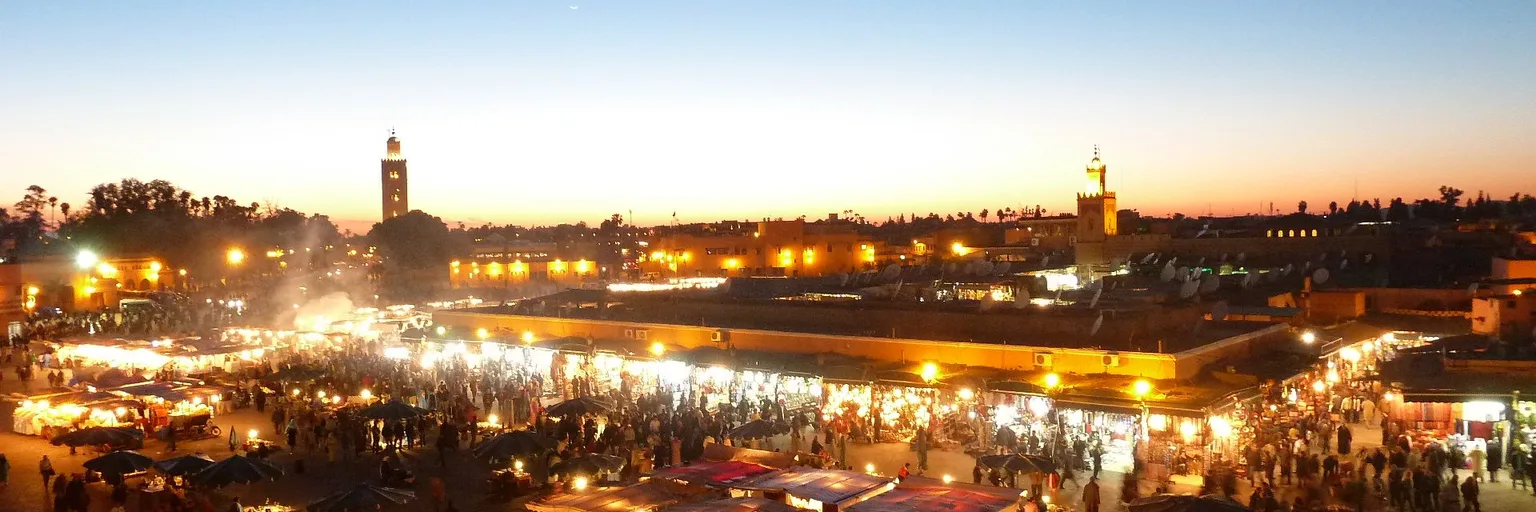
American interest in Morocco is rising after the 2026 World Cup, but the lasting prize will be longer, wider and more responsible journeys—not a brief burst of attention.
The Seronera center has the exhibits and scale to matter, but its success will depend on whether visitors can see where tourism, research and protection meet.
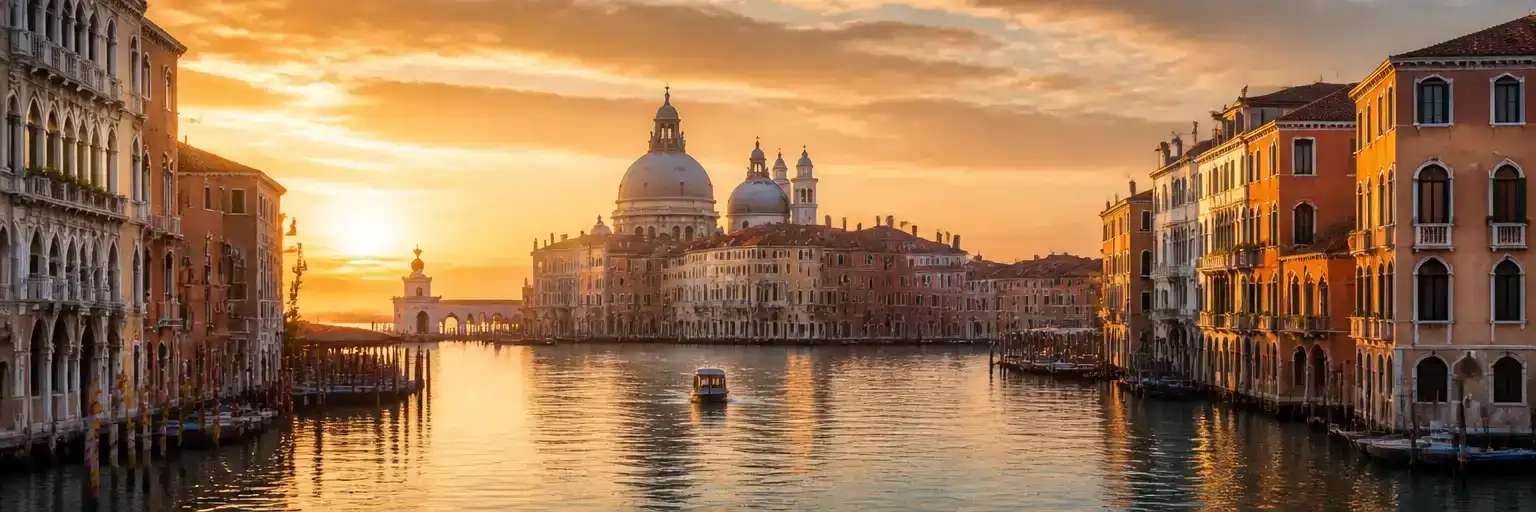
Venice is extending its day-tripper fee, but the real test is whether tourism policy can protect homes and everyday life—not simply collect money at the gates.
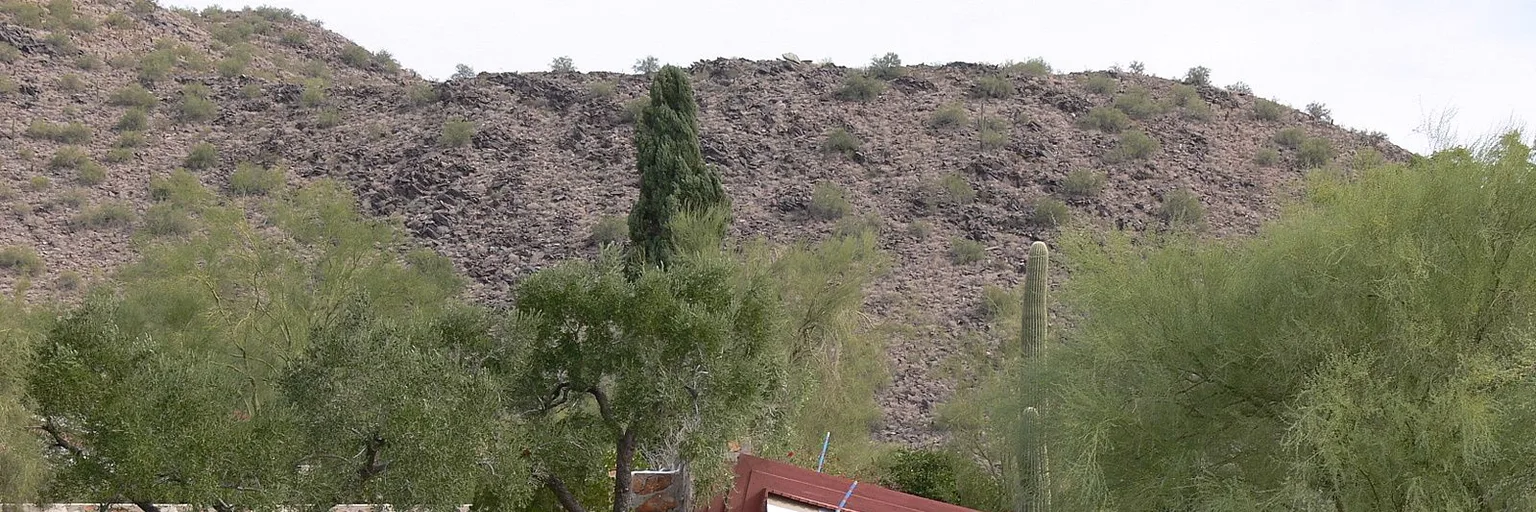
The death of a visitor at Frank Lloyd Wright’s desert masterpiece exposes a hard truth: preservation must include transparent, visible risk management.
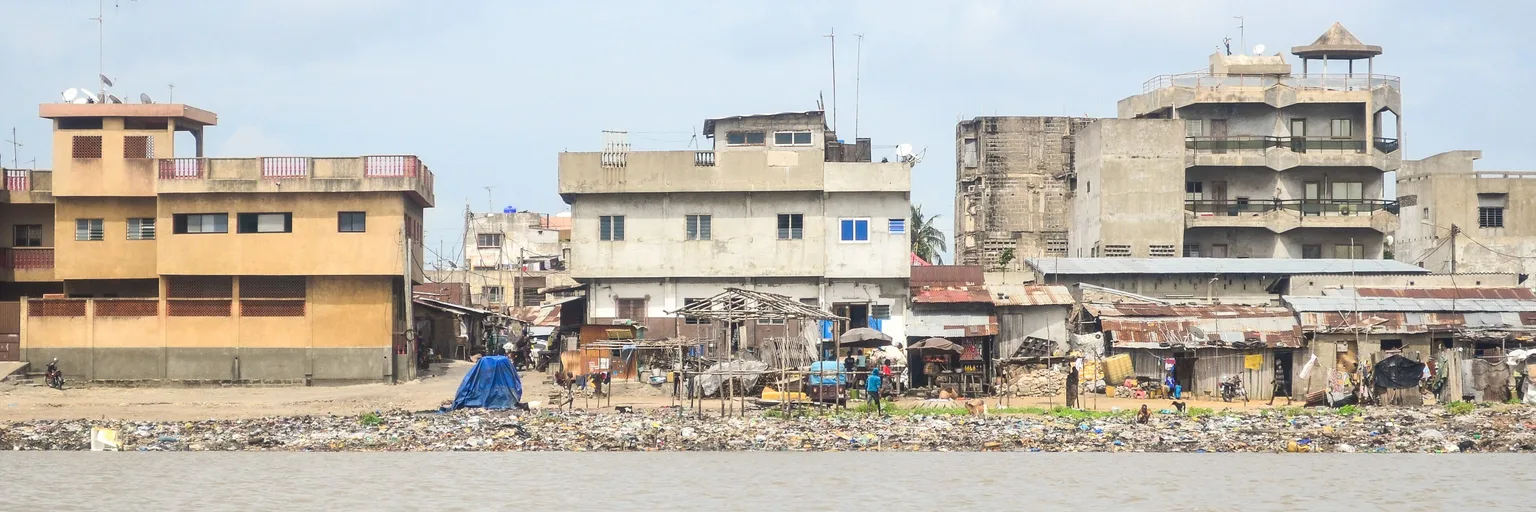
Benin can turn the 2027 Black Travel Summit into a meaningful bridge between Africa and its diaspora—if local communities shape the welcome.
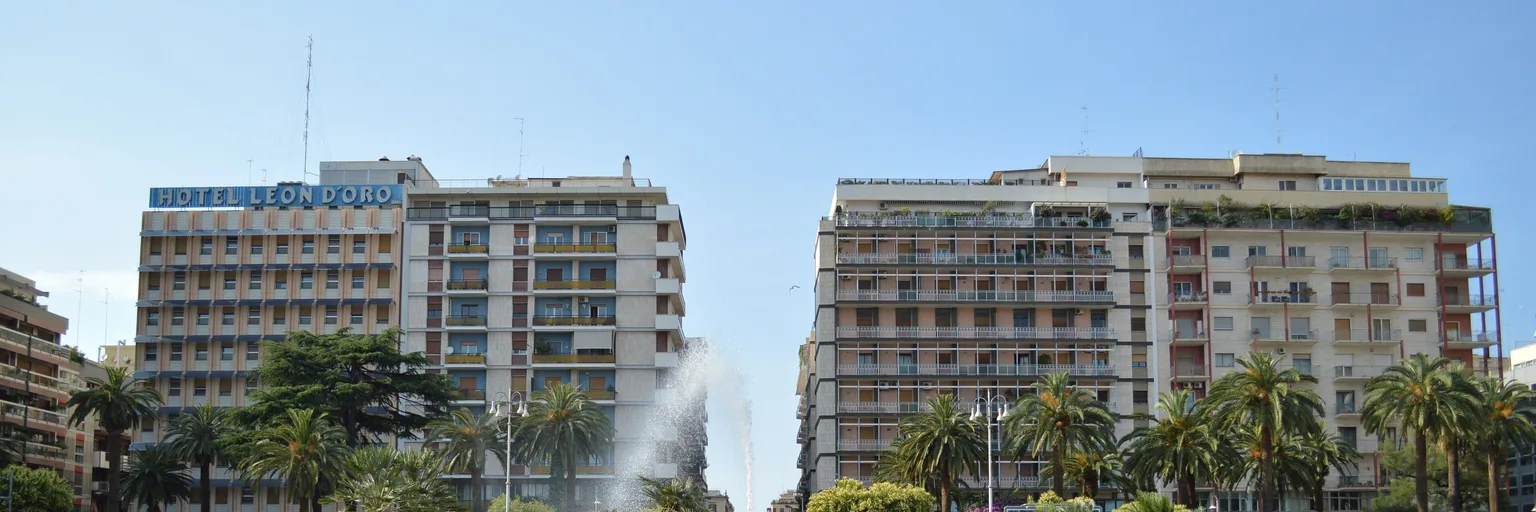
A burial found beneath Piazza Aldo Moro turns a routine station makeover into a test of whether Bari can make archaeology part of daily urban life.
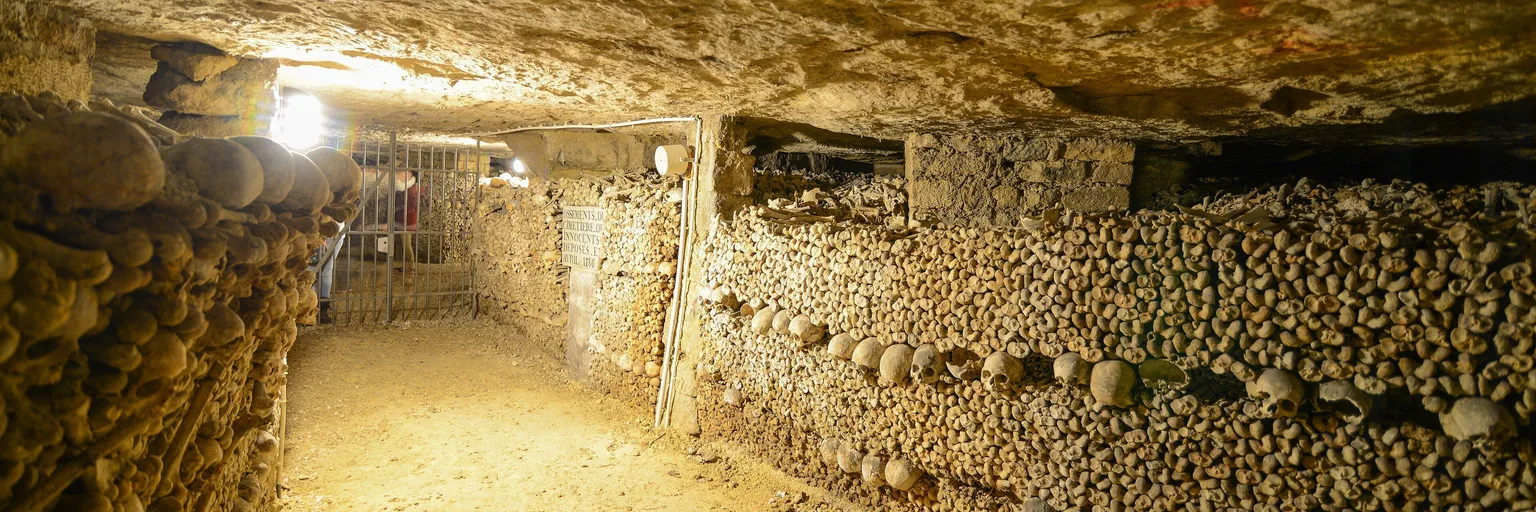
Paris is turning catacombs, cemeteries and superstition into a November itinerary. The draw is real, but the best visit should favor history over haunted-house theatrics.
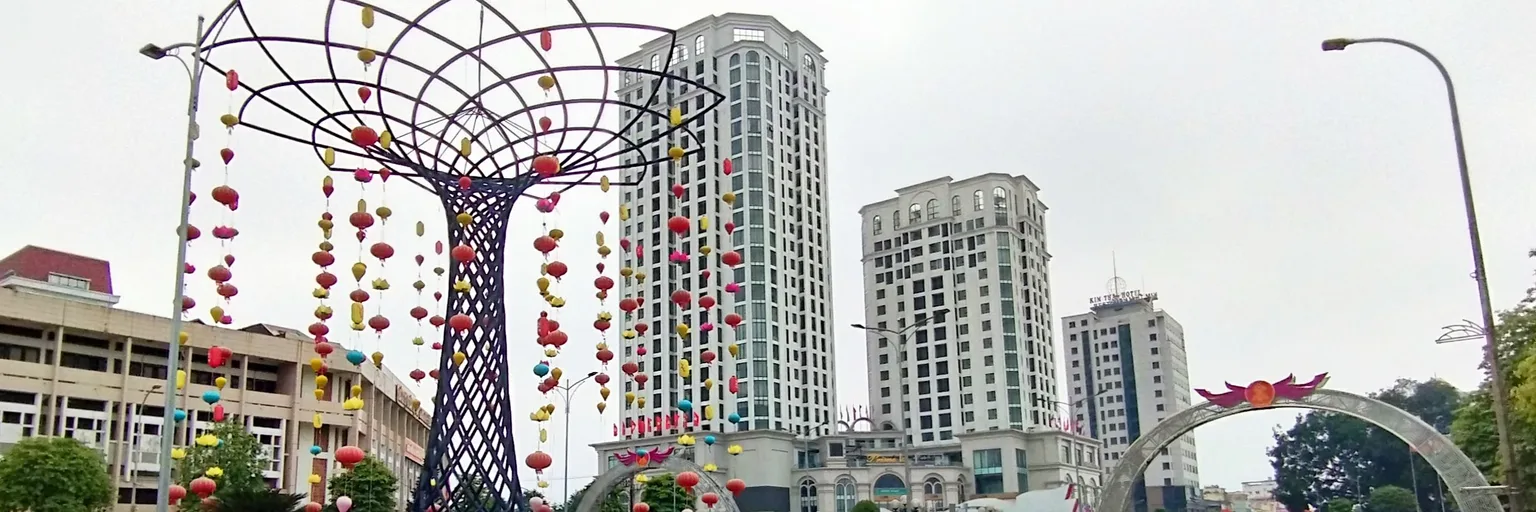
Khao Yai and Thai Nguyen suggest a smarter tourism model: destinations built around domestic curiosity, local identity and slower experiences—not just foreign arrivals.
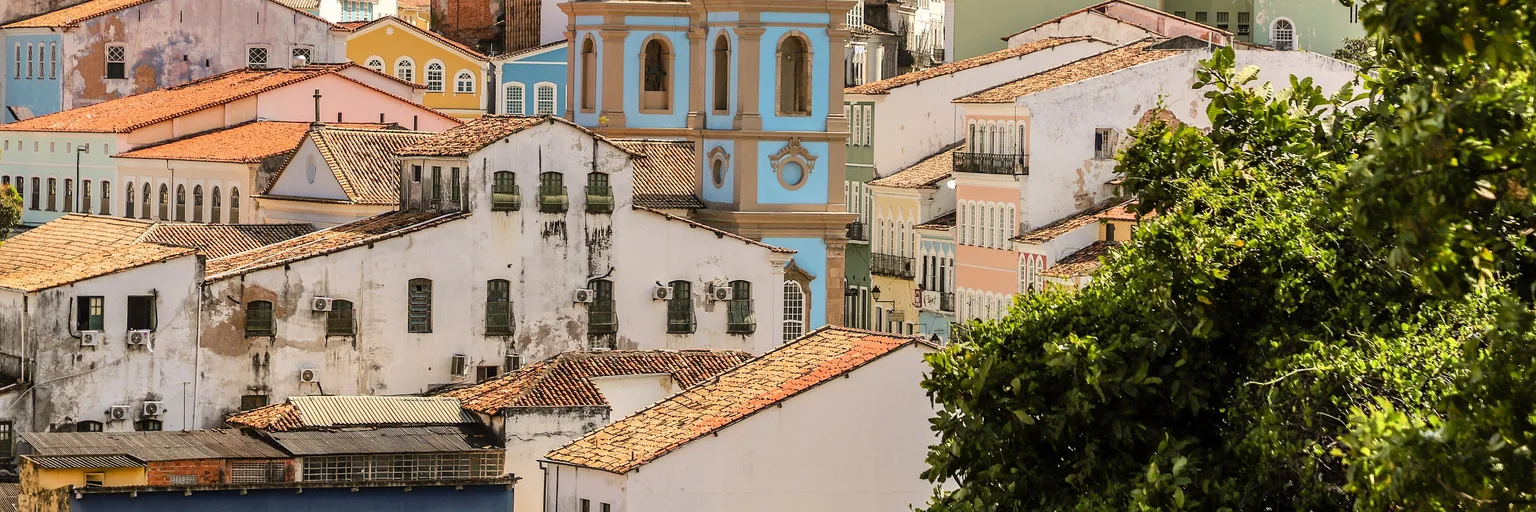
Salvador has everything a major destination needs—from historic streets and beaches to music and food—but its growth should benefit the communities that give it character.
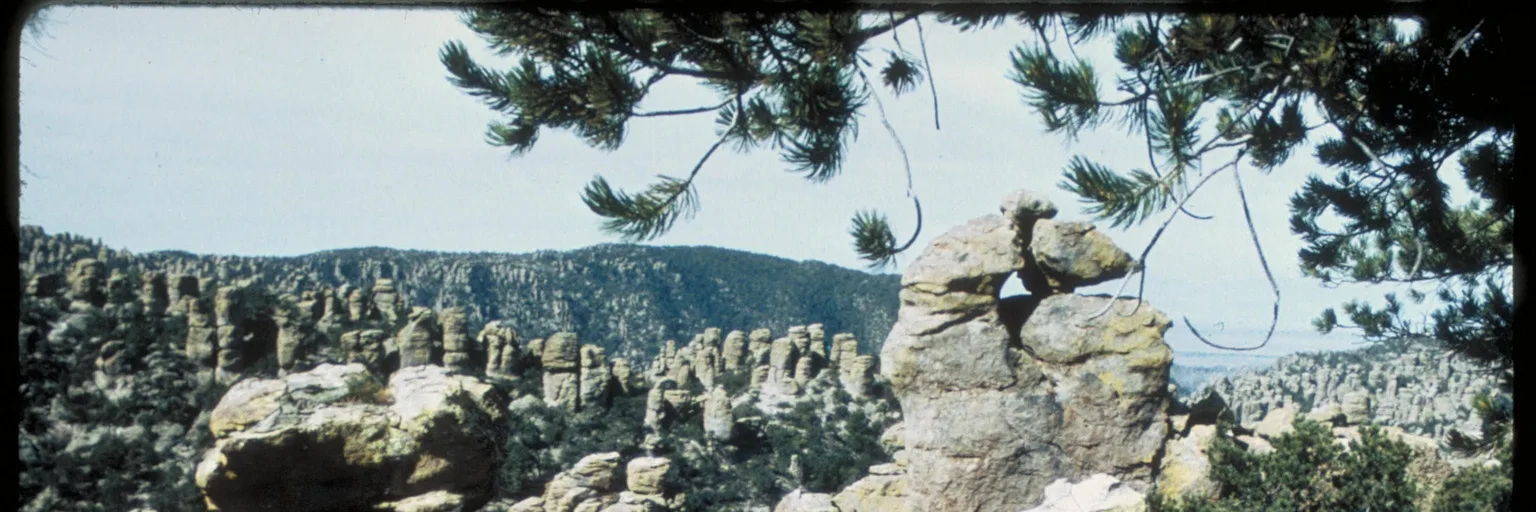
America’s newest national park puts Arizona’s extraordinary Wonderland of Rocks in the spotlight, but recognition will matter only if protection and access keep pace.
The 2028 Beatles Story could bring longer, richer visits to Liverpool—but only if the band’s legacy leads travelers into the city rather than replacing it.
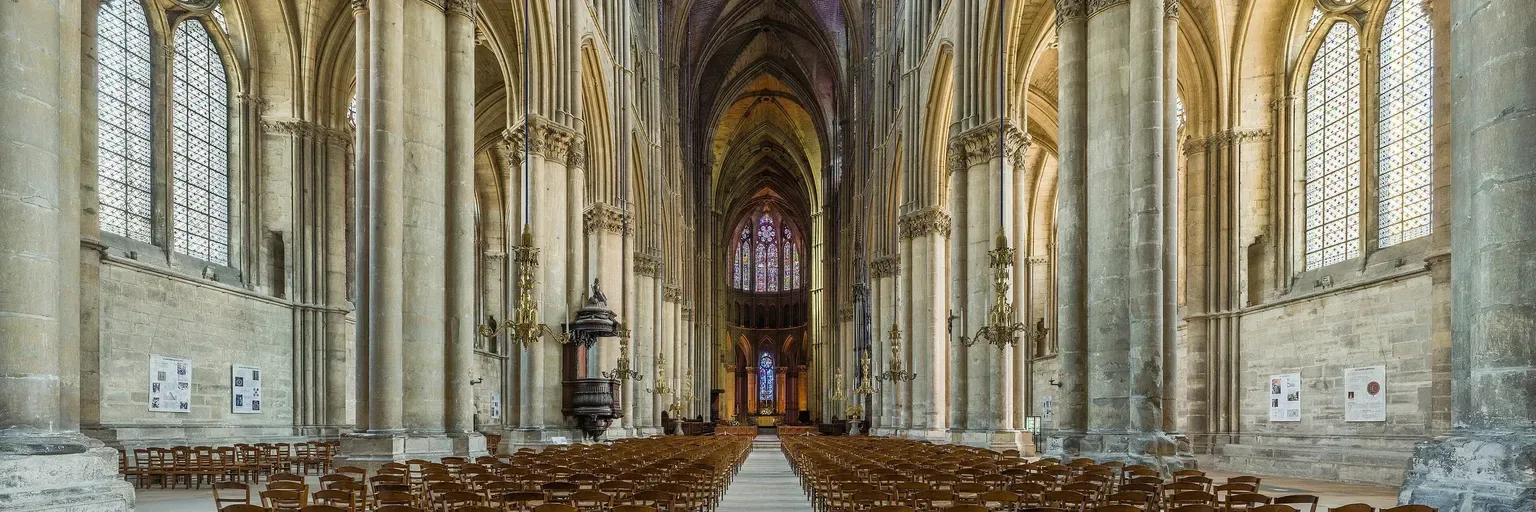
Booking.com has included Reims among its highlighted destinations for 2027. The opportunity is real—but so is the need to spread visits beyond the obvious stops.
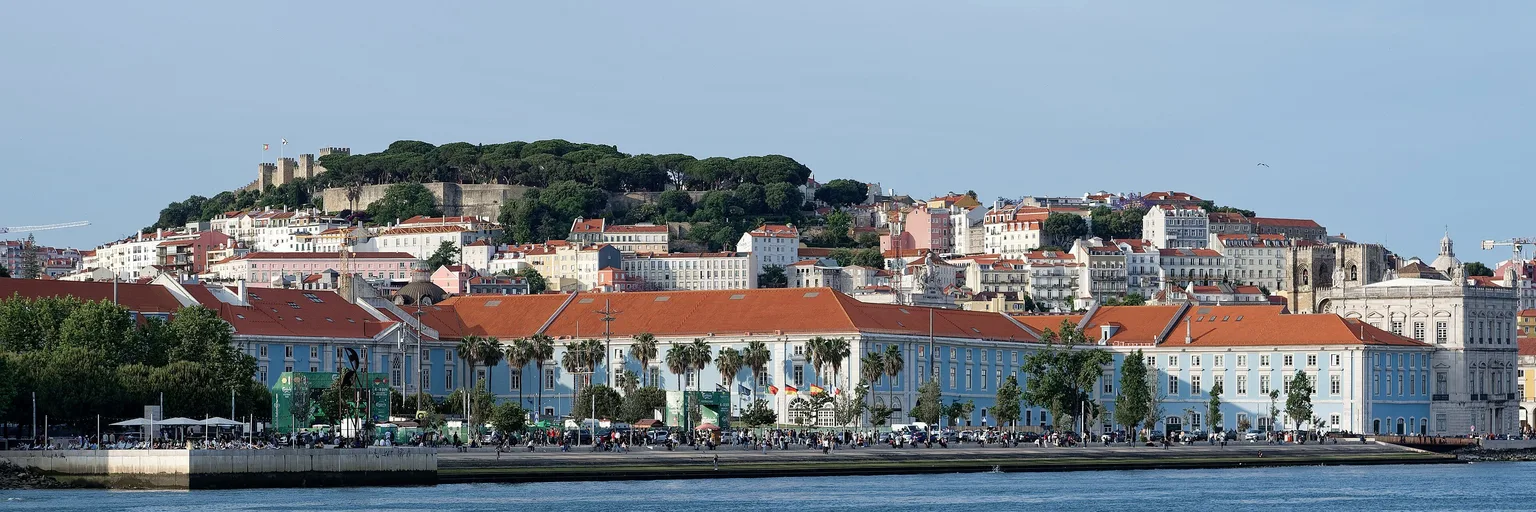
Lisbon’s 2026 awards validate its international appeal and coordinated tourism pitch, but they cannot settle the harder question: who benefits from the city’s success?
The 2026 tourism leaders show that beauty gets travelers through the door, but access, variety and constant reinvention are what keep them coming back.
The decision to film his latest movie in Madrid, coupled with the director's effusive praise for the city, is a deliberate strategy to elevate the capital's global appeal and attract a new wave of visitors.
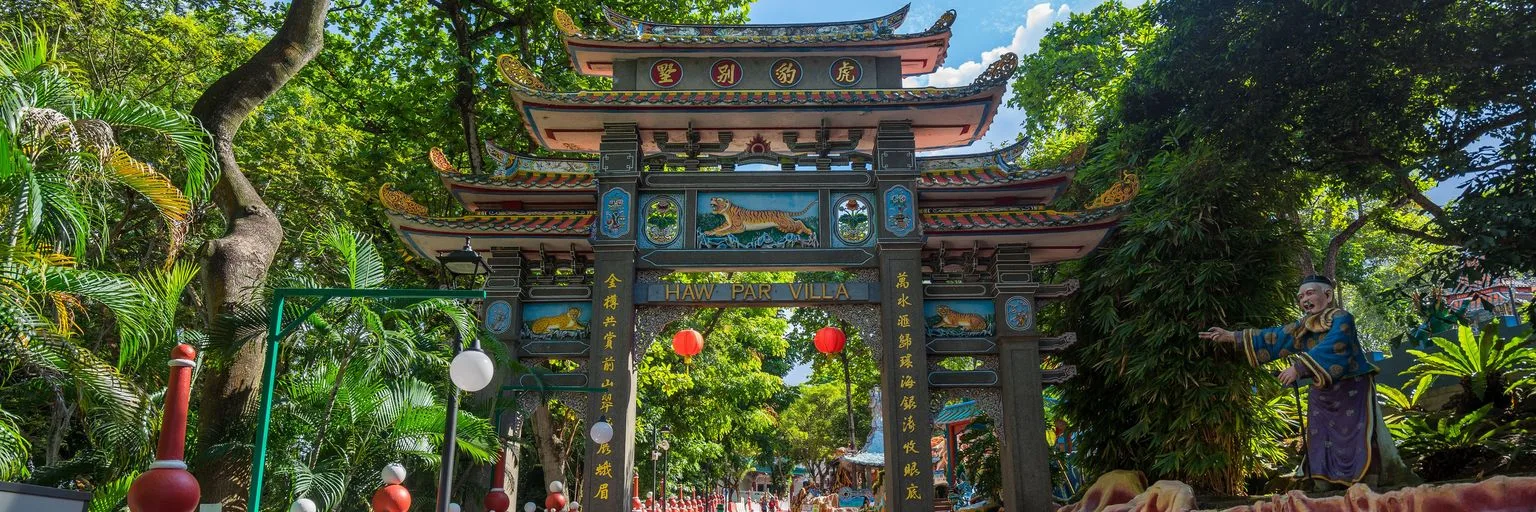
Singapore's Haw Par Villa, with its vivid, sometimes gruesome, depictions of Chinese mythology and morality, offers a profound alternative to conventional theme parks, urging travelers to seek out deeper, more thought-provoking cultural experiences.
The Fagradalsfjall eruptions highlight a growing appetite for adventure travel, yet also underscore the complex challenges of managing hazardous natural attractions for burgeoning tourist numbers.