The tourists-per-resident ratio is the number Spain should fear
Raw arrivals flatter big destinations, but the ratio of visitors to neighbors shows where a city really strains. Spain's extremes are a warning, and travelers can respond.
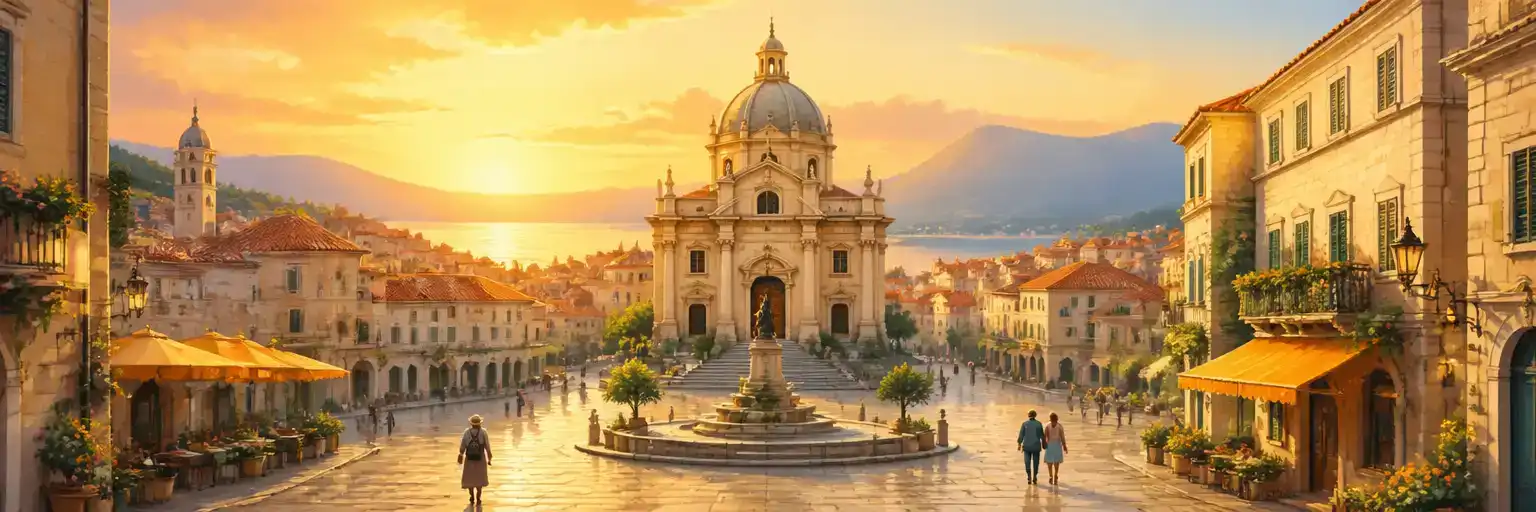
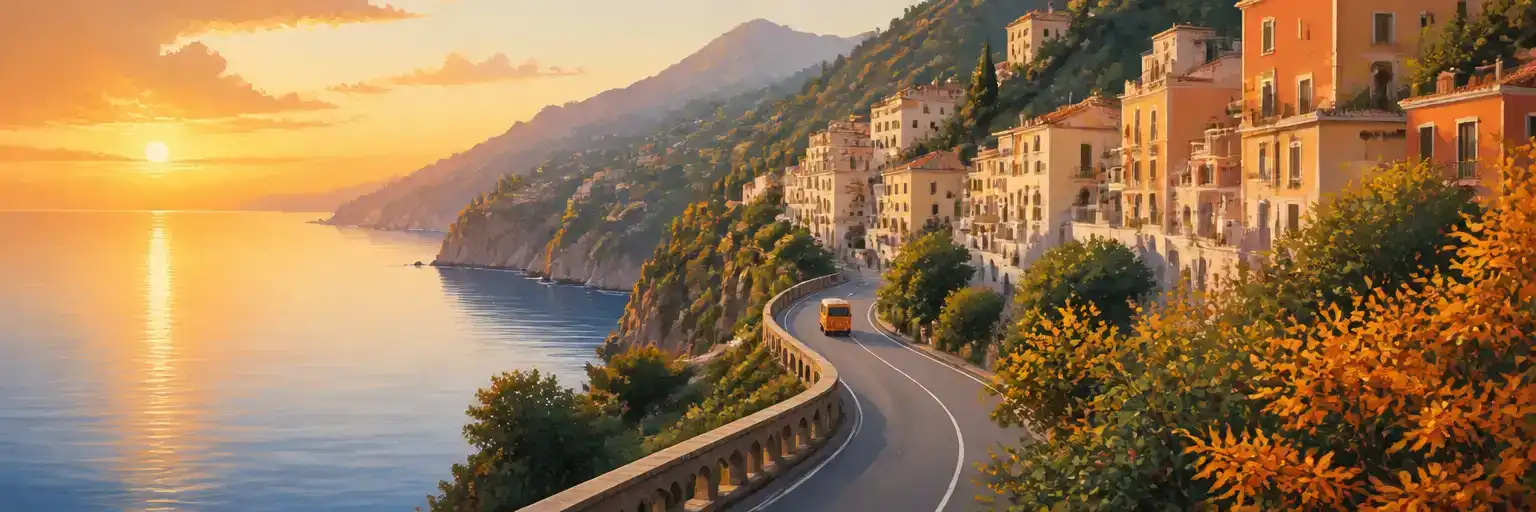
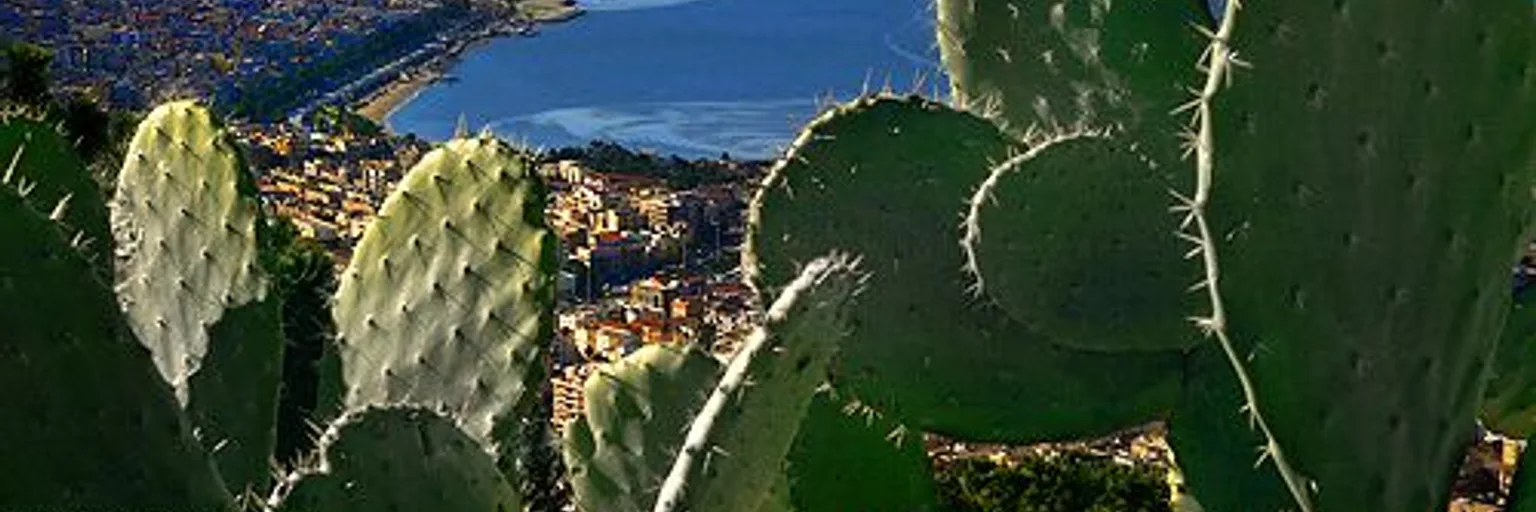
With Capodichino closed from November 1 to 30, the Amalfi Coast gateway turns into a logistics puzzle. Plan your route around it instead of hoping it won't matter.
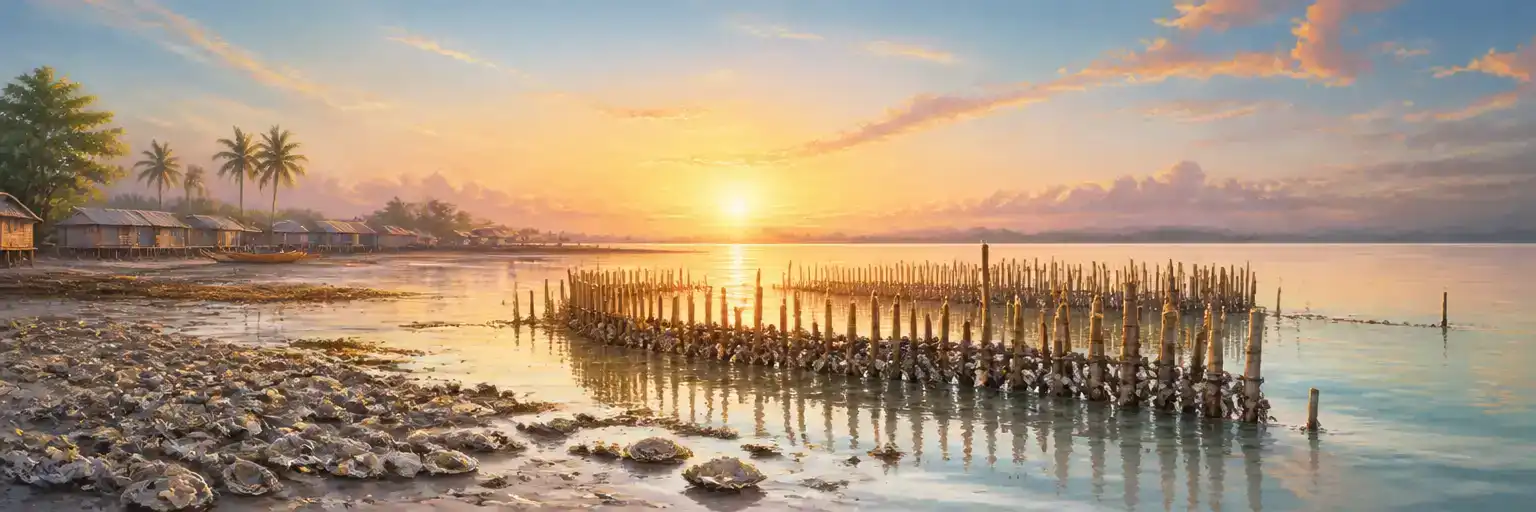
A Philippine island is fighting floods with bamboo and oyster shells, not cement. Travelers who care about coasts should learn to tell real adaptation from decoration.
Free archaeological openings on October 31 and November 1 are a lovely nudge, but a city with this much history shouldn't need a holiday weekend to be noticed.
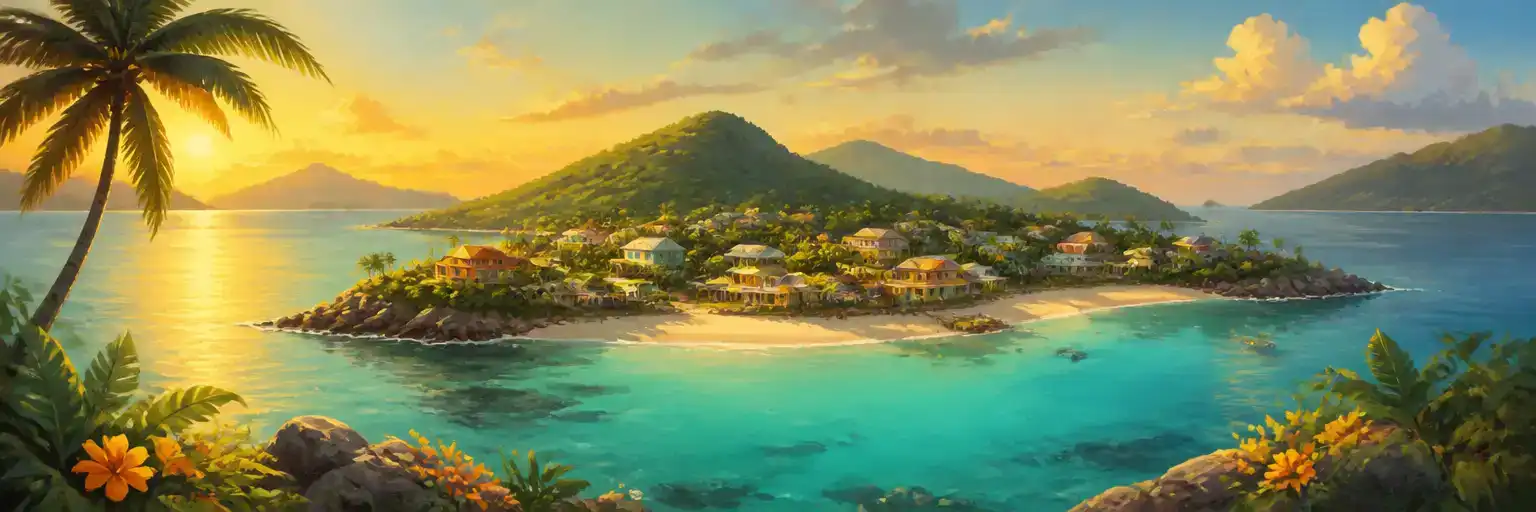
The Caribbean island on National Geographic's 2027 list is an invitation to look past the resort strip, but only if travelers and operators choose local, low-impact stays over the rush.
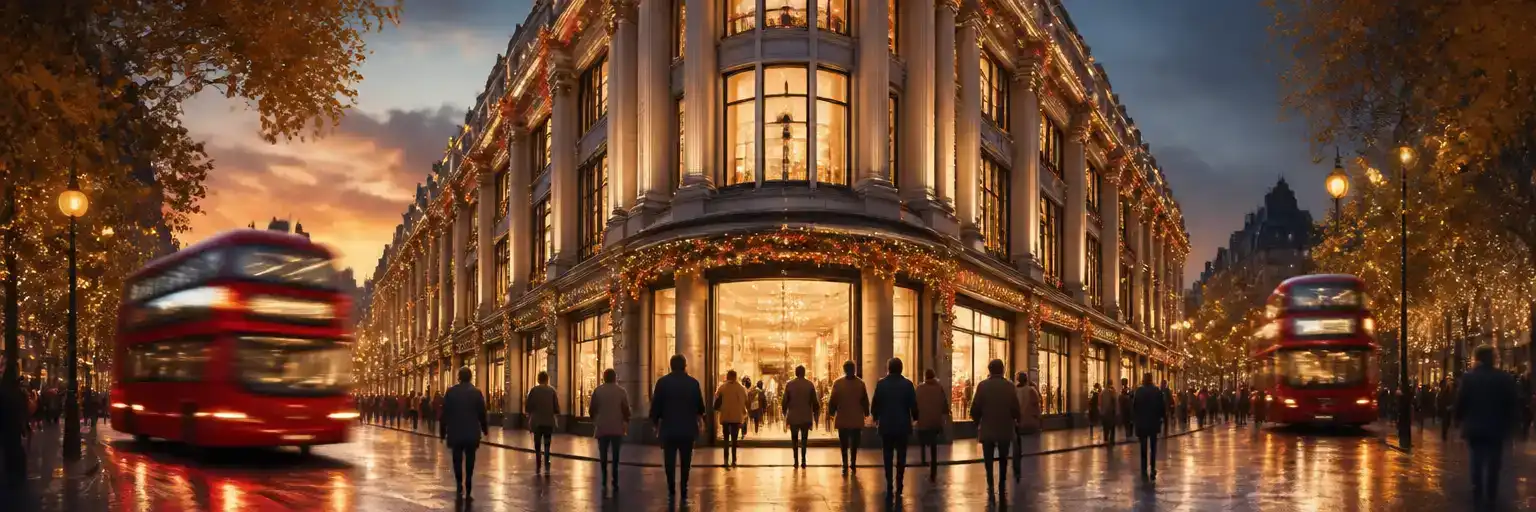
Oxford Street gets its biggest Harry Potter shop on November 4, but a fan weekend in London shouldn't revolve around a checkout line.
Paranormal travel is booming because trips crave a plot. The ones worth your money lean on a place's genuine past, not on a spooky hotel with a good publicist.
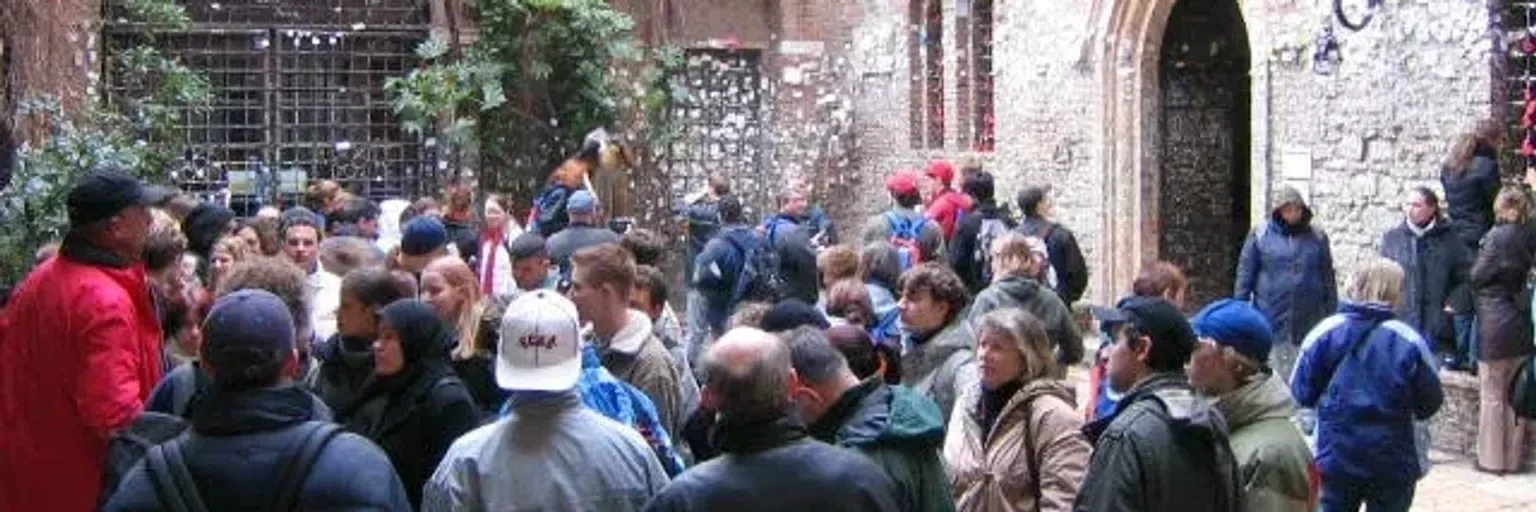
Verona's online booking system logged nearly 600,000 entries in six months and, the city says, ended the crush. It's a model for icons everywhere, but the balcony shouldn't be your whole trip.
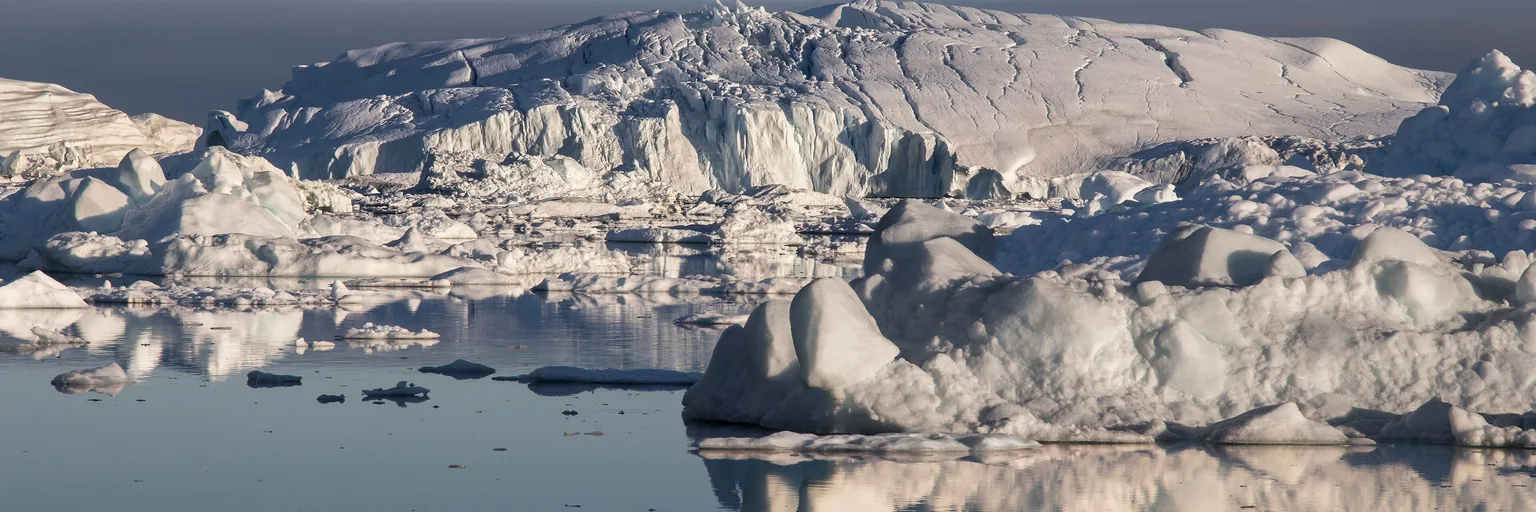
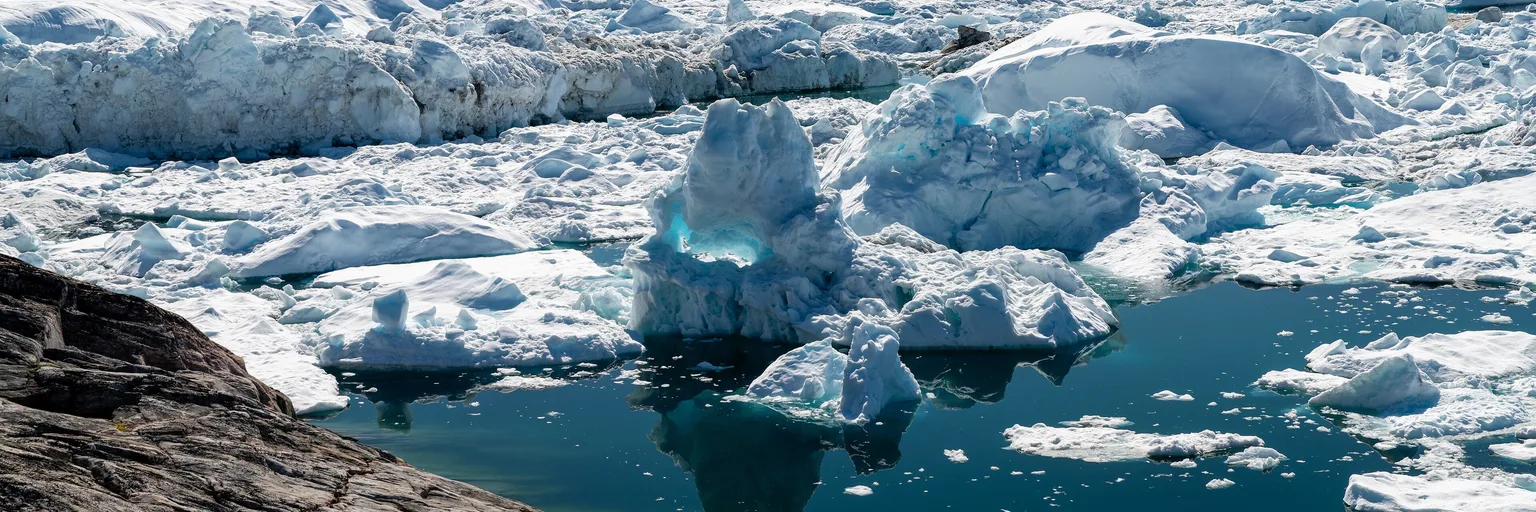
A nonstop Copenhagen–Ilulissat flight puts Greenland's famous icebergs within easier reach, and the smart response is to travel slower and spend locally.
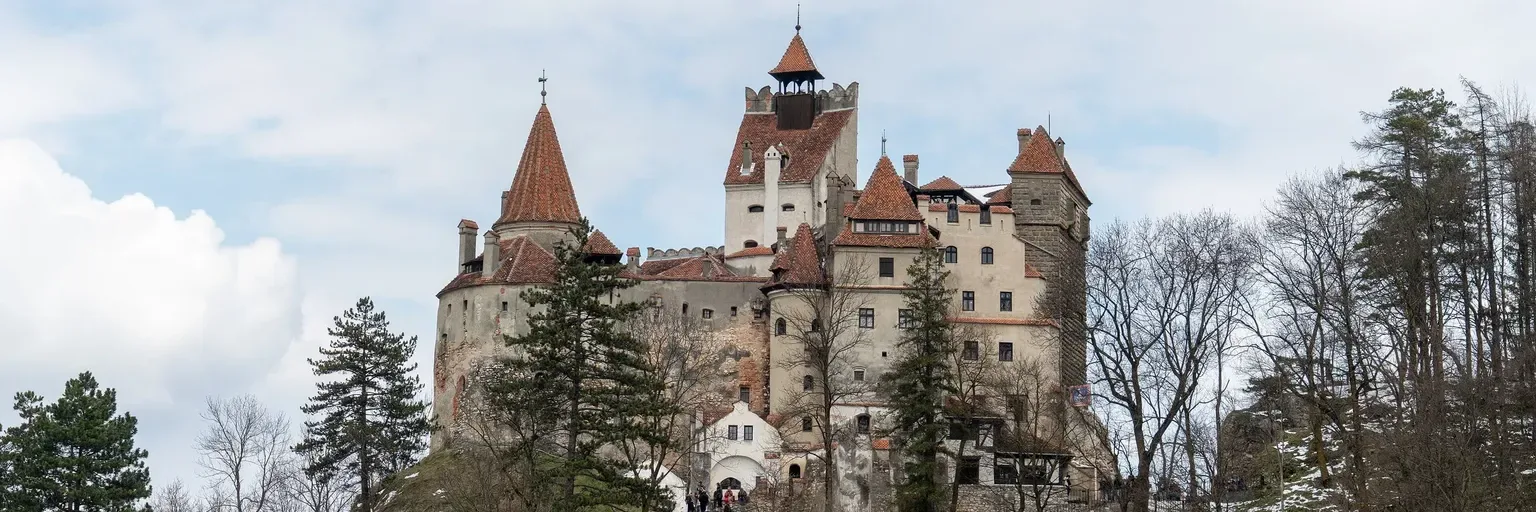
A planned €1 billion vampire park near Bucharest could put Romania on the map, but it only deserves a visit if it sends people on to Bran, Sighișoara and the villages.
A jet-capable runway makes Greenland's most famous icefjord far easier to reach. Access, not scenery, is the story, and Ilulissat should set limits before demand arrives.
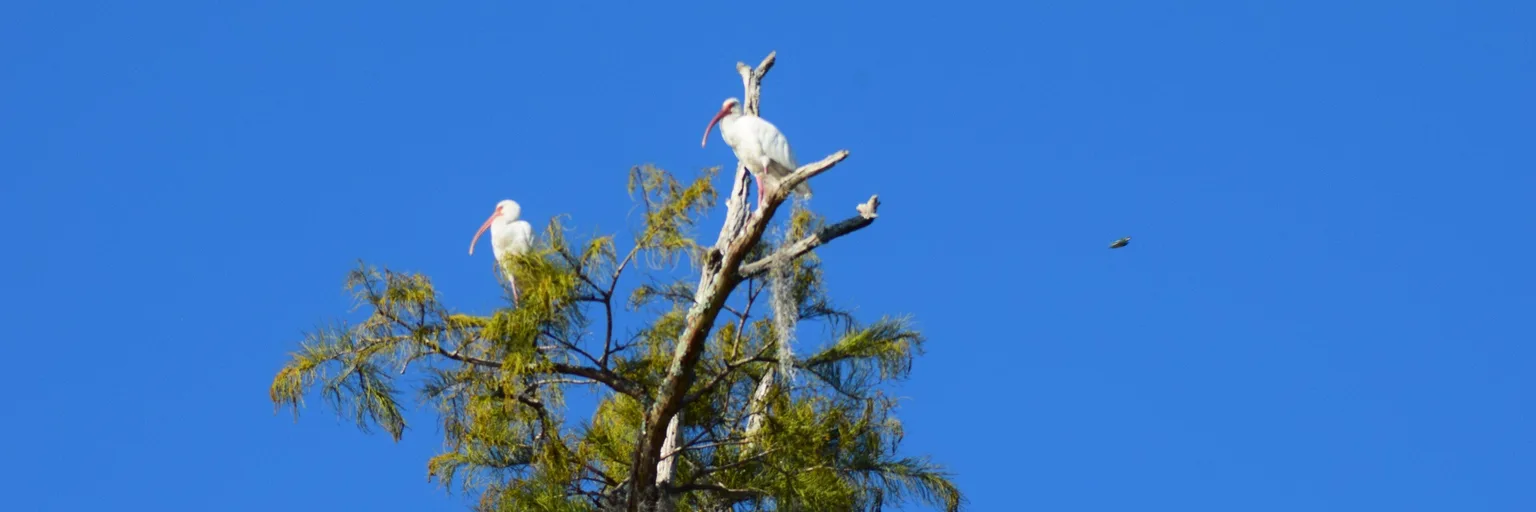
World Heritage status is drawing more visitors to Georgia's black-water swamp. The smart move is to decide how many it can take before the crowds arrive.
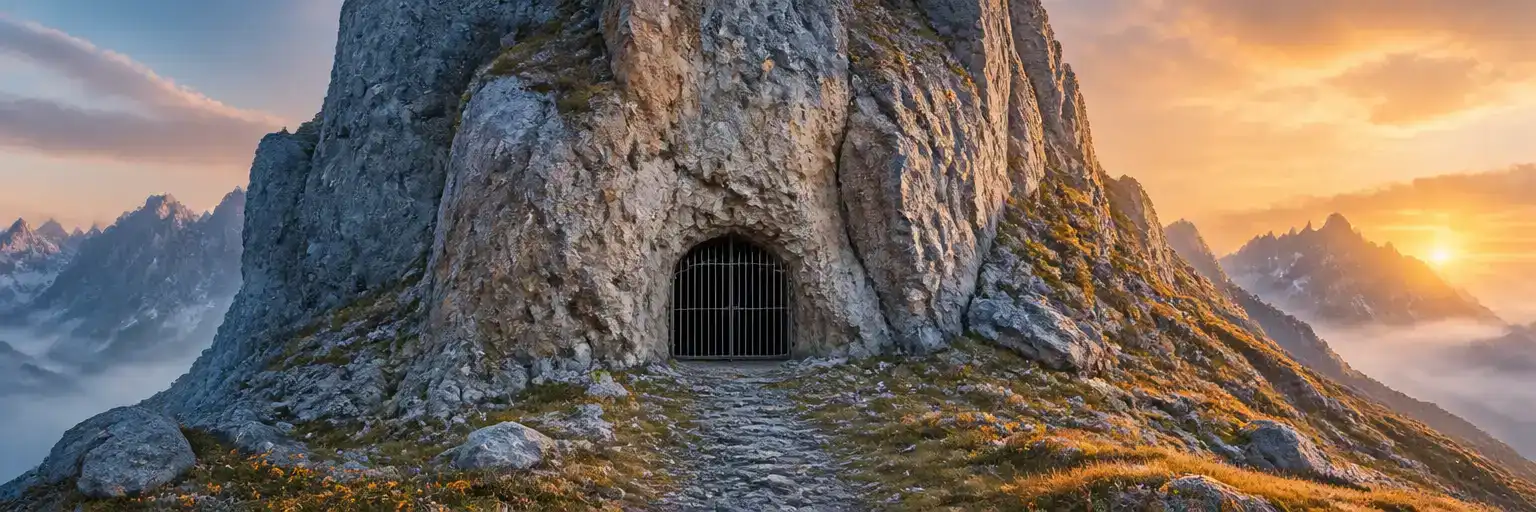
A high-altitude cave full of prehistoric bear skeletons is a wonder. The best way to love it is to keep the crowds out and let science, and eventually a museum, tell the story.
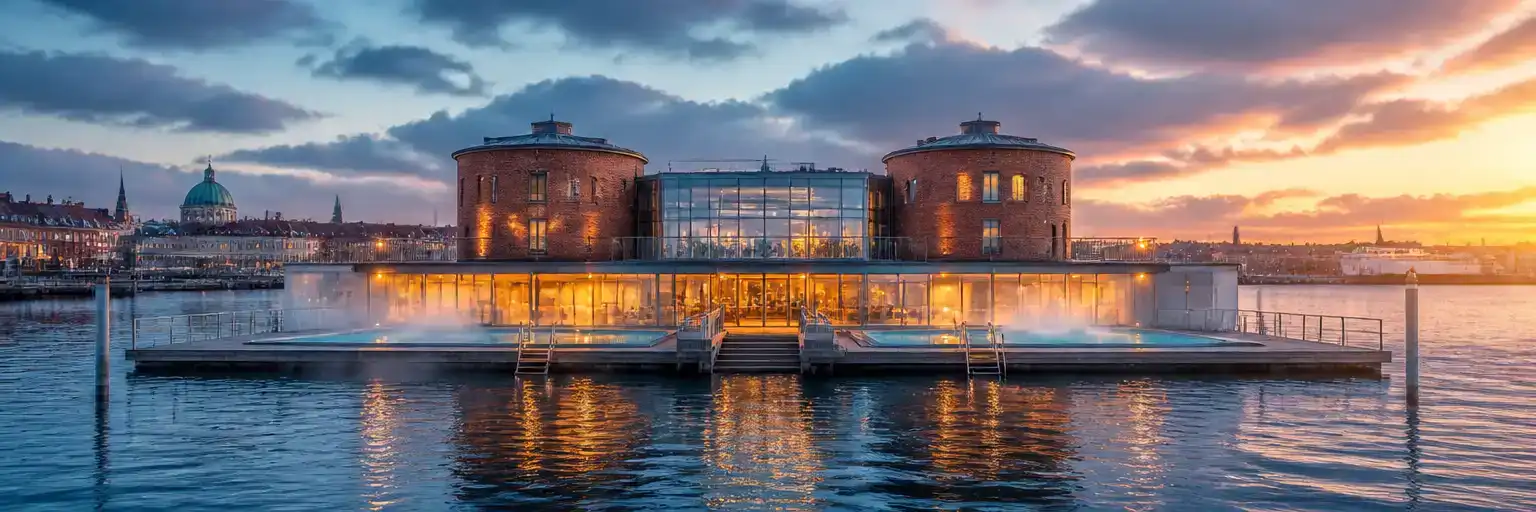
Kai, opening December 5 on Paper Island, gives Copenhagen a winter reason to visit without another monument. Its secret weapon: it's a public pool, not a private spa.
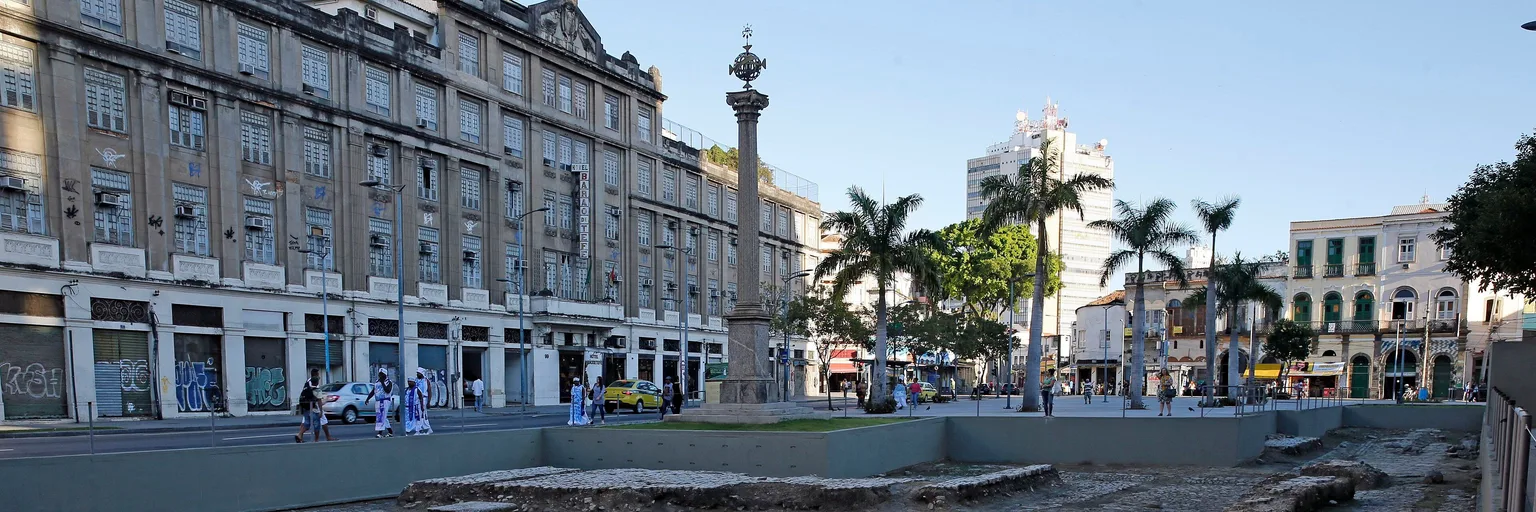
UNESCO added Rio's Valongo Wharf, a Salvador society and Serra da Barriga to its slavery memory network. The recognition only matters if travelers come and Brazil funds honest storytelling.
Sant'Ivo alla Sapienza reopened on October 27 with free weekday-morning entry. We think it shows that Rome's best moments often hide beyond the Colosseum line.
Air New Zealand's lie-flat economy pods have slipped past the summer peak, again. Plan your long-haul to New Zealand around the destination, not a cabin that still isn't certified.
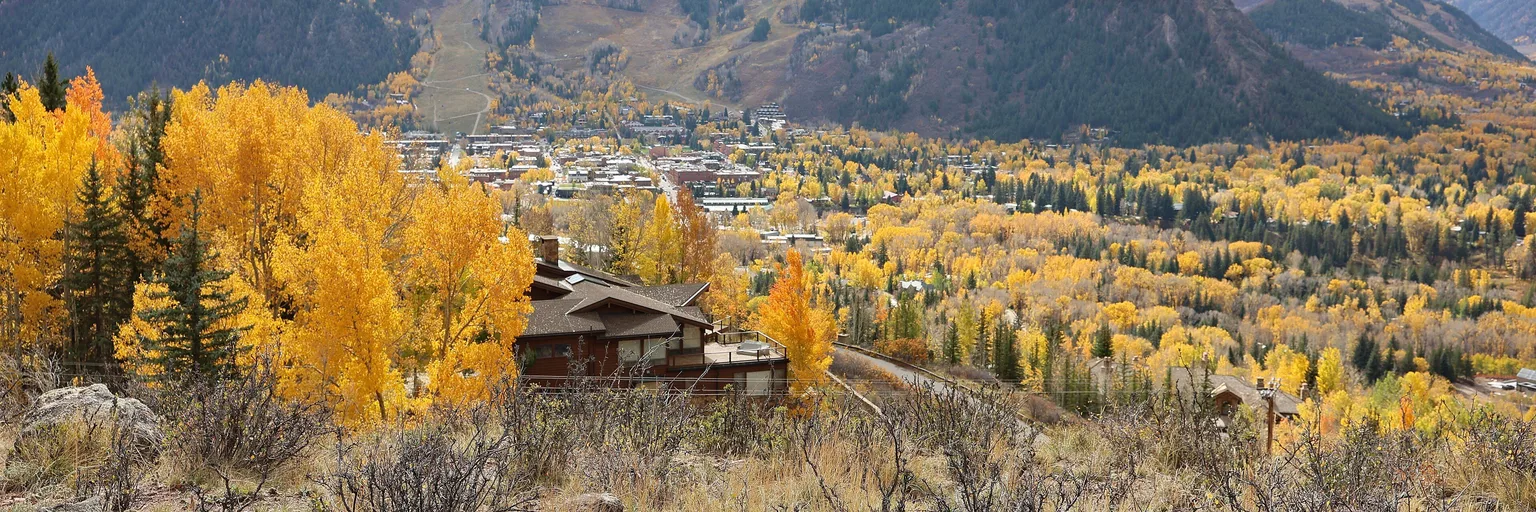
Fall lodging in top US destinations now runs about 20% above summer, per Expedia. The shoulder-season discount is a habit, not a law, and travelers should plan with data.
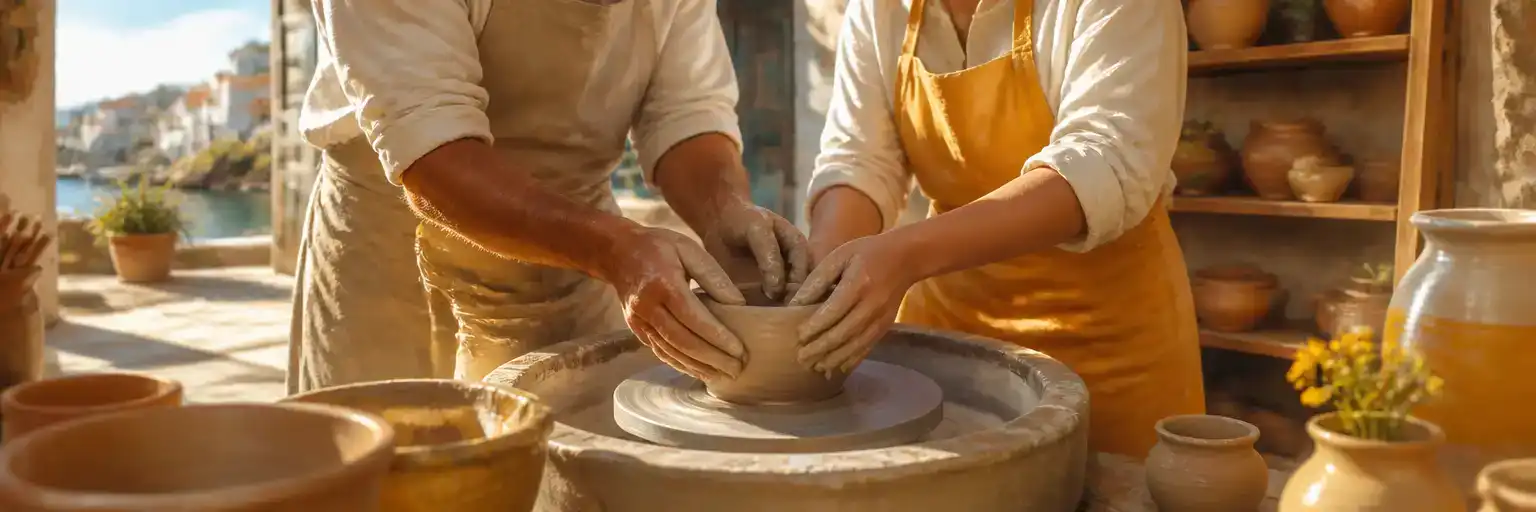
Learning on holiday is more than a buzzword, but only when the lesson grows out of the destination. A workshop bolted onto a resort is just a pricey activity sheet.
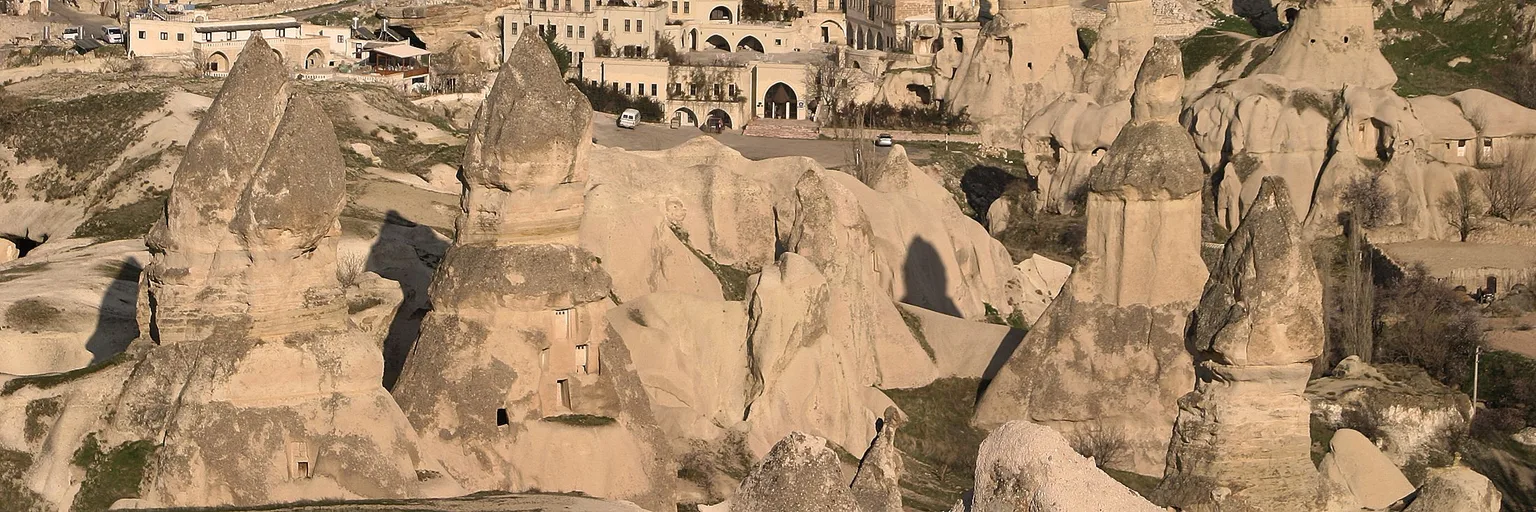
A fairy chimney fell at Göreme and killed two people. The tragedy is a reminder that fragile landmarks need monitoring, closures and honest risk talk, not only photo-friendly access.