Timor-Leste is the quiet Bali alternative, if we let it stay quiet
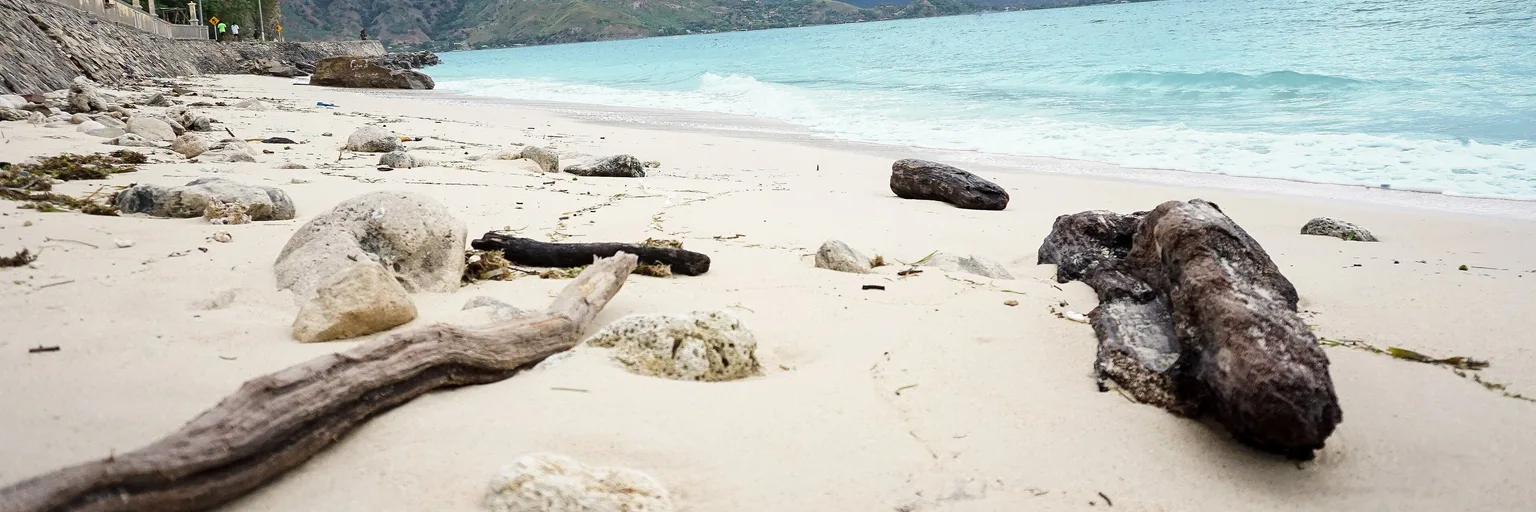
Timor-Leste offers diving, coastline and a sense of space that Bali has long promised. But its thin infrastructure means visitors must arrive as guests, not conquerors.
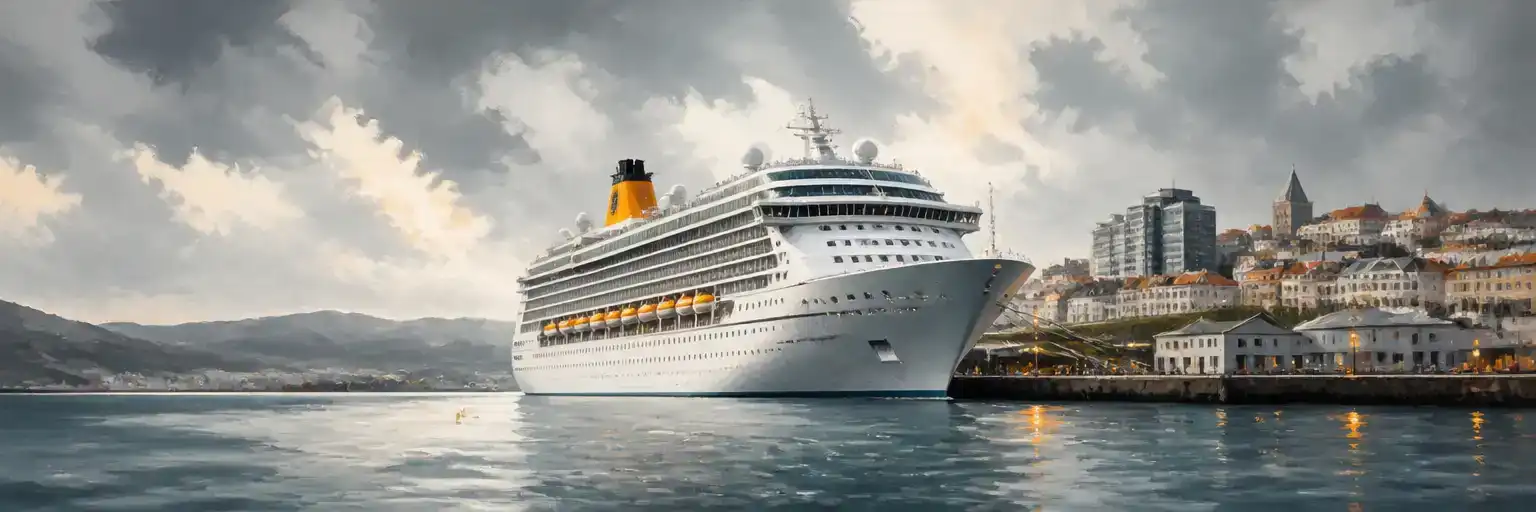
Royal Caribbean's Oasis of the Seas swapped beaches for Nova Scotia on a day's notice. The real lesson is that a cruise ticket sells a ship and a promise of effort, not a destination.
Record visitors and a 57.7% spending jump show travelers want Seongsu's alleys, not just palaces. Seoul's challenge is keeping that magic from turning into a crowd-control problem.
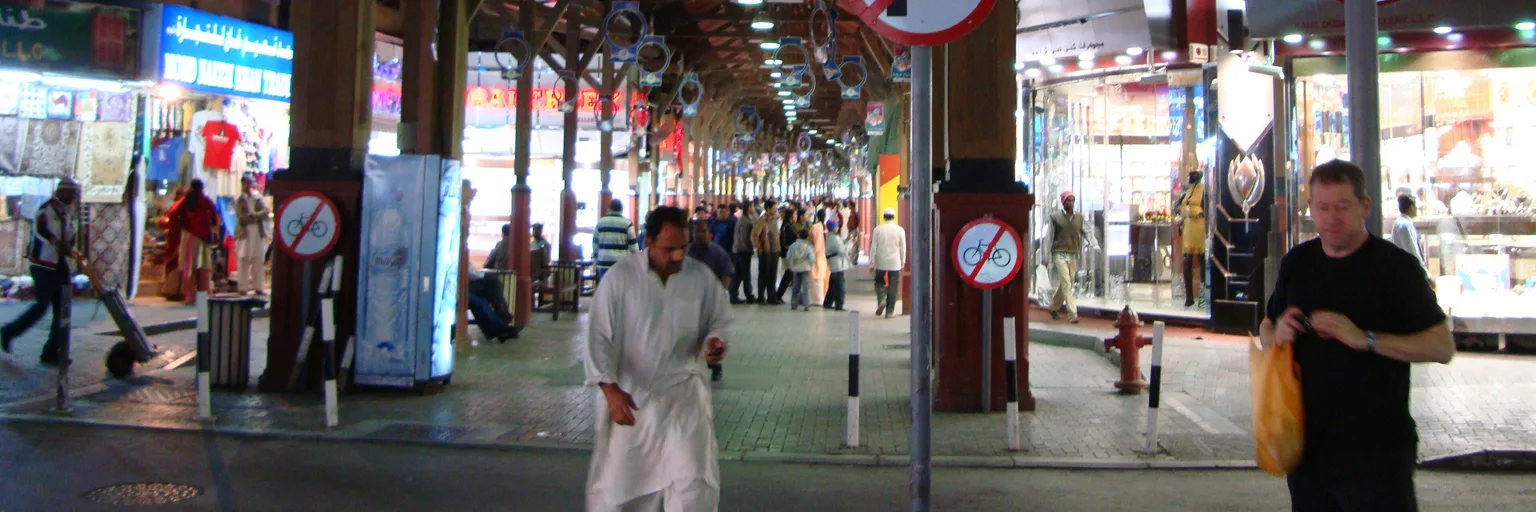
A 24-karat path will fill Instagram feeds, but Dubai Gold District only becomes a real destination if craft, history and the old souk stand behind the record.
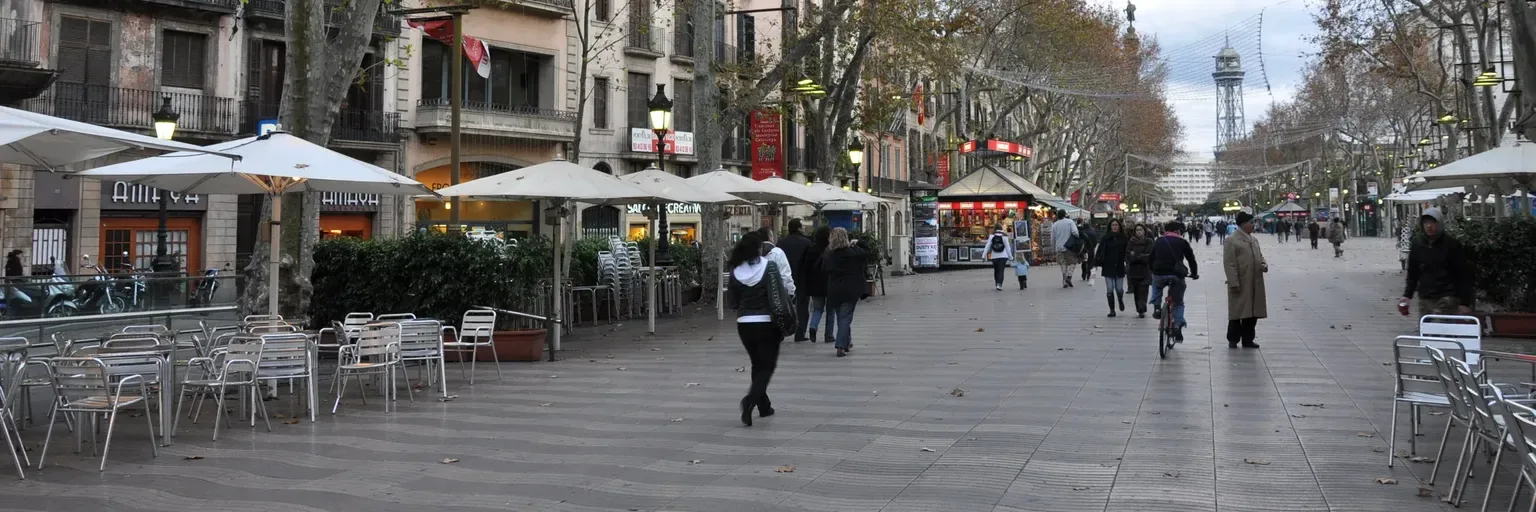
Taxes and local caps make Spain look busy fixing overtourism, but arrivals keep climbing. Without spreading visitors out and limiting peak capacity, anger will grow.
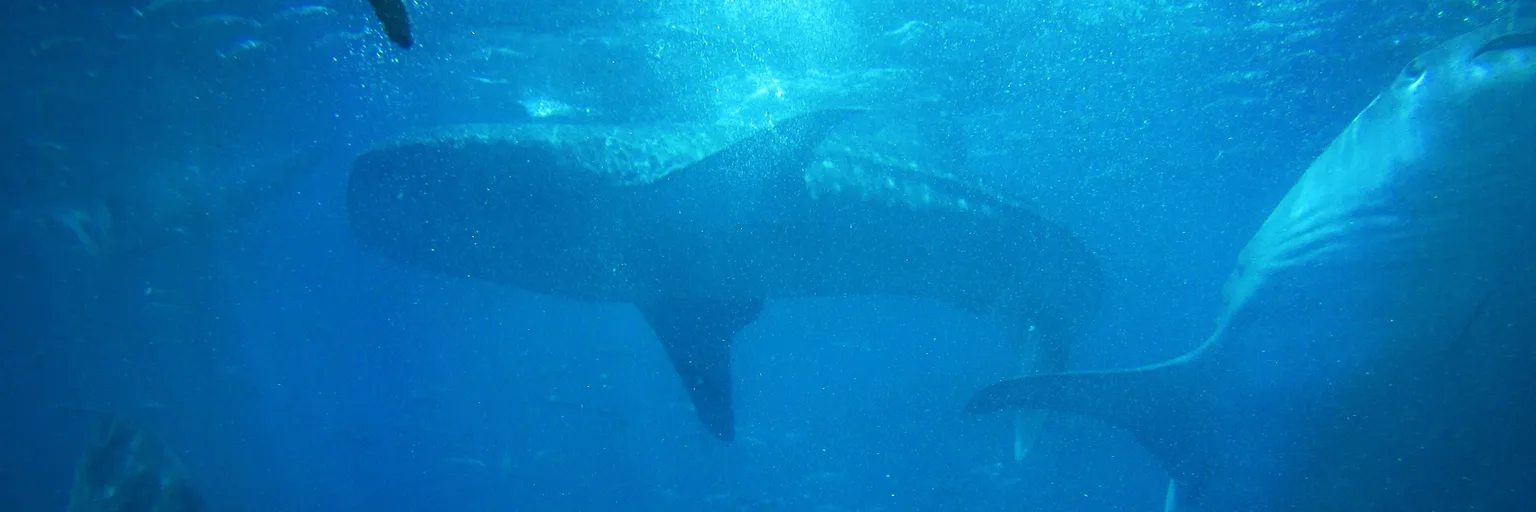
A November reopening of whale shark watching can work for Bohol, but only if limits, enforcement and a real closed season matter more than the booking calendar.
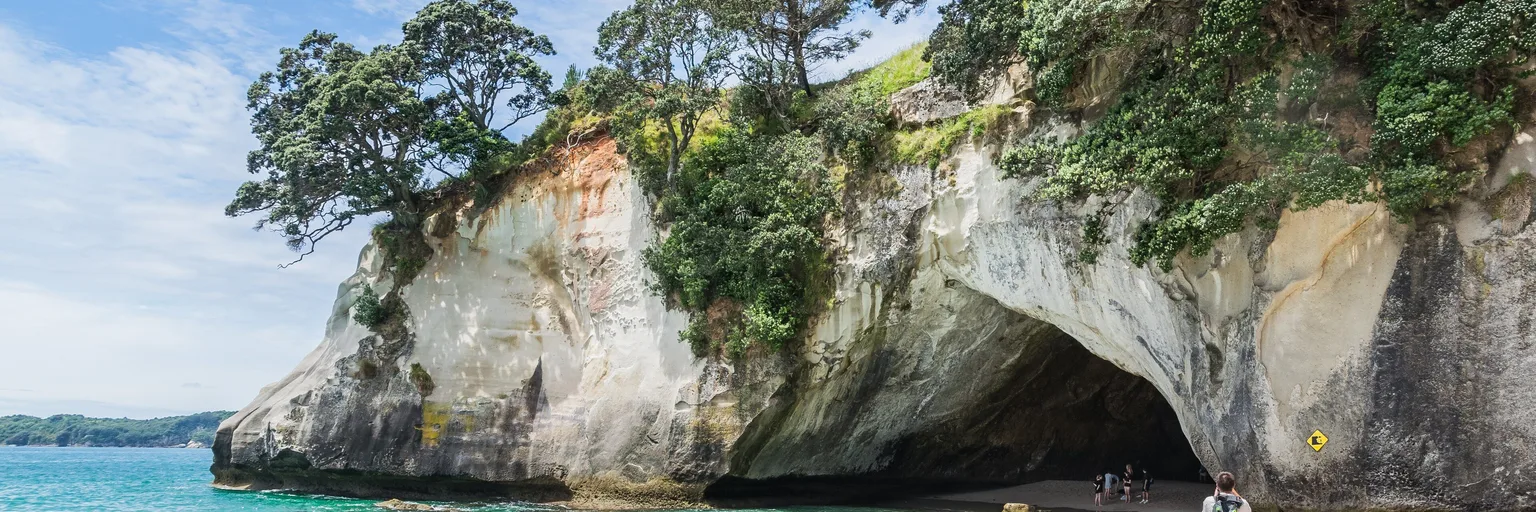
A $121,000 reroute could reopen the Hāhei walk before Christmas, but a cheaper path only works if New Zealand pairs it with limits on visitors and honest rules about slips.
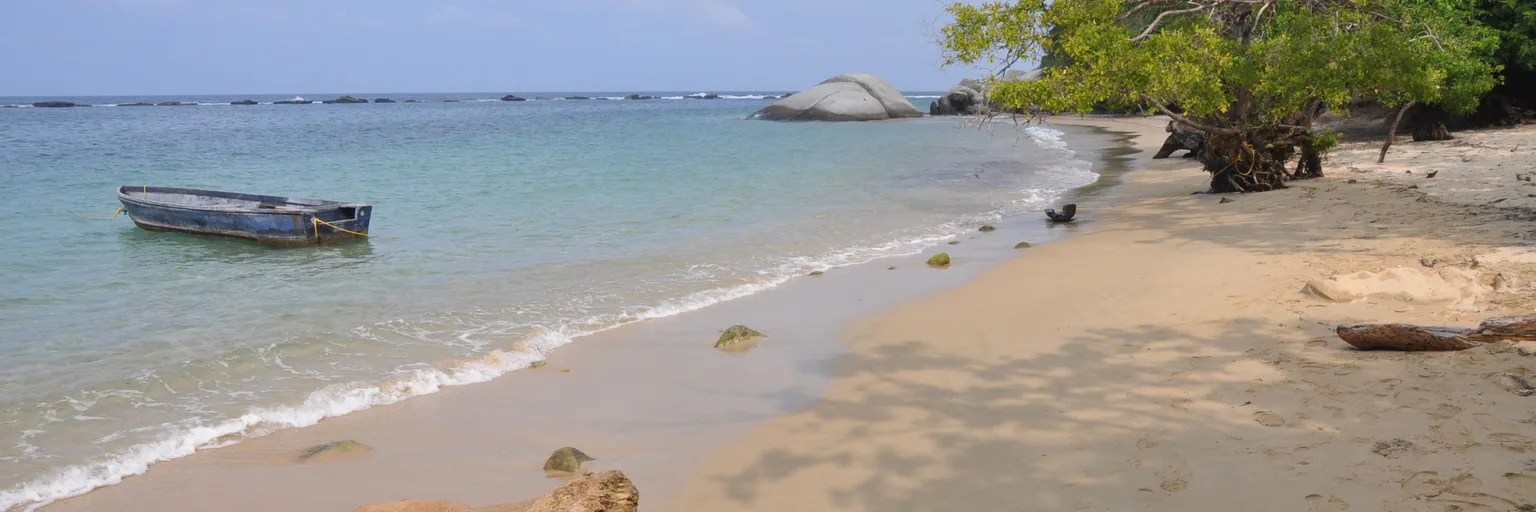
Colombia's Tayrona shuts for 15 days, three times a year. It's a nuisance for travelers, and it's exactly the kind of habit more fragile places should adopt.
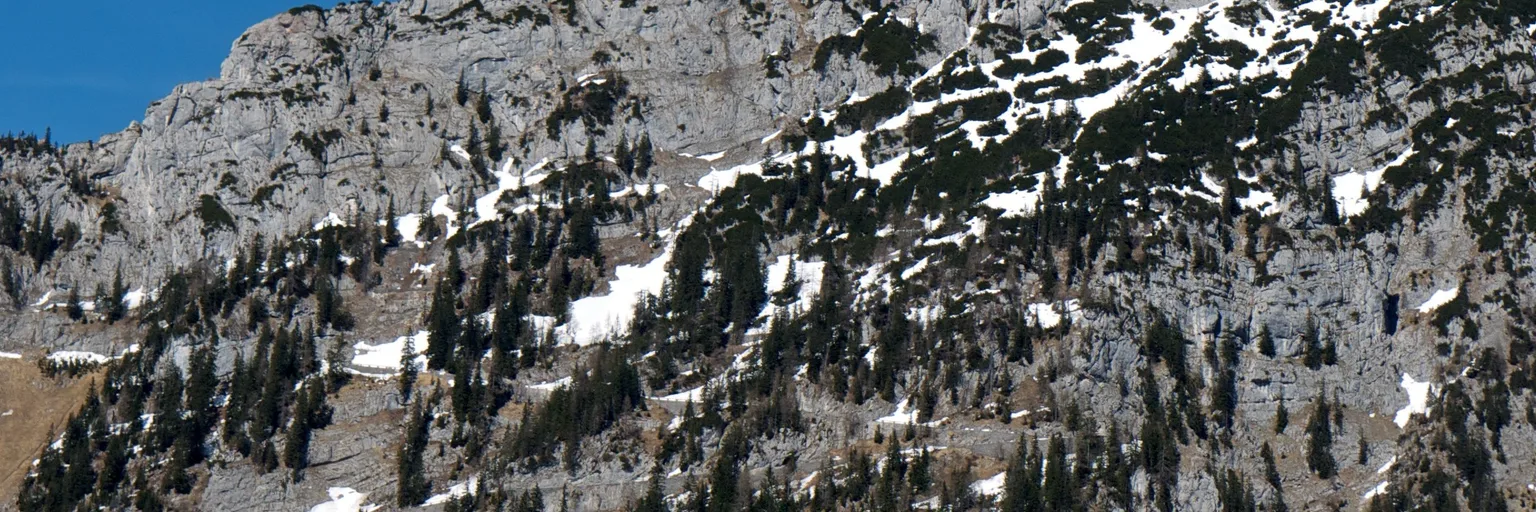
A UNESCO-ICOMOS mission is reviewing Hampi's conservation, tourism infrastructure and master plans. Travelers who love ruins should cheer for caps, not just easier access.
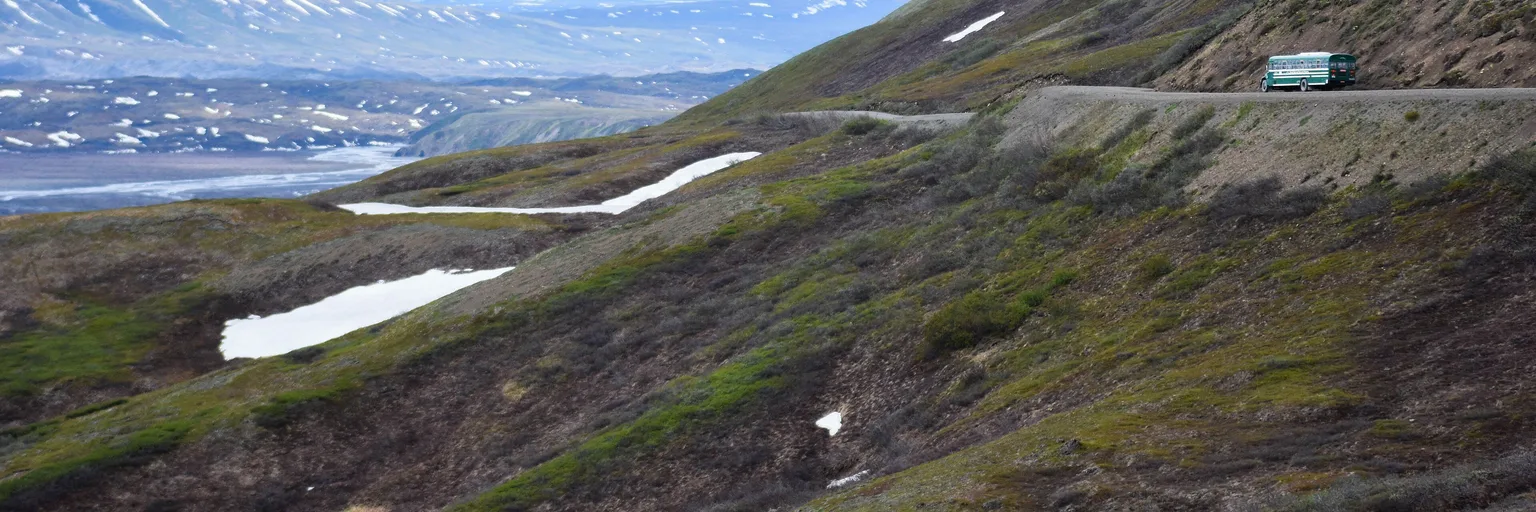
The rule taking effect November 16 mostly writes down a limit Denali has lived with for years. The real risk for 2027 is a scramble for seats, not too many cars.
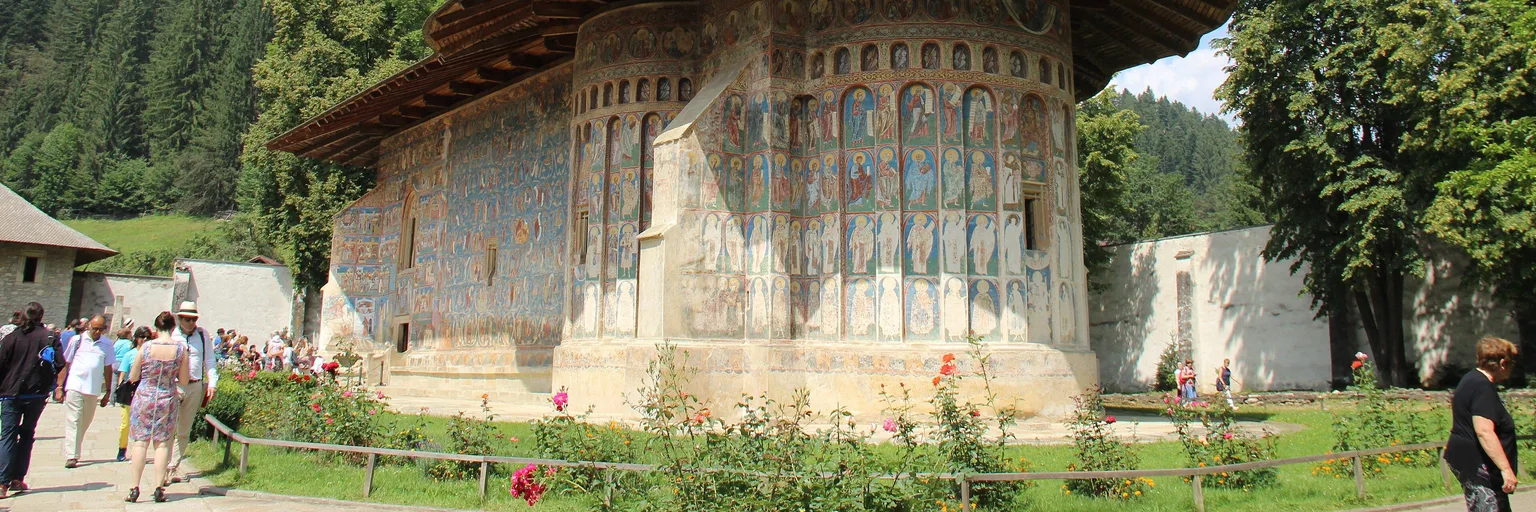
Topping a list of underrated destinations is a blessing and a curse. Bucovina deserves the crown, but the best way to honor it is to arrive slowly and spend locally.
A theme park running a six-day Belle Époque rail tour is a clever idea, but at these prices it only works if it shows us France, not a costume drama about it.
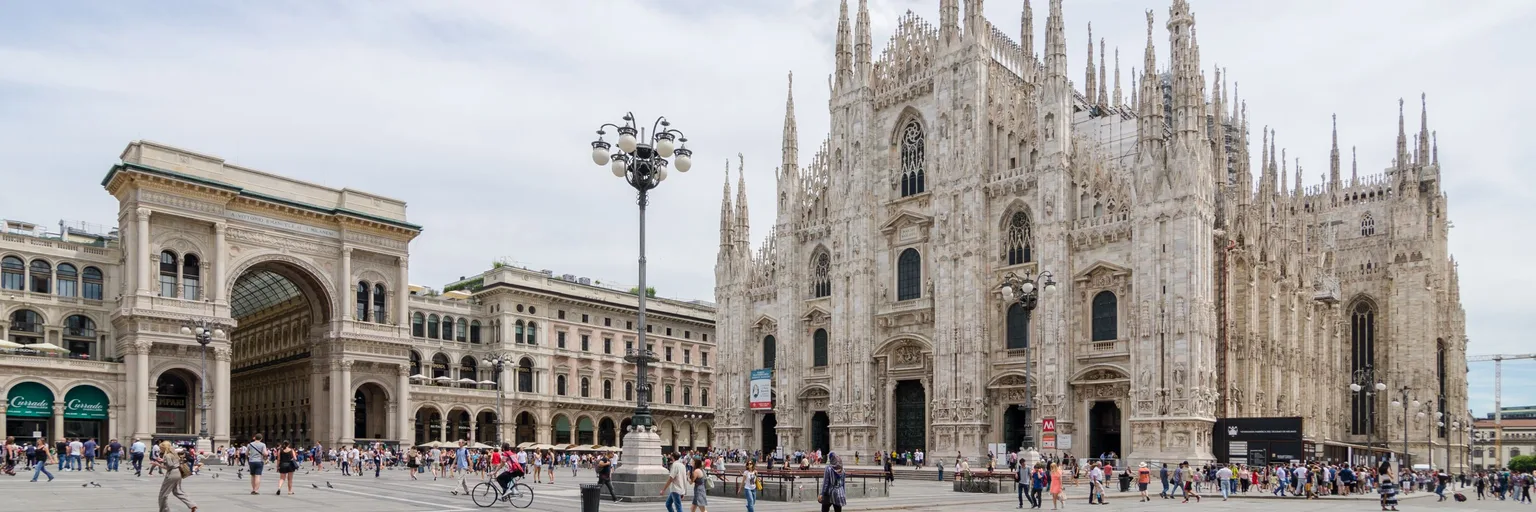
Residents of Milan and other hot spots are guarding their favorite places. It isn't snobbery: it's a hint that travelers should ask for less and give back more.
Tanzania now requires nearly every foreign visitor to buy government cover, even with a policy of their own. A duplicate mandate with vague terms is a tax that needs justifying.
A blaze at the Kehlsteinhaus shows how fragile and contested dark-heritage sites are. Go for the history, not the shock, and demand that Berchtesgaden is clear about it.
National Geographic's 2027 listing could make Maya Ka'an the Mexican Caribbean's best alternative to resort sprawl, but only if the communities keep control of the story and the money.
A "Reconsider Travel" label on a safari country sounds final, but the useful information sits in the regional detail, the date and your own insurance terms, not the number.
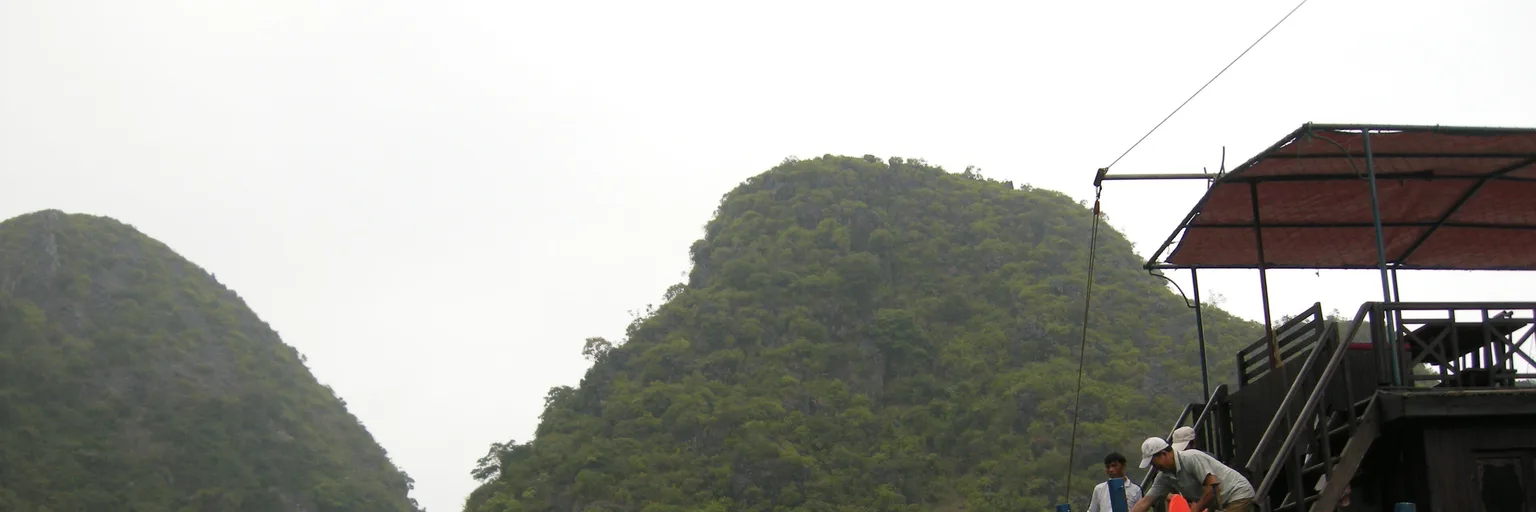
Australians are choosing Vietnam faster than any other major destination. That's a sign of maturity, and the real challenge is keeping its character while the crowds arrive.
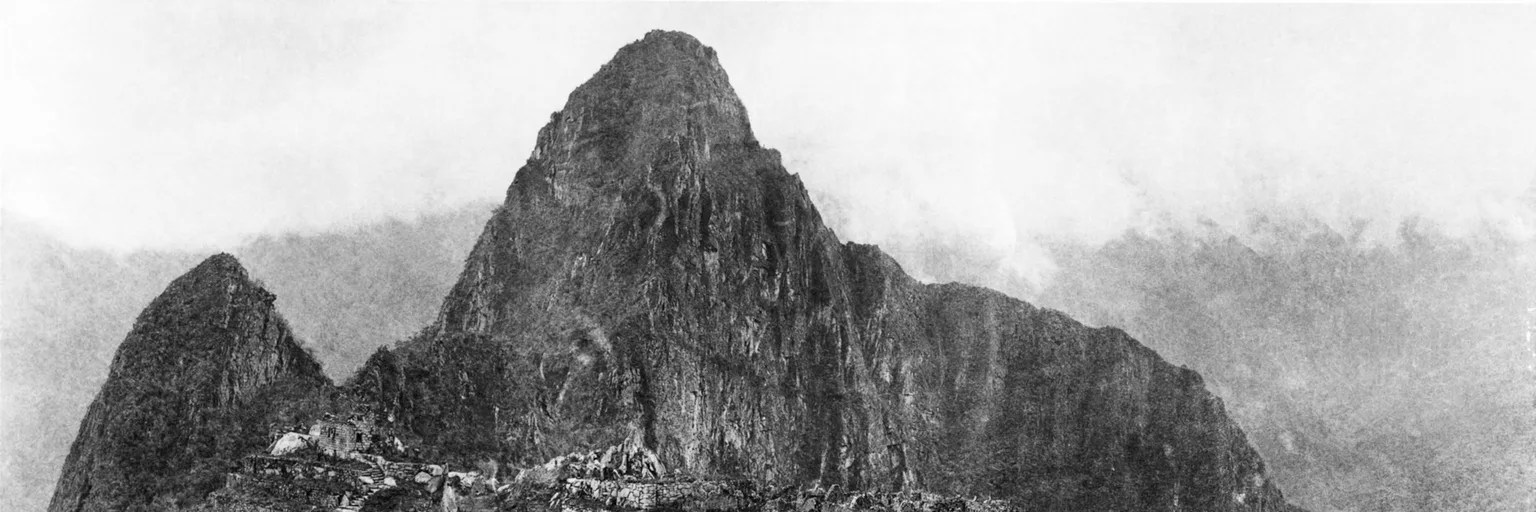
Fewer people at Machu Picchu is the best chance Peru has had in years to spread tourism across the country, provided it doesn't just rebuild the same crowds elsewhere.
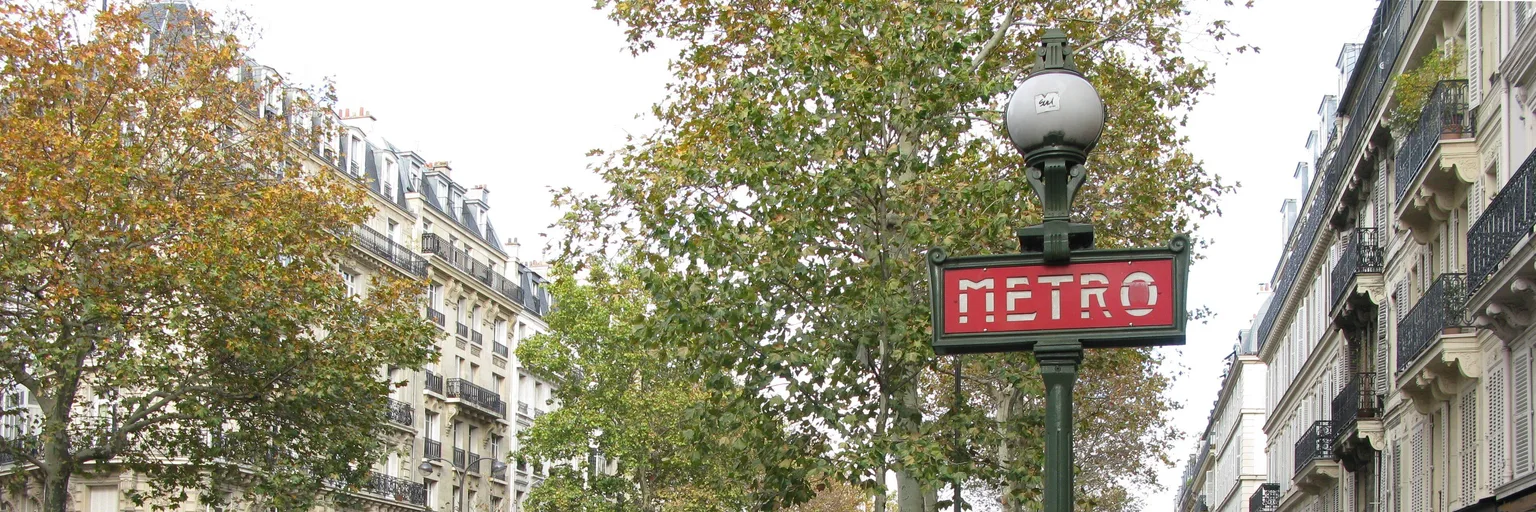
A weekend in Paris amid unrest is still doable if you map the Bastille–Nation march, plan around metro closures, and neither cancel in a panic nor shrug off the warnings.