A 5.7 quake in Japan shouldn't cancel your trip, but it should shape it
The latest tremor in central Japan is a reminder, not a red flag: a little preparation with alerts, hotel routines and insurance lets you travel calmly.
Photo: Alpsdake / Wikimedia Commons (CC BY-SA 4.0)
Should a magnitude 5.7 earthquake make you cancel Japan? Our answer is no. But it should make you a slightly better-prepared traveler, and that is a bargain.
What happened, and what didn't
In the early hours of Sunday, November 8, a 5.7-magnitude quake struck at 1:04 a.m. local time, at a depth of about 40 km in western Shizuoka Prefecture, roughly 200 km west of Tokyo, according to the Japan Meteorological Agency as relayed by AFP-based reports. At least 24 people were injured across Shizuoka and neighboring Aichi, and one of them was a 90-year-old woman who fell out of bed. There were broken shop windows and disrupted trains, Shinkansen included.
Just as telling is what the reports leave out. No tsunami alert was issued, and the damage described is material and limited. The agency did urge people in the most shaken areas to stay alert for aftershocks, rockfalls and landslides over the next few days. Note the geography, too: this was central Japan, around 200 km from the capital, not a hit on Tokyo itself.
Japan is seismic by nature, so calm comes from routine
Japan sits at the junction of four major tectonic plates and, according to the same reports, experiences about 18% of the world's recorded earthquakes each year. Most are harmless. The memory of the magnitude 9 quake and tsunami of March 11, 2011, which left roughly 18,500 dead or missing, explains why the country takes this seriously. We think that seriousness is the actual reason to go: you are visiting a place that has built its daily life around the risk, rather than pretending it away.
Cancelling because of a quake like this one would, in our view, be a category error. One travel guide states that Japan remains open, that Tokyo, Kyoto and Osaka are operating normally, and that French authorities have not advised against the country. That is an undated page, so check the current official advisory from your own government before you fly. That is the first piece of homework, and it takes five minutes.
Three habits that make the difference
Get the alerts working before you land. Guides for travelers mention phone alerts as a core part of living with the risk. We'd install a reputable earthquake and tsunami alert app, check that emergency notifications are enabled on your phone, and know that an alert in a language you don't read still means "act now." Choose the app you trust in advance, not while the floor is moving.
Treat your hotel like a safety briefing. On arrival, look for the exit and the stairwell, and note where the sturdy furniture is. Keep shoes and a flashlight near the bed, and a phone charged. The 90-year-old woman who fell from her bed in Shizuoka suggests, in our reading, that in a night-time quake the everyday risk is a fall or a falling object rather than a dramatic collapse. Hotels in quake-prone countries usually have procedures; ask at check-in. We wouldn't promise what any particular hotel offers, but asking costs nothing.
Read your insurance like it matters. This is the least glamorous and most underrated step. Check that your policy covers medical costs, trip interruption and delays caused by natural events, and know when it applies. Rail disruption on the Shinkansen on Sunday morning is exactly the kind of knock-on effect that can wreck a tight itinerary. Also, buying cover after a quake is in the headlines may exclude that event, so do it early. And take note of French diplomatic guidance: after a major or worrying quake, contact your family to reassure them, and get in touch with your embassy.
Our verdict
Go to Japan. Build slack into your schedule, especially around bullet-train connections and flights. Skip the doom-scrolling and rely on official sources like the Japan Meteorological Agency. A small tremor is a story you tell later; a prepared traveler is one who barely notices it was a story at all. The country's greatest lesson isn't fear, it's rehearsal, and visitors who borrow a bit of that habit will, we think, enjoy the trip more.
No topics yet: start the first one.
More stories
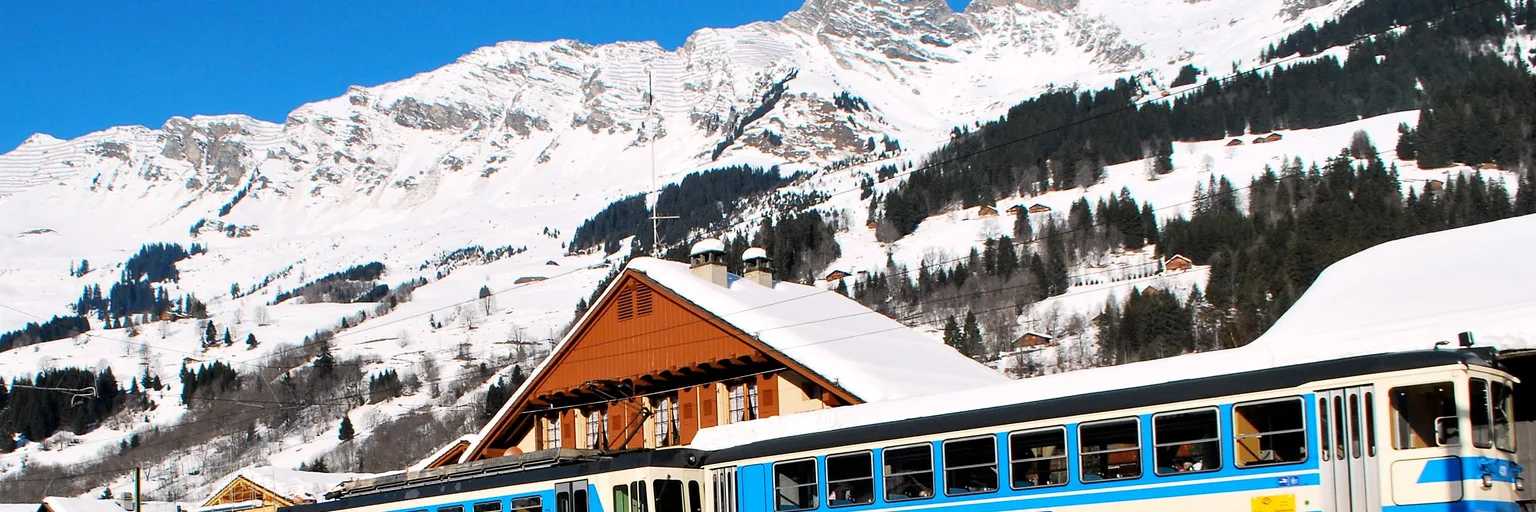
Alpine trains for skiers: great news, if luggage keeps up
New rail links to five Alpine winter destinations make skiing without a car more plausible. They only beat the drive if timetables and ski luggage work.
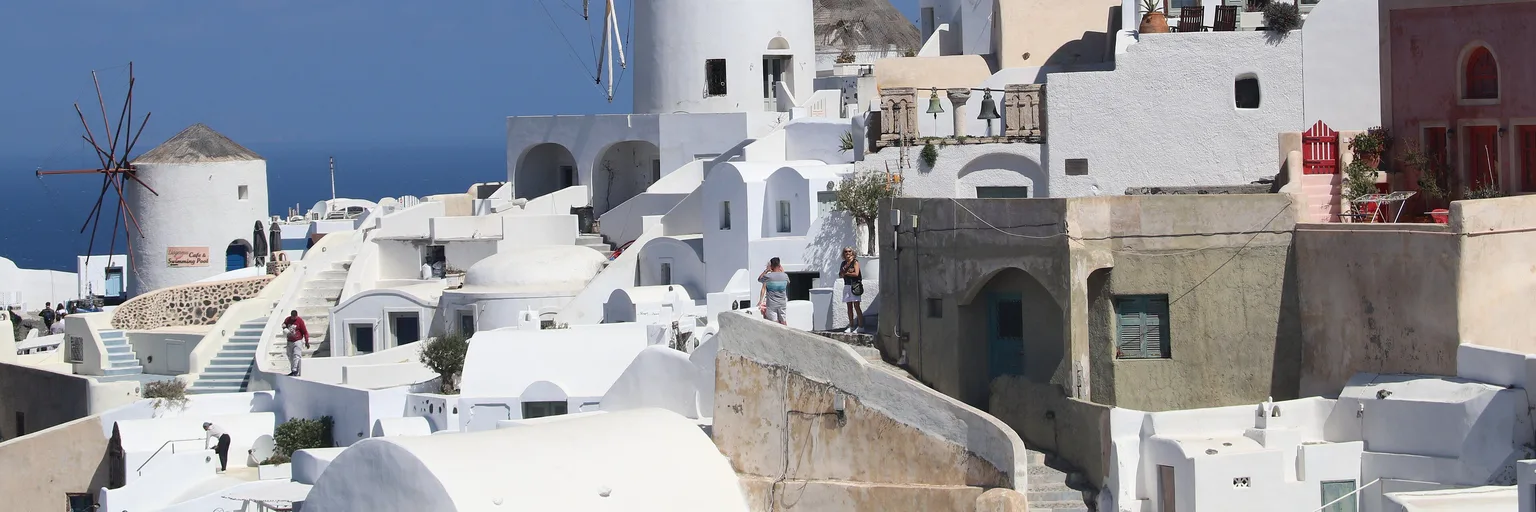
Santorini, Barcelona, Paris on a "no" list? Change when and where you go, not whether
Headlines about "no travel" lists for 2027 look like crowd-pressure warnings, not danger alerts. Read them as a guide to timing and neighborhoods, not a reason to cancel.
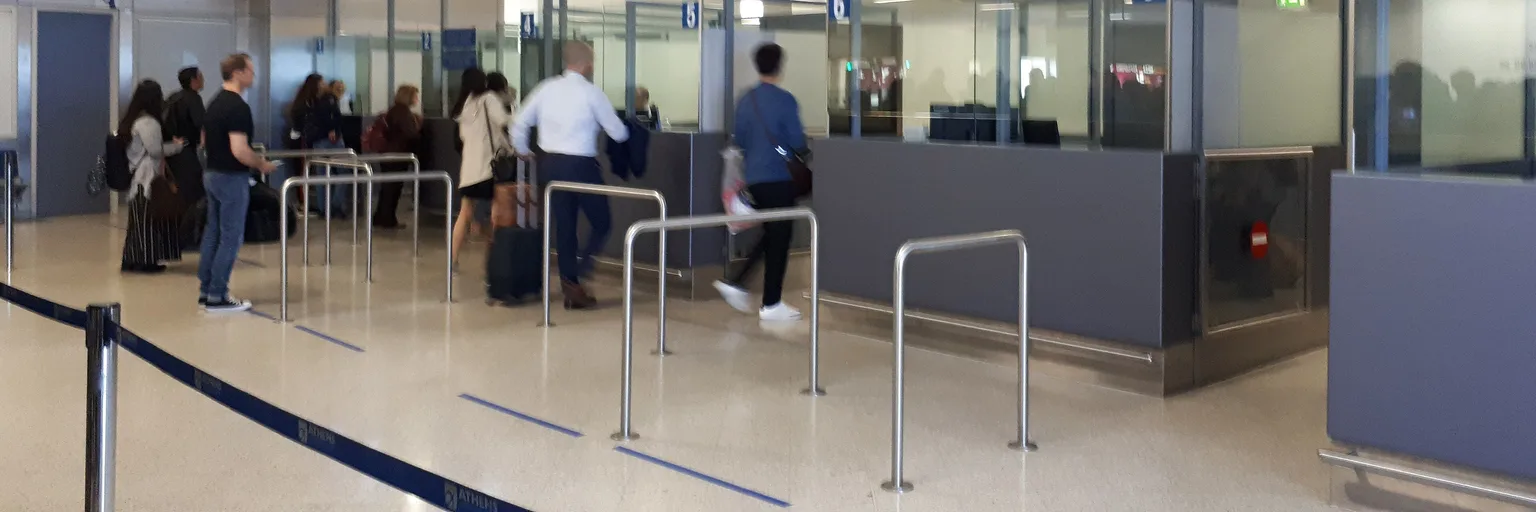
Your passport stamp is gone, so keep your own proof of EES dates
The EU's digital border system aims to catch overstayers, but wrongly logged stays show why travelers now need their own paper trail to prove when they left.
After Kraków's shooting, travelers need calm judgment, not panic
A deadly attack on Kraków's Main Square is a tragedy, not a reason to erase Poland from your map. Check official guidance, respect mourning and keep your plans flexible.