After Kraków's shooting, travelers need calm judgment, not panic
A deadly attack on Kraków's Main Square is a tragedy, not a reason to erase Poland from your map. Check official guidance, respect mourning and keep your plans flexible.
Photo: Bahnfrend / Wikimedia Commons (CC BY-SA 4.0)
Does a single act of violence in a beloved square turn a whole city into a place to avoid? The honest answer is more uncomfortable than either "cancel everything" or "nothing to see here". It depends on what you know, what you're willing to adapt, and whether you're prepared to travel with a bit more humility than usual.
On Saturday, November 7, a gunman drove into Kraków's Main Square and opened fire. The Guardian reports that six people were killed and 16 wounded, that the suspect is a 25-year-old Polish citizen, and that Poland's interior minister described far-right, "ultra-nationalistic" views. Foreign nationals were among the wounded, and one of the dead was a British citizen. Sunday and Monday are days of national mourning, and one outlet reports the city has canceled events through November 11.
Cancel because of logistics, not because of fear
The reflex after a story like this is to measure risk by how shocking it felt. We think that's the wrong yardstick. The coverage describes an attacker who acted alone in the square and is now in custody, in a country where, as El Economista's report notes, attacks of this scale are rare. That doesn't make it less awful. It does mean the useful question isn't "is Kraków dangerous?" but "what will my trip look like this week?"
And this week it will look different. The area around the square was cordoned off, and one group of Spanish visitors told their local paper that their apartment, ten minutes' walk away, ended up inside the security perimeter. Guides reported far fewer visitors than on an ordinary Saturday. If you are due to arrive in the next few days, expect closures, subdued streets and possible disruption. That is a practical reason to rethink dates, and a perfectly good one.
Official advice beats your group chat
Details were still shifting as the story broke. Death tolls moved from five to six, injury counts ranged from a dozen to 16, and police were still investigating whether anyone else was involved. That is exactly when rumor travels fastest.
Our advice is dull but effective. Read your own government's travel advisory for Poland. Check with your airline, hotel or tour operator about their change policies. Follow local authorities' instructions on the ground. We can't tell you what any specific policy will allow, because every provider sets its own terms, so ask directly and get the answer in writing.
Mourning is part of the itinerary
The most underrated travel skill is knowing when you are a guest in someone else's grief. With national mourning declared and events canceled, this is not the moment for loud nights out or photos in front of the cordons. If you're in the city, keep a low profile, avoid treating the square as a backdrop, and accept that some things will be closed. Local businesses will need visitors again, but they'll need respectful ones first.
Flexibility also works in your favor. Kraków is a big, layered city, and the Spanish group that was on a guided walk through the Jewish quarter when the shooting began is a reminder that neighborhoods beyond the main square carry their own history. If you have the choice, postponing a few weeks is reasonable. If you can't, a quieter itinerary is too.
Our verdict
Don't panic-cancel, and don't pretend nothing happened. If your trip is days away, call your providers, read the official advisory and be ready to move dates. If it's further out, there's no reason to strike Kraków from your list, a city that, according to municipal figures cited by AFP, welcomed about 16.2 million visitors in 2025. Going back with respect, once the mourning has passed, may be the kindest thing a traveler can do.
No topics yet: start the first one.
More stories
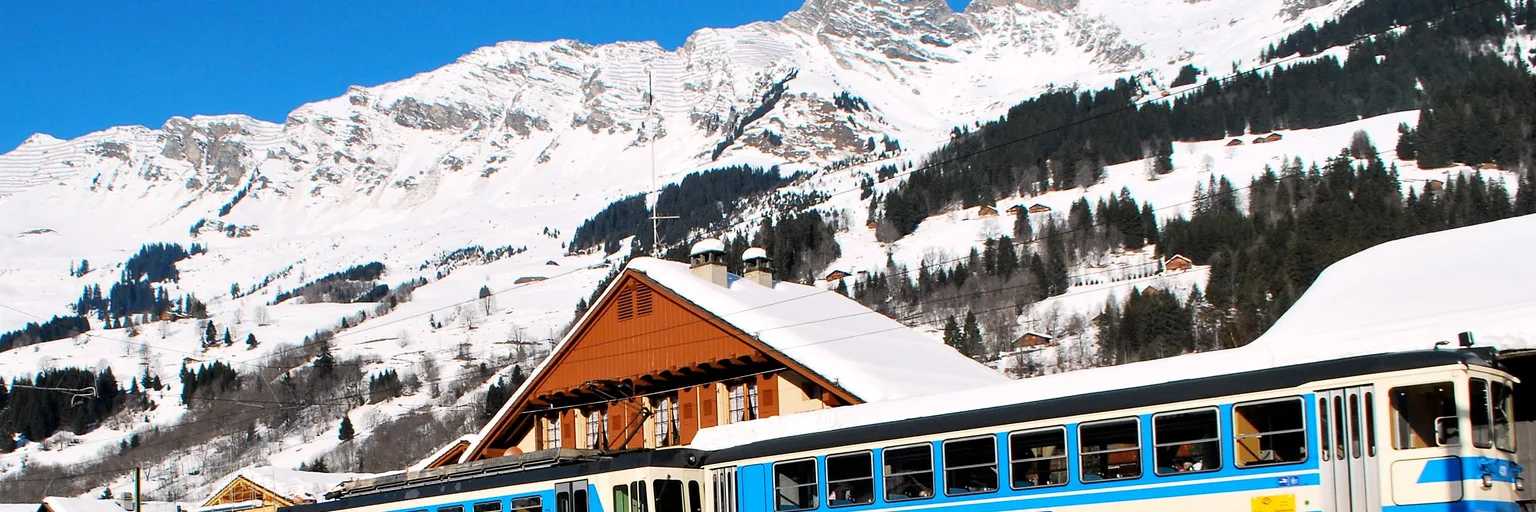
Alpine trains for skiers: great news, if luggage keeps up
New rail links to five Alpine winter destinations make skiing without a car more plausible. They only beat the drive if timetables and ski luggage work.
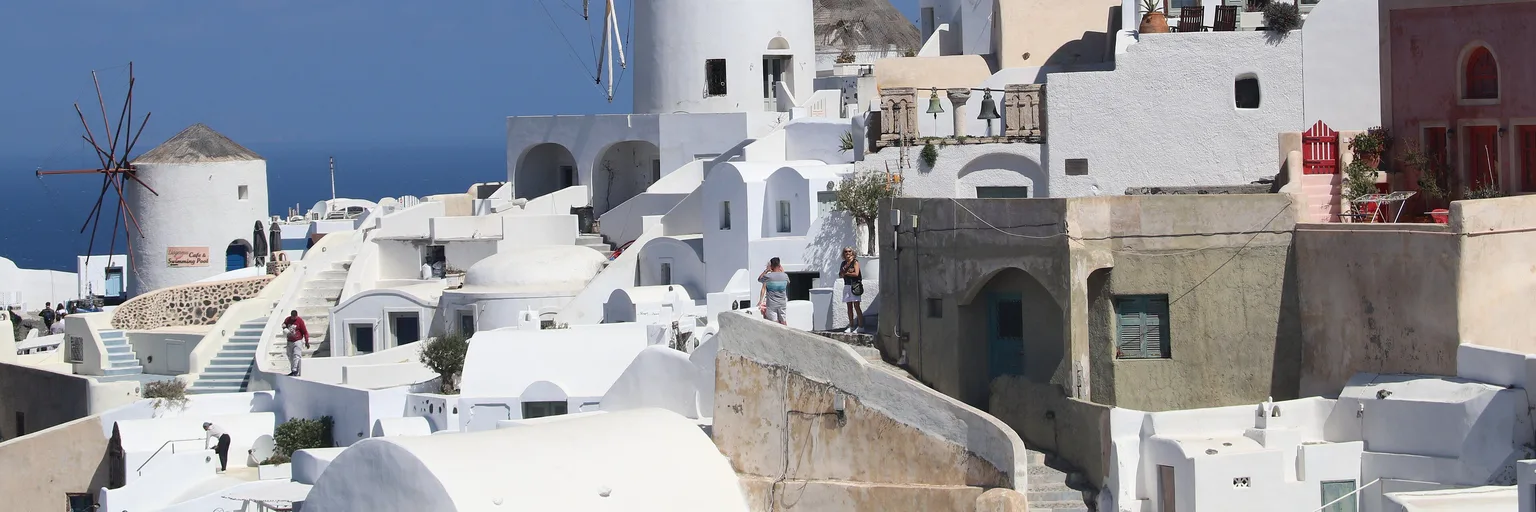
Santorini, Barcelona, Paris on a "no" list? Change when and where you go, not whether
Headlines about "no travel" lists for 2027 look like crowd-pressure warnings, not danger alerts. Read them as a guide to timing and neighborhoods, not a reason to cancel.
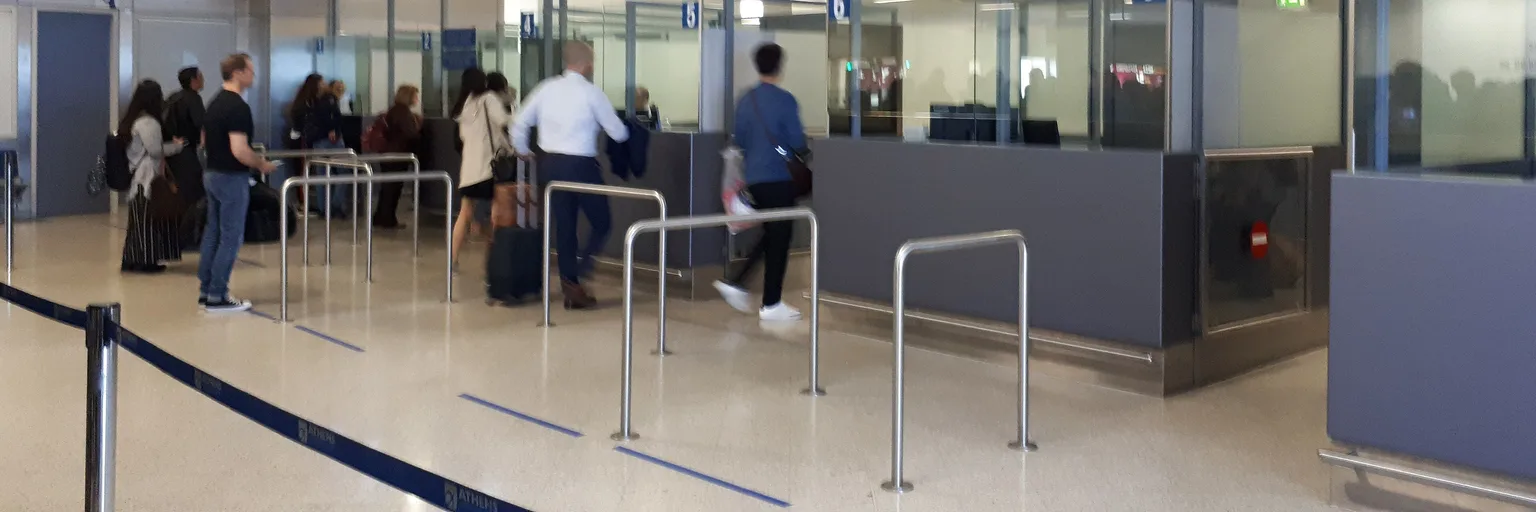
Your passport stamp is gone, so keep your own proof of EES dates
The EU's digital border system aims to catch overstayers, but wrongly logged stays show why travelers now need their own paper trail to prove when they left.
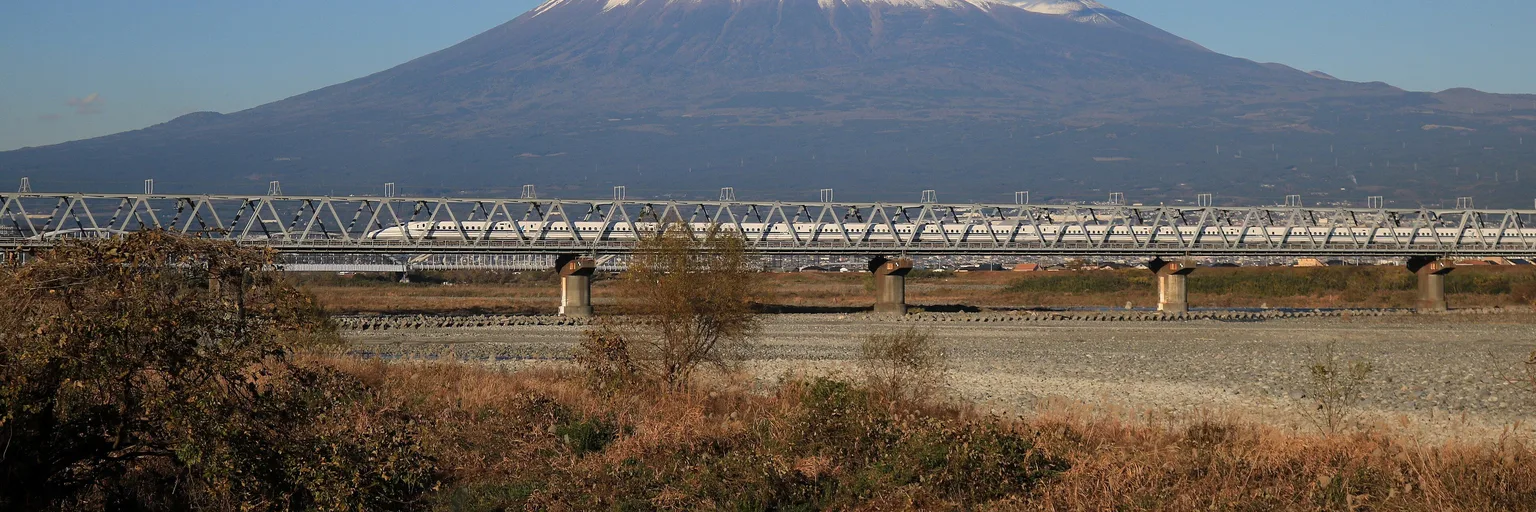
A 5.7 quake in Japan shouldn't cancel your trip, but it should shape it
The latest tremor in central Japan is a reminder, not a red flag: a little preparation with alerts, hotel routines and insurance lets you travel calmly.