Northern Europe's Unrivaled Natural Spectacles Beckon Now
Northern Europe captivates with unparalleled ecological marvels, from the breathtaking avian migration in the Wadden Sea to the celestial ballet of the Northern Lights, establishing it as an essential destination for profound natural connection.
AI-generated image
Can a region truly encapsulate the breadth of natural wonder, from the smallest migrating bird to the grandest cosmic display? Northern Europe makes a compelling case, continually proving itself a treasure trove of ecological diversity and breathtaking phenomena. As autumn settles, the draw to these distinctive landscapes intensifies, offering experiences that transcend mere sightseeing, inviting travelers into the very heart of nature's majesty.
Currently, the spotlight shines on two unforgettable experiences: the unparalleled spectacle of millions of migratory birds finding refuge in the Wadden Sea and the ethereal dance of the Northern Lights across Norwegian skies. These aren't just isolated events; they represent a harmonious blend of nature's power and humanity's growing appreciation for sustainable exploration, making Northern Europe a prime destination for those seeking profound natural connections.
The Wadden Sea: An Avian Superhighway to Witness
There are few places on Earth where the pulse of global migration feels as tangible as in the Wadden Sea. This UNESCO World Heritage site, shared by Denmark, Germany, and the Netherlands, becomes a vital refueling station for between 10 to 15 million migratory birds annually, as documented by Vadehavskysten. The sheer scale is staggering, encompassing 39 populations of 34 waterbird species, some flying from as far as the Arctic to tropical Africa. The reason for this crucial pit stop is simple: the Wadden Sea's tidal flats expose nutrient-rich mud, fostering a gigantic production of benthic animals—mussels, worms, and snails—which serve as an invaluable pantry for these tireless travelers.
It is during autumn that this natural drama reaches its peak, with countless birds resting and feeding before embarking on the next leg of their journey south. Travelers keen to witness this phenomenon up close have dedicated opportunities, such as the 18th Migratory Bird Days in the Lower Saxony Wadden Sea National Park, scheduled to take place during mid-October 2026, as noted by the Institute for Bird Research. This is more than just birdwatching; it's an immersive education in ecological interdependence and the incredible resilience of nature, a testament to why the Wadden Sea stands as a cornerstone of global ecotourism.
Norway: The Northern Lights and the Dark Sky Sanctuary
Far to the north, Norway provides exceptional vantage points for the Aurora Borealis. In the Finnmark region, for instance, visitors can experience the dance of the Northern Lights from late August until around mid-April. Beyond the visible spectacle, Norway is also home to pioneering efforts in preserving dark skies. Øvre Pasvik National Park stands out as Norway's first certified International Dark Sky Place, located in the Pasvik Valley. This recognition, noted by DarkSky.org, highlights the park's commitment to reducing light pollution, ensuring that the celestial display remains as pristine as possible. This makes areas like Finnmark not only prime locations for aurora viewing but also models for responsible tourism that respects and protects natural phenomena.
Together, these destinations underscore Northern Europe's unique position as a hub for nature-based travel. Whether it's the sheer scale of avian migration or the ethereal beauty of the Northern Lights, this region consistently delivers experiences that inspire wonder and foster a deeper appreciation for our planet's wild places. For those planning their next adventure, the call of Northern Europe's natural heart is undeniable.
No topics yet: start the first one.
More stories
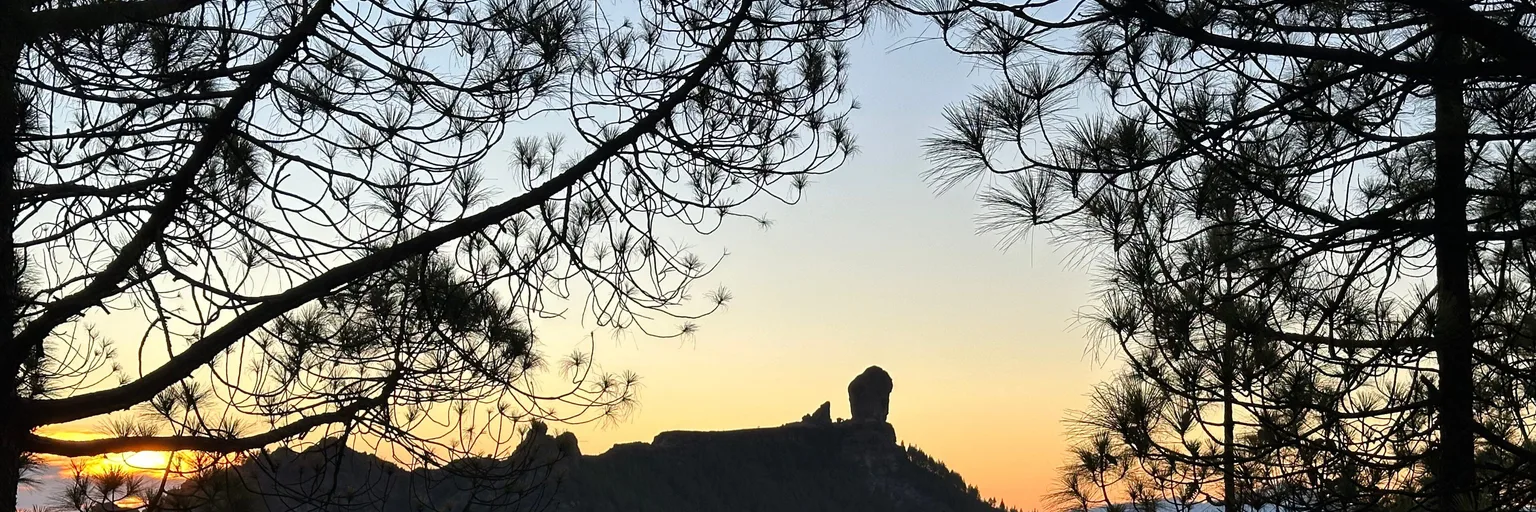
Roque Nublo at night: protecting an icon takes more than outrage
Two tourists climbed Gran Canaria's most famous rock in the dark. The lesson isn't to shame them online, but to enforce clear rules before an accident does it for us.
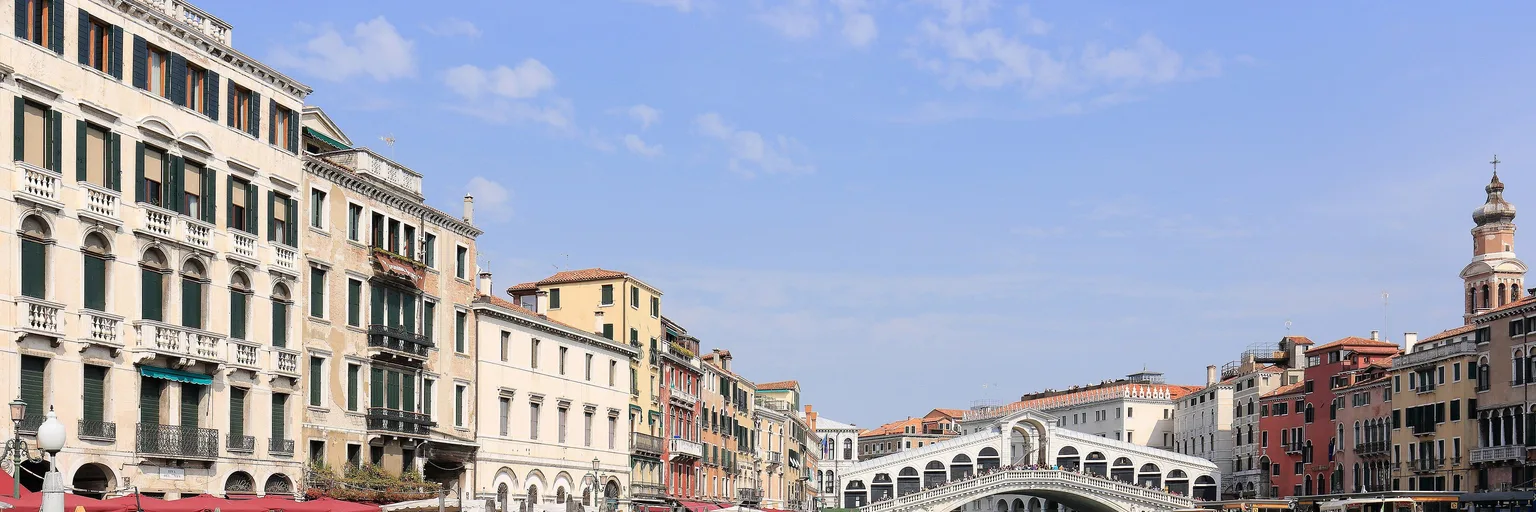
Venice's day-trip fee could double, and that's fine if it's honest
A possible €20 cap for Venice's 2027 access fee isn't the scandal it sounds like. It works only if it is predictable, aimed at peak days and visibly spent on the city.
Trevi's ticket may tame the crowd, but it has to earn the coin toss
Rome's new fee for Trevi's inner basin looks like a smart crowd tool. Fewer coins for charity suggest it can also cost the ritual itself, so the city owes visitors proof.

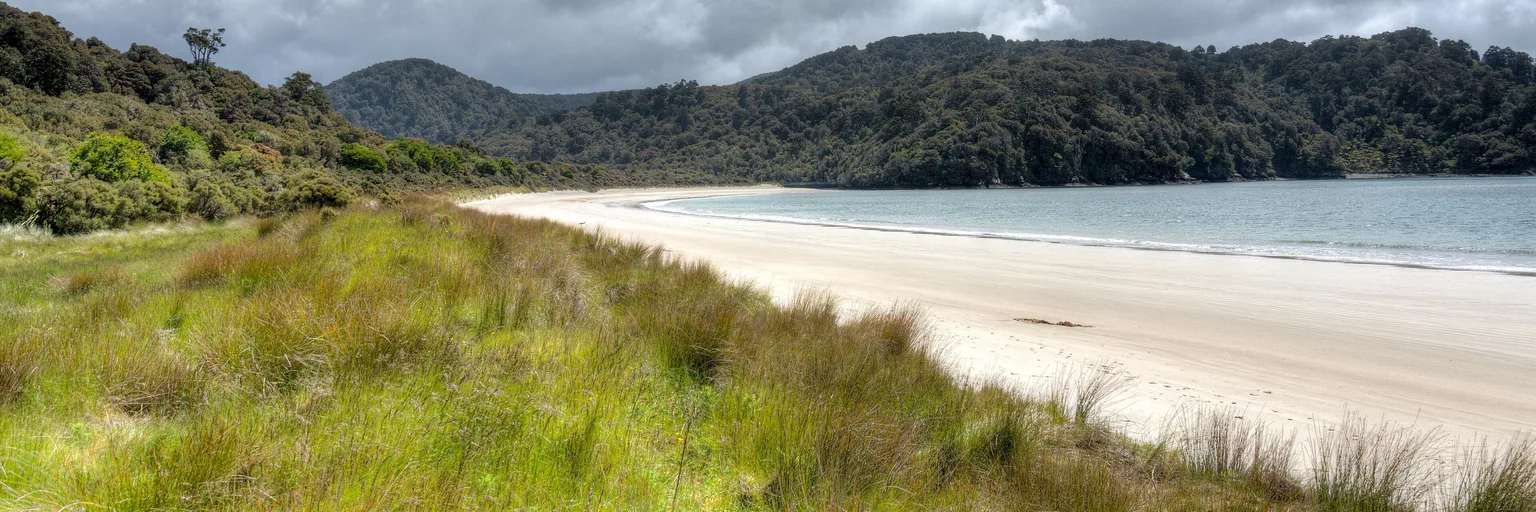
Stewart Island's 2027 badge is nice. Go for the quiet instead
Condé Nast Traveller's 2027 nod could reward slow, small-scale travel in southern New Zealand, but only if the island stays small and the crowds don't arrive.