Food Scares Signal a System Under Strain, Travelers Beware
Recent outbreaks of Cyclospora in the US and Salmonella in Italy expose ongoing vulnerabilities in global food supply chains, demanding greater awareness from consumers and travelers alike.
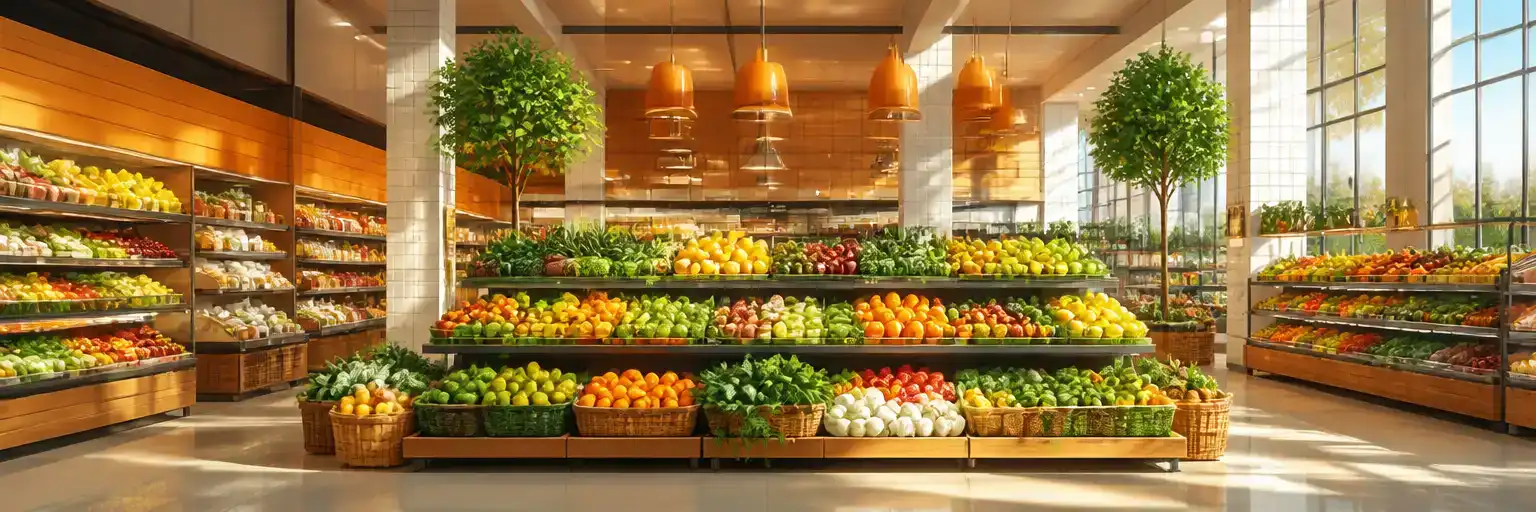
AI-generated image
Is our modern food system as safe as we assume? Recent events across continents suggest otherwise, painting a concerning picture of persistent challenges in ensuring what we eat is truly free from harm. From widespread recalls of iceberg lettuce in the United States to a swift ban on fresh tomatoes in Italian public institutions, these incidents underscore a critical need for vigilance, not just from regulators but from travelers navigating increasingly globalized food sources.
In the United States, consumers grappled with a significant Cyclospora outbreak linked to iceberg lettuce. This large-scale incident, traced back to Taylor Farms de Mexico, saw a staggering number of cases, with the CDC reporting nearly 19,883 laboratory-confirmed cyclosporiasis infections acquired in the US since May 1, 2026. The outbreak was eventually declared over by the CDC on September 11, 2026, with the FDA closing its investigation on October 2, 2026, reassuring the public that the contaminated lettuce is no longer available in stores or restaurants.
Across the Atlantic, Italy is currently facing its own food safety alarm. Authorities in Puglia have imposed an immediate suspension of fresh raw tomatoes in school and hospital canteens due to Salmonella contamination. Investigations have linked the source to a batch of tomatoes originating from Caltanissetta, Sicily, with reports indicating outbreaks in four Italian regions sharing the same strain found in Sicilian cherry tomatoes, prompting substitutions with other vegetables in affected menus.
The Unseen Vulnerabilities of Fresh Produce
These outbreaks serve as a stark reminder that even the freshest, seemingly healthiest components of our diet are not immune to contamination. Cyclospora, a parasitic infection, and Salmonella, a bacterial one, both thrive in environments where food is handled or grown improperly. The journey from farm to fork, particularly for items like lettuce or tomatoes that are often consumed raw, presents numerous points of vulnerability. Despite advances in food safety protocols, the sheer scale and complexity of global supply chains mean that a single point of failure—whether in irrigation, harvesting, or processing—can rapidly escalate into a widespread public health crisis, as evidenced by the record-setting Cyclospora outbreak in the US this year.
Globalized Food, Localized Risks

Our plates are increasingly global, yet the risks can feel intensely local. The US Cyclospora incident underscores how produce from one country, in this case, Mexico, can quickly impact consumers across 21 states. Similarly, the Salmonella alert in Puglia highlights how contamination from one Italian region, Sicily, can necessitate immediate public health responses in another. For the traveler, this interconnectedness means that understanding local food advisories is more crucial than ever. A perceived safe destination might source its produce from areas experiencing outbreaks, making vigilance a paramount component of responsible travel.
Beyond the Headlines: Empowering the Informed Traveler
While regulatory bodies like the FDA and local health authorities diligently work to contain and investigate such outbreaks, the ultimate responsibility for personal safety often falls to the individual. For travelers, this means moving beyond general dietary precautions. We recommend actively monitoring local news and health advisories, especially when visiting regions known for fresh produce or during seasons prone to such incidents. Understanding the common culprits—leafy greens, berries, and raw vegetables—and being mindful of their source, where possible, can help mitigate risks. While the US Cyclospora scare is over, and Puglia's tomato ban is specific, these events serve as a potent reminder that food safety is a continuous, evolving challenge that demands ongoing awareness from us all.
No topics yet: start the first one.