Baggage Clarity vs. Compensation Chaos: The Divergent Future of Air Travel
New regulations are reshaping air travel on both continents, but while European flyers gain clarity on baggage, Americans face a narrowing scope for flight delay compensation.

AI-generated image
Are we entering an era of greater transparency for air travelers, or one where navigating the skies becomes even more fraught with hidden caveats? The answer, it seems, depends entirely on which side of the Atlantic you're flying.
Recent developments reveal two distinct regulatory paths emerging in the global aviation landscape. In Europe, a significant push is underway to standardize and clarify the often-confusing world of carry-on baggage. Meanwhile, in the United States, new federal rules taking effect soon are poised to shift the goalposts for passenger compensation in the event of flight disruptions.
Travelers should take note: what constitutes a fair deal for a delayed flight or a conveniently packed carry-on is changing dramatically, and not always in their favor, especially for those flying within or from the US.
Navigating Europe's clearer skies: More baggage, less hassle?
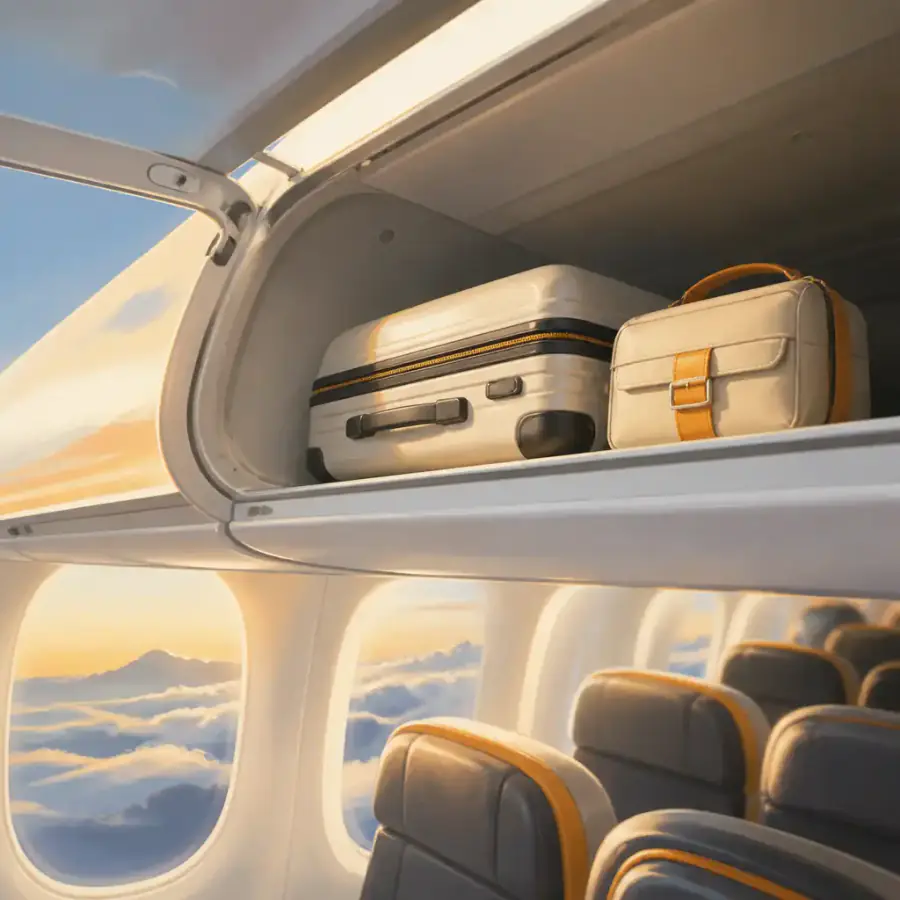
For years, the disparate and often predatory carry-on baggage policies of European airlines have been a source of frustration and unexpected costs for travelers. From tiny personal item allowances to exorbitant gate fees, the lack of standardization has complicated travel planning and budget management.
However, a significant shift is on the horizon. A new EU ruling means that from 2027, airlines operating in the EU and UK will be required to allow passengers a free personal item and one main cabin bag with every booking. This clarification aims to standardize what travelers can expect, reducing hidden fees and confusion at the gate. Under these new regulations, passengers buying a standard ticket would be entitled to two pieces of hand luggage free of charge.
Specific dimensions are being set, providing much-needed clarity. A personal item, designed to fit under the seat in front, will have maximum dimensions of 40cm by 30cm by 15cm. For the main cabin bag, which typically goes in the overhead locker, the dimensions must not exceed 55cm x 40cm x 20cm, and this includes handles and wheels. This move represents a clear victory for consumers, offering predictability and transparency in an area often plagued by obscure rules and surcharges.
The US tightens its belt: Less compensation for some disruptions
Across the Atlantic, the landscape for air passenger rights appears to be heading in a different direction. New federal regulations in the United States, which are scheduled to take effect on October 19, introduce changes that could impact travelers' ability to secure assistance during flight disruptions. This rule could make it harder for passengers to get aid with meals, hotels, and rebooking if a delay or cancellation is not deemed to be
No topics yet: start the first one.
More stories
The Great Reshuffle: What Spirit's Demise and Airline Innovation Mean for Travelers
The sudden collapse of Spirit Airlines, coupled with strategic route expansions from United and flexible payment options from American, signals a dynamic and consolidating era in air travel.