Religious Tourism's Revival: Finding Meaning Beyond the Selfie
A global spiritual awakening is driving a remarkable resurgence in religious tourism, as travelers seek authentic, deeply immersive experiences far from the digital noise.
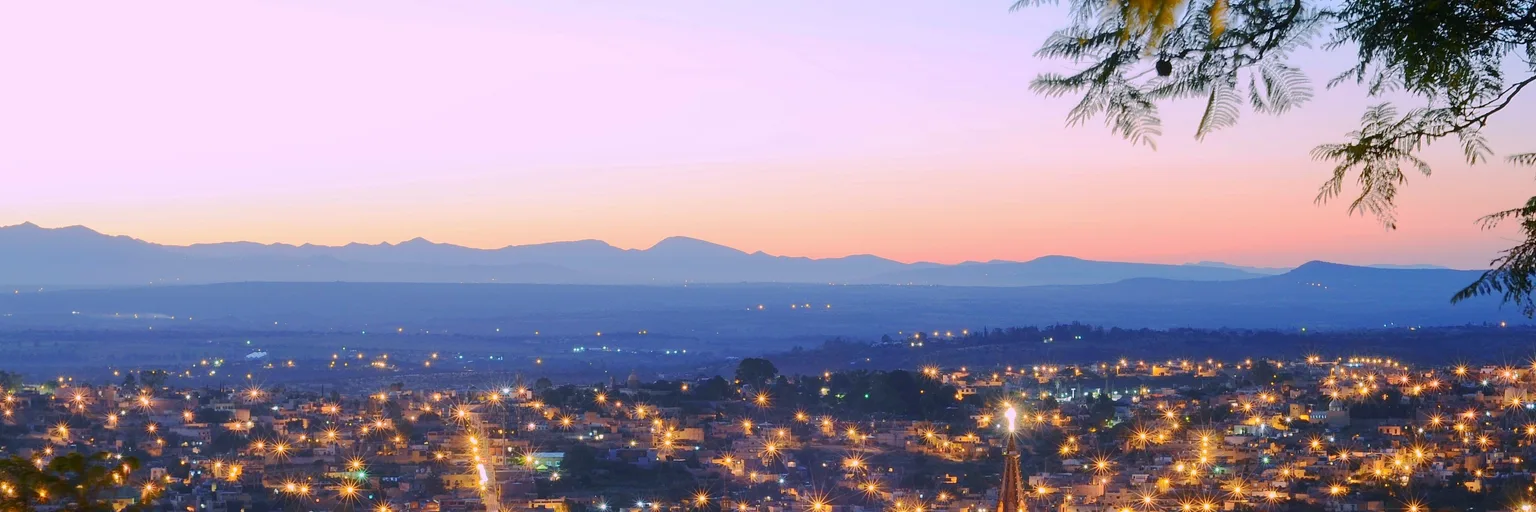
Photo: Deviations with Ray / Wikimedia Commons (CC BY 4.0)
Are we, as travelers, growing weary of the perfectly curated, endlessly shareable, yet ultimately fleeting moments of modern tourism? It certainly appears so, as a profound shift is underway: religious tourism is experiencing a remarkable resurgence, moving beyond its traditional confines to offer truly transformative journeys.
This isn't just about faith; it's about a widespread hunger for authentic, sensory experiences that challenge, connect, and enrich, far removed from the passive consumption of content. With over 400 million travelers annually engaging in these journeys, the religious tourism market is predicted to grow significantly, projected to rise from USD 1,475.78 billion in 2026 to USD 2,354.31 billion by 2033, according to Coherent Market Insights. This expansion signals a broader societal inclination towards journeys that promise something more enduring than just a photo opportunity.
The Quest for Meaning in a Digital Age
In a world saturated with digital noise, the very friction of a pilgrimage — the physical effort, the shared rooms, the conversations with strangers — has become its primary appeal. Travelers are seeking something real and sensory, rooted in centuries of human experience, as a powerful antidote to the weightless, streamed experiences that modern life often provides. Many are seeking a much-needed break from daily life, away from social media and consumerism, providing an opportunity to reflect, meditate, and explore their place in the world, often returning home significantly changed. This desire for reconnection with the soul, honoring history, and finding silence in a chaotic world drives millions, even those who initially embark for sport or tourism, to find a spiritual dimension to their journeys.
Iconic Routes and Dramatic Growth
The numbers behind this return to pilgrimage are truly remarkable. The Camino de Santiago, perhaps the world’s most iconic pilgrimage route, serves as a prime example. In 1985, the Pilgrim's Office in Santiago de Compostela recorded only 1,245 arrivals; by 2025, that figure had soared to 530,919, a 426-fold increase in forty years. This resurgence isn't limited to a single path. The Via Francigena, which stretches from Canterbury to Rome, is also experiencing rapid growth. In 2023, 3,319 pilgrims received its official certification, the Testimonium. This figure nearly doubled to approximately 6,000 in 2024, and then more than doubled again to over 12,000 during the 2025 Catholic Jubilee Year.
Furthermore, this trend extends beyond Christian traditions. The Kumano Kodo in Japan, twinned with the Camino de Santiago as a UNESCO World Heritage Site, has seen more than 10,000 individuals achieve Dual Pilgrim certification by May 2025, signifying their commitment to completing sections of both routes. Other major sites like Lourdes, nestled in the Pyrenees, draw around 3 million pilgrims annually, seeking healing and spiritual transformation. It is clear that these ancient paths are drawing an increasingly diverse demographic, eager for authentic connections in a disembodied world.
No topics yet: start the first one.
More stories
Vietnam's Tourism Triumphs: Experience Over Expediency
As Chinese visitor numbers stabilize, Vietnam is shrewdly pivoting towards high-quality, immersive experiences and robust infrastructure to secure its place as a top-tier Southeast Asian destination.

China's Grand Canyon Bridge: A Blueprint for Redefining Travel
New infrastructure projects are turning China's most remote regions into compelling tourist destinations, offering unique experiences while also presenting a critical test for sustainable development.

UNESCO Sites: Can We Love Them Without Destroying Them?
The immense draw of UNESCO World Heritage Sites, a magnet for global tourism, presents a paradox: their popularity clashes with the urgent need for long-term preservation, demanding creative strategies for sustainable engagement.

San Miguel de Allende: The Blueprint for Modern Travel
San Miguel de Allende's repeated global recognition proves that a deep embrace of cultural heritage and authentic experiences is what truly resonates with today's discerning travelers, offering a model for other destinations.